Recipe
Servings
Servings 1×
Ingredients
- Fettuccine
- Pasta
- Noodles
- Lemon
- Cream
- Hard cheese
- Butter
- Cooking oil
Method
- Prepare the ingredients described in the article and heat the cooking surface or oven as directed.
- Cook the main ingredients using the heat and timing guidance in the article.
- Finish with the seasonings and garnishes named in the article, then serve.
There is a specific kind of magic that happens when you take four or five humble pantry staples and turn them into a meal that tastes like it belongs in a sun-drenched bistro in Amalfi. This Simple Fettuccine with Lemon and Parmesan is exactly that, a masterclass in "real food" that relies on technique rather than a long list of ingredients. If you are looking for quick family meals that don't compromise on soul, you’ve found the crown jewel. It’s bright, silky, and deeply satisfying.
The Science of the Silky Emulsion
To the uninitiated, pasta sauce is often thought of as something you pour out of a jar or simmer for hours. But the most elegant Italian sauces, like this lemon-parm beauty, are actually born from physics. The secret isn't heavy cream; it's the creation of a stable emulsion between fat and water.
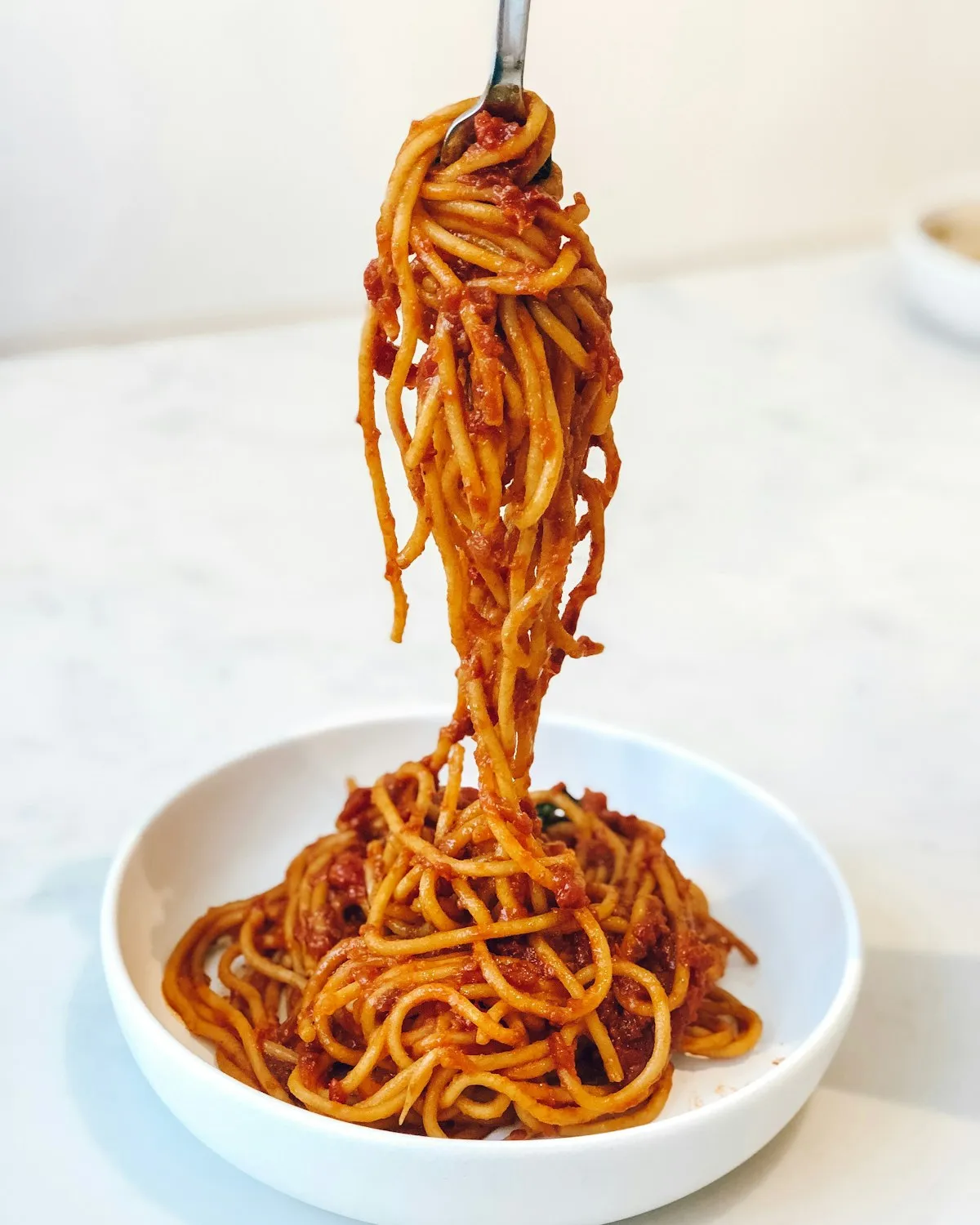
When you cook pasta, it releases starch into the boiling water. This starchy liquid is liquid gold. Instead of draining it all down the sink, you must reserve it. Starch acts as a bridge, or an emulsifier, that allows the oil and butter (your fat phase) to bind with the lemon juice and water (your water phase). Without that starch, you don’t have a sauce; you just have greasy noodles sitting in a puddle of lemon juice.
Concentrate Your Power
To maximize this effect, cook your fettuccine in less water than you think you need. While we were all taught to use a massive pot of water, using a smaller amount concentrates the starch. A higher starch-to-water ratio creates a more "powerful" glue for your sauce. Aim for water that looks slightly cloudy and viscous by the time the pasta is nearly done.
The Temperature Sweet Spot
Temperature control is the difference between a velvety sauce and a clumpy mess. Parmesan cheese is a delicate creature. If you toss it into a pan that is aggressively boiling, the proteins in the cheese will seize up and create rubbery strands. To avoid this, always remove your pan from the direct heat before adding the cheese. You want the sauce to be roughly 55–60°C (about 130-140°F). This is hot enough to melt the fat in the cheese but cool enough to keep the proteins relaxed and smooth.
The Order of Operations
Never add the lemon juice at the very beginning. High heat and acid are the enemies of dairy stability. Instead, build your base with the fats and starchy water first. Get that glossy, bubbling emulsion going in the pan, then introduce your pasta. Once the noodles are coated and the heat is lowered, whisk in your finely grated cheese and finish with the lemon juice and zest. This ensures the lemon flavor stays bright and fresh rather than turning bitter or curdling the sauce.
Variations for Every Night
While the simplicity of lemon and parmesan is hard to beat, this dish is a versatile canvas for your own creativity. If you are browsing our quick meals category for inspiration, you know we love a good riff on a classic.
- The Protein Boost: For a more substantial dinner, top your fettuccine with flaked pan-seared salmon or sautéed shrimp. The acidity of the lemon cuts beautifully through the richness of the fish. If you have leftover roast chicken, shred it and toss it in at the final stage to warm through.
- Green Additions: Asparagus tips or frozen peas are natural companions here. Blanch them in the pasta water during the last two minutes of cooking. They add a snap of freshness and keep the dish firmly in the category of healthy dinner ideas.
- The Spice Element: If you like a bit of heat, sauté a pinch of red chili flakes in the olive oil before adding the water. The capsaicin dissolves in the fat, distributing a gentle, even warmth throughout every bite of pasta.
- Herbaceous Notes: While parsley is the classic choice, try swapping it for fresh basil or even a hint of mint. Mint might sound strange, but in a lemon-based pasta, it provides a cooling finish that is incredibly refreshing during the summer months.
Perfect Side Dish Pairings
Because this pasta is rich with parmesan and butter, you want side dishes that offer a crisp, acidic, or bitter contrast to cleanse the palate between bites.
A simple arugula salad with a balsamic vinaigrette is the gold standard. The peppery bite of the arugula stands up to the lemon, while the vinegar cuts through the cheese. If you want something warm, look toward your kitchen gadgets for efficiency. Using air fryer recipes dinner can be a lifesaver when you're busy. Try air-frying some trimmed green beans with garlic and a spray of lemon until they are blistered and crunchy. The charred texture is a fantastic foil to the soft, silky fettuccine.
For a heartier meal, consider a side of roasted Mediterranean vegetables. Zucchini, bell peppers, and red onions roasted until caramelized provide a sweetness that balances the sharp salinity of the parmesan. You can find more pairing inspiration in our dinner collection.
Common Questions & Troubleshooting
Why did my cheese turn into a single hard clump?
This is almost always a temperature issue. If the liquid in the pan is boiling when the cheese hits it, the proteins bond together instantly into a clump. To fix this next time, grate your cheese as finely as possible (use a microplane!) and ensure the pan is off the heat. If it happens mid-cook, add a splash of hot pasta water and whisk like your life depends on it; sometimes you can save the emulsion by re-introducing starch and mechanical force.
Can I use bottled lemon juice?
Technically, yes, but I strongly advise against it. Bottled juice lacks the floral oils found in fresh lemon zest, which is where half the flavor lives in this dish. Since this recipe relies on so few ingredients, the quality of each one is magnified. Use a real lemon; your taste buds will thank you.
How do I make the sauce thicker without adding more cheese?
If your sauce is too thin, it’s likely because you used too much pasta water or not enough starch. Let the pasta finish cooking in the sauce for the last minute. As the noodles absorb the liquid, they release more starch, which naturally tightens the sauce. You can also whisk in a small knob of cold butter at the very end (a technique called monter au beurre) to add body and a satin-like sheen.
Is this recipe suitable for meal prep?
Pasta emulsified with cheese and water is best eaten immediately. As it cools, the emulsion will eventually break, and the cheese will solidify. If you must reheat it, do so gently on the stovetop with an extra splash of water to help the sauce "loosen" back up. Avoid the microwave, which tends to turn the sauce oily.
What if I don't have fettuccine?
While fettuccine is ideal because its wide surface area holds the sauce well, you can use linguine or even spaghetti. Avoid very small shapes like orzo or penne for this specific emulsion technique, as they don't provide the same "tossing" mechanics needed to build the creamy texture.
{“@type”:”BlogPosting”,”image”:”https://cdn.marblism.com/vQHC8-_9U0G.webp”,”author”:{“name”:”Penny”,”@type”:”Person”},”faqPage”:{“@type”:”FAQPage”,”@context”:”https://schema.org”,”mainEntity”:[{“name”:”Why did my cheese turn into a single hard clump?”,”@type”:”Question”,”acceptedAnswer”:{“text”:”This happens when the cheese is added to a boiling liquid. The high heat causes the proteins to seize. To prevent this, use finely grated cheese and add it after removing the pan from the heat.”,”@type”:”Answer”}},{“name”:”Can I use bottled lemon juice?”,”@type”:”Question”,”acceptedAnswer”:{“text”:”Fresh lemon is highly recommended because the zest provides essential oils and aroma that bottled juice lacks. For a high-impact flavor, fresh is non-negotiable.”,”@type”:”Answer”}},{“name”:”How do I thicken the sauce without more cheese?”,”@type”:”Question”,”acceptedAnswer”:{“text”:”Finish cooking the pasta in the sauce to release more starch, or whisk in a knob of cold butter at the end to create a thicker, silkier texture through emulsification.”,”@type”:”Answer”}}]},”@context”:”https://schema.org”,”headline”:”Simple Fettuccine with Lemon and Parmesan”,”publisher”:{“logo”:{“url”:”https://cdn.marblism.com/KxroJ1kM_KA.webp”,”@type”:”ImageObject”},”name”:”Cookpedia”,”@type”:”Organization”},”description”:”Master the art of the perfect lemon parmesan pasta. Learn the science of emulsification and how to create a silky, bistro-quality sauce with simple pantry staples.”,”datePublished”:”2026-07-12″,”mainEntityOfPage”:{“@id”:”https://cookpedia.com/simple-fettuccine-lemon-parmesan”,”@type”:”WebPage”}}