Recipe
Servings
Servings 1×
Ingredients
- Chicken
- Pork
- Broccoli
- Spinach
- Apple
- Tomatoes
- Onion
- Lemon
- Lime
- Honey
- Tahini
- Cream
- Feta
- Chorizo
- Cooking oil
- Salt
- Black pepper
Method
- Use two pans if you have to, or just give everyone some breathing room.
- Slice your sausage on a bias to increase the surface area.
- Toss the pierogies in a light coating of oil, but let the rendered sausage fat do the heavy lifting.
- Slice them thick so they don't burn before the pierogies are finished.
- Use a heavy-duty rimmed baking sheet; thinner pans can warp at high temperatures, leading to uneven cooking and oil pooling in the corners.
- Toss some halved cherry tomatoes and olives onto the pan during the last ten minutes of roasting.
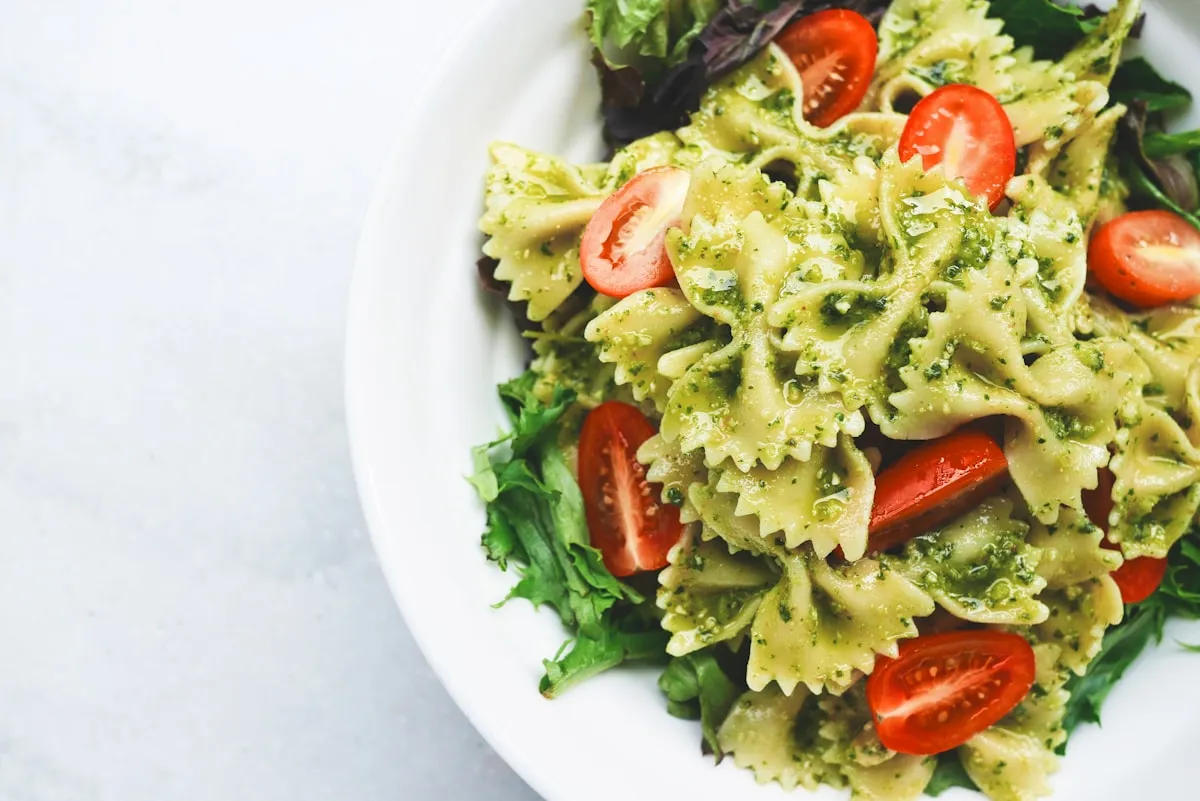
There is a specific kind of magic that happens when you realize your freezer is actually a treasure chest of easy dinner recipes. We’ve all been there: standing in front of the open fridge at 6:00 PM, staring at a bag of frozen pierogies and a lone link of smoked sausage, wondering if they can be more than just a last-minute scramble. Spoiler alert: they can. This sheet pan meal isn't just a convenience play; it’s a masterclass in texture and flavor that turns humble staples into a dinner you’ll actually look forward to.
The Chemistry of the Crunch: Why Sheet Pan Roasting Works
When you toss frozen pierogies onto a hot metal pan, you aren't just heating them up; you are initiating a complex sequence of culinary science. Most people make the mistake of boiling their pierogies first. Stop doing that. Boiling hydrates the starch and leads to a gummy, soft exterior. If you want that shattered-glass crispness, you need to lean into the Maillard reaction. This is the chemical reaction between amino acids and reducing sugars that gives browned food its distinctive, savory flavor.
To achieve this, use a high-heat environment. Set your oven to at least 400°F (204°C). The dry heat of the oven evaporates the surface moisture from the frozen dough almost instantly. Once that moisture is gone, the temperature of the pierogi skin can rise above the boiling point of water, allowing the browning to begin. If you overcrowd the pan, you trap steam between the pierogies. This turns your oven into a giant steamer, and you’ll end up with soggy dough. Use two pans if you have to, or just give everyone some breathing room.
Don't be afraid of the fat. The smoked sausage is your secret weapon here. As the sausage heats up, the fat inside renders out. This liquid gold acts as a frying medium right on the sheet pan. Slice your sausage on a bias to increase the surface area. This exposes more of the interior to the heat, creating more opportunities for those crispy, caramelized edges. Toss the pierogies in a light coating of oil, but let the rendered sausage fat do the heavy lifting. This fat is infused with smoke and spices, which will permeate the pierogies as they roast.
Check your onions. Onions contain a high amount of natural sugars. When roasted alongside the savory sausage, they undergo caramelization. This is different from the Maillard reaction; it’s the pyrolysis of sugar. The result is a deep, jammy sweetness that provides a necessary counterpoint to the saltiness of the kielbasa. Slice them thick so they don't burn before the pierogies are finished. If they are too thin, they’ll turn into carbon wisps before your sausage is even warm.
Check the bottom of your pierogies halfway through the cooking time. The side touching the metal pan will always be the crispiest because of direct heat conduction. Flip them to ensure even browning. If you find they are sticking, you didn't use enough oil or your pan wasn't hot enough when they went in. Use a heavy-duty rimmed baking sheet; thinner pans can warp at high temperatures, leading to uneven cooking and oil pooling in the corners.
Flavor Shifts and Creative Variations
While the classic onion and kielbasa combo is a powerhouse, you can easily pivot this into several other healthy dinner ideas. If you want to lean into a Mediterranean profile, swap the smoked kielbasa for sliced chicken sausage infused with spinach and feta. Toss some halved cherry tomatoes and olives onto the pan during the last ten minutes of roasting. The tomatoes will burst, creating a natural sauce that coats the pierogies without making them soggy.
For those who love a bit of heat, try a "Hot Honey and Chorizo" version. Use raw chorizo (removed from the casing and crumbled) instead of smoked sausage. The spicy oil from the chorizo will turn the pierogies a vibrant orange. Once the pan comes out of the oven, drizzle the whole thing with hot honey and a squeeze of fresh lime. The acidity of the lime cuts through the richness of the pork fat, creating a perfectly balanced bite.
You can even adapt this for your counter-top appliances. Many of our favorite air fryer recipes dinner enthusiasts have found that pierogies thrive in the concentrated convection heat of an air fryer. Just remember that the air fryer moves a lot of air, so you might need to secure your onions under the sausage so they don't fly around and hit the heating element.
If you are looking for quick family meals that sneak in some extra nutrients, add some "hard" vegetables to the mix. Broccoli florets, sliced bell peppers, or even shaved Brussels sprouts hold up beautifully to the high-roasting heat. They’ll get those charred, nutty edges that even the pickiest eaters tend to enjoy. Just ensure the vegetables are cut to a similar size so everything finishes at the same time.
Perfect Pairings for a Balanced Plate
Because this sheet pan meal is heavy on starches and fats, your side dishes should focus on high acidity and freshness to cleanse the palate. A simple arugula salad with a lemon-tahini dressing is my go-to. The peppery bite of the arugula cuts right through the doughy center of the pierogi. Avoid heavy, creamy sides like mac and cheese; you already have plenty of comfort on the main plate.
Alternatively, go the traditional route with a pile of quick-pickled cucumbers. Thinly slice some cucumbers and red onions, then toss them in apple cider vinegar with a pinch of sugar and salt. Let them sit while the sheet pan is in the oven. The cold, crisp, acidic crunch is the ultimate foil to a warm, soft pierogi. If you want a dip, skip the plain sour cream and whip it with some horseradish or plenty of fresh dill and cracked black pepper.
Frequently Asked Questions
Can I use frozen pierogies directly, or do I need to thaw them?
Use them straight from the freezer. In fact, thawing them can actually ruin the texture. When a pierogi thaws, the moisture inside the dough begins to migrate to the surface, making it tacky. When you put a tacky, damp pierogi on a baking sheet, it is much more likely to stick and tear. Frozen pierogies hold their shape better and allow the oven’s heat to crisp the outside before the inside becomes too soft.
Why did my onions burn while the pierogies were still cold?
This usually comes down to "surface-to-volume ratio." If your onions are sliced into paper-thin rings, they have a lot of surface area exposed to the heat but very little mass, so they cook incredibly fast. The pierogies are dense and frozen, meaning they need more time to heat through to the center. Slice your onions into thick wedges (think 1/2 inch) to ensure they caramelize at the same rate the pierogies crisp.
My sausage is dry and shriveled. What happened?
You likely used a pre-cooked sausage that was too lean. Smoked sausages like kielbasa or andouille are generally better for roasting because they have a higher fat content that keeps them moist under high heat. If you are using a very lean chicken or turkey sausage, add them to the pan halfway through the cooking time so they don't over-extract.
Is it possible to over-roast pierogies?
Yes. If you leave them in too long, the internal steam will eventually find a way out, causing the pierogi to puff up like a balloon and then deflate into a tough, leathery disc. Aim for a deep golden brown. Once you see the edges starting to look like a well-toasted cracker, get them out of the heat.
Can I make this a "one-pan" meal if I want to add a sauce?
Avoid adding liquid sauces (like broth or heavy cream) directly to the pan during the roasting process. This will instantly kill any crispness you’ve worked to achieve. If you want a sauce, serve it on the side for dipping, or drizzle a thick reduction (like balsamic glaze) over the dish only after it has been plated. This keeps the integrity of the textures you spent 30 minutes developing.
For more inspiration on streamlining your weeknight routine, check out our full collection of easy dinner recipes and join our community of home cooks who believe that great food doesn't have to be complicated.