Recipe
Servings
Servings 1×
Ingredients
- Quinoa
- Bread
- Potatoes
- Lemon
- Tahini
- Sesame
- Salt
- Black pepper
Method
- Rinse it well, then let the grain cook gently rather than aggressively.
- Keep the lid on during the rest.
- Give the vegetables room on the roasting pan.
- Add crisp vegetables, fresh herbs, seeds, or a crunchy topping to create contrast.
- Add the water slowly so you can control the consistency.
- Season the quinoa, vegetables, and dressing separately enough that none of them tastes flat on its own.
A Bowl That Makes Vegetables Feel Like the Main Event
This rainbow veggie quinoa power bowl is bright, filling, and wonderfully unfussy. Fluffy quinoa brings a gentle nuttiness, roasted vegetables add caramelised edges, and lemon tahini ties everything together with creamy, punchy flavour. It belongs in the quick healthy meals rotation because it feels fresh without asking you to make dinner your entire personality.
Build it for lunch, serve it as a weeknight dinner, or prep the components ahead so tomorrow-you gets a small but meaningful favour.
Tips & Technique: Make Every Component Pull Its Weight
Rinse quinoa for a cleaner, nuttier flavour
Do not skip the rinse. Quinoa naturally carries saponins on its outer coating, and these compounds can taste bitter or soapy if they remain on the grain. A quick rinse under cool water helps wash them away before cooking.
That small bit of preparation also improves the final flavour. Quinoa has a naturally mild, nutty taste, so bitterness can easily overpower it. Rinse it well, then let the grain cook gently rather than aggressively. Quinoa is small, but it still appreciates a little peace and quiet.
Protect the texture with steam
Fluffy quinoa depends on more than the water ratio. It needs time to absorb moisture evenly and finish steaming after the heat is turned off. That resting period allows the grains to swell fully without becoming wet or sticky.
Keep the lid on during the rest. Then fluff gently with a fork instead of stirring vigorously. A fork separates the grains and lets excess steam escape. A spoon tends to compress them into a soft little quinoa mattress, which is not the texture we are after.
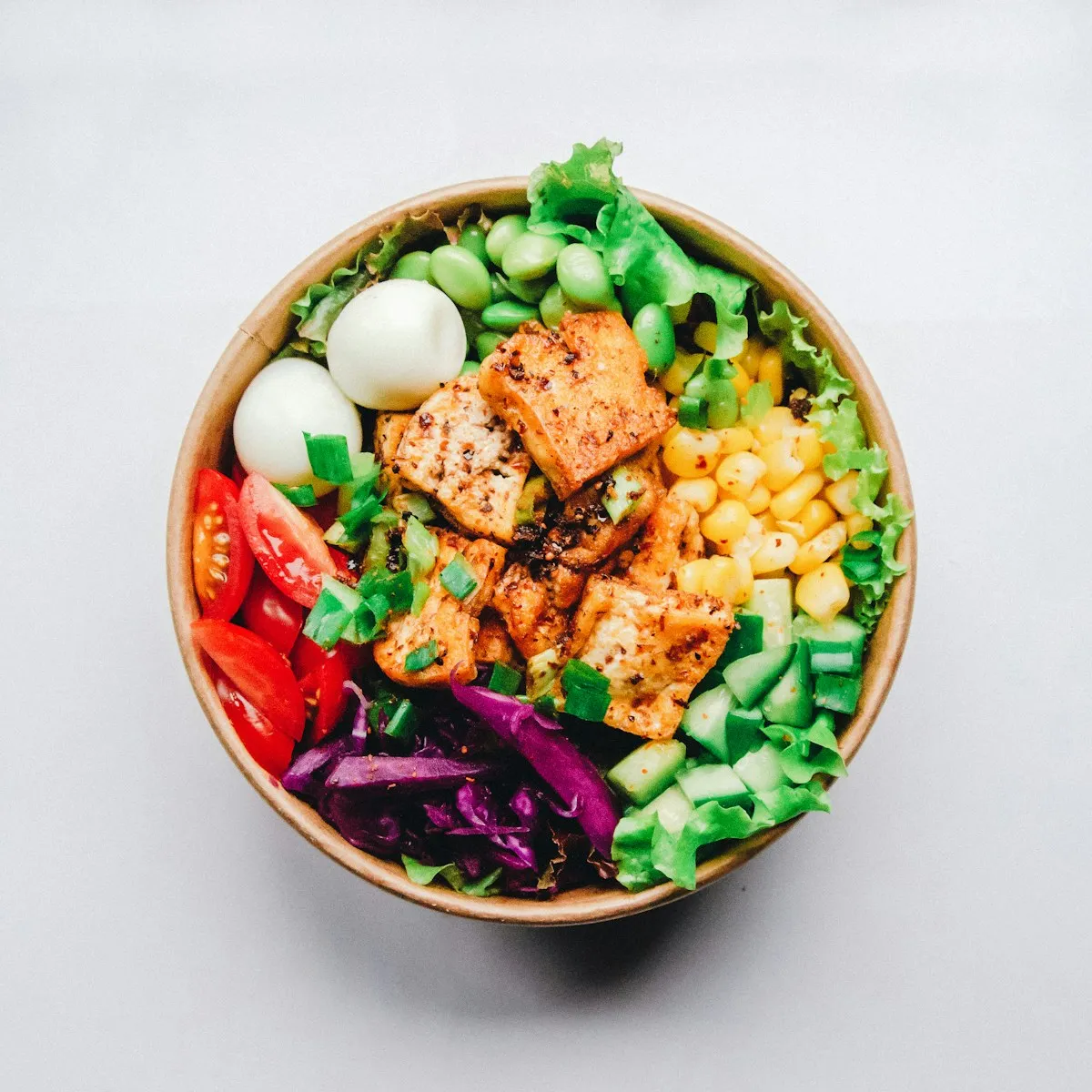
Cut vegetables for even cooking, not artistic perfection
Aim for pieces that are roughly similar in size, especially when roasting several vegetables together. Smaller pieces cook faster, while larger pieces stay firm in the centre. This is not a demand for ruler-level precision. Just avoid pairing a tiny pepper dice with a giant sweet potato boulder and expecting harmony.
Give the vegetables room on the roasting pan. Crowding traps steam, and steam softens vegetables before they have a chance to brown. A little space encourages dry heat to circulate, which helps the edges caramelise and the natural sugars deepen.
That browning is doing real flavour work. The Maillard reaction occurs when heat encourages amino acids and sugars on the surface of food to form new flavour compounds. It is responsible for the savoury character of toast, roasted potatoes, and beautifully browned vegetables. In other words, colour is not decoration. Colour is dinner insurance.
Use contrast to keep the bowl lively
Quinoa and roasted vegetables are earthy and soft, so the bowl needs brightness and texture. Add crisp vegetables, fresh herbs, seeds, or a crunchy topping to create contrast. You want each bite to move between tender, creamy, crisp, and chewy.
Balance matters here. Rich tahini can feel heavy without acidity, while lemon can taste sharp without enough creaminess or salt. The dressing should taste bold on its own because it will spread across mild grains and sweet vegetables. If it tastes merely “fine” from the spoon, it will disappear in the bowl.
Whisk lemon tahini gradually
Tahini often thickens dramatically when lemon juice first hits it. Do not panic and declare the sauce broken. The mixture is simply reacting as the sesame paste and acid come together.
Loosen it gradually with cold water while whisking. The water helps the dressing become smooth and pourable, creating a stable, creamy texture rather than a greasy puddle. Add the water slowly so you can control the consistency. Aim for a sauce that drizzles easily but still clings lightly to the quinoa.
Season in layers
Season the quinoa, vegetables, and dressing separately enough that none of them tastes flat on its own. This does not mean reaching for every spice in the cupboard. Use a simple flavour direction and let the ingredients remain recognisable.
Seasoning works through distribution. If all the salt goes into the dressing, the outside of the bowl may taste lively while the quinoa underneath remains bland. Small amounts across the components create a more even experience.
For more practical inspiration, browse Cookpedia’s healthy recipes and quick meals. The same principle applies across the kitchen: use a few strong techniques instead of making a complicated pile of ingredients do all the work.
Variations: Keep the Formula, Change the Mood
Treat the bowl as a flexible template rather than a rigid performance. Swap roasted sweet potato for squash, use broccoli or green beans for the green element, or add shredded cabbage for extra crunch. Keep the colours varied, but do not stress if your fridge is having a beige week. A delicious bowl does not require a full paintbox.
For extra protein, add chickpeas, edamame, lentils, or crisp tofu. Tofu is especially good when you want a more substantial texture; Cookpedia’s teriyaki tofu with charred spring onions uses browning and umami in a similarly satisfying way.
Make the dressing warmer with cumin or smoked paprika, or add fresh ginger for a sharper edge. A little maple syrup can soften an especially tart lemon, while extra lemon can wake up a bowl that tastes too rich.
For a grain-free variation, use cauliflower rice or roasted vegetables as the base. For a heartier version, add avocado or toasted seeds. Keep one rule firm: preserve contrast. Creamy needs crisp, sweet needs sharp, and soft needs crunch.
Side Dish Pairings: Add Freshness, Not More Heaviness
This bowl is complete enough to stand alone, so pair it with sides that refresh rather than compete. A simple cucumber salad with lemon or vinegar cuts through the richness of tahini and adds a cool, juicy texture.
Serve a handful of leafy greens with a sharp vinaigrette when you want more volume. The acidity keeps the meal bright and stops the quinoa from feeling too dense. A small bowl of lightly dressed cabbage also works beautifully because its crunch lasts longer than delicate lettuce.
If you are serving several people, offer warm flatbread on the side for scooping. Keep it modest; the quinoa already provides a satisfying base. For another plant-forward option, browse Cookpedia’s vegetarian dinner recipes for ideas that use the same balance of grains, vegetables, and bold sauces.
FAQ
Can I make this bowl ahead of time?
Yes. Cook the quinoa and roasted vegetables ahead, then cool them completely before storing them in airtight containers. Keep the lemon tahini separate so it does not soak into the grains and turn the bowl soft.
Add crisp vegetables, herbs, seeds, and dressing just before eating. Rewarm the quinoa and roasted vegetables if you prefer a hot dinner, or serve everything chilled for a faster lunch. The separate-component approach protects texture and gives you more than one way to enjoy the same preparation.
Why did my quinoa turn mushy?
Mushy quinoa usually comes from too much liquid, overcooking, or skipping the resting and fluffing stages. Excess water prevents the grains from separating, while vigorous stirring can compress them.
Measure the cooking liquid carefully and use gentle heat once the mixture reaches a simmer. Let the quinoa finish steaming off the heat, then fluff it with a fork. If it is already soft, spread it on a plate for a few minutes so excess moisture can evaporate before assembling the bowl.
Why did my roasted vegetables stay pale?
Pale vegetables usually point to moisture or overcrowding. When vegetables sit too close together, they release steam into the pan. That steaming environment softens them but limits browning.
Use a wide roasting pan and leave visible gaps between the pieces. Dry the vegetables well before roasting, and avoid adding so much oil that they become slick rather than lightly coated. Turn them only when needed; constant movement prevents the surfaces from developing colour.
My lemon tahini dressing became thick and clumpy. Can I fix it?
Absolutely. This is a normal reaction when acidic lemon juice meets sesame paste. Whisk in cold water gradually, a small splash at a time, until the sauce loosens.
Do not add a large amount of water all at once. You may overshoot the texture and end up with a thin dressing. If the flavour becomes too sharp, balance it with a little more tahini, a pinch of salt, or a small touch of sweetness.
How can I make the bowl more filling?
Increase the protein and fibre rather than simply making the portion enormous. Add chickpeas, edamame, lentils, or tofu, and include a satisfying fat such as tahini, avocado, or seeds.
The combination of quinoa, vegetables, legumes, and sesame creates a meal with different textures and slower-digesting components. That balance makes the bowl feel substantial without relying on a heavy sauce or oversized serving.
Can I use leftover vegetables?
Please do. Leftover roasted vegetables are ideal here because they already have concentrated flavour and browned edges. Warm them briefly so they do not dry out, then combine them with fresh, crisp elements for contrast.
Avoid using only soft leftovers unless you add crunch somewhere else. A bowl needs texture to stay interesting, especially after a night in the refrigerator.
Is this suitable for a plant-based diet?
Yes, as long as the dressing and toppings remain plant-based. Use maple syrup instead of honey if you want the entire bowl to be vegan, and choose plant-based add-ins such as chickpeas, edamame, lentils, or tofu.
This is one of those plant-based dinner ideas that works because it is built around flavour and texture first. You are not asking vegetables to imitate something else. You are letting roasted colour, nutty grains, creamy tahini, and bright lemon do their own excellent work.
What if I do not like tahini?
Use another creamy, acidic dressing with a similar balance. A lemony hummus sauce, cashew dressing, or yogurt-based sauce can fill the same role, depending on your dietary needs.
Choose something that brings both richness and acidity. Plain oil will not provide enough body, while a very thick spread may overwhelm the vegetables. Thin the replacement until it coats the bowl lightly rather than sitting in one heavy pool.
Can this count as one of my healthy dinner ideas for the week?
Definitely. The bowl has the structure of a balanced meal: a grain base, colourful vegetables, a protein option, and a flavourful dressing. Adjust the portions and add-ins to suit your appetite and routine.
Most importantly, keep the cooking practical. A healthy dinner you can prepare, store, and genuinely look forward to is far more useful than an impressive plan that never leaves the notebook. That is the whole point of quick healthy meals: make good food easier to repeat.