Recipe
Servings
Servings 1×
Ingredients
- Steak
- Rice
- Avocado
- Fresh ginger
- Cooking oil
- Soy sauce or tamari
- Sesame
- Salt
Method
- Use a properly heated pan, but do not confuse heat with chaos.
- Pat the tuna dry before it meets the pan.
- Keep the fish refrigerated, prevent contact with ready-to-eat foods, and clean the board and knife properly.
- Use a sharp knife and a gentle sawing motion.
- Add salt carefully, especially if the dressing includes soy sauce.
- Add a little heat or ginger if you like, but keep the dressing lean enough to let the fish remain the main event.
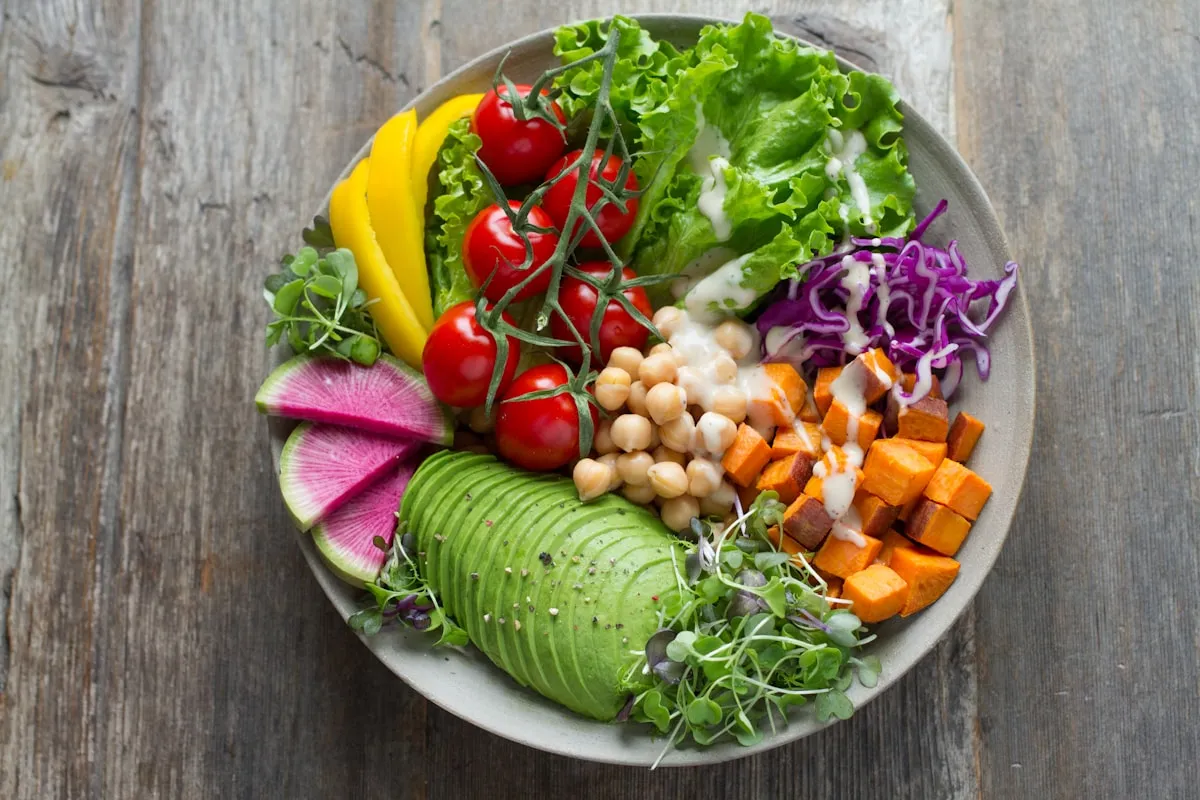
When I want a dinner that feels fresh but still counts as proper food, I make this seared tuna and avocado sesame salad. It is one of those quick healthy meals that looks polished without requiring restaurant-level juggling. You get tender tuna, creamy avocado, crisp vegetables, and a sharp sesame dressing in one bowl. The secret is not fancy equipment. It is heat control, good texture, and refusing to drown everything in dressing.
Tips & Technique: Make the Sear Work for You
Let the pan create contrast
A good seared tuna salad depends on contrast: a browned, savory exterior against a cool, soft center. That contrast comes from the Maillard reaction, the browning process that creates hundreds of flavorful compounds when the surface of the fish gets hot and dry.
Use a properly heated pan, but do not confuse heat with chaos. A pan that is merely warm will slowly steam the tuna, leaving it pale and watery. A pan that is aggressively smoking can scorch the outside before the center has a chance to warm. Aim for a strong, even heat that gives the fish a quick sear.
Pat the tuna dry before it meets the pan. Surface moisture has to evaporate before browning can begin, and evaporation consumes energy. In other words, wet tuna makes the pan spend its time boiling water instead of building flavor. Dry the surface well and the sear happens faster.
Keep the center cold, or cook it through
Tuna is lean, so it does not have much fat to protect it from overcooking. The longer it stays in the pan, the more moisture it loses and the firmer the texture becomes. That is why classic seared tuna is browned outside and red or pink inside.
For a rare center, use tuna sold by a trusted fishmonger for raw or rare preparation, keep it cold until cooking, and sear it briefly. For maximum food safety, cook the thickest part to 145°F (63°C), as advised for finfish by public-health guidance. Choose the fully cooked option if you are pregnant, immunocompromised, elderly, or serving young children.
Do not treat “sushi-grade” as a magic safety button. It is a useful buying signal, but careful handling still matters. Keep the fish refrigerated, prevent contact with ready-to-eat foods, and clean the board and knife properly. A beautiful salad is not worth a preventable kitchen mistake.
Slice across the grain
The direction of your slices changes how tender the tuna feels. Look for the long muscle fibers running through the steak, then cut across them rather than along them. Cutting across shortens the fibers, making each bite easier to chew.
Use a sharp knife and a gentle sawing motion. Pressing down with a blunt blade can crush the seared edge and squeeze out the juices you worked to preserve. Slightly uneven slices are completely fine; this is dinner, not a fish anatomy exam.
Balance richness with acidity
Avocado and sesame both bring richness, which is exactly why the salad needs acidity. Citrus juice or rice vinegar brightens the dressing and cuts through the oils on your palate. It does not merely make the salad taste “fresh.” Acid changes your perception of fat, making rich foods feel lighter and more defined.
Add salt carefully, especially if the dressing includes soy sauce. Salt enhances aroma and suppresses bitterness, but too much will flatten the gentle flavor of avocado and overpower the tuna. Add a little heat or ginger if you like, but keep the dressing lean enough to let the fish remain the main event.
Shake or whisk the dressing until it looks slightly thickened. Oil and acid naturally want to separate, but agitation temporarily disperses the oil into tiny droplets. That short-lived emulsion helps the dressing cling to the greens instead of collecting at the bottom of the bowl.
Protect the avocado’s texture
Cut avocado close to serving time. Its flesh contains enzymes that react with oxygen, causing browning after exposure to air. Acid slows that reaction, but it does not stop it forever. Tossing the avocado gently with a little citrus-based dressing helps preserve both color and flavor.
Handle it with care. Overmixing turns handsome slices into green paste, and nobody needs another bowl of accidental guacamole. Add the avocado after the sturdier vegetables have been dressed, then fold everything together just enough to coat.
For more accessible inspiration, browse Cookpedia’s quick meals, healthy recipes, and 15-minute meals for other efficient combinations built around the same principle: one strong flavor, several contrasting textures, and no unnecessary fuss.
Variations: Change the Mood, Keep the Balance
This salad is flexible, but keep the central equation intact: rich tuna and avocado need crisp vegetables and something acidic.
For a brighter summer version, add orange or grapefruit segments and replace some of the sesame flavor with fresh herbs. The fruit brings sweetness and acidity, while the greens keep the bowl from becoming too soft.
For a warmer, more substantial bowl, serve the salad over a modest portion of brown rice, quinoa, or soba noodles. The starch absorbs the dressing and turns the dish into a more filling option without requiring a heavy sauce. Add edamame for extra plant protein and a pleasantly firm bite.
For a lower-cost variation, use canned light tuna or leftover cooked salmon instead of rare-seared tuna. It will not have the same dramatic contrast, but it can still become one of your favorite budget friendly recipes when the dressing, crunch, and avocado are doing the flavor work.
If raw or rare fish is not suitable for you, flake fully cooked tuna into the salad. You can also use cooked shrimp, salmon, or tofu. Tofu works especially well with sesame because its mild flavor gives the dressing plenty of room to shine.
If your usual search is “air fryer recipes dinner,” crisp small cubes of tofu or salmon in the air fryer and use them in the same salad framework. Keep the acid, crunch, and creamy element; simply swap the protein.
Side Dish Pairings: Add Substance Without Making It Heavy
Pair the salad with steamed edamame and a squeeze of lime when you want more protein and a little extra chew. The edamame’s earthy flavor supports the sesame without competing with the tuna.
Brown rice, quinoa, or soba noodles make the best starch companions because they absorb dressing without turning the meal greasy. Keep the portion moderate and let the salad remain the star.
For even more freshness, serve quick-pickled cucumbers or radishes on the side. Their acidity cuts through the avocado and resets your palate between bites. A light miso soup also works beautifully, especially on a cooler evening.
Avoid pairing this salad with very rich sides such as creamy noodles, fried dumplings, or a heavy mayonnaise-based slaw. The tuna and avocado already bring plenty of softness and fat. Choose one crisp or brothy side and call it balance.
FAQ: What If the Tuna, Dressing, or Avocado Goes Wrong?
What if my tuna is sticking to the pan?
The surface may not be hot enough, or the tuna may still be wet. Moisture creates steam, and steam encourages sticking. Let the pan heat properly and dry the fish thoroughly before searing. Avoid moving the tuna too early; once a browned crust forms, it usually releases more easily. Use a thin, flexible spatula if you need help turning it.
What if the outside burns before the center is warm?
The pan is too hot for the thickness of the steak, or the fish is too thin for the cooking time you are using. Lower the heat slightly and shorten the sear. For a fully cooked center, choose a thicker steak so the heat has more distance to travel. Check the thickest part with an instant-read thermometer rather than guessing from color alone.
What if I do not want rare tuna?
Cook it through to 145°F (63°C). The texture will be firmer and less silky, but the salad will still work because the avocado and dressing provide moisture. You can also use cooked salmon, shrimp, or canned tuna. The method is adaptable; food safety is not a place to be heroic.
What if my dressing tastes too oily?
Add acidity gradually. A little more citrus juice or rice vinegar can make the dressing feel lighter and bring the flavors into focus. If it becomes too sharp, soften it with a small amount of sweetness. Do not keep adding oil to fix a harsh dressing; that usually makes the problem larger and gives you salad soup.
What if the avocado turns brown?
A little browning is cosmetic, not a sign that the entire salad has failed. Cut the avocado close to serving, coat it lightly with acidic dressing, and limit its exposure to air. If the flesh smells sour, feels unusually slimy, or has extensive dark discoloration, discard it. Trust your senses, but do not confuse one brown edge with spoilage.
Can I prepare this for several lunches?
Prepare the dressing, vegetables, and cooked protein separately, then assemble each portion when you are ready to eat. Keep avocado whole until serving if possible. The greens stay crisper when they are not sitting in acid and salt for hours, and the tuna keeps a better texture when it is not repeatedly warmed and chilled.
For quick family meals, serve the components separately and let everyone build a bowl. This is especially useful for picky eaters: one person can add extra cucumber, another can skip the sesame, and nobody has to negotiate with a pre-mixed mountain of salad.
Is tuna a healthy choice every day?
Tuna can fit into a healthy eating pattern, but variety matters. Tuna species differ in mercury levels, and the FDA and EPA advice about eating fish recommends choosing a range of seafood according to mercury guidance. Check the type of tuna you are buying, vary your seafood, and choose lower-mercury options more often when appropriate. Healthy eating is built from patterns, not one virtuous bowl repeated forever.
Can I make this ahead?
Yes, but assemble it strategically. Prepare the dressing and crunchy vegetables ahead, refrigerate the tuna promptly after cooking, and add the avocado and greens shortly before eating. The salad will be freshest when the crisp elements stay crisp and the dressing does not have all afternoon to soften them. A few minutes of assembly is a small price for a much better bowl.