Recipe
Servings
Servings 1×
Ingredients
- Chicken
- Ground turkey
- Quinoa
- Rice
- Cauliflower
- Carrots
- Zucchini
- Greens
- Peas
- Tomatoes
- Onion
- Garlic
- Fresh ginger
- Lemon
- Lime
- Honey
- Butter
- Cooking oil
Method
- Let’s be honest: by the time 6:00 PM rolls around, the last thing you want is a kitchen project that feels like a chemistry exam.
- Let it sit undisturbed for at least three to four minutes.
- Use high heat and move fast.
- Toss them in during the last 60 seconds, just until you can smell them, then immediately hit the pan with your liquid sauce to stop the intense frying process.
- Use zucchini, red onions, and cherry tomatoes as your vegetable base.
- Use plenty of aromatics and acid.
Let’s be honest: by the time 6:00 PM rolls around, the last thing you want is a kitchen project that feels like a chemistry exam. You want food that tastes like a reward for surviving the day, but you don’t want to be standing over a stove until bedtime. That is where my 15-minute turkey and vegetable stir-fry comes in. It’s the ultimate solution for anyone hunting for quick healthy meals that actually deliver on flavor without the soul-crushing cleanup.
The Science of the Sear: Mastering the Stir-Fry
The biggest mistake home cooks make with ground turkey is treating it like beef. Turkey is lean, which means it can go from "perfectly juicy" to "cardboard" in the blink of an eye. To avoid the dreaded dry-turkey syndrome, you need to understand the Maillard reaction. This is the chemical dance between amino acids and reducing sugars that gives browned food its distinctive, savory flavor.
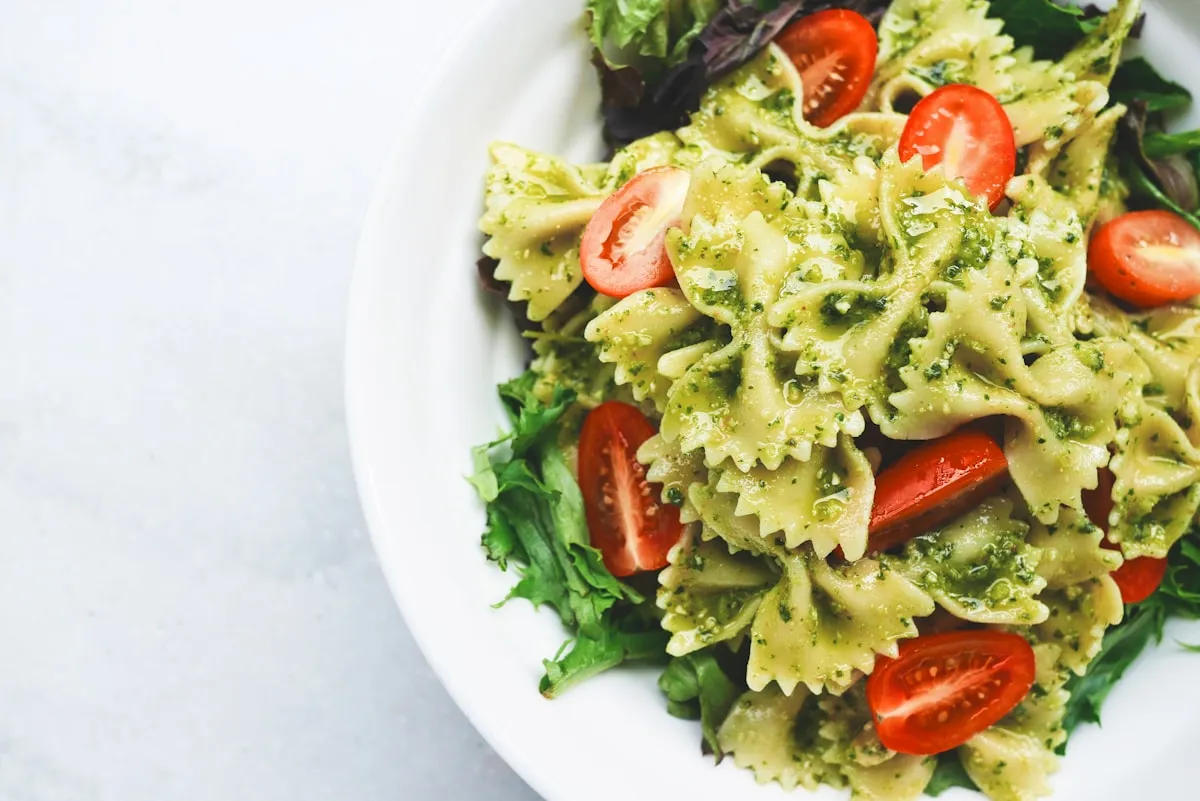
First, get your pan hot. I mean really hot. If the oil isn't shimmering, don't even think about putting that turkey in. Once the meat hits the pan, resist the urge to fiddle with it. Let it sit undisturbed for at least three to four minutes. This allows a crust to form, that golden-brown goodness is where all your flavor lives. If you stir it constantly, the meat releases moisture and ends up steaming in its own juices, leaving you with gray, sad-looking crumbles.
While your turkey is browning, let’s talk about "velveting." In professional kitchens, meat is often tossed in a tiny bit of cornstarch and liquid before hitting the heat. This creates a protective barrier that locks in moisture. For ground turkey, a light dusting of cornstarch or even a splash of chicken broth toward the end of the browning phase can work wonders. It keeps the protein tender while helping your sauce cling to every nook and cranny.
When it comes to the vegetables, timing is everything. Use high heat and move fast. You aren't looking to stew these veggies; you want them "crisp-tender." This means they should be bright, vibrant, and still have a definitive "snap" when you bite into them. Crowding the pan is the enemy of the stir-fry. If you have a mountain of vegetables, cook them in two batches. This ensures the heat stays high enough to sear the exterior rather than boiling the interior. Check your pan temperature frequently; if you see liquid pooling at the bottom, your heat is too low or your pan is too full. Turn it up and keep things moving!
Finally, integrate your aromatics, garlic and ginger, only at the very end. They contain high amounts of sugar and will burn if they spend more than a minute in a blazing-hot pan. Burnt garlic is bitter and will ruin the entire dish. Toss them in during the last 60 seconds, just until you can smell them, then immediately hit the pan with your liquid sauce to stop the intense frying process. This is the secret to 15 minute meals that taste like they took an hour of prep.
Stir-Fry Variations for Every Mood
One of the reasons I return to this dish when I need easy dinner recipes is its sheer versatility. You are not locked into a single flavor profile.
If you’re craving something with a kick, go for a Spicy Szechuan variation. Incorporate a spoonful of chili crisp or sambal oelek into your sauce and swap the bell peppers for snap peas and thinly sliced radishes. The heat from the chili cuts through the richness of the turkey perfectly.
For a Mediterranean twist, ditch the soy sauce and ginger. Instead, use lemon juice, dried oregano, and plenty of fresh parsley. Use zucchini, red onions, and cherry tomatoes as your vegetable base. The acidity of the lemon acts as a bright counterpoint to the savory turkey, making it feel light and refreshing.
If you’re leaning toward a "Sweet and Savory" vibe, use a base of coconut aminos and a touch of honey. Pair this with charred pineapple chunks and sliced carrots. The sugars in the pineapple will caramelize slightly in the hot pan, adding a complex depth that balances the saltiness of the sauce.
Perfect Side Dish Pairings
While this stir-fry is a powerhouse on its own, the right side dish can elevate it from a "quick fix" to a gourmet experience. Balance is the name of the game here.
If your stir-fry is heavy on the savory, salty side, pair it with something neutral and absorbent. Fluffy jasmine rice is the classic choice for a reason, it soaks up every drop of that flavor-packed sauce. For those looking for a lower-carb option, cauliflower rice is a fantastic substitute. Just make sure to sauté the cauliflower rice separately with a little lime juice to keep it from tasting bland.
Looking for more texture? Try serving the stir-fry over a bed of quinoa or even farro. The nutty, chewy grain adds a satisfying mouthfeel that complements the tender turkey and crunchy vegetables. If you want something even lighter, serve the entire mixture in large butter lettuce cups. The cool, crisp lettuce provides a refreshing temperature contrast to the hot stir-fry, making it an ideal choice for a summer dinner. You can find more inspiration for these types of pairings in our dinner category.
Common Questions & Troubleshooting
Why is my turkey stir-fry so watery?
This usually happens for one of two reasons: the pan wasn't hot enough or you overcrowded it. When you put too much cold food into a pan at once, the temperature drops instantly. Instead of searing, the food begins to release its internal moisture, resulting in a pool of liquid. Always use a large skillet or wok and cook in batches if necessary.
Can I use frozen vegetables for this?
Yes, but proceed with caution. Frozen vegetables hold a lot of excess water. If you throw them straight into the pan, they will steam rather than fry. To get the best results, thaw them completely and pat them dry with a paper towel before adding them to the pan. Increase the heat slightly to compensate for the moisture they will inevitably release.
How do I stop the turkey from tasting "funky"?
Ground turkey can sometimes have a very distinct, gamey aroma. The fix? Use plenty of aromatics and acid. Adding a splash of rice vinegar or lime juice at the end of the cooking process helps "brighten" the meat and neutralizes any heavy flavors. Don't be shy with the ginger and garlic; they are your best friends when working with lean poultry.
Is ground turkey healthier than ground beef?
Generally, yes, especially if you choose lean or extra-lean versions. It’s lower in saturated fat and calories while still providing a high-protein punch. This makes it a staple for anyone looking to build a library of quick healthy meals.
What if I don't have a wok?
Don't sweat it. A large cast-iron skillet or a heavy-bottomed stainless steel pan will work just fine. The goal is heat retention. Cast iron is actually superior to some cheap woks because it holds onto heat even when you add cold ingredients, ensuring that the sear continues uninterrupted. Check out our other quick meal guides for more tips on using basic kitchen gear for high-impact results.
{“@type”:”FAQPage”,”@context”:”https://schema.org”,”mainEntity”:[{“name”:”Why is my turkey stir-fry so watery?”,”@type”:”Question”,”acceptedAnswer”:{“text”:”This usually happens because the pan wasn’t hot enough or was overcrowded. When the pan temperature drops, food steams in its own juices instead of searing. Use a large pan and cook in batches to maintain high heat.”,”@type”:”Answer”}},{“name”:”Can I use frozen vegetables for this stir-fry?”,”@type”:”Question”,”acceptedAnswer”:{“text”:”Yes, but you must thaw and pat them dry first. Frozen vegetables contain extra moisture that can make the dish soggy if added directly to the pan without preparation.”,”@type”:”Answer”}},{“name”:”How do I keep ground turkey from becoming dry?”,”@type”:”Question”,”acceptedAnswer”:{“text”:”Use the Maillard reaction by letting the meat sear undisturbed, and consider ‘velveting’ the meat with a little cornstarch and broth to lock in moisture during high-heat cooking.”,”@type”:”Answer”}},{“name”:”Is turkey stir-fry a healthy dinner option?”,”@type”:”Question”,”acceptedAnswer”:{“text”:”Yes, lean ground turkey is a high-protein, lower-fat alternative to beef. When paired with high volumes of vegetables and a light sauce, it’s an excellent choice for a healthy meal.”,”@type”:”Answer”}}]}