Recipe
Servings
Servings 1×
Ingredients
- Chicken
- Shrimp
- Quinoa
- Bread
- Corn
- Avocado
- Tomatoes
- Garlic
- Lemon
- Balsamic vinegar
- Pesto
- Cooking oil
- Chili seasoning
- Salt
Method
- Keep your tomatoes on the counter and ensure they are at room temperature before you even think about slicing them.
- Use a sharp serrated knife to slice your tomatoes.
- Use a flaky sea salt for a textural crunch that contrasts with the soft cheese.
- Assemble and eat immediately.
- Pour a cup of balsamic vinegar into a small saucepan and simmer it over low-medium heat until it reduces by half.
- Let it cool completely before drizzling; it will thicken significantly as it drops to room temperature.
If you have five minutes and a handful of fresh ingredients, you have a gourmet meal. The Caprese salad is the ultimate "no-cook" champion, a dish that relies entirely on the quality of its components rather than the complexity of its execution. It is one of those timeless healthy dinner ideas that proves you don’t need a stove to eat like royalty. In my blog, we focus on making high-impact food with zero fluff, and this salad is the poster child for that philosophy. It’s vibrant, soulful, and remarkably sophisticated for something you can assemble while your kids are still looking for their shoes.
The Science of the Perfect Slice: Temperature and Texture
The difference between a "good" Caprese and a "life-changing" one lies in the science of your ingredients. First and foremost: stop putting your tomatoes in the fridge. When a tomato drops below 50°F (10°C), the enzymes responsible for creating those signature aromatic volatiles shut down permanently. You aren't just chilling the fruit; you are killing the flavor. Keep your tomatoes on the counter and ensure they are at room temperature before you even think about slicing them.
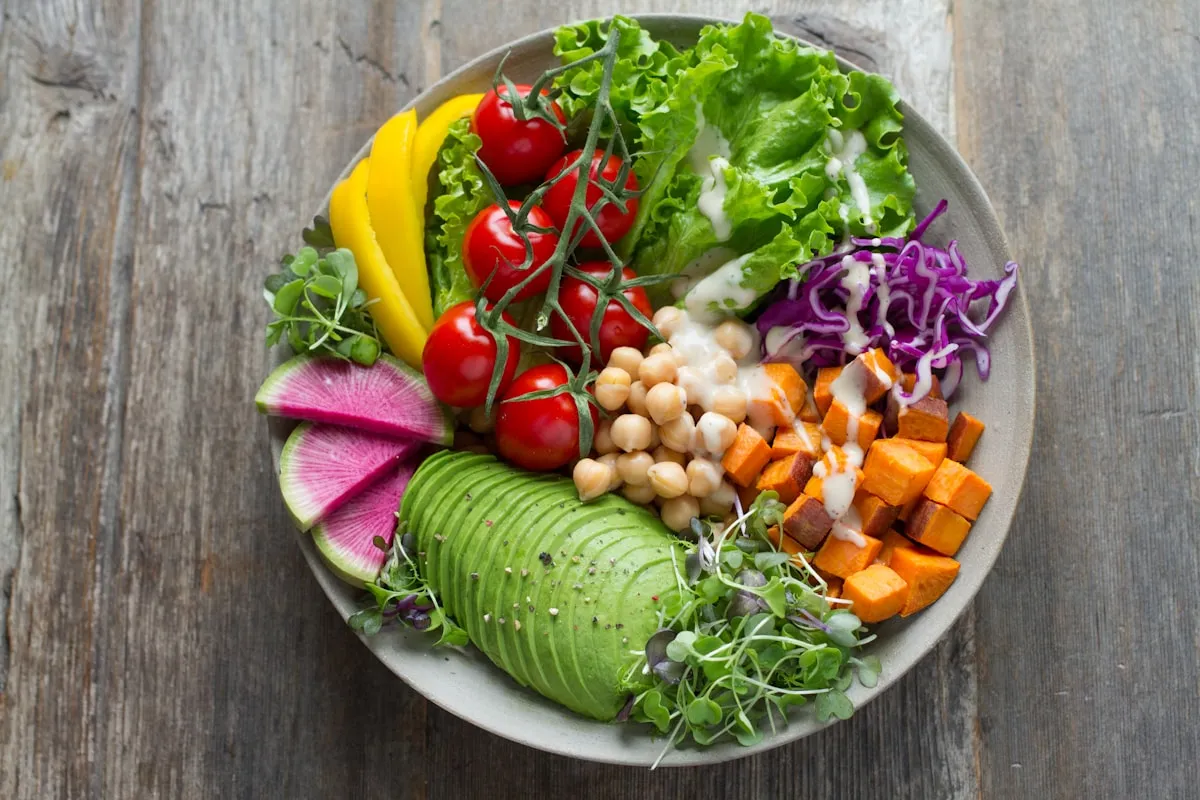
Use a sharp serrated knife to slice your tomatoes. A straight blade often requires more pressure, which can bruise the delicate flesh and squeeze out all that precious juice before it even hits the plate. Aim for slices that are about a quarter-inch thick: substantial enough to hold their shape but thin enough to meld with the cheese.
Speaking of cheese, let's talk about the mozzarella. While most people reach for the knife, I want you to try tearing it. Tearing the mozzarella creates irregular, craggy surfaces that are far better at "trapping" the olive oil and balsamic glaze than a flat, smooth-sliced surface. It’s a simple mechanical change that drastically improves the flavor-to-bite ratio. Just like the tomatoes, let your mozzarella sit out for 20 minutes before serving. Cold fat has a muted flavor; room-temperature fat is creamy, expressive, and rich.
Finally, consider the role of salt and osmosis. Salt is a hygroscopic substance, meaning it draws moisture out of whatever it touches. If you salt your tomatoes too early, you’ll end up with a puddle on your plate. However, if you salt them about 60 seconds before adding the oil, the salt dissolves into that first layer of tomato juice, creating a concentrated "brine" that seasons the entire salad from the inside out. Use a flaky sea salt for a textural crunch that contrasts with the soft cheese.
Beyond the Classic: Creative Variations
While the trio of tomato, basil, and mozzarella is sacred, there’s plenty of room to play if you want to turn this into one of your go-to quick family meals. The goal is always balance: matching the acidity of the tomato with something creamy or sweet.
- The Stone Fruit Swap: In the peak of summer, replace half of your tomatoes with sliced peaches or nectarines. The floral sweetness of the fruit plays beautifully against the peppery bite of the basil. This is a fantastic way to introduce more vitamins and fiber without losing that classic profile.
- The Grains Addition: If you need more staying power, serve your Caprese over a bed of warm quinoa or farro. The grains soak up the mixture of tomato water, olive oil, and balsamic, turning the "leftover" liquid into a built-in dressing.
- The Protein Boost: For a more substantial healthy dinner idea, add some paper-thin slices of prosciutto or even some grilled shrimp. The saltiness of the cured meat provides a savory counterpoint to the sweet balsamic glaze.
- The Fat Factor: If your tomatoes aren't quite at their peak, add thin slices of avocado between the layers. The extra healthy fats provide a buttery mouthfeel that compensates for a slightly less-juicy tomato.
What to Serve on the Side
A Caprese salad is light, so pairing it with the right side dish is essential for a satisfying meal. Think about textures: you have soft cheese and juicy tomatoes, so you need something with a crunch or a heavy hit of protein.
Crusty Bread is Non-Negotiable. You are going to have a mixture of oil, balsamic, and tomato juice at the bottom of your plate. It is a culinary crime to let that go to waste. A toasted ciabatta or a sourdough baguette is the perfect tool for "scarpetta": the Italian art of mopping up the sauce.
For a fuller dinner, look toward your other appliances. I often pair this salad with air fryer recipes dinner favorites like lemon-herb chicken breast or quick garlic sausages. The air fryer provides that crispy exterior that balances the salad’s softness without the mess of deep frying. If you're looking for quick family meals, a rotisserie chicken from the store plus this salad is a 10-minute dinner that tastes like a weekend feast.
Your Caprese Questions Answered
Why does my salad always turn into a watery mess?
This usually happens for two reasons: poor drainage or premature salting. If you are using "wet" mozzarella (the kind that comes in a tub of liquid), pat it dry with a paper towel before tearing. More importantly, don't let the salad sit. The longer the salt sits on the tomatoes, the more juice it draws out. Assemble and eat immediately.
Can I make the balsamic glaze myself?
Absolutely, and it’s better than the store-bought stuff which often contains thickeners and corn syrup. Pour a cup of balsamic vinegar into a small saucepan and simmer it over low-medium heat until it reduces by half. It should coat the back of a spoon. Let it cool completely before drizzling; it will thicken significantly as it drops to room temperature.
Is it okay to use dried basil if I can't find fresh?
No. Avoid dried basil here at all costs. The magic of Caprese is the volatile oils in fresh basil leaves. Dried basil tastes like dust in this context. If you can't find fresh basil, use a dollop of high-quality jarred pesto or even some fresh mint for a different, but still fresh, flavor profile.
What is the best type of mozzarella to use?
Look for "Mozzarella di Bufala" (buffalo mozzarella) if you want the gold standard. It’s creamier and more flavorful than cow's milk mozzarella (fior di latte). If you're on a budget or looking for something leaner, a standard fresh mozzarella ball works perfectly well, just ensure it’s the "fresh" kind found in the specialty cheese section, not the low-moisture blocks used for pizza.
How do I prevent my basil from turning black?
Basil is incredibly sensitive to oxidation. When you cut it with a metal knife, the cells are crushed and the enzymes react with the air, causing the leaves to bruise and darken. To keep your basil bright green, tear the leaves by hand at the very last second. If you must slice them, use a very sharp ceramic knife and do a single "chiffonade" cut rather than chopping back and forth.
{“@type”:”BlogPosting”,”image”:”https://cdn.marblism.com/Y8wa00bPBKX.webp”,”author”:{“name”:”Penny”,”@type”:”Person”},”@context”:”https://schema.org”,”headline”:”Quick Healthy Caprese Salad with Balsamic Glaze”,”publisher”:{“logo”:{“url”:”https://cdn.marblism.com/r31hCYxu5lk.webp”,”@type”:”ImageObject”},”name”:”Cookpedia”,”@type”:”Organization”},”description”:”Learn the science behind the perfect Caprese salad, including tips on temperature, texture, and the perfect balsamic glaze for a quick healthy dinner.”,”datePublished”:”2026-07-11″,”mainEntityOfPage”:{“@id”:”https://cookpedia.com/quick-healthy-caprese-salad-balsamic-glaze”,”@type”:”WebPage”}}