Recipe
Servings
Servings 1×
Cook 10 min
Ingredients
- Chickpeas
- Pasta
- Tortillas
- Bread
- Carrots
- Spinach
- Greens
- Tomatoes
- Onion
- Lemon
- Tahini
- Cooking oil
- Salt
Method
- Let them sit for five minutes while you get your other ingredients ready.
- Pat them dry with a clean kitchen towel.
- Start with a foundation of dry, leafy greens: think spinach or sturdy romaine.
- Spread your thick hummus on top of the greens, then nestle your "osmosed" veggies into the hummus.
- Heat and Depth If you find your wraps a bit one-note, look to your spice cabinet.
We’ve all been there: it’s 1:00 PM, your stomach is growling, and you have exactly fifteen minutes before your next meeting or school pickup. You want something that doesn't feel like a compromise: a lunch that is soulful, vibrant, and actually keeps you full. Enter the hummus and veggie wrap. It is the king of quick healthy meals because it requires zero cooking, relies on pantry staples, and delivers a crunch that’ll wake up your brain. But don't be fooled by its simplicity; there is a fine art to preventing the dreaded soggy bottom.
The Architecture of a Non-Soggy Wrap
The biggest mistake you can make with a vegetable wrap is ignoring the laws of physics: specifically, osmosis. Vegetables like cucumbers and tomatoes are essentially water balloons with a thin skin. When you slice them and hit them with a pinch of salt (or the salt naturally present in your hummus), that water wants to escape. If it escapes inside your tortilla, you’re eating a soggy mess.
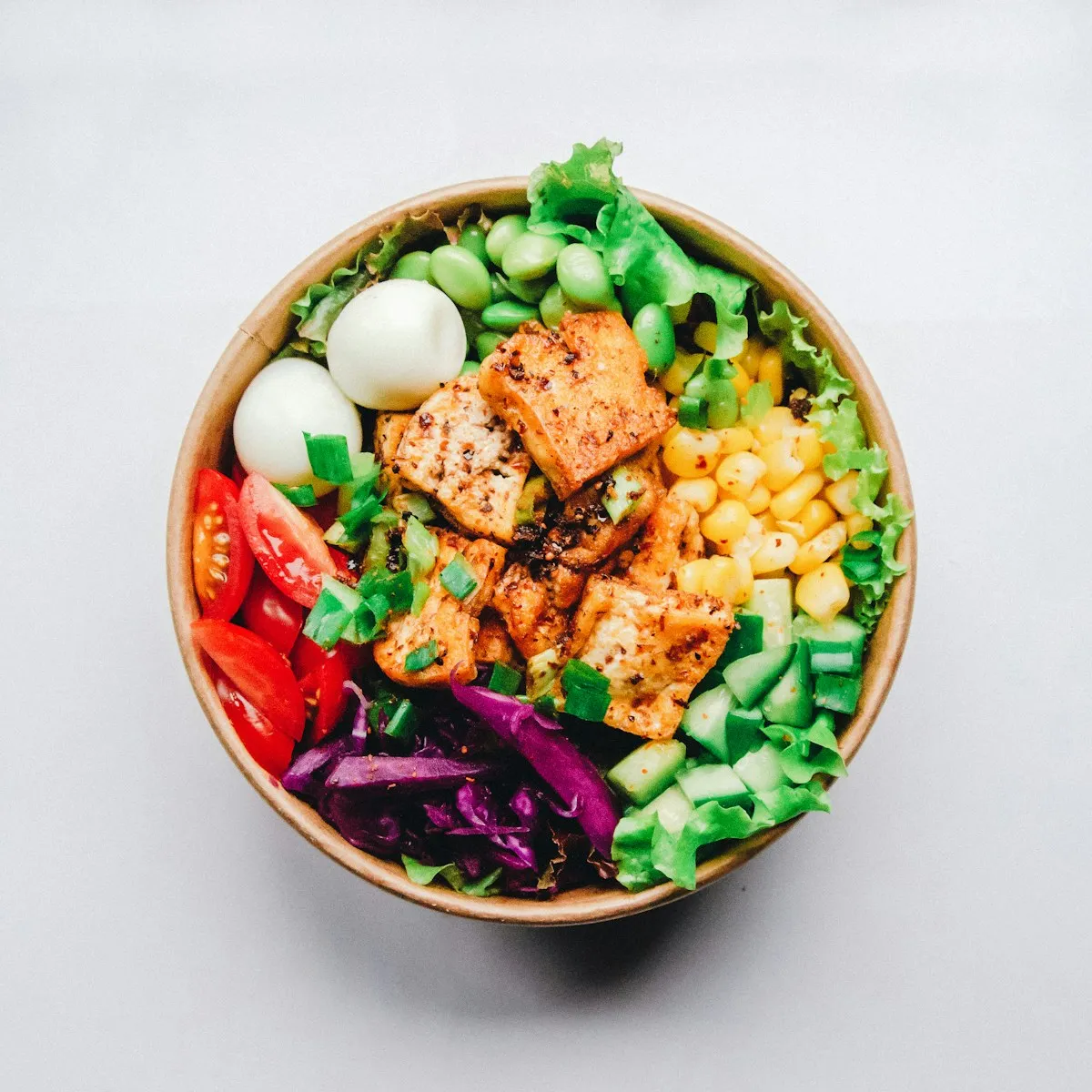
Master the Osmosis Hack
Use a colander. Before you even touch your wrap, slice your high-water vegetables (cucumbers, peppers, or cabbage) and give them a very light sprinkle of salt. Let them sit for five minutes while you get your other ingredients ready. You’ll see beads of water forming on the surface. Pat them dry with a clean kitchen towel. By drawing out this "free water" early, you ensure the crunch stays in the vegetable rather than migrating into your bread. This is a non-negotiable step if you’re planning to pack this for later.
The Viscosity Rule
Your hummus acts as the "edible glue" for the entire operation. If your hummus is too runny, it will act as a lubricant, making your veggies slide right out the back of the wrap. You want a high-viscosity hummus: thick enough to hold a peak. If you’re making your own as part of your budget friendly recipes rotation, go easy on the aquafaba (chickpea liquid) or water. A thicker spread creates a moisture barrier that protects the tortilla from the damp vegetables.
Structural Layering
Avoid putting wet ingredients in direct contact with the tortilla. Start with a foundation of dry, leafy greens: think spinach or sturdy romaine. These act as a physical shield. Spread your thick hummus on top of the greens, then nestle your "osmosed" veggies into the hummus. The hummus anchors the veggies, and the greens protect the wrap. It’s a simple engineering fix that makes these the perfect quick family meals for busy weeknights when you just can't deal with a mess.
Flavor Variations for the Soulful Cook
Once you have the structure down, you can play with the soul of the dish. A basic wrap is fine, but a brilliant wrap balances fat, acid, and heat.
The Acid Kick
Hummus is rich and creamy thanks to the tahini and olive oil. To make the flavors pop, you need acidity. A squeeze of fresh lemon juice over the veggies is good, but pickled red onions or a few chopped pepperoncinis are better. That sharp hit of vinegar cuts through the density of the chickpeas and makes every bite feel brighter.
Texture Upgrades
We’ve already secured the crunch from the raw veggies, but adding a secondary texture like toasted sunflower seeds or hemp hearts adds a nutty depth that transforms a simple lunch into something restaurant-quality. If you’re looking for more healthy dinner ideas, don't be afraid to add leftover roasted chickpeas from the night before for a double-hit of protein and a satisfying chew.
Heat and Depth
If you find your wraps a bit one-note, look to your spice cabinet. A smear of Harissa or a drizzle of Sriracha on top of the hummus adds a slow-burn heat. If you prefer something more aromatic, a sprinkle of Za'atar or Everything Bagel seasoning directly onto the hummus before you add the veggies will provide a savory "pop" that lingers.
Perfect Side Dish Pairings
Even though this wrap is a powerhouse on its own, pairing it correctly can turn a light snack into a full-blown feast. The goal here is balance. Since the wrap is creamy and crunchy, your side should offer a contrast in temperature or a different kind of acidity.
Check out my arugula power salad for a peppery side that complements the earthy chickpeas perfectly. The bitterness of the arugula is the ideal foil for the sweetness of shredded carrots and bell peppers inside the wrap.
If you’re in the mood for something warm, a quick bowl of broth-based soup works wonders. Alternatively, if you're leaning into the budget friendly recipes lifestyle, a handful of salty olives and some sliced radishes offer a Mediterranean-style platter vibe without any extra cooking time. For those days when you need even more speed, you might even pair this with a 10-minute pasta for a high-energy "big lunch" day.
Frequently Asked Questions
Why does my wrap always crack when I roll it?
This is a temperature and moisture issue. Most store-bought tortillas are slightly dry and lose their elasticity as they sit on the shelf. To fix this, briefly warm your wrap in a dry skillet for 10 seconds per side or wrap it in a damp paper towel and microwave it for 15 seconds. The heat relaxes the gluten and the steam rehydrates the starches, making it pliable enough to roll without snapping.
Can I use frozen vegetables if I'm in a rush?
Avoid this if you're eating the wrap cold. Frozen vegetables have already had their cell walls compromised by ice crystals. When they thaw, they release all their moisture at once, which will lead to an instant "soggy bottom" scenario regardless of your layering technique. Stick to fresh, crisp produce for wraps. If you only have frozen, sauté them first to evaporate the excess water, but let them cool before adding them to the hummus.
How long will these keep in the fridge?
If you follow the "osmosis hack" and the "leafy green barrier" method, these can last up to 24 hours. However, for the absolute best experience, I recommend prepping your veggies and hummus in containers and assembling the wrap right before you eat. It takes less than two minutes to assemble once the prep is done, making it one of the most reliable quick healthy meals in your repertoire.
What is the best type of wrap to use?
For structural integrity, a flour-based tortilla (whole wheat or white) is the most resilient. Corn tortillas are too brittle for a heavy veggie load. If you are gluten-free, look for wraps made from cassava or almond flour, but be extra diligent about warming them first, as they tend to be less flexible than traditional wheat.
My hummus tastes bland, how do I fix it?
Add more salt and more acid. Most store-bought hummus is under-seasoned to appeal to a wide audience. Stir in a teaspoon of lemon juice and a pinch of cumin or smoked paprika before spreading it. It’s a 10-second fix that completely changes the soul of the dish.
{“@type”:”BlogPosting”,”image”:[“https://cdn.marblism.com/yAkBmf_zuyS.webp”,”https://cdn.marblism.com/3891vcVdkMT.webp”,”https://cdn.marblism.com/JtlPF7cSfIM.webp”,”https://cdn.marblism.com/PBmKJlOEwph.webp”],”author”:{“url”:”https://cookpedia.com”,”name”:”Penny”,”@type”:”Person”},”@context”:”https://schema.org”,”headline”:”Quick Healthy 15-Minute Hummus & Veggie Wrap”,”keywords”:”quick healthy meals, budget friendly recipes, hummus wrap, 15 minute meals”,”publisher”:{“logo”:{“url”:”https://cookpedia.com/logo.png”,”@type”:”ImageObject”},”name”:”Cookpedia”,”@type”:”Organization”},”mainEntity”:[{“name”:”Why does my wrap always crack when I roll it?”,”@type”:”Question”,”acceptedAnswer”:{“text”:”Tortillas lose elasticity over time. Warm your wrap in a dry skillet or microwave it in a damp paper towel for 15 seconds to relax the gluten and rehydrate the starches.”,”@type”:”Answer”}},{“name”:”Can I use frozen vegetables?”,”@type”:”Question”,”acceptedAnswer”:{“text”:”Frozen vegetables have compromised cell walls that release too much moisture. For cold wraps, fresh is best. If using frozen, sauté them first to evaporate water and let them cool before assembly.”,”@type”:”Answer”}}],”description”:”Learn the science of the perfect non-soggy hummus and veggie wrap. A quick, healthy, and budget-friendly 15-minute meal guide for busy home cooks.”,”datePublished”:”2026-06-14″,”articleSection”:”Recipes”,”mainEntityOfPage”:{“@id”:”https://cookpedia.com/quick-healthy-15-minute-hummus-veggie-wrap”,”@type”:”WebPage”}}