Recipe
Servings
Servings 1×
Ingredients
- Chicken
- Black beans
- Beans
- Rice
- Bread
- Greens
- Corn
- Cucumber
- Avocado
- Apple
- Onion
- Garlic
- Lemon
- Lime
- Honey
- Mustard
- Feta
- Cooking oil
Method
- Let’s be real: your hunger doesn't care that you just spent nine hours staring at a spreadsheet.
- Use a heavy skillet: cast iron is king here because it holds onto heat like a grudge.
- Use a paper towel and press down firmly.
- Use a teaspoon of Dijon mustard or a drop of honey.
- Whisk your acid and emulsifier first, then slowly drip in your oil while whisking like your life depends on it.
- Add some briny olives, crumbled feta, and use lemon juice and oregano in your vinaigrette.
Let’s be real: your hunger doesn't care that you just spent nine hours staring at a spreadsheet. When the "hangry" hits, you need a win that doesn’t involve a delivery fee or a microwave tray. This 15-minute chicken and avocado salad is that win. It’s soulful, fresh, and surprisingly filling. I’m talking about juicy, seared chicken meeting the buttery goodness of a ripe avocado. It’s the ultimate low-effort, high-reward move for your kitchen repertoire. Ready to reclaim your evening? Let’s get to it.
The Science of the 15-Minute Sear
Speed in the kitchen isn't about moving your hands faster; it’s about understanding thermodynamics. If you throw a whole, thick chicken breast into a pan, you’re looking at a twenty-minute wait and a high risk of "rubbery-outside, raw-inside" syndrome. To nail these quick family meals, you have to manipulate the surface area.
Surface Area and Even Cooking
The first rule of 15-minute chicken is the "butterfly" or the "cutlet." By slicing your chicken breast horizontally into two thin pieces, you double the surface area and halve the thickness. This allows the heat to penetrate the center almost as fast as it sears the outside. Use a heavy skillet: cast iron is king here because it holds onto heat like a grudge. When that thin cutlet hits the hot metal, the Maillard reaction (that beautiful browning) happens instantly.
The Moisture Barrier
Dry your chicken. I cannot stress this enough. If your chicken is damp when it hits the oil, the heat has to evaporate that water before it can start browning the meat. This results in "steamed" chicken, which is grey, sad, and tough. Use a paper towel and press down firmly. Once it’s bone-dry, season it aggressively. Salt doesn't just add flavor; it helps break down proteins on the surface to create a better crust.
The Emulsion Engine
A salad is only as good as its dressing, and a "broken" dressing is just oily leaves. The science here is simple: you’re trying to force oil and acid (like lemon juice or vinegar) to hold hands. Left alone, they hate each other. To make them stick, you need an emulsifier. Use a teaspoon of Dijon mustard or a drop of honey. These ingredients have molecules with one "water-loving" end and one "oil-loving" end. They act as the glue. Whisk your acid and emulsifier first, then slowly drip in your oil while whisking like your life depends on it. You’ll end up with a creamy, stable dressing that actually clings to your avocado.
Flavor Shifts and Fresh Variations
Once you master the base: seared protein plus creamy fat: the world is your pantry. This isn't just about one salad; it’s a template for healthy dinner ideas that never get boring.
The Mediterranean Power Move
Swap the standard greens for a mix of arugula and parsley. Add some briny olives, crumbled feta, and use lemon juice and oregano in your vinaigrette. The saltiness of the feta acts as a perfect counterpoint to the rich, mild avocado. If you're feeling fancy, throw in a handful of toasted pine nuts for a crunch that echoes the sear on the chicken.
The Tex-Mex Twist
Think of this as a deconstructed taco but better for you. Use lime juice and a pinch of cumin in your dressing. Mix in some rinsed black beans and charred corn (the frozen kind works great if you toss it in the pan after the chicken). The avocado here isn't just a topping; it’s the creamy "cool down" for any spice you add to the chicken.
The Keto Crunch
If you’re leaning into high-fat, low-carb living, double down on the avocado and add some toasted pumpkin seeds (pepitas). Use an apple cider vinegar base for your dressing to keep things sharp. The goal here is "satiety": the protein and healthy fats work together to tell your brain you’re done eating, preventing that 9 PM pantry raid.
Perfect Pairings: Balancing the Bowl
While this salad is a powerhouse on its own, sometimes you want a little something extra on the side to round out the experience. The key is to find textures and temperatures that contrast with the cold salad and the warm chicken.
The Warmth Factor
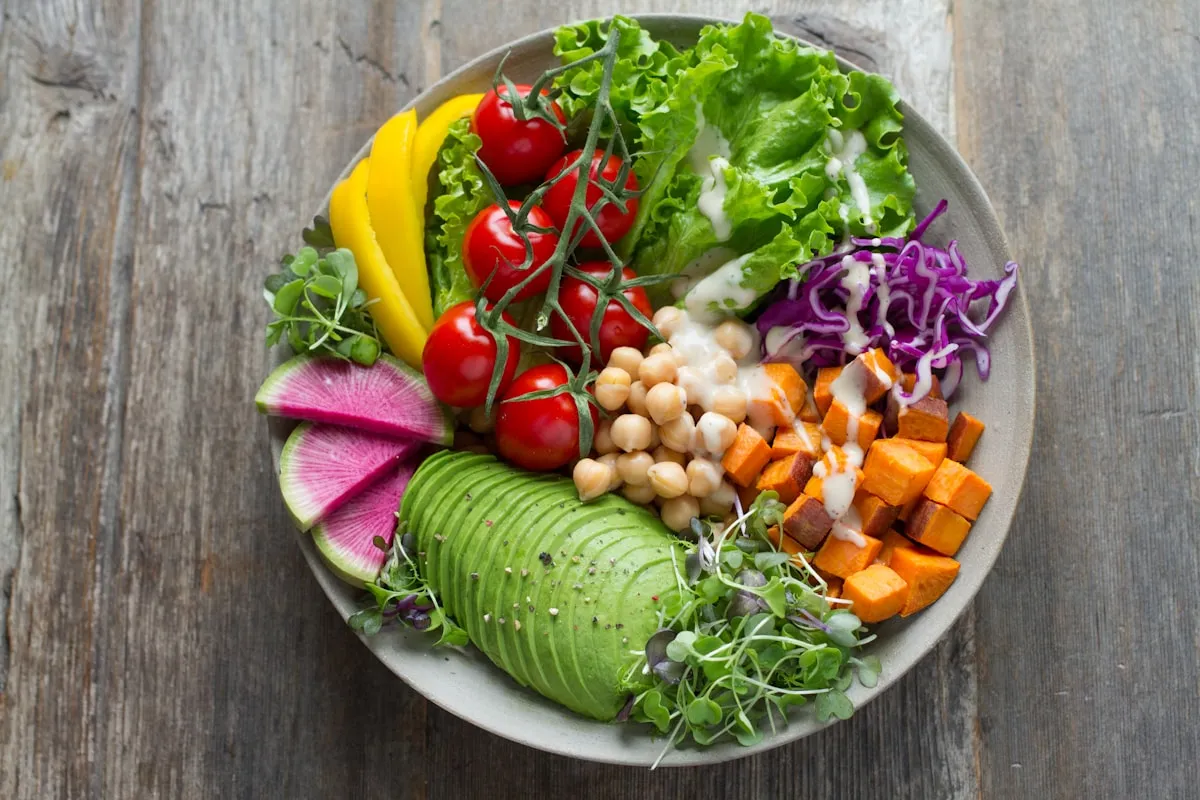
A small side of air fryer recipes dinner staples, like roasted sweet potato cubes or a quick garlic bread, can turn this from a "light lunch" into a "soul-satisfying dinner." The warmth of a roasted veggie balances the crisp, cold greens perfectly.
Acidity and Crunch
If your salad feels too "heavy" because of the avocado and chicken, you need acidity. Serve it with a side of quick-pickled red onions or a chilled cucumber salad with rice vinegar. The sharp tang cuts through the fat of the avocado and cleanses your palate between bites.
Texture Play
Think about a handful of high-quality crackers or a toasted sourdough slice rubbed with a raw garlic clove. Having something truly crunchy to alternate with the creamy avocado and tender chicken keeps your taste buds engaged.
Troubleshooting Your 15-Minute Feast
Why is my chicken always dry?
You’re likely overcooking it out of fear. Because we’re using thin cutlets, they only need about 3-4 minutes per side. Check the internal temperature: you’re aiming for 165°F (74°C), but pull it off the heat at 160°F. The "carryover cooking" will finish the job while the meat rests. If you cut into it immediately, all the juice runs out. Let it sit for 3 minutes. Patience is a flavor.
My avocado is a brown mess. What happened?
Oxygen is the enemy. Once you slice an avocado, the enzyme polyphenol oxidase reacts with the air. To prevent this in your salad, toss your avocado chunks in a little bit of your acidic dressing immediately after cutting. The acid slows down the browning process, keeping your salad looking like a professional photo shoot rather than a science experiment.
How do I make this even faster?
Use the "jar method" for your dressing. Instead of whisking in a bowl, put all your dressing ingredients in a small mason jar and shake it like a Polaroid picture. It emulsifies in seconds and you can store the leftover dressing right in the jar. Also, buy pre-washed greens. Life is too short to spin lettuce when you’re hungry.
Can I use frozen chicken?
Technically yes, but not for a 15-minute meal. Thawing takes time, and cooking from frozen usually results in a weird texture and uneven browning. If you’re in a rush, look for "thinly sliced" fresh breasts at the store to skip the butterflying step entirely.
Why does my salad get soggy?
You’re probably dressing it too early. Salt in the dressing draws water out of the greens (osmosis!). Only toss the salad right before you’re ready to sit down. If you’re meal prepping, keep the dressing in a separate container and add the avocado last.
{“@type”:”BlogPosting”,”image”:”https://cdn.marblism.com/output/hero-chicken-avocado-salad.webp”,”author”:{“name”:”Penny”,”@type”:”Person”},”@context”:”https://schema.org”,”headline”:”Quick Healthy 15-Minute Chicken & Avocado Salad”,”publisher”:{“logo”:{“url”:”https://cookpedia.com/logo.png”,”@type”:”ImageObject”},”name”:”Cookpedia”,”@type”:”Organization”},”articleBody”:”Let’s be real: your hunger doesn’t care that you just spent nine hours staring at a spreadsheet… [rest of the article content]”,”description”:”Learn the science behind a perfectly seared chicken and avocado salad in just 15 minutes. Quick, healthy, and soulful dinner tips for busy home cooks.”,”datePublished”:”2026-06-14″}