Recipe
Servings
Servings 1×
Ingredients
- Chicken
- Steak
- Tofu
- Rice
- Cauliflower
- Broccoli
- Cucumber
- Avocado
- Garlic
- Fresh ginger
- Peanut butter
- Butter
- Cooking oil
- Chili seasoning
- Black pepper
Method
- Use a combination of cornstarch and a little bit of oil to coat your thinly sliced beef.
- Use a high-smoke-point oil like avocado or peanut oil.
- Sear the beef in a single layer.
- Let it sit for at least 60 seconds to develop that beautiful brown crust.
- Use a two-stage approach.
- Stir-fries are best eaten fresh because the broccoli will continue to soften as it sits in the sauce.
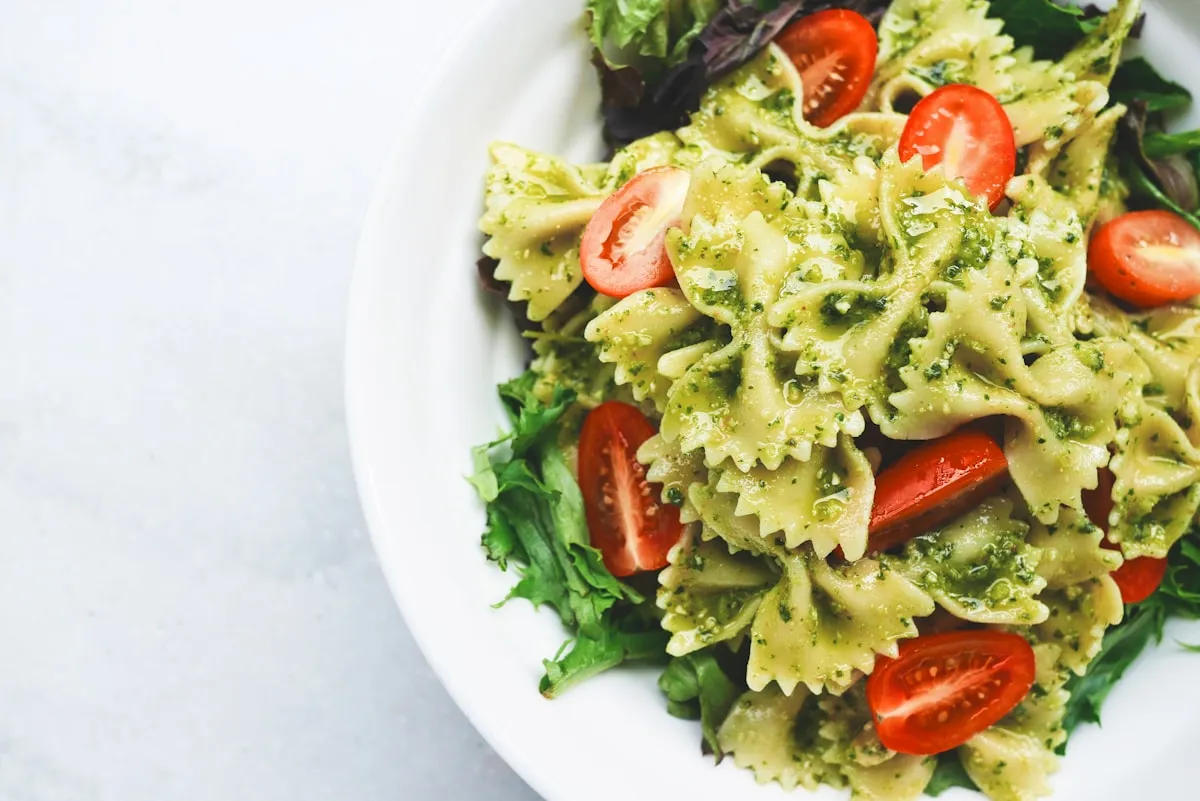
You know that feeling when you come home after a long day and the last thing you want to do is spend an hour over a hot stove? I get it. That’s why I’m obsessed with the quick beef and broccoli stir-fry. It is the ultimate weeknight savior. It’s faster than delivery, way better for you, and honestly, it tastes like a professional chef snuck into your kitchen while you were checking your email.
The Chemistry of Tenderness: The Art of Velveting
If you’ve ever wondered why restaurant beef is so incredibly soft while your home-cooked version sometimes feels like chewing on a leather belt, I have the answer for you: velveting. This isn't just a fancy word; it’s a biological hack for your meat. When you velvet beef, you are essentially creating a physical and chemical barrier that protects the delicate protein fibers from the aggressive heat of the pan.
Use a combination of cornstarch and a little bit of oil to coat your thinly sliced beef. The cornstarch acts as a sacrificial layer. Instead of the heat immediately tightening the muscle fibers and squeezing out all the juice, it hits the starch first. This creates a microscopic "gel" that locks moisture inside. For an even more scientific approach, add a tiny pinch of baking soda. This raises the pH level on the surface of the meat, making it harder for the proteins to bond tightly together. The result? Beef that practically melts in your mouth.
Mastering the Maillard Reaction and Wok Hey
To get that deep, savory flavor, you need to understand the Maillard reaction. This is the chemical dance between amino acids and reducing sugars that happens around 285°F to 330°F. If your pan isn't hot enough, your beef will just gray and steam in its own juices. That is a culinary tragedy you want to avoid.
Check your pan temperature before the meat even touches the surface. Use a high-smoke-point oil like avocado or peanut oil. When the oil just starts to shimmer and show a tiny wisp of smoke, that’s your cue. Sear the beef in a single layer. Resist the urge to stir it immediately! Let it sit for at least 60 seconds to develop that beautiful brown crust. This is where all the "umami" lives.
While you might not have a commercial-grade jet burner at home, you can still mimic "wok hey", the breath of the wok. Cook in small batches. If you crowd the pan, the temperature drops instantly, moisture releases, and you lose that precious sear. Think of this as one of those quick family meals that relies on speed and heat rather than long simmering times. Keeping the temperature high ensures your broccoli stays vibrant and snappy instead of turning into a mushy, olive-drab mess.
Broccoli Precision and Moisture Management
Broccoli is basically a giant sponge for sauce, but it’s also mostly water. If you throw raw broccoli into a pan with beef, the beef will overcook before the broccoli stems are tender. Use a two-stage approach. Blanch your broccoli florets in boiling water for exactly sixty seconds, then plunge them into ice water. This "sets" the chlorophyll, keeping them bright green, and softens the tough cellulose in the stalks.
When you finally toss the broccoli back into the pan with the beef and sauce, it only needs a minute to soak up the flavors. Avoid adding too much liquid sauce at once. The goal is a glossy coating, not a soup. If the sauce looks too thin, let the heat reduce it until it clings to the back of a spoon. This technique is what transforms a simple stir-fry into one of the best healthy dinner ideas in your repertoire.
Flavor Variations and Profile Shifts
The beauty of a stir-fry is that it’s a blank canvas for your cravings. If you want to take a walk on the spicy side, add sliced Fresno chilies or a spoonful of chili crisp during the last thirty seconds of cooking. The heat from the chilies cuts through the richness of the beef perfectly.
For those looking for a keto-friendly or lower-carb version, swap the cornstarch for arrowroot powder or just skip the starch altogether and focus on a very hard sear. You can also replace the traditional soy-based sauce with coconut aminos for a soy-free alternative that brings a natural sweetness to the dish.
If you aren't in the mood for beef, this technique works perfectly with chicken breast or even firm tofu. If using tofu, press it for at least twenty minutes beforehand to remove excess water. This allows the Maillard reaction to occur on the tofu's surface, giving you those crispy, golden edges that make stir-fries so addictive.
Perfect Side Dish Pairings for Balance
A great stir-fry needs a partner to soak up that liquid gold sauce. Steamed jasmine rice is the classic choice because its subtle floral aroma complements the ginger and garlic in the sauce. However, if you’re looking for a lighter touch, cauliflower rice is an excellent alternative.
To add a refreshing contrast to the warm, savory beef, serve a cold smashed cucumber salad on the side. The acidity from the rice vinegar and the crunch of the cucumber provide a necessary palate cleanser between bites of rich beef.
If you're really short on time and want to explore other cooking methods, you could even look into air fryer recipes dinner enthusiasts love. While you wouldn't "stir-fry" in an air fryer, roasting the broccoli in one while you sear the beef on the stove can save you some serious pan space. If you like that approach, check out our Air Fryer Sausage and Pepper Medley for more high-heat inspiration.
Stir-Fry FAQ: Solving Common Kitchen Blunders
Why is my beef tough even after I followed the steps?
Check the "grain" of your meat. Always slice beef against the grain, perpendicular to the muscle fibers. If you slice with the grain, you're leaving long, stringy fibers that are impossible to chew. Also, ensure you are using a tender cut like flank steak, skirt steak, or tri-tip.
Can I make this ahead of time for meal prep?
Yes, but with a warning. Stir-fries are best eaten fresh because the broccoli will continue to soften as it sits in the sauce. If you must meal prep, undercook the broccoli slightly. When you reheat it in the microwave or a pan, it will reach the perfect texture instead of becoming mush.
My sauce turned into a thick, gloopy mess. What happened?
You likely used too much cornstarch or let the sauce boil for too long. Cornstarch thickens as it reaches a simmer. If it gets too thick, add a splash of beef broth or water one tablespoon at a time to thin it back out. Remember, the sauce should be a glaze, not a gravy.
Do I really need a wok?
Nope. A heavy-bottomed stainless steel or cast iron skillet works just fine. The key is surface area and heat retention. Cast iron is actually fantastic for stir-frying at home because it holds onto heat much better than thin non-stick pans. For more skillet-heavy inspiration, you might enjoy our Kielbasa and Pierogi Air Fryer Roast, which uses similar high-heat principles.
Can I use frozen broccoli?
You can, but proceed with caution. Frozen broccoli has already been blanched, meaning its cell walls are weakened. It also carries a lot of surface moisture. Thaw it completely and pat it dry before adding it to the pan, or you’ll end up steaming your beef instead of searing it.
What if I don't have fresh ginger or garlic?
While fresh is king for that sharp, aromatic punch, you can use the jarred pastes in a pinch. Avoid using dried powder for a stir-fry; it simply won't provide the same depth of flavor or the essential oils needed to perfume the oil. If you love big garlic flavors, you have to try our Viral Garlic Butter Ramen Hack.
Why is my stir-fry watery at the bottom of the bowl?
This usually happens if you didn't dry your vegetables properly or if you overcrowded the pan. Moisture is the enemy of a good sear. Always pat your beef and broccoli dry with a paper towel before they hit the heat. Any extra water will just dilute your sauce and turn your "fry" into a "boil."