Recipe
Servings
Servings 1×
Ingredients
- Chickpeas
- Beans
- Greek yogurt
- Bread
- Carrots
- Cucumber
- Apple
- Tomatoes
- Onion
- Lemon
- Tahini
- Cream
- Feta
- Butter
- Cooking oil
- Salt
Method
- Use canned chickpeas for speed, but don't just dump them in cold.
- Heat them in a skillet until they start to "pop" and develop a slightly crispy exterior.
- Season them while they are still screaming hot in the pan.
- Use a clean kitchen towel to pat them bone-dry.
- Use a high-quality vinegar.
- Keep whisking and add a tablespoon of room-temperature water at a time.
We’ve all been there: standing in front of an open fridge at 6:00 PM, wondering if a bowl of cereal counts as a balanced dinner. Spoiler: it doesn't have to be that way. My philosophy has always been that "quick" shouldn't mean "boring," and "soulful" shouldn't require three hours of simmering. This Mediterranean chickpea bowl is the holy grail of quick healthy meals. It’s bright, it’s crunchy, and it hits that sweet spot between effortless prep and a high-impact flavor profile that makes you feel like a kitchen genius in record time.
The Science of the "Acid-Richness Seesaw"
To master 15 minute meals, you need to understand one fundamental rule of culinary physics: the balance of acidity and richness. In this bowl, we’re dealing with a lot of heavy hitters. You have the creamy, nutty fat from the chickpeas (especially if you finish them with a hit of olive oil), the salty richness of feta cheese, and perhaps a dollop of thick hummus or Greek yogurt. Without a counterpoint, your palate gets "fatigued": the food starts to taste heavy and one-dimensional.
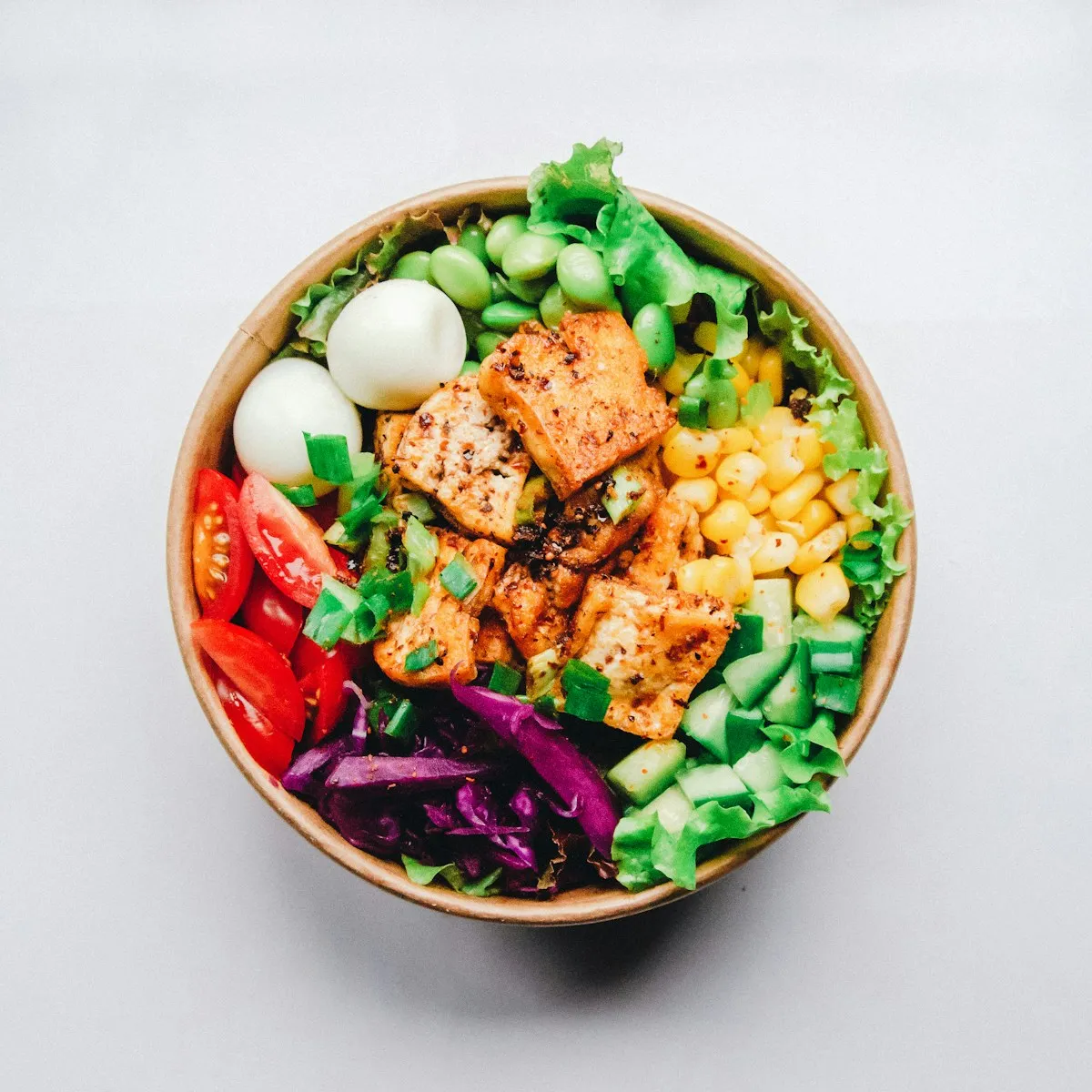
This is where the magic of acidity comes in. When you hit this bowl with a massive squeeze of fresh lemon juice or a splash of red wine vinegar, you aren't just adding "sourness." You are chemically cutting through the fat molecules on your tongue. Acidity stimulates saliva production, which literally "washes" the palate clean between bites, making the next mouthful of creamy feta taste just as vibrant as the first. Always aim for a ratio of roughly one part acid to three parts fat. If your bowl tastes "flat" or "dull," don't reach for the salt first: reach for a lemon.
Texture is the second pillar of a successful quick bowl. Use canned chickpeas for speed, but don't just dump them in cold. Heat them in a skillet until they start to "pop" and develop a slightly crispy exterior. This creates a Maillard reaction: a chemical transformation of proteins and sugars that produces deep, savory flavors you won't get from a raw bean. Season them while they are still screaming hot in the pan. The heat causes the spices to "bloom" in the oil, intensifying their aromatic compounds.
Avoid overcrowding your pan. If the chickpeas are piled on top of each other, they will steam instead of sear. You want them in a single layer, dancing in a bit of high-quality oil. This small extra step is the difference between a sad desk lunch and a soulful dinner. If you're looking for more ways to use high-heat efficiency, check out our air fryer recipes dinner guide for similar texture-focused hacks.
Mastering the Flavor Variations
Once you understand the acid-richness balance, you can start playing with the "vibe" of your bowl. For a classic Greek-inspired version, lean heavily on dried oregano and a sharp, briny feta. The high salt content of the feta means you can push the acidity even further; try adding pickled red onions or a few capers. The sharpness of the pickles acts as a brilliant high note against the earthy chickpeas.
If you’re craving something more "North African" in spirit, swap the oregano for a heavy dusting of za'atar or cumin. Instead of feta, use a thick tahini-based sauce. Tahini is incredibly rich and slightly bitter, so it demands a massive amount of lemon to keep it in check. I often find that a tahini-heavy bowl needs nearly double the lemon of a yogurt-based one.
For those searching for healthy dinner ideas that are strictly plant-based, omit the cheese and double down on the "umami" elements. Sun-dried tomatoes or even a spoonful of nutritional yeast can provide that savory "soul" that cheese usually brings. The goal is always to have something crunchy (cucumber/chickpeas), something creamy (hummus/tahini), and something punchy (lemon/vinegar). Balance these, and the recipe almost takes care of itself.
Perfect Side Dish Pairings
While this bowl is a complete meal on its own, adding a small, thoughtful side can elevate the entire experience. If you have five extra minutes, toast some pita bread triangles until they are just starting to stiffen. The warm, soft interior of the bread is the perfect vessel for scooping up the rogue chickpeas and extra hummus at the bottom of the bowl.
For a bit of temperature contrast, pair your bowl with a simple, warm side of air-fried vegetables. Something with a natural sweetness: like charred bell peppers or roasted carrots: provides a lovely bridge between the savory chickpeas and the cool, fresh cucumbers. If you need inspiration for fast sides, our collection of 15 minute meals has plenty of ideas that won't blow your prep schedule.
Soulful Cooking FAQ
Why do my chickpeas stay soft instead of getting crispy?
Water is the enemy of the crunch. If your chickpeas are still damp from the can when they hit the oil, the water will turn to steam, and you’ll end up with a mushy bean. Use a clean kitchen towel to pat them bone-dry. Also, check your oil temperature; it needs to be shimmering. If it's not hot enough, the chickpeas will just soak up the grease like a sponge.
Can I use dried chickpeas for this?
You can, but you lose the "15-minute" magic. Dried chickpeas require an overnight soak and a long simmer. If you're a meal prepper, by all means, cook a giant batch of dried beans on Sunday. But for a Tuesday night win, high-quality canned chickpeas are a non-negotiable shortcut that delivers 90% of the flavor with 10% of the effort.
What if I don't have fresh lemons?
Use a high-quality vinegar. Red wine vinegar or apple cider vinegar are the best swaps here. Avoid plain white distilled vinegar; it's too aggressive and lacks the complex fruity notes needed for Mediterranean quick healthy meals.
My sauce turned into a thick paste when I added lemon. What happened?
This usually happens with tahini. It’s a phenomenon called "seizing," where the liquid causes the solids in the nut butter to clump together. Don't panic. Keep whisking and add a tablespoon of room-temperature water at a time. It will eventually smooth out into a beautiful, pourable cream. It’s just a bit of kitchen chemistry in action.
Is this bowl good for meal prep?
Absolutely, but keep the "wet" and "dry" components separate. Keep your crisped chickpeas and grains in one container and your chopped cucumbers and tomatoes in another. If you mix them too early, the salt in the feta and the acid in the dressing will draw the moisture out of the veggies, leaving you with a soggy bowl the next day. Assemble just before you eat to keep that soulful crunch alive. For more ideas on efficient evening cooking, dive into our healthy dinner ideas for busy professionals.
{“@type”:”BlogPosting”,”image”:”https://cdn.marblism.com/YuUn9H3Dy86.webp”,”author”:{“name”:”Cookpedia Writer”,”@type”:”Person”},”@context”:”https://schema.org”,”headline”:”Quick 15-Minute Mediterranean Chickpea Bowl”,”keywords”:”quick healthy meals, 15 minute meals, air fryer recipes dinner, healthy dinner ideas”,”publisher”:{“logo”:{“url”:”https://cookpedia.com/logo.png”,”@type”:”ImageObject”},”name”:”Cookpedia”,”@type”:”Organization”},”description”:”Discover the science of balancing acidity and richness in this quick 15-minute Mediterranean chickpea bowl. Perfect for busy weeknights and soulful healthy eating.”,”datePublished”:”2026-06-15″,”articleSection”:”Recipes”}