Recipe
Servings
Servings 1×
Ingredients
- Greek yogurt
- Bread
- Butter
- Cooking oil
Method
- Use a thick, full-fat Greek yogurt if you want the most dramatic results.
- Fold the wet ingredients into the dry ingredients using a spatula, and let the mixture sit for about five minutes while your pan heats up.
- Use a neutral oil or a tiny bit of butter, and flip only when the bubbles on the surface stay open.
If you’re anything like me, your mornings are a tactical exercise in speed and caffeine consumption. You want the fluffy, cloud-like comfort of a diner breakfast, but you have exactly fifteen minutes before the world demands your full attention. Enter my secret weapon: the Greek yogurt pancake. These aren't your typical flat, sad discs of flour. We’re talking about a high-protein, tangy, and impossibly thick stack that fits perfectly into your rotation of quick family meals. They are the ultimate "real food" hack for busy humans who refuse to compromise on flavor.
The Science of the Sizzle: Why Yogurt Wins
The magic of these pancakes isn’t just in the taste; it’s in the chemistry. Traditional pancakes rely on buttermilk for that signature tang and lift, but Greek yogurt is the overachieving cousin that brings even more to the table. Because Greek yogurt is strained, it’s packed with concentrated milk proteins and lactic acid. When that acid hits a leavening agent like baking soda, it triggers an immediate chemical reaction, releasing carbon dioxide bubbles. These bubbles are what give you that glorious rise.
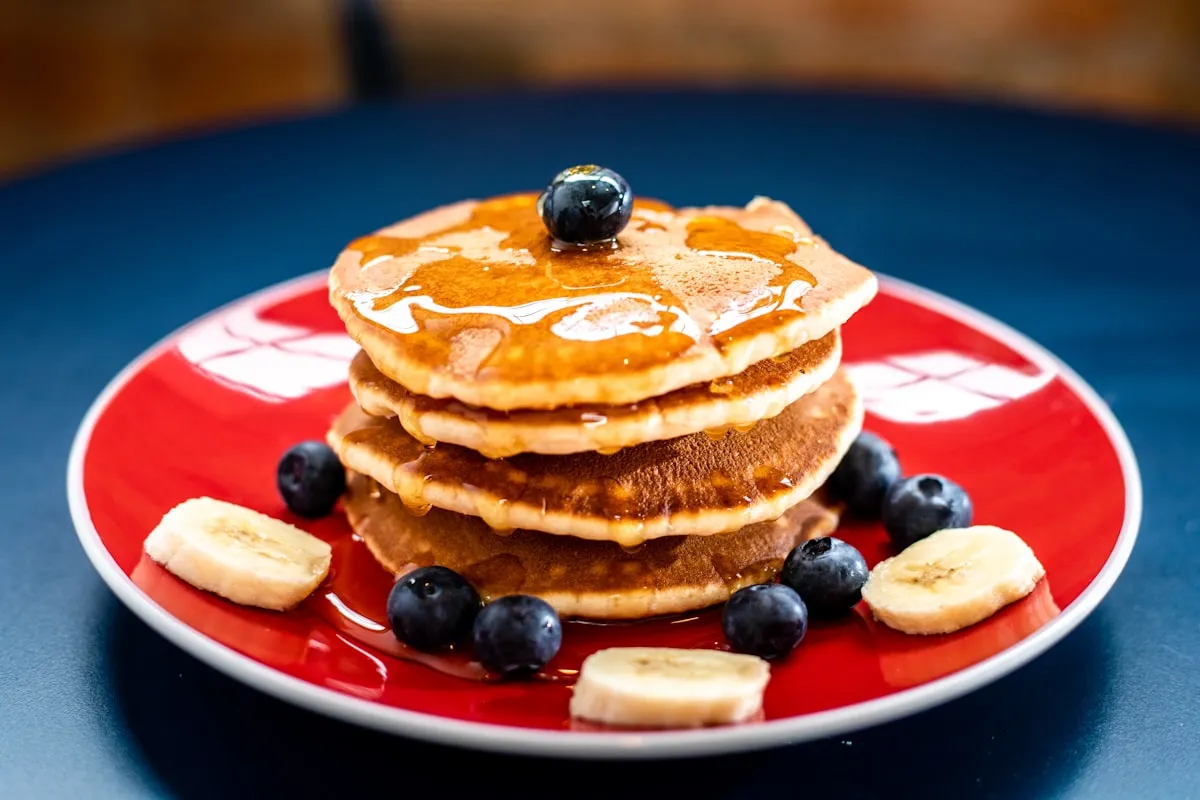
Use a thick, full-fat Greek yogurt if you want the most dramatic results. The viscosity of the yogurt is crucial; it creates a thicker batter that traps those CO2 bubbles more effectively than thin milk-based batters. Think of it as building a stronger house for the air to live in. If your batter is too runny, the air escapes, and you end up with crepes (which are fine, but we’re here for the fluff).
Another non-negotiable is the "no-mix" rule. Stop whisking the second the large streaks of flour disappear. You want lumps. Lumps are your friends. Over-mixing develops gluten, the protein responsible for the chew in bread. In a pancake, excess gluten turns your breakfast into a rubbery puck. Treat your batter with the gentleness of a sleeping toddler. Fold the wet ingredients into the dry ingredients using a spatula, and let the mixture sit for about five minutes while your pan heats up. This short rest allows the flour to hydrate and the leavening reaction to stabilize, ensuring every pancake is as airy as the first.
Preheat your skillet over medium heat, not high. A common mistake in the quest for healthy dinner ideas (yes, breakfast for dinner is a lifestyle) is cranking the heat to save time. This just burns the exterior while leaving the inside raw and gooey. A drop of water should sizzle and dance across the surface before you even think about adding your batter. Use a neutral oil or a tiny bit of butter, and flip only when the bubbles on the surface stay open.
Variations: Beyond the Basic Stack
Once you’ve mastered the base, you can start getting creative. The beauty of a yogurt-based batter is its structural integrity; it can handle add-ins without collapsing. If you're looking for quick family meals that satisfy everyone, try tossing in a handful of fresh blueberries or dark chocolate chips.
For a nutty, more "soulful" vibe, swap a third of your all-purpose flour for oat flour or whole wheat. The yogurt provides enough moisture to keep these heartier grains from feeling dry. If you’re feeling bold, go savory. Leave out the sugar and vanilla, and fold in some chives and a pinch of black pepper. Top them with a fried egg and a dash of hot sauce for a sophisticated brunch that takes zero extra effort.
You can even experiment with the yogurt itself. While I swear by plain Greek yogurt for its versatility, a honey-flavored or vanilla yogurt can add an extra layer of sweetness if you’re planning to skip the syrup. Just keep an eye on the sugar content, as flavored yogurts can caramelize, and burn, faster in the pan.
Perfect Pairings: Balancing the Plate
A heavy stack of pancakes needs a little zip to wake up the palate. I always recommend pairing these with something high in acidity to cut through the richness of the yogurt and butter. A simple fruit salad with a squeeze of lime or a few slices of tart kiwi works wonders.
If you're serving these as part of a larger spread, think about contrasting textures. While your pancakes are fluffing up, you can whip up some air fryer recipes dinner style, like crispy bacon or breakfast sausages, which add that necessary salty crunch. A cold glass of orange juice or a sharp, black coffee provides the perfect bitter/acidic counterpoint to the creamy, soft interior of the pancakes.
Troubleshooting Your Batch: The FAQ
What if my batter is too thick to pour?
Greek yogurt brands vary wildly in moisture content. If your batter looks more like dough than pancake mix, whisk in a tablespoon of milk at a time until it reaches a "slow-flow" consistency. It should drop off a spoon in a thick clump, not run like water.
Can I use regular yogurt instead of Greek?
Avoid this if you want thick pancakes. Regular yogurt has a much higher water content (whey) and lower protein. If you must use it, strain it through a coffee filter for 20 minutes first, or reduce the amount of milk you add to the recipe.
Why are my pancakes raw in the middle?
Your pan is too hot. High heat sears the outside before the internal proteins have a chance to set. Turn the heat down to medium-low and be patient. If you’re in a rush for healthy dinner ideas, remember that a few extra minutes on the stove saves you from eating raw batter.
Do I really need baking soda and baking powder?
Yes. The baking powder provides the general lift, but the baking soda is what reacts with the lactic acid in the yogurt. They are a team; don't break them up.
Can I make the batter ahead of time?
I wouldn't recommend it. The chemical reaction between the yogurt and the leaveners starts the moment they touch. If the batter sits in the fridge overnight, it will lose its "oomph," and you’ll end up with much flatter pancakes. If you’re truly pressed for time, mix your dry ingredients the night before and just whisk in the wet stuff when you wake up.
{“@type”:”BlogPosting”,”image”:[“https://cdn.marblism.com/xsGMF4o4Upz.webp”,”https://cdn.marblism.com/W9f3ICgQblI.webp”,”https://cdn.marblism.com/WpeNrDiTBdf.webp”,”https://cdn.marblism.com/NHF1rrjQT5Y.webp”],”author”:{“name”:”Penny”,”@type”:”Person”},”@context”:”https://schema.org”,”headline”:”Quick 15-Minute Greek Yogurt Pancakes”,”publisher”:{“logo”:{“url”:”https://cdn.marblism.com/KxroJ1kM_KA.webp”,”@type”:”ImageObject”},”name”:”Cookpedia”,”@type”:”Organization”},”description”:”Learn the science and technique behind the perfect 15-minute Greek yogurt pancakes. High protein, fluffy, and incredibly easy for busy mornings.”,”datePublished”:”2026-06-18″,”mainEntityOfPage”:{“@id”:”https://cookpedia.com/quick-15-minute-greek-yogurt-pancakes”,”@type”:”WebPage”}}