Recipe
Servings
Servings 1×
Ingredients
- Lentils
- Potatoes
- Sweet potatoes
- Cauliflower
- Carrots
- Mushrooms
- Onion
- Balsamic vinegar
- Soy sauce or tamari
- Salt
- Black pepper
Method
- Prepare the ingredients described in the article and heat the cooking surface or oven as directed.
- Cook the main ingredients using the heat and timing guidance in the article.
- Finish with the seasonings and garnishes named in the article, then serve.
There is something undeniably primal about a shepherd's pie. It’s the culinary equivalent of a weighted blanket, sturdy, warm, and capable of making even the most chaotic Tuesday feel like a Sunday afternoon. While the traditional version relies on ground meat, I’ve found that red lentils are the unsung heroes of the plant-based world. They don't just mimic the texture; they soak up flavor in a way that makes you forget you’re eating "healthy dinner ideas" and instead makes you feel like you’re winning at life.
If you’re looking for quick family meals that don’t require a culinary degree or a three-hour window, you’ve hit the jackpot. This dish is about efficiency without sacrificing the deep, savory "soul" of a slow-cooked meal. We’re going to look at why red lentils are your best friend and how to get that perfect, craggy, golden-brown potato crust that everyone fights over.
The Science of Flavor and Texture
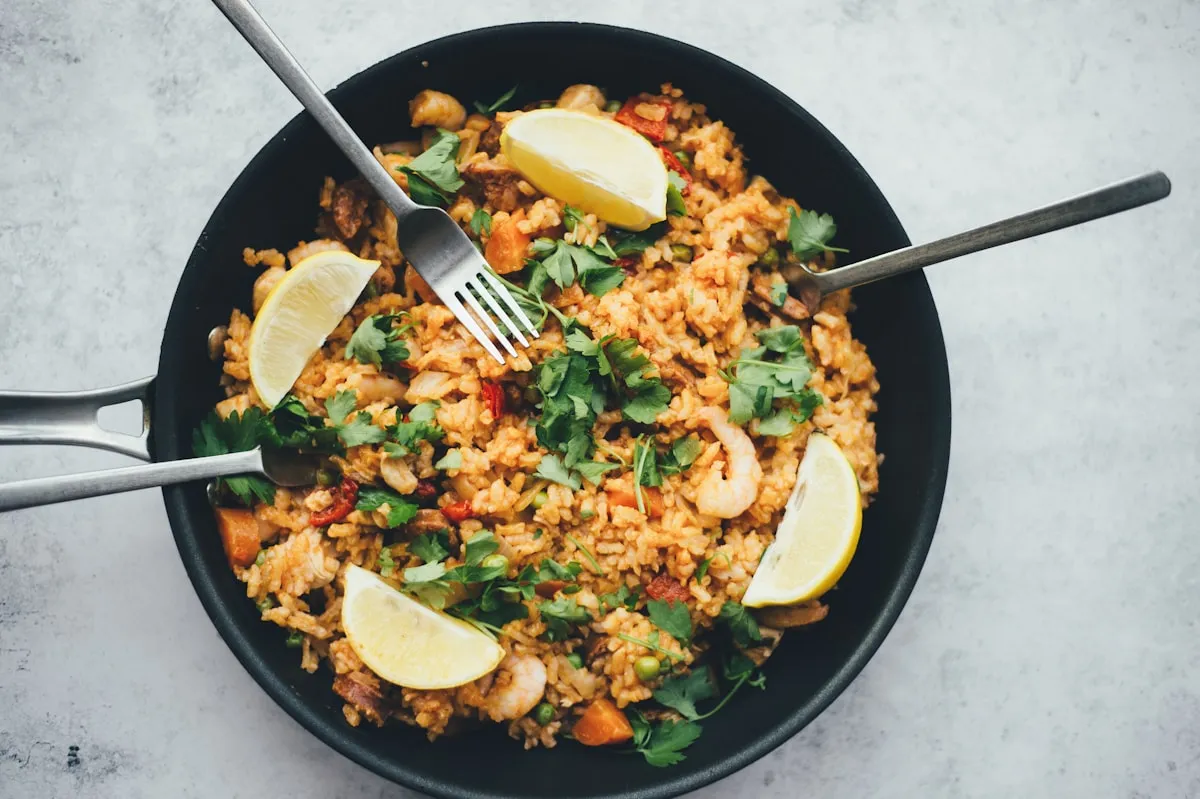
Building a plant-based masterpiece requires a bit more than just tossing things into a pan. You have to understand the Maillard reaction. This is the chemical dance between amino acids and reducing sugars that happens when you brown your vegetables. When you start your base, don’t just soften your onions and carrots, actually brown them. Let those edges get a little dark and caramelized. This creates the savory foundation that lentils, which are naturally a bit earthy and sweet, desperately need to feel "meaty."
Treat your tomato paste with the same respect. Never just stir it in at the end. Push your vegetables to the side, drop the paste directly onto the hot surface of the pan, and cook it for two or three minutes until it turns a deep, brick-red color. This process, known as "pincé," removes the raw metallic taste and unlocks a concentrated umami punch. It’s the difference between a flat, one-dimensional filling and one that tastes like it’s been simmering for hours.
Now, let's talk about the lentils themselves. Red lentils are unique because they break down much faster than their green or brown cousins. However, the secret to a great shepherd's pie is stopping the clock before they turn into a literal mush. Aim for an "al dente" lentil. They should be tender enough to eat but still hold their shape. Remember, they will continue to cook and absorb moisture while they’re in the oven. If they are already a puree when you put them in, you’ll end up with a soggy base that collapses under the weight of the potatoes.
Speaking of potatoes, the science of the topping is all about surface area. When you spread your mashed potatoes over the filling, do not smooth it out. Use a fork to create as many ridges, peaks, and valleys as possible. Why? Because physics. The higher the surface area, the more exposure to the direct heat of your oven. Those little peaks will brown and crisp up through the Maillard reaction while the valleys stay soft and creamy. It’s a textural contrast that is non-negotiable.
Check your seasoning early and often. Since lentils are high in fiber and protein, they can absorb a surprising amount of salt and acid. A splash of balsamic vinegar or a hit of soy sauce at the very end of the filling process can brighten the entire dish. The acidity cuts through the starchiness of the potatoes and the richness of the lentils, making every bite feel balanced rather than heavy.
Creative Variations for Your Pie
The beauty of this recipe is its adaptability. While I love the classic potato topping, you can easily swap it out to fit different dietary needs or flavor profiles. If you’re looking for a lower-glycemic option, try a 50/50 mix of cauliflower and potato. The cauliflower adds a subtle nuttiness and lightens the overall feel of the dish without losing that essential "mash" consistency.
For those who want a bit more sweetness, sweet potato makes an incredible crust. The sugars in sweet potatoes caramelize even more beautifully than white potatoes, giving you a deeply charred, flavorful top. Just be sure to add a little pinch of cayenne pepper to the sweet potato mash to balance out the sugar with a tiny bit of heat.
If you’re feeling adventurous, experiment with your protein. While this is a red lentil star, adding finely chopped walnuts or mushrooms can introduce a different kind of chew. Mushrooms, in particular, bring a heavy dose of natural glutamates, which skyrocket the savory factor. You can even use your air fryer recipes dinner knowledge to pre-roast some mushrooms until they are crispy before folding them into the lentil mix for an extra texture bomb.
Side Dish Pairings for Balance
Because a shepherd's pie is so rich and hearty, your side dishes need to do some heavy lifting in the freshness department. Avoid anything overly starchy, you’ve already got the potato situation covered. Instead, focus on "bright" and "bitter."
A massaged kale salad with a heavy lemon-tahini dressing is my go-to. The bitterness of the kale and the zing of the lemon act as a palate cleanser between bites of the rich pie. Alternatively, a simple plate of roasted Brussels sprouts with a drizzle of balsamic glaze provides a nice crunch that contrasts the soft textures of the main dish.
If you want something even simpler, a quick slaw made with shredded cabbage, apple cider vinegar, and a touch of honey works wonders. The goal is to provide a "snap" of acidity that wakes up your taste buds. This balance is what turns a good meal into one of those healthy dinner ideas you’ll actually want to repeat every week.
Frequently Asked Questions
Why is my shepherd's pie filling so watery?
This usually happens for two reasons: either the lentils weren't drained enough or the vegetable base had too much residual moisture. To fix this, ensure you simmer the filling uncovered for the last few minutes before topping it with potatoes. You want the liquid to reduce until it’s thick and glossy, coating the lentils like a rich gravy. If it looks like soup in the pan, it will be soup in the oven.
Can I use green or brown lentils instead?
You can, but the vibe changes. Green and brown lentils hold their shape much more firmly. This results in a "chunkier" pie that feels more like a stew with a hat on. Red lentils are preferred here because they partially break down, creating a natural gravy that binds the vegetables together, creating that cohesive "pie" texture we’re after.
How do I stop the potato layer from sinking into the lentils?
This is a common frustration. The trick is to let your filling cool slightly for 5-10 minutes before you add the potato layer. This allows the filling to "set" a bit. When you do add the potatoes, start by placing small dollops around the edges and then fill in the center. Gently spread them with the back of a spoon rather than pushing down hard.
Can I make this ahead of time?
Absolutely. In fact, like many stews and casseroles, the flavors often improve the next day. You can assemble the entire pie, let it cool completely, and keep it in the fridge for up to two days before baking. Just keep in mind that a cold pie will need an extra 10–15 minutes in the oven to heat through to the center.
Is it possible to freeze this dish?
Yes, shepherd's pie freezes remarkably well. I recommend freezing it after assembly but before the final bake. Wrap it tightly with foil and plastic wrap to prevent freezer burn. When you’re ready to eat, you can bake it straight from frozen: just add about 20-30 minutes to the total bake time and keep it covered with foil for the first half of the process so the top doesn't burn before the middle is hot.
For more simple and soulful meals, check out our full collection at Cookpedia. Happy cooking!