Recipe
Servings
Servings 1×
Ingredients
- Tofu
- Pasta
- Noodles
- Rice
- Zucchini
- Greens
- Cucumber
- Lime
- Peanut butter
- Butter
- Cooking oil
- Soy sauce or tamari
- Sesame
- Salt
- Black pepper
Method
- Let’s talk about why your homemade peanut sauce sometimes looks like a broken, oily mess while the restaurant version is a glossy dream.
- Use room-temperature or slightly warm liquids.
- Whisk your base liquids, like the vinegar and soy sauce, first, then slowly drizzle in your peanut butter while whisking constantly.
- Add your lime juice at the very end.
- Keep it fresh, keep it stable, and keep it glossy.
- Use rice noodles for an authentic feel, but be careful not to overcook them.
If you are looking for plant-based dinner ideas that don't taste like sad, wilted cardboard, you’ve landed in the right kitchen. My Vegan Thai Peanut Noodle Bowl is the ultimate weeknight hero, a perfect marriage of silky noodles, crunchy veggies, and a sauce so addictive you’ll want to drink it with a straw. It is one of those quick family meals that satisfies everyone from the picky toddler to the skeptical carnivore, all while keeping things light and fresh.
The Science of the Sauce: Emulsification and Balance
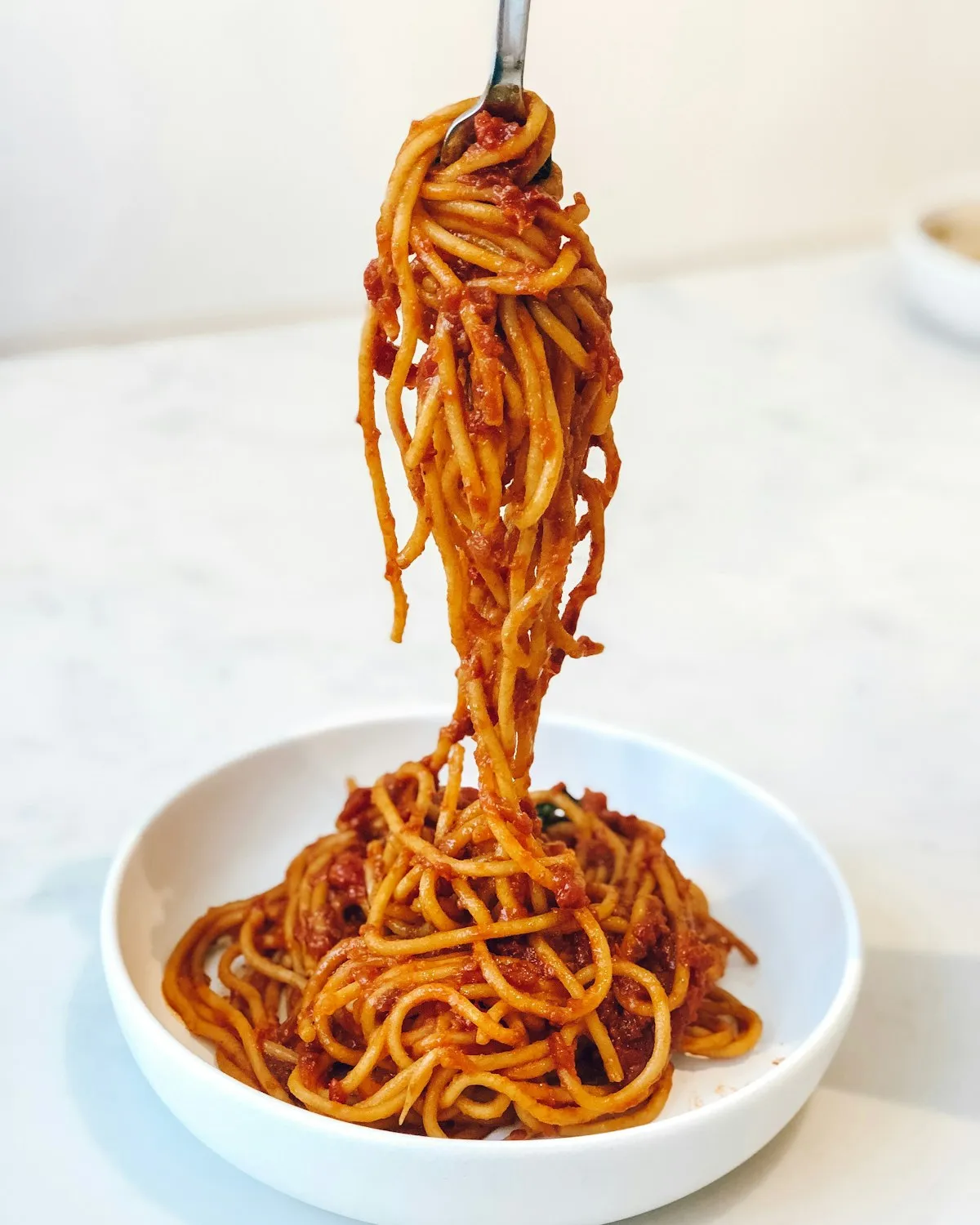
Let’s talk about why your homemade peanut sauce sometimes looks like a broken, oily mess while the restaurant version is a glossy dream. It all comes down to the science of emulsification. A peanut sauce is a mixture of two things that generally hate each other: fats (from the peanut butter and oils) and water-based liquids (lime juice, soy sauce, and water). To get them to play nice, you need to treat them with a little respect.
First, understand the role of peanut proteins. Natural peanut butter contains proteins and lecithin that act as emulsifiers. These molecules have one end that loves water and one end that loves fat, allowing them to bridge the gap and hold the sauce together. When you are whisking your sauce, you are providing mechanical energy to break the oil into tiny droplets that these proteins can then surround and stabilize.
Temperature is your next non-negotiable. Avoid using boiling water or adding cold ingredients to a hot pan. Extreme temperature shocks can cause the proteins to denature and the emulsion to "break," resulting in that gritty, separated look. Use room-temperature or slightly warm liquids. If you find your sauce is thickening too much as it sits, don't just dump in cold water; whisk in a tablespoon of warm water at a time until you reach that perfect "ribboning" consistency.
Lastly, pay attention to the order of operations. Whisk your base liquids, like the vinegar and soy sauce, first, then slowly drizzle in your peanut butter while whisking constantly. This "fat-into-water" method creates a much finer and more stable emulsion than trying to stir liquid into a thick glob of peanut butter. Add your lime juice at the very end. The acid in lime can lower the pH and potentially destabilize the sauce if added too early to a warm mixture. Keep it fresh, keep it stable, and keep it glossy.
Mastering the Texture and Crunch
A great noodle bowl is all about the contrast between the soft noodles and the snap of fresh vegetables. When searching for healthy dinner ideas, texture is often the missing ingredient that leaves people feeling unsatisfied.
Use rice noodles for an authentic feel, but be careful not to overcook them. Stop a minute before they look "done," as they will continue to soften once they hit the warm sauce. If you prefer more bite, wheat-based udon or even whole-wheat spaghetti can work, though they change the flavor profile significantly. Check the starch content of your noodles; if they seem overly gummy, give them a quick rinse under cold water to remove excess surface starch before tossing them with the sauce. This prevents the bowl from turning into a giant, sticky clump.
Treat your vegetables like the stars they are. Avoid boiling them into oblivion. Instead, use a very quick high-heat sauté or even keep them raw and julienned for maximum crunch. The heat from the noodles is often enough to "wilt" thin slices of bell pepper or cabbage just enough without losing their structural integrity. This keeps your quick family meals vibrant and nutritionally dense.
Delicious Variations for Every Palate
If you want to switch things up, this recipe is incredibly forgiving. For those who need a kick, swap out a portion of the peanut butter for spicy almond butter or add a generous squeeze of Sriracha. If you are watching your sugar intake, use a bit of mashed dates or a splash of orange juice as a natural sweetener instead of maple syrup.
For a gluten-free version, ensure you are using tamari or coconut aminos instead of traditional soy sauce. If you aren't a fan of peanuts, sunflower seed butter provides a surprisingly similar creamy texture with an earthy, nut-free flavor. You can also turn this into a "Zoodle" bowl using spiralized zucchini for a lower-carb option, though I recommend serving those cold to prevent the zucchini from releasing too much water and diluting your beautiful emulsion.
Perfect Side Dish Pairings
While this bowl is a meal on its own, adding a high-protein side can take it to the next level. My absolute favorite pairing is crispy tofu. If you are exploring air fryer recipes dinner options, this is where they shine.
Check out our air fryer recipes dinner section for more inspiration on how to get that perfect crunch without the deep fryer. Toss your tofu in a little cornstarch and a dash of salt before air frying at 400°F (200°C) for about 15 minutes. The result is a golden, crispy exterior that acts like a sponge for the peanut sauce.
You could also serve this alongside a fresh cucumber salad dressed with rice vinegar and sesame seeds to provide a cooling, acidic contrast to the rich, fatty peanut sauce. This balance of acidity and richness is a cornerstone of Thai-inspired cooking and makes for one of the most healthy dinner ideas you can serve your family.
Frequently Asked Questions
Why did my peanut sauce turn into a thick paste?
Peanut butter is high in protein and fat, which makes it very thirsty. When you add a small amount of liquid, the proteins hydrate and swell, creating a thick paste. To fix this, keep adding warm liquid (water or coconut milk) a tablespoon at a time and whisking vigorously. Eventually, the mixture will reach a tipping point and turn into a smooth, pourable sauce.
Can I make the sauce ahead of time?
Yes, but be prepared for it to firm up in the fridge. The fats in the peanut butter will solidify when cold. To reuse, let it sit at room temperature for 30 minutes or microwave it for 10-15 seconds. You will likely need to whisk in a splash of warm water to restore the original emulsion and consistency.
My noodles are sticking together! What do I do?
This usually happens because of excess surface starch. To prevent this, rinse your noodles in cold water immediately after draining. If they have already stuck together, a quick rinse in warm water can often loosen them up. Alternatively, toss them with a teaspoon of toasted sesame oil immediately after draining to create a barrier that prevents sticking.
Is this dish good for meal prep?
Absolutely. However, I recommend storing the noodles, vegetables, and sauce in separate containers. If you mix them too early, the noodles will absorb the moisture from the sauce and become mushy, while the vegetables will lose their crunch. Assemble your bowl just before you are ready to eat for the best experience.
What can I use if I don't have rice vinegar?
Apple cider vinegar or white wine vinegar are the best substitutes. They provide the necessary acidity to balance the richness of the peanuts. Avoid using balsamic vinegar, as its strong, fruity profile will clash with the ginger and soy flavors of the dish.
Can I use frozen vegetables?
You can, but avoid adding them directly to the noodles. Thaw and drain them thoroughly first, then give them a quick sear in a pan to remove excess moisture. Frozen vegetables tend to be softer than fresh ones, so your bowl will have a less crunchy texture, but it will still be a delicious and quick family meal.
{“@type”:”BlogPosting”,”image”:[“https://cdn.marblism.com/NAxTSR8bQyh.webp”,”https://cdn.marblism.com/SDUgLuaRoYV.webp”,”https://cdn.marblism.com/2LanZiWEMV1.webp”,”https://cdn.marblism.com/smzLlEgnB_l.webp”],”author”:{“name”:”Penny”,”@type”:”Person”,”jobTitle”:”AI Blog Writer”,”affiliation”:{“name”:”Cookpedia”,”@type”:”Organization”}},”@context”:”https://schema.org”,”headline”:”Plant-Based Dinner Ideas: Vegan Thai Peanut Noodle Bowl”,”publisher”:{“logo”:{“url”:”https://cdn.marblism.com/KxroJ1kM_KA.webp”,”@type”:”ImageObject”},”name”:”Cookpedia”,”@type”:”Organization”},”mainEntity”:{“@type”:”FAQPage”,”mainEntity”:[{“name”:”Why did my peanut sauce turn into a thick paste?”,”@type”:”Question”,”acceptedAnswer”:{“text”:”Peanut butter is high in protein and fat, which makes it very thirsty. When you add a small amount of liquid, the proteins hydrate and swell. To fix this, keep adding warm liquid a tablespoon at a time and whisking vigorously.”,”@type”:”Answer”}},{“name”:”Can I make the sauce ahead of time?”,”@type”:”Question”,”acceptedAnswer”:{“text”:”Yes, but it will firm up in the fridge. Let it sit at room temperature or microwave for 10-15 seconds and whisk in a splash of warm water before using.”,”@type”:”Answer”}},{“name”:”How do I stop noodles from sticking together?”,”@type”:”Question”,”acceptedAnswer”:{“text”:”Rinse your noodles in cold water immediately after draining to remove excess starch, or toss them with a small amount of sesame oil.”,”@type”:”Answer”}}]},”description”:”Learn the science behind the perfect Vegan Thai Peanut Noodle Bowl. Discover emulsification tips, air fryer tofu pairings, and how to create healthy, plant-based dinner ideas for the whole family.”,”datePublished”:”2026-07-25″,”mainEntityOfPage”:{“@id”:”https://cookpedia.com/plant-based-thai-peanut-noodle-bowl”,”@type”:”WebPage”}}