Recipe
Servings
Servings 1×
Ingredients
- Pork
- Tofu
- Quinoa
- Noodles
- Rice
- Greens
- Peas
- Lime
- Peanut butter
- Coconut milk
- Butter
- Cooking oil
- Soy sauce or tamari
- Sesame
- Chili seasoning
- Salt
Method
- Let’s be honest: plant-based dinner ideas often get a bad rap for being either "too much salad" or "not enough texture." But if you’ve ever bitten into a piece of tofu that was actually crispy: not just warm and spongy: you know the game changes completely.
- Use a "shaggy" approach rather than perfect cubes.
- Start by whisking your peanut butter with just a splash of warm water or coconut milk.
- Use a fermented chili paste like gochujang or sambal oelek.
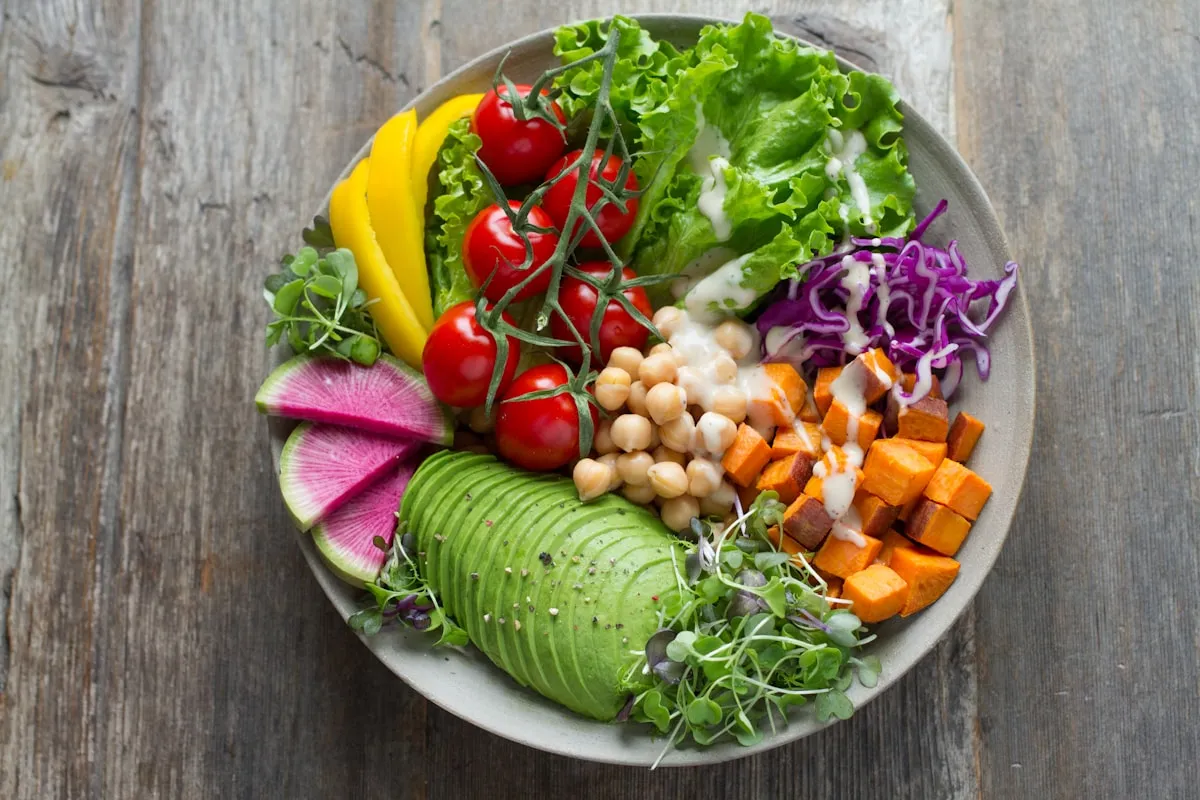
Let’s be honest: plant-based dinner ideas often get a bad rap for being either "too much salad" or "not enough texture." But if you’ve ever bitten into a piece of tofu that was actually crispy: not just warm and spongy: you know the game changes completely. This bowl is my go-to when I want a meal that hits every sensory note: the heat of the chili, the richness of the peanut butter, and that essential crunch from a fresh slaw. It’s soulful, satisfying, and proof that meatless nights don't have to feel like a compromise.
The Science of the Perfect Crunch
If your tofu usually ends up looking like a sad, beige sponge, we need to talk about moisture management. Tofu is essentially a protein-rich sponge filled with water. To get that restaurant-quality crust, you have to treat it with a bit of scientific respect.
First, ignore the "quick pat dry" advice. You need to press your tofu for at least 20 minutes. By applying steady pressure, you’re using capillary action to force water out of the soy protein network. This is non-negotiable because water is the enemy of the Maillard reaction. If the surface of your tofu is wet, it can’t get hotter than the boiling point of water (100°C). Once you’ve removed that surface moisture, the temperature can climb into the 140–180°C range, which is where the magic happens: browning, crisping, and flavor development.
Use a "shaggy" approach rather than perfect cubes. Tearing the tofu into irregular chunks creates more surface area and little protrusions that catch the heat and the sauce. Before it hits the pan, toss those pieces in a light coating of cornstarch or rice flour. This creates a thin, starchy matrix that dehydrates rapidly in the heat, locking in a rigid, crunchy shell.
When it comes to the sauce, we’re looking for a stable emulsion. Peanut butter is a fat-heavy base. If you dump lime juice and soy sauce in all at once, you’ll end up with a broken, curdled mess. Start by whisking your peanut butter with just a splash of warm water or coconut milk. This creates a thick "mother" phase. Gradually whisk in your acidic and salty components. The phospholipids naturally present in peanuts will help hold the oil and water-based liquids together in a smooth, glossy sauce that clings to your tofu without making it soggy.
Finally, let’s talk about the slaw. To prevent a watery bowl, use osmosis to your advantage. Salt your shredded cabbage lightly and let it sit for ten minutes. The salt draws out excess water, which you can then drain away. This ensures your dressing stays bright and potent rather than getting diluted by cabbage juice. This attention to detail is what turns simple ingredients into quick healthy meals you actually look forward to.
Swapping the Script: Flavor Variations
One of the best things about these bowls is how easily they adapt to your pantry's mood. While a traditional peanut base is classic, you can achieve a similar creamy, high-fat profile using almond butter or even sunflower seed butter for a nut-free version. If you go the sunflower route, increase the lime juice slightly, as the seeds have a more earthy, bitter undertone that needs a sharper acidic cut.
For those who crave more heat, don't just add more chili flakes. Use a fermented chili paste like gochujang or sambal oelek. The fermentation adds a layer of umami that plain heat lacks. If you’re looking for healthy weeknight dinners that feel a bit more indulgent, try air-frying the tofu instead of pan-searing. The circulating hot air dehydrates the starch coating even more efficiently, giving you a crunch that rivals deep-frying with a fraction of the oil. You can even apply some of the same logic we use in our air fryer pork chops to get that perfect exterior.
If you want to shift the texture of the base, move away from white rice. Quinoa offers a nutty flavor and extra protein, while chilled rice noodles turn this into a refreshing summer salad. If you choose noodles, thin your peanut sauce slightly more so it can coat the strands without clumping.
Balancing the Bowl: Side Dish Pairings
Because this bowl is rich in healthy fats and proteins, your side dishes should focus on high-vibrancy and acidity. You want to cut through that peanut richness. A side of quick-pickled cucumbers: marinated in rice vinegar, a pinch of sugar, and sesame oil: provides a cool, sharp contrast to the spicy tofu.
If you’re serving this as part of a larger spread of plant-based dinner ideas, consider adding a charred element. Blistered snap peas or grilled bok choy bring a smoky depth that complements the sweetness of the peanut sauce. Avoid heavy, starchy sides like potato salad; the bowl already has enough "weight" from the peanuts and tofu. Stick to greens and acids. A simple miso soup can also act as a warm, salty palate cleanser between bites of the rich peanut sauce.
Frequently Asked Questions
Why does my tofu always stick to the pan?
This is usually a result of "pan panic." You likely tried to flip the tofu before the proteins had a chance to denature and the starch had a chance to set. When the tofu hits the hot oil, it initially bonds to the surface. As it cooks and dehydrates, it will naturally release. Use a well-seasoned cast-iron or a high-quality non-stick pan, and wait until you see a golden-brown rim at the base of the tofu before you even think about touching it.
Can I make the peanut sauce in advance?
Absolutely, but be aware of "thickening." As the sauce sits in the fridge, the fats in the peanut butter will firm up and the starches/solids will absorb more liquid. When you're ready to use it, don't just microwave it. Whisk in a teaspoon of warm water at a time until it returns to its original emulsified glory. It’s a great hack for quick healthy meals during a busy week.
My peanut sauce "split": how do I fix it?
If your sauce looks oily and curdled, the emulsion has broken. This usually happens if the liquids were added too fast or if it got too hot. To fix it, take a tablespoon of warm water in a clean bowl and slowly, literally drop by drop: whisk the broken sauce into the water. This re-establishes the emulsion base.
Is this recipe suitable for meal prep?
Yes and no. The sauce and slaw actually improve after a few hours of mingling, but the tofu is a time-sensitive beast. Once you coat it in sauce, the moisture will eventually soften that crispy crust we worked so hard for. If you’re meal prepping for healthy weeknight dinners, store the tofu, sauce, and slaw in separate containers. Re-crisp the tofu in a toaster oven or air fryer for three minutes before assembling your bowl.
Can I use silken tofu instead?
Avoid it for this specific dish. Silken tofu has a much higher water content and a delicate structure that will disintegrate if you try to press or sear it. Stick to firm or extra-firm varieties to ensure your bowl has the structural integrity it deserves.
{“@type”:”BlogPosting”,”image”:”https://cdn.marblism.com/u04Q7AKEVFJ.webp”,”author”:{“name”:”Penny”,”@type”:”Person”},”@context”:”https://schema.org”,”headline”:”Plant-Based Dinner Ideas: Spicy Peanut Tofu Bowls with Crunchy Slaw”,”publisher”:{“logo”:{“url”:”https://cdn.marblism.com/KxroJ1kM_KA.webp”,”@type”:”ImageObject”},”name”:”Cookpedia”,”@type”:”Organization”},”mainEntity”:[{“name”:”Why does my tofu always stick to the pan?”,”@type”:”Question”,”acceptedAnswer”:{“text”:”Tofu sticks when it is flipped too early. As it cooks and the surface dehydrates, it will naturally release from the pan. Wait for a golden-brown crust to form before flipping.”,”@type”:”Answer”}},{“name”:”How do I fix a broken peanut sauce?”,”@type”:”Question”,”acceptedAnswer”:{“text”:”To fix a split peanut sauce, whisk a small amount of warm water in a clean bowl and slowly incorporate the broken sauce into it drop by drop to re-emulsify.”,”@type”:”Answer”}}],”description”:”Discover the science of perfectly crispy tofu and emulsified peanut sauce in this guide to plant-based dinner ideas for home cooks.”,”datePublished”:”2026-07-23″,”mainEntityOfPage”:{“@id”:”https://cookpedia.com/plant-based-dinner-ideas-spicy-peanut-tofu-bowls”,”@type”:”WebPage”}}