Recipe
Servings
Servings 1×
Ingredients
- Chicken
- Quinoa
- Bread
- Spinach
- Kale
- Lemon
- Tahini
- Cooking oil
- Sesame
- Salt
Method
- Keep this formula handy when you need healthy dinner ideas that still feel generous and satisfying.
- Give the cubes room to sit in a single layer with a little breathing space between them.
- Use a fine-mesh strainer and rinse until the water runs mostly clear.
- Warm ingredients absorb dressing beautifully, while very hot ingredients can wilt greens too aggressively and make the tahini dressing feel heavy.
- Spread the cooked quinoa briefly if it seems damp.
- Add it while it still has a little warmth, then fold in the roasted squash gently.
A good dinner salad should do more than sit politely beside the main course. This roasted butternut squash and quinoa salad brings sweetness, crunch, creaminess, and enough substance to earn the center of the table. Roasting deepens the squash, quinoa adds a pleasantly nutty base, and lemony tahini dressing ties everything together. Keep this formula handy when you need healthy dinner ideas that still feel generous and satisfying.
Tips & Technique: Build Flavor in Layers
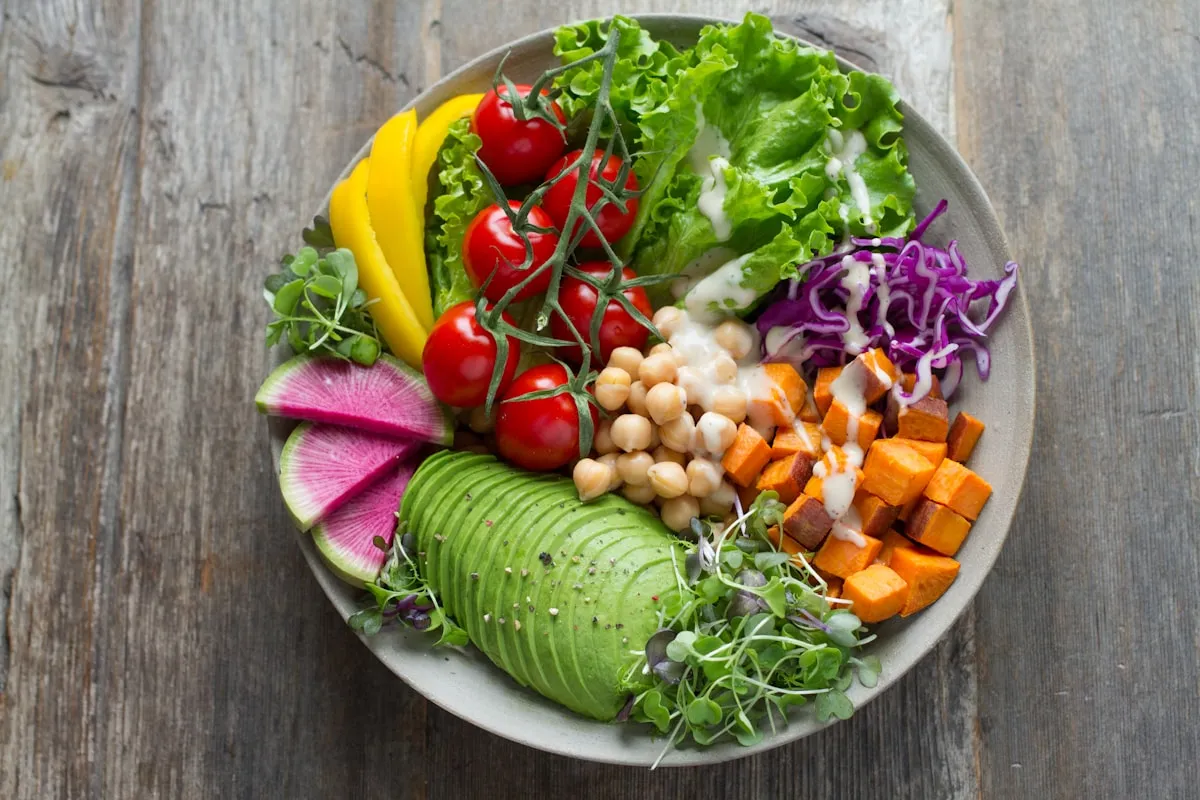
Roast for browning, not just tenderness
Treat the squash as more than a vegetable that needs softening. Roast it for flavor. High oven heat drives moisture from the surface and encourages browning, which creates the toasted, caramel-like notes that make butternut squash taste especially rich.
Do not crowd the roasting tray. Give the cubes room to sit in a single layer with a little breathing space between them. When vegetables are packed tightly, their moisture turns into steam. Steam cooks squash, but it will not give you those browned edges. A roomy tray produces tender centers and golden corners: the best little bits in the bowl.
Turn the squash once during roasting so more than one side gets direct contact with the hot tray. Aim for visible color rather than a strict clock. Smaller pieces cook faster, while larger pieces stay creamy in the middle. Check for a fork-tender center and browned edges.
Cookpedia’s guide to vegetarian dinner recipes is a useful place to find more meat-free meals built around simple, high-impact techniques.
Rinse quinoa to remove bitterness
Quinoa has a natural coating called saponin. It can taste bitter or soapy if it remains on the grains, so rinse quinoa thoroughly before cooking. This small step makes a noticeable difference, particularly in a salad where the grain’s flavor is exposed.
Use a fine-mesh strainer and rinse until the water runs mostly clear. For extra depth, toast the rinsed quinoa briefly in the cooking pot before adding liquid. Gentle dry heat brings out a nuttier aroma and gives the finished salad more personality without adding another complicated ingredient.
Avoid stirring quinoa repeatedly while it cooks. The grains need time to absorb liquid and soften. Once cooked, let them rest covered for a few minutes, then fluff them with a fork. That resting period allows excess moisture to redistribute, helping the grains stay separate instead of turning into a soft mound.
Protect the texture with temperature control
Build the salad while the squash and quinoa are warm, but not piping hot. Warm ingredients absorb dressing beautifully, while very hot ingredients can wilt greens too aggressively and make the tahini dressing feel heavy.
Spread the cooked quinoa briefly if it seems damp. This lets excess steam escape. Add it while it still has a little warmth, then fold in the roasted squash gently. Preserve the squash’s browned edges instead of stirring until everything becomes one uniform mixture.
If you are using sturdy greens such as kale, soften them with a small amount of dressing first. Massage briefly: just enough to relax the leaves. Tender greens, such as arugula or baby spinach, need less attention and can be folded in at the end.
Understand the tahini transformation
Tahini dressing has a funny little personality. At first, adding lemon juice to tahini can make the mixture seize and become thick or grainy. Do not panic and do not throw it away. The sesame paste is reacting as its proteins and fine particles absorb water and acid.
Whisk gradually, adding cold water a little at a time. The thick mixture will eventually loosen into a smooth, creamy dressing. This is not merely thinning; you are helping create a stable emulsion, where sesame oil is dispersed through a water-based mixture.
Add water slowly and keep whisking. Pouring in too much at once can produce a thin dressing with uneven texture. Stop when it coats the back of a spoon but still falls easily over the salad. Balance the richness with lemon juice, then taste for salt. Tahini can taste flat without enough seasoning, while too much lemon can overpower the roasted squash.
For a useful comparison, notice how Cookpedia handles texture and contrast in Greek chicken and quinoa meal prep bowls. The same principle applies here: keep the grain fluffy, the toppings distinct, and the dressing bright.
Add contrast deliberately
A satisfying bowl needs more than soft ingredients. Add something crisp, such as toasted pumpkin seeds, to give your teeth a reason to stay interested. Bring in a tart accent with pomegranate arils or a modest scattering of dried fruit. Finish with fresh herbs for a cool, aromatic lift.
Think in opposites: creamy against crunchy, sweet against sharp, warm against fresh. That balance is what makes this salad feel like one of the more dependable quick family meals rather than a bowl of leftovers wearing a leafy disguise.
Variations: Keep the Formula, Change the Mood
Use the basic structure: roasted vegetable, cooked grain, greens, creamy dressing, crisp topping: as your starting point.
For more protein, fold in roasted chickpeas or cooked lentils. Chickpeas add a firmer bite, while lentils make the salad earthier and softer. Add them while warm so they pick up the dressing.
For a brighter Mediterranean direction, use parsley, mint, cucumber, and toasted almonds. Replace pomegranate with chopped olives if you want a saltier finish. For a warmer autumn profile, add a pinch of smoked paprika or ground cumin to the squash before roasting.
Make it spicier with chili flakes, cayenne, or a spoonful of harissa stirred into the tahini dressing. Keep the lemon in place; heat needs acidity to stay lively.
Need a faster option? Use pre-cut squash and leftover quinoa. You can also explore Cookpedia’s air fryer dinner collection if you want to develop an air fryer recipes dinner rotation. Air-fried squash can brown quickly, but check it early because small cubes move from golden to overdone with surprising confidence.
For a lower-grain version, reduce the quinoa and increase the greens, roasted cauliflower, or shredded cabbage. The dressing and toppings will still make the bowl feel complete.
Side Dish Pairings: Add Freshness, Not More Heaviness
This salad is substantial enough to serve alone, but a few simple sides can make it part of a larger meal.
Pair it with a crisp cucumber and herb salad for extra freshness. The watery crunch cuts through the tahini’s richness and keeps the plate from feeling too soft. A tomato salad with lemon or vinegar also works well, especially when the squash is particularly sweet.
Serve warm flatbread or whole-grain pita alongside the bowl if you want a more filling dinner. Use the bread to scoop up extra dressing: there is no need to pretend you are above this.
For a cozy spread, add a simple vegetable soup, such as one from Cookpedia’s soup collection. Keep the soup light and brothy rather than creamy. The salad already provides richness, fiber, and plenty of texture.
If you are serving this as part of a larger plant-based table, add a sharp pickle or a small dish of olives. Salty, acidic sides act like a reset button between bites.
FAQ: Practical Answers for Better Results
Can I make this salad ahead of time?
Yes. Roast the squash and cook the quinoa ahead, then cool both before refrigerating them in separate containers. Store the dressing separately as well. Keeping the components apart protects the greens from wilting and prevents the squash from losing all its roasted texture.
Assemble the salad shortly before serving. If you are packing it for lunch, place the dressing at the bottom of the container, followed by quinoa and squash, then greens and crunchy toppings. Shake or toss just before eating.
Why did my tahini dressing become thick and gritty?
The tahini likely seized when it met the lemon juice. That reaction is normal. Continue whisking while adding cold water gradually. The mixture should loosen and become creamy.
If it remains gritty, add another small splash of water and keep mixing. Check the tahini itself, too. Older tahini can separate or become stiff in the jar, so stir it thoroughly before measuring. Do not pour in a large amount of water at once; gradual hydration gives the emulsion a better chance to become smooth.
How do I stop the squash from becoming soggy?
Start with a hot oven and a dry roasting tray. Excess surface moisture creates steam, so pat wet squash dry before roasting. Leave space between the pieces and avoid turning them too often.
Do not cover the tray. Covering traps steam and softens the edges. If the squash is tender but pale, give it a few additional minutes to brown. Use color and texture as your guide rather than relying only on the stated cooking time.
Can I use frozen butternut squash?
You can, although the texture may be softer. Roast frozen pieces without thawing them first, and spread them out generously so escaping moisture does not pool around the squash. Expect less browning than you would get from fresh cubes.
For the best results, use frozen squash when convenience matters most and compensate with extra crunch from pumpkin seeds, almonds, or roasted chickpeas.
Is quinoa required?
No. Use farro, brown rice, barley, or lentils if you prefer. Choose a base that can hold dressing without collapsing. Quinoa works particularly well because its small grains catch the tahini dressing and add plant protein, but the method is flexible.
Adjust the cooking liquid and timing according to the grain you choose. Keep the final texture pleasantly chewy, not wet. A soggy base will make the entire salad feel heavy.
Can I serve it cold?
Absolutely. The flavors become more blended after chilling, though the squash will lose some of its freshly roasted contrast. Let the salad sit at room temperature for a short time before serving, then refresh it with a squeeze of lemon and a sprinkle of seeds.
Serve it cold for packed lunches or warm for dinner. Either way, keep the dressing bright and the toppings crunchy. That is the non-negotiable part.