Recipe
Servings
Servings 1×
Ingredients
- Rice
- Broccoli
- Carrots
- Peas
- Fresh ginger
- Lime
- Cream
- Butter
- Cooking oil
- Sesame
- Curry spices
- Black pepper
Method
- Use a clean kitchen towel to pat every floret and pepper strip dry.
- Start with the dense, stubborn contenders like carrots and broccoli stems.
- Give them a head start before inviting the tender snap peas and bell peppers to the party.
You’ve had those nights. You walk through the door, your brain is fried from a day of meetings, and the last thing you want to do is spend an hour hovering over a stove. You need something that feels like a warm hug but doesn't require a culinary degree or a mountain of dishes. Enter the veggie stir-fry. It’s the ultimate solution for anyone looking for plant-based dinner ideas that actually satisfy. When you pair crisp, vibrant vegetables with a velvety, rich cashew sauce, you aren't just making dinner; you’re mastering the art of the 15-minute pivot from "starving" to "soul-satisfied."
The Science of the Sizzle: Why Heat and Dryness Matter
To get that restaurant-quality finish at home, you have to understand the "Wok Hei" or the "breath of the wok." Even if you’re using a standard stainless steel skillet, the principles of high-heat cooking remain the same. The goal is to achieve the Maillard reaction, that magical chemical dance where proteins and sugars brown, without turning your broccoli into a sad, grey mush.
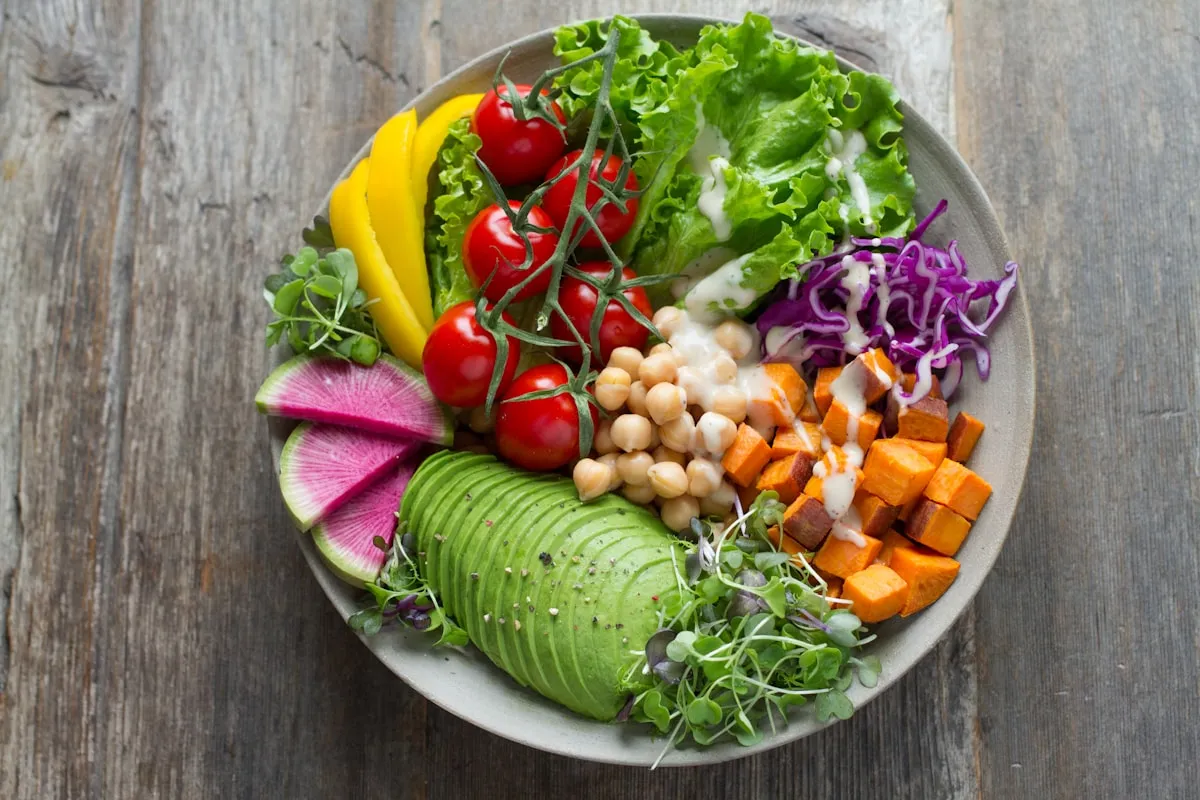
First, let's talk about moisture. Water is the absolute enemy of a good sear. If your vegetables are even slightly damp when they hit the pan, they won't fry; they’ll steam. Use a clean kitchen towel to pat every floret and pepper strip dry. When that dry vegetable hits a shimmering, hot pan, the surface moisture evaporates instantly, allowing the temperature to climb high enough to caramelize the exterior while keeping the interior snappy and full of nutrients. Check out our guide on 15-minute meals for more ways to keep your prep time low and your heat high.
The order of operations is your second secret weapon. Think of your pan as a crowded elevator; if you put everyone in at once, nobody can move. Cook in small batches. Start with the dense, stubborn contenders like carrots and broccoli stems. Give them a head start before inviting the tender snap peas and bell peppers to the party. This ensures that every bite has the same perfect "crunch-tender" consistency. If you find your denser veggies are taking too long, don't keep them in the dry heat until they burn. Instead, flick a single tablespoon of water into the pan and cover it for thirty seconds. This "steam-assist" finish softens the core without sacrificing the seared skin.
The Chemistry of a Perfect Cashew Emulsion
The sauce is where the magic, and the science, really happens. A traditional stir-fry sauce is often just a thin broth thickened with starch, but a cashew-based sauce is an oil-in-water emulsion. By blending soaked cashews with water or broth, you are creating a stable suspension of tiny fat droplets. This results in a creaminess that rivals heavy dairy but carries a subtle, toasted nuttiness that plays beautifully with soy and ginger.
To keep this sauce from breaking (that unappealing moment where the oil separates from the solids), you must integrate your starch correctly. Always whisk your cornstarch or arrowroot into a cold liquid first. If you drop starch directly into a hot pan, the outer molecules hydrate instantly, forming a waterproof shield around a dry, clumpy center. By creating a "slurry" within your cold cashew cream, you ensure the starch granules are evenly dispersed.
When you finally pour that sauce into the pan, aim for the edges. The high heat of the metal will cause the starch to gelatinize almost instantly, typically around 185°F. You’ll see the sauce transform from a cloudy ivory to a glossy, translucent glaze that clings to every crevice of your vegetables. This is how you achieve quick healthy meals that look like they came out of a professional kitchen. For more inspiration on efficient cooking, browse our 30-minute meals section.
Creative Variations: Beyond the Basics
Once you master the base technique, the world of plant-based dinner ideas opens up significantly. The beauty of a cashew sauce is its neutrality; it’s a blank canvas for flavor balancing.
- The Acid Counterpoint: If your sauce feels a bit too heavy or "flat," it’s likely missing acidity. A splash of rice vinegar or a squeeze of fresh lime juice at the very end can cut through the richness of the cashew fats, making the whole dish pop.
- The Heat Map: For those who like a kick, whisk a teaspoon of red curry paste or sriracha into the cold sauce base. The fats in the cashews actually help carry the capsaicin (the heat element in peppers) across your palate more smoothly.
- The Nut Swap: Not a fan of cashews? You can apply the exact same science to almond butter or sunflower seed butter. Just keep an eye on the consistency; different nuts have different fat-to-protein ratios, so you may need to adjust your liquid levels to keep that pourable cream texture.
- The Texture Play: While the stir-fry itself is soft and crisp, adding a final garnish of toasted whole cashews or sesame seeds provides a structural contrast that makes the meal feel more complete.
Side Dish Pairings for a Balanced Plate
A great stir-fry needs a reliable partner to soak up that extra cashew gold. While white jasmine rice is the classic choice for its floral aroma and soft texture, don't be afraid to experiment based on your dietary needs.
If you’re leaning into the keto-friendly or lower-carb side of things, cauliflower rice is an excellent vessel. Since it’s also a vegetable, you can actually toss it into the pan for the last 60 seconds of cooking. It will absorb the sauce and provide a "grain-like" feel without the heavy starch.
For a heartier vibe, rice noodles or even whole-wheat spaghetti work wonders. If you use noodles, undercook them slightly in water first, then finish them directly in the wok with the sauce. This allows the noodles to hydrate with the flavored cashew cream rather than plain water. If you're looking for something different, why not try pairing it with a light salad to add some raw enzyme crunch to your cooked meal?
Stir-Fry FAQ: Mastering the Wok
Why are my vegetables always soggy instead of crisp?
This usually comes down to pan crowding or low heat. When you put too many vegetables in the pan at once, the temperature drops, and the moisture escaping the veggies pools at the bottom. Instead of frying, they boil. Use a larger pan, cook in smaller batches, and ensure the oil is shimmering before the first veggie hits the surface.
Can I make the cashew sauce in advance?
Absolutely. In fact, the flavors often meld better if the sauce sits for a few hours. However, remember that starch settles at the bottom of the container. Always give your sauce a vigorous whisk right before pouring it into the hot wok to re-suspend the starch granules.
The sauce got way too thick as soon as it hit the pan. What happened?
You likely had your heat a bit too high or let it sit too long without tossing. Starch thickens rapidly once it hits its activation temperature. Simply add a tablespoon of water or vegetable broth at a time and toss quickly until you reach your desired "clingy" consistency.
Is it possible to overcook the cashew sauce?
Yes. If you boil an emulsion for too long, the starch network can actually start to break down (a process called retrogradation), and the cashew fats might separate. The goal is to toss the vegetables in the sauce for only 30 to 60 seconds: just long enough for it to bubble, thicken, and coat.
How do I store and reheat leftovers without the sauce disappearing?
Starch-thickened sauces tend to "tighten" in the fridge as they cool. When you reheat your leftovers, add a tiny splash of water to the bowl before microwaving or re-pan-frying. This re-hydrates the starch and brings that creamy, glossy texture back to life. For more tips on quick healthy meals and storage, check out our recent guides.
{“@type”:”BlogPosting”,”image”:[“https://cdn.marblism.com/aAqHWTrtFT9.webp”,”https://cdn.marblism.com/J5AW4eNUeps.webp”,”https://cdn.marblism.com/8uRWdo0e93O.webp”,”https://cdn.marblism.com/1DryMnNs3Zj.webp”,”https://cdn.marblism.com/gjsaPJJsS31.webp”],”author”:{“url”:”https://cookpedia.com”,”name”:”Penny”,”@type”:”Person”},”@context”:”https://schema.org”,”headline”:”Plant-Based Dinner Ideas: Quick Veggie Stir-Fry with Cashew Sauce”,”publisher”:{“logo”:{“url”:”https://cdn.marblism.com/KxroJ1kM_KA.webp”,”@type”:”ImageObject”},”name”:”Cookpedia”,”@type”:”Organization”},”description”:”Learn the science behind the perfect 15-minute plant-based dinner. Our guide to veggie stir-fry with creamy cashew sauce ensures crisp vegetables and a stable, velvety emulsion every time.”,”datePublished”:”2026-07-20″,”mainEntityOfPage”:{“@id”:”https://cookpedia.com/plant-based-dinner-veggie-stir-fry-cashew-sauce”,”@type”:”WebPage”}}