Recipe
Servings
Servings 1×
Ingredients
- Tofu
- Lentils
- Chickpeas
- Beans
- Pasta
- Cauliflower
- Broccoli
- Spinach
- Kale
- Apple
- Onion
- Garlic
- Lime
- Soy sauce or tamari
- Turmeric
- Salt
Method
- Prepare the ingredients described in the article and heat the cooking surface or oven as directed.
- Cook the main ingredients using the heat and timing guidance in the article.
- Finish with the seasonings and garnishes named in the article, then serve.
If you’ve ever looked at a block of tofu and felt a wave of existential dread, you aren’t alone. We’ve all been there, standing in a kitchen after a long day, wondering how on earth a pile of chickpeas is supposed to satisfy a family that treats "meatless Monday" like a personal insult. But here’s the secret I’ve learned over years of trial, error, and some very questionable "cauliflower steaks": plant-based eating doesn't have to be a chore. It doesn't have to be about deprivation or spending four hours massaging kale until your wrists give out.
My blog is built on the belief that home cooking should be soulful and accessible. You want healthy dinner ideas that don't require a degree in molecular biology or a trip to three different specialty grocers. You want food that tastes like a hug but leaves you feeling light enough to actually finish your to-do list. Whether you're a full-time vegan or just someone trying to lower your carbon footprint one taco at a time, these twenty concepts are designed to get you in and out of the kitchen with your sanity: and your taste buds: intact.
The Science of Flavor: Why Some Plant-Based Meals Fall Flat (and How to Fix Them)
The biggest complaint about plant-based meals is that they feel "thin" or "unsatisfying." Science tells us why: it’s often a lack of umami, the fifth basic taste that translates to "savory" or "meaty." In a standard diet, you get this from meat and aged cheeses. When you remove those, you have to be intentional about rebuilding that flavor profile.
Master the Maillard Reaction
Never just "warm up" your vegetables. Aim for the Maillard reaction: a chemical reaction between amino acids and reducing sugars that gives browned food its distinctive flavor. When you roast broccoli or cauliflower at high heat until the edges are charred and crispy, you aren’t just cooking it; you’re creating new flavor compounds that didn't exist in the raw state. Use high-heat stable oils and don't crowd the pan. If the veggies are too close together, they’ll steam in their own moisture rather than browning.
Boost Your Umami Toolkit
Keep "umami bombs" in your pantry at all times. Tomato paste, miso, soy sauce, and nutritional yeast are non-negotiables. Think of tomato paste as a concentrated flavor syrup. If you’re making a stew or a pasta sauce, sauté the tomato paste with your onions and garlic until it turns from bright red to a deep, brick-red color. This caramelization process removes the raw metallic taste and unlocks a deep, savory foundation. Similarly, a spoonful of white miso stirred into a soup or a dressing adds a fermented complexity that mimics the depth of a long-simmered bone broth.
Texture is a Non-Negotiable
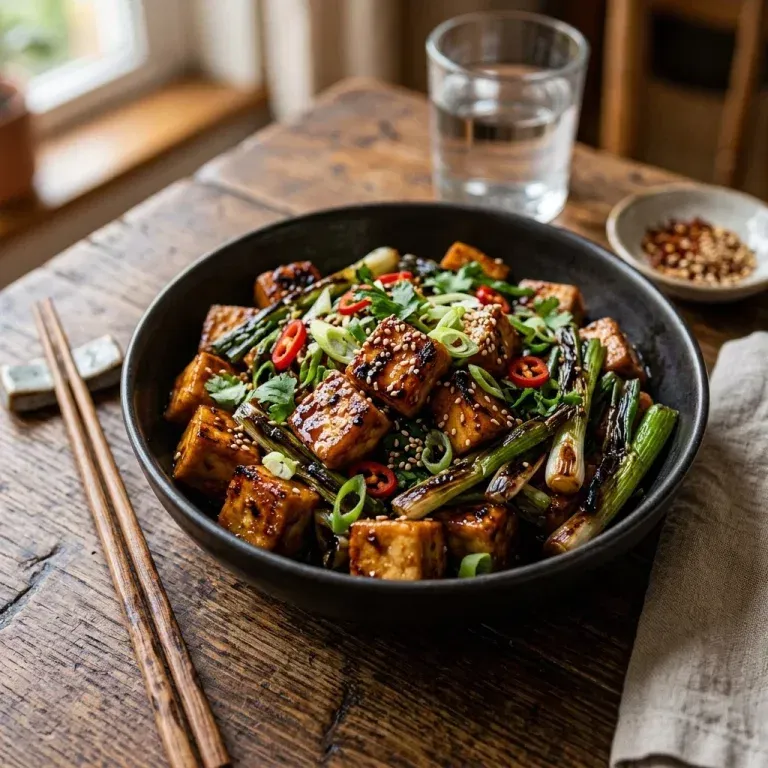
Avoid the "mush factor." A common mistake in plant-based cooking is serving a soft grain with soft beans and soft vegetables. Your brain needs textural contrast to register a meal as satisfying. Always include a "crunch" element. This could be toasted pumpkin seeds on top of a Quick Chickpea & Spinach Stew, or raw, thinly sliced radishes on top of a lentil taco. If you are exploring air fryer recipes dinner style, use that machine to crisp up chickpeas or tofu cubes. The rapid air circulation dehydrates the surface of the food much faster than a standard oven, giving you that essential "snap" without the need for deep frying.
Acid is Your Best Friend
If a dish tastes "flat" even after you’ve salted it, it usually needs acid, not more salt. Acid cuts through richness and brightens dull flavors. Always have fresh lemons, limes, or a good quality apple cider vinegar on hand. Squeeze a wedge of lime over your Budget-Friendly Red Lentil Dahl just before serving. The citric acid reacts with the spices, making the earthy notes of the cumin and turmeric pop.
Variations for the Modern Table
The beauty of these quick family meals is their adaptability. You aren't following a rigid script; you're using a framework. Once you understand the balance of protein, starch, and fat, you can swap ingredients based on what’s actually in your fridge.
For a Mediterranean vibe, lean into chickpeas, tahini, and fresh herbs. Use a base of quinoa or farro for a Quick Mediterranean Quinoa Bowl and focus on cold-pressed olive oils. If you’re craving something with more heat, pivot to a Southeast Asian profile. Swap the olive oil for coconut or sesame oil, and use ginger, garlic, and chilies as your aromatic base. A 15-minute stir-fry (much like our Teriyaki Beef Stir-Fry but using tempeh or extra-firm tofu) is a perfect canvas for whatever wilted greens are hanging out in your crisper drawer.
If you are cooking for kids who are skeptical of "the green stuff," try the "deconstructed" approach. Instead of a mixed salad or a complex stew, serve the components separately on a platter. Put out the roasted sweet potatoes, the seasoned beans, and a creamy cashew-based dipping sauce. Giving them agency over how they build their plate significantly reduces dinner-time friction.
Perfect Pairings: Balancing the Plate
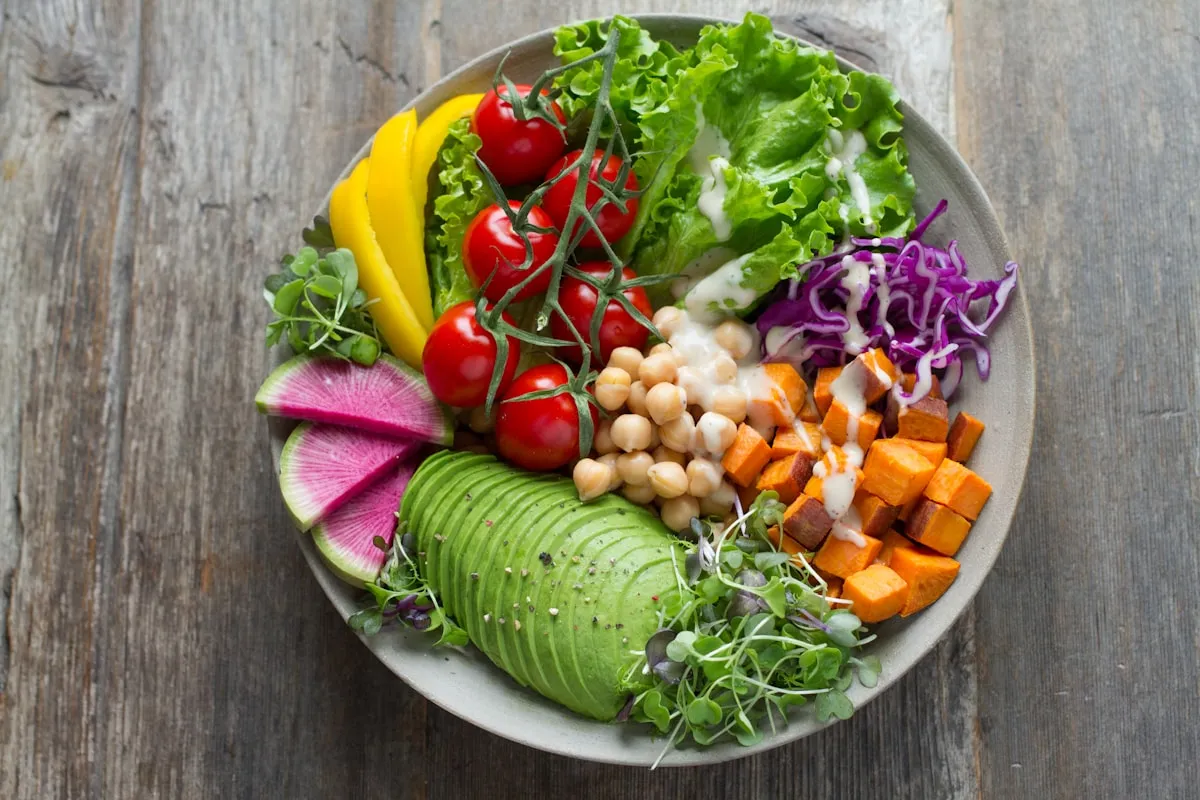
A great meal is about more than just the main dish; it’s about how the side dishes provide balance. If you are serving a rich, coconut-milk-based curry, pair it with something bright and astringent, like a cucumber and red onion salad with a rice vinegar dressing. The acidity of the vinegar cuts through the fat of the coconut milk, preventing the meal from feeling too heavy.
When you’re making something lean and crisp, like an air fryer recipes dinner tofu bowl, pair it with something creamy or fatty. A sliced avocado or a dollop of hummus provides the lipid content your body needs to absorb fat-soluble vitamins (A, D, E, and K) found in your vegetables. This isn't just about taste; it’s about nutrient density.
For a quick lunch or a light dinner, an Arugula Power Salad works beautifully as a side to a hearty soup. The peppery bite of the arugula provides a sharp contrast to the earthy sweetness of a roasted carrot or butternut squash soup.
FAQ: Troubleshooting Your Plant-Based Kitchen
What if my tofu is always soggy?
The science here is simple: water is the enemy of browning. Most tofu is packed in water to keep it fresh, but you need to get that water out before it hits the pan. Use extra-firm tofu and press it for at least 15 minutes between heavy plates. For even better results, toss the pressed cubes in a light coating of cornstarch. The starch absorbs any remaining surface moisture and gelatinizes when it hits the hot oil, creating a crisp, shattered-glass texture.
How do I make beans taste like more than just… beans?
Treat beans like meat. Don't just dump them from a can into a bowl. Sauté them with aromatics (onions, garlic, celery). Add a source of fat, like olive oil or butter (or a plant-based alternative), and a source of umami. A bay leaf added to a simmering pot of beans releases aromatic compounds that add a subtle, herbal depth you can't get from salt alone.
Why does my family feel hungry an hour after a plant-based meal?
You likely missed the protein-fat-fiber trifecta. Fiber (from veggies and beans) fills the stomach, but protein and fat trigger the satiety hormones in your brain. If you're serving healthy dinner ideas that are mostly vegetables, make sure you've included a handful of nuts, a drizzle of tahini, or a substantial serving of legumes. This slows down digestion and prevents the "blood sugar crash" that leads to late-night snacking.
Can I use an air fryer for everything?
Almost! Using air fryer recipes dinner style is efficient because it mimics a convection oven but on a smaller, more intense scale. It is particularly good for "finishing" vegetables that you want to be crispy. However, avoid putting extremely "wet" batters in there, as they will drip through the basket before they have a chance to set. Stick to dry rubs or oil-tossed veggies.
Is frozen produce actually healthy?
Absolutely. Science shows that frozen vegetables are often more nutrient-dense than "fresh" ones that have been sitting on a truck for a week. They are picked at peak ripeness and flash-frozen immediately, locking in vitamins and minerals. They are also the ultimate hack for quick family meals because they require zero chopping.
{“@type”:”BlogPosting”,”image”:”https://cdn.marblism.com/92fKel-dII_.webp”,”author”:{“name”:”Penny”,”@type”:”Person”},”@context”:”https://schema.org”,”headline”:”Plant-Based Dinner Ideas: 20 Quick Healthy Meals to Get You Started”,”publisher”:{“logo”:{“url”:”https://cdn.marblism.com/KxroJ1kM_KA.webp”,”@type”:”ImageObject”},”name”:”Cookpedia”,”@type”:”Organization”},”description”:”Explore 20 quick and healthy plant-based dinner ideas. Learn the science of umami, the Maillard reaction, and how to create satisfying family meals without the meat.”,”datePublished”:”2026-06-26″}