Recipe
Servings
Servings 1×
Ingredients
- Greek yogurt
- Apple
- Honey
- Butter
Method
- Prepare the ingredients described in the article and heat the cooking surface or oven as directed.
- Cook the main ingredients using the heat and timing guidance in the article.
- Finish with the seasonings and garnishes named in the article, then serve.
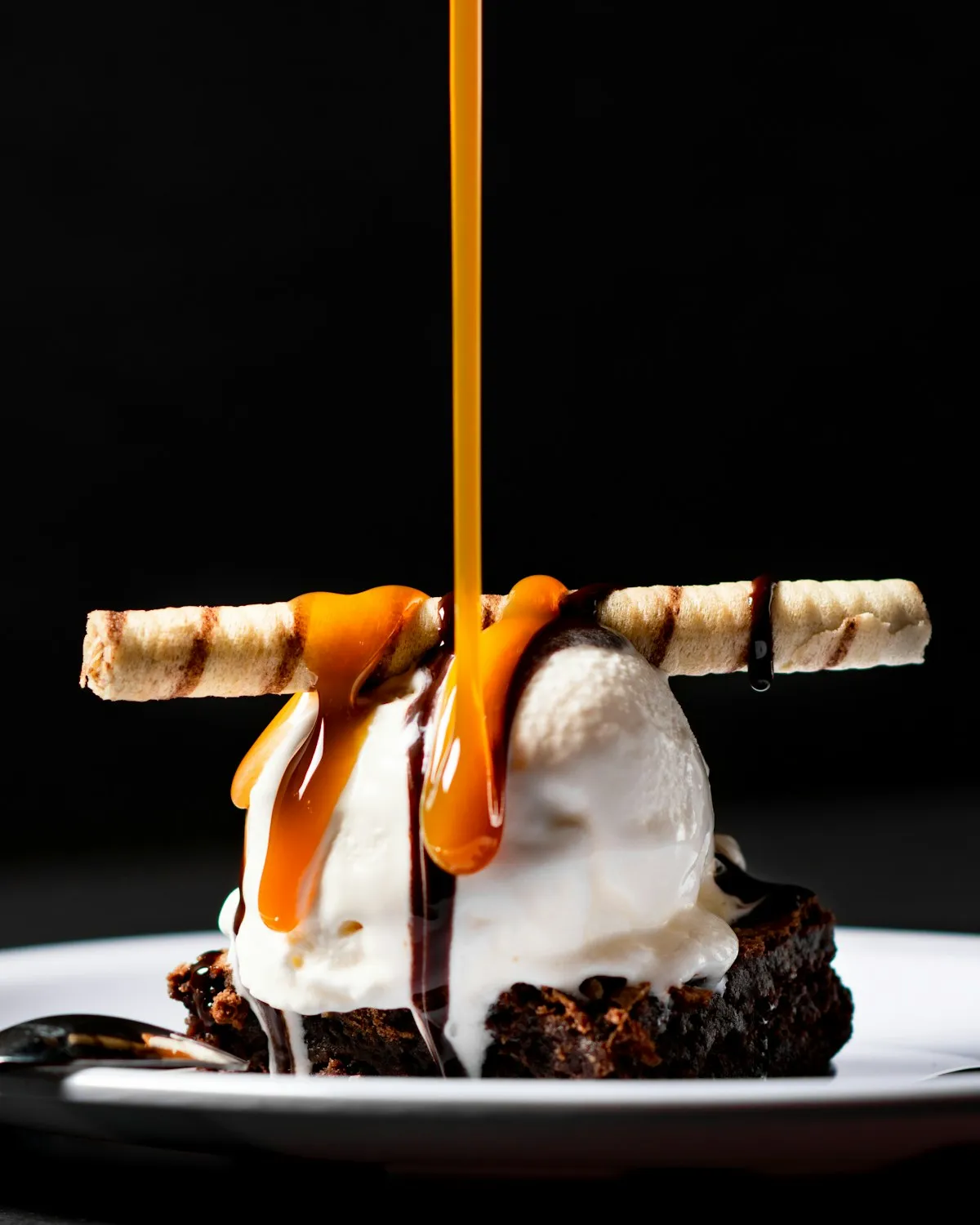
Nothing screams "peak summer" quite like a peach galette that looks like it just fell out of a vintage cookbook. If you’ve ever felt intimidated by the structural engineering required for a lattice-top pie, the galette is your new best friend. It’s the "I woke up like this" of the dessert world, effortlessly rustic, intensely flavorful, and perfectly portable for a picnic. You don't need a pie dish, and you certainly don't need to stress about crimping edges to perfection.
In my blog, I prioritize results over fuss. We’re aiming for that specific, nostalgic sweetness that only comes from tree-ripened fruit and a crust so flaky it shatters when you breathe on it. Whether you’ve spent the evening whipping up quick family meals or you're just looking for a showstopper to bring to the park, this galette is the answer.
The Science of the "Shatter-Zone" Crust
To get a crust that behaves itself, you have to understand the chemistry of the "Cold Chain." When you incorporate fat into flour, your goal isn't a smooth paste; it's a collection of discrete butter "islands" floating in a sea of flour.
The Physics of Butter Pockets
When your galette hits a high-temperature oven, those cold chunks of butter go through a rapid phase change. The water content in the butter (usually around 15-18%) turns into steam instantly. Because the butter is trapped between layers of flour and water, that steam expands, pushing the dough layers apart before they set. This creates the "puff" and the subsequent flakes. If your butter is too warm, it simply melts and soaks into the flour, leaving you with a crumbly, sandy shortbread texture rather than a flaky pastry.
Managing the Gluten Monster
Gluten is the enemy of a tender galette. When flour meets water and gets agitated, gluten proteins bond and toughen. To keep your crust from turning into a leather strap, use ice-cold water and a splash of acid, like apple cider vinegar. The acid disrupts the gluten-forming bonds, ensuring the crust remains tender. Most importantly, stop mixing the second the dough holds together when squeezed. It should look shaggy and slightly messy, not like a smooth ball of pizza dough.
The Osmosis Effect: Mastering Peach Maceration
Peaches are effectively delicious water balloons. If you toss raw peaches directly onto your dough, they will release all their liquid the moment they feel the oven's heat, resulting in the dreaded "soggy bottom." To prevent this, you must use maceration.
By tossing your peach slices in sugar and letting them sit for 30 minutes, you create an osmotic gradient. The sugar draws the excess moisture out of the fruit cells and into the bowl. Do not throw this liquid away. Instead, simmer it in a small saucepan with a bit of cornstarch until it thickens into a glossy syrup. Pouring this concentrated "peach gold" back over the fruit gives you intense flavor without the flood of liquid that ruins your crust.
Elevating the Flavor: Creative Variations
While a classic peach galette is hard to beat, you can easily pivot based on what's in your pantry or the season.
- The Savory-Sweet Edge: Add a handful of fresh thyme leaves or a sprig of chopped rosemary to your peach mixture. The resinous, earthy notes of the herbs cut through the high-sugar content of the fruit, making the galette feel more sophisticated.
- The Stone Fruit Medley: Don’t feel restricted to just peaches. Nectarines, plums, and apricots all share similar water content and acidity levels. A "sunset galette" using a mix of these fruits provides a beautiful color gradient and a complex flavor profile.
- The Nutty Barrier: If you’re still worried about a soggy base, use a "frangipane" or a simple layer of ground almonds or crushed amaretti cookies. Sprinkle this over the center of the dough before adding the fruit. It acts as a delicious, edible sponge that soaks up any escaping juices while adding a professional, nutty depth.
- The Alternative Grain: For a heartier, more rustic vibe, replace 25% of your all-purpose flour with buckwheat or rye flour. This adds a subtle bitterness and a darker hue to the crust that pairs beautifully with the sweetness of the peaches.
Picnic Pairings and Meal Flow
A peach galette is the ultimate finale for healthy dinner ideas because it feels light and fruit-forward rather than heavy and cloying. If you’re planning a full picnic spread, think about balance.
The richness of the buttery crust and the sweetness of the peaches need a counterpoint. Serve your galette alongside a dollop of crème fraîche or Greek yogurt spiked with a little honey. The acidity of the cultured dairy cuts right through the fat of the pastry.
For the main event before dessert, I often rely on air fryer recipes dinner options to keep the kitchen cool during the summer. Once the air fryer is done, the oven is all yours for the galette. Pairing this dessert with a salty charcuterie board or a sharp arugula salad creates a flavor arc that keeps your palate engaged.
Frequently Asked Questions
Why did my galette crust shrink during baking?
Shrinkage is almost always caused by two things: overworked dough or a lack of resting. If you knead the dough too much, you develop a strong gluten network that acts like a rubber band; when it hits the heat, it snaps back. To avoid this, chill your dough for at least an hour before rolling, and then chill the entire assembled galette for 20 minutes before it goes into the oven. This relaxes the gluten and ensures the fats are cold again.
Can I use frozen peaches for this?
Yes, but you have to be extra vigilant about moisture. Frozen fruit has already had its cell walls compromised by ice crystals, meaning it will dump even more water than fresh fruit. Thaw the peaches completely in a colander, macerate them as usual, and consider doubling the thickening agent (like cornstarch or tapioca starch) in your syrup reduction.
Why is the bottom of my galette still soft?
You likely didn't use enough bottom heat. For a crisp base, I recommend preheating a heavy baking sheet or a pizza stone in the lower third of your oven. Slide the galette (on its parchment paper) directly onto that hot surface. This creates an immediate "sear" on the bottom crust, sealing it before the fruit juices can penetrate the dough.
My fruit looks dry and dull after baking. What happened?
You missed the glaze! A quick brush of apricot jam or the leftover thickened peach syrup right after the galette comes out of the oven will give it that professional, jewel-like shine. It also adds a final layer of moisture to any fruit that might have dried out in the oven's convection.
Is it okay to make the dough in a food processor?
Use the food processor with caution. It is incredibly efficient at cutting butter into flour, but it’s also incredibly efficient at over-processing it into a paste. Use the "pulse" setting and stop while you still see visible chunks of butter the size of peas. If the dough starts to look like a cohesive ball in the processor, you’ve gone too far.
{“@type”:”BlogPosting”,”image”:”https://images.lucidworks.com/api/v1/images/generate?prompt=A%20rustic%2C%20golden-brown%20peach%20galette%20on%20a%20piece%20of%20parchment%20paper.%20The%20crust%20is%20thick%20and%20visibly%20flaky.%20Slices%20of%20juicy%20peaches%20are%20arranged%20in%20a%20concentric%20circle%2C%20glistening%20with%20a%20light%20syrup.&aspectRatio=16:9″,”author”:{“name”:”Cookpedia”,”@type”:”Organization”},”@context”:”https://schema.org”,”headline”:”Peach Galette with a Flaky Crust: A Summer Picnic Sweet”,”keywords”:”air fryer recipes dinner, quick family meals, healthy dinner ideas, peach galette, picnic desserts, flaky pastry science”,”publisher”:{“logo”:{“url”:”https://cdn.marblism.com/KxroJ1kM_KA.webp”,”@type”:”ImageObject”},”name”:”Cookpedia”,”@type”:”Organization”},”description”:”Learn the science behind the perfect flaky galette crust and how to prevent soggy bottoms with peach maceration techniques. Part of the Cookpedia Summer Picnic Series.”,”datePublished”:”2026-05-19″,”mainEntityOfPage”:{“@id”:”https://cookpedia.com/peach-galette-flaky-crust-summer-picnic”,”@type”:”WebPage”}}