Recipe
Servings
1 serving 1×
Serves 1Prep 5 minTotal 5 min
Nutrition per serving
Ingredients
- 1/2 cup rolled oats not instant
- 1 tbsp chia seeds the thickening agent
- 2/3 cup almond milk or any preferred milk
- 1/4 cup blueberries fresh or frozen
- 1 tsp honey or maple syrup optional
Method
- Combine all ingredients in a jar.
- Stir vigorously to avoid the ‘chia clump trap’.
- Re-stir after 10 mins to ensure even hydration.
- Seal and refrigerate for at least 4 hours (overnight is best).
- Eat cold or warm up for 60 seconds.
- Top with fresh nuts for crunch contrast.
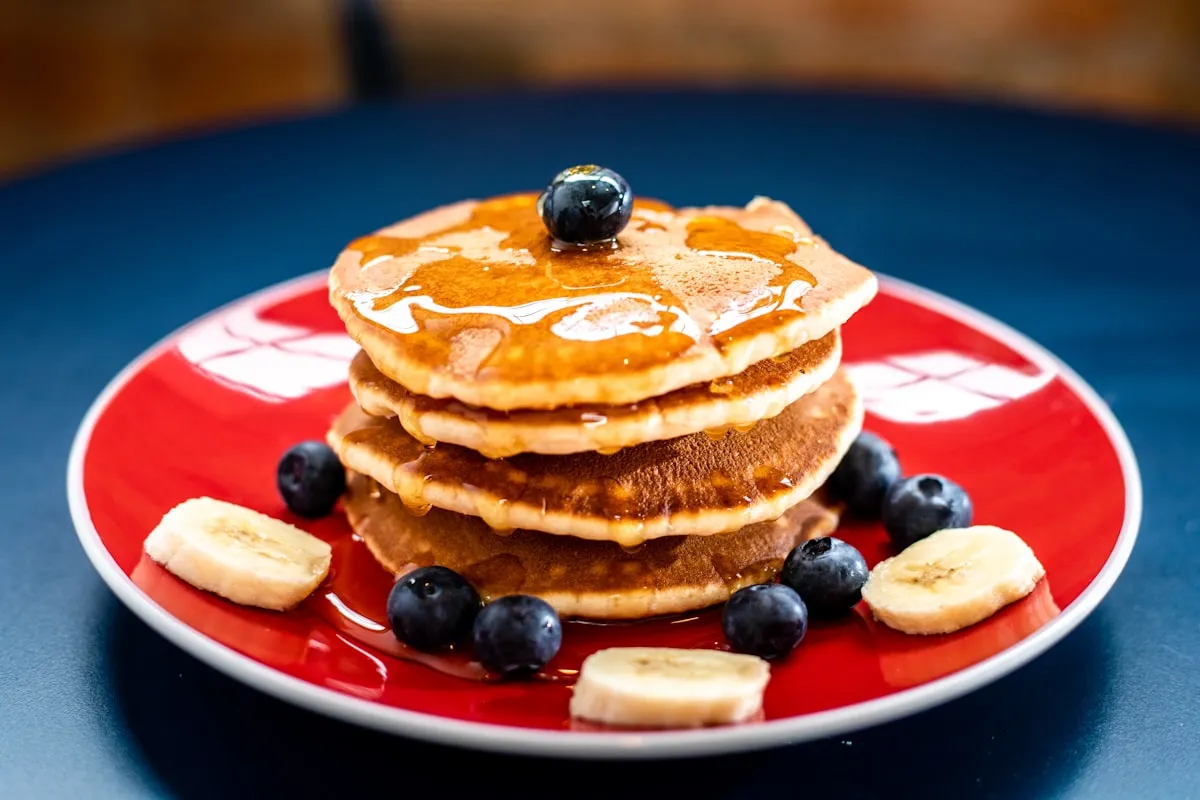
Let’s be honest: your “morning self” is probably not your “best self.” While the “evening you” is full of ambition, dreaming of sunrise yoga and a three-course artisanal breakfast, the version of you that actually wakes up is likely a frantic, semi-coherent entity fueled by the snooze button and a desperate need for caffeine. This is the fundamental disconnect that makes morning nutrition so difficult. We plan for a marathon but wake up barely able to find a matching pair of socks. Enter the overnight oat: the singular breakfast solution that bridges the gap between your late-night aspirations and your early-morning reality. It isn’t just a meal; it’s a gift from your past self to your future self, ensuring that even on your most chaotic days, you’re fueled by something better than a stale granola bar or a drive-thru pastry.
The Psychology of Prepping for the “Morning Monster”
The real genius of overnight oats lies less in the fiber and more in the psychology. We all suffer from something called “decision fatigue.” By the time you’ve decided what to wear and whether you have time for a shower, your brain’s ability to make a high-quality nutritional choice has plummeted. This is why easy healthy breakfasts that require zero morning input are so revolutionary. When the decision has already been made at 9:00 PM the night before, there is no room for the “Morning Monster” to negotiate for a donut. You simply open the fridge, grab the jar, and move on with your life.
The trick works because overnight oats remove friction. That sounds suspiciously like productivity-bro nonsense, but stay with me. A breakfast that is already mixed, chilled, and waiting for you has one job: make the smart choice the easy choice. In my book, that is not laziness. That is strategy. If you’re always hunting for healthy dinner ideas, quick family meals, or even air fryer recipes dinner shortcuts, the same logic applies: prep beats willpower almost every time.
Long-Duration Hydration: Why Raw Oats Get Better Overnight
When we talk about overnight oats, we are not just talking about a cute mason jar moment. We are talking about controlled hydration. Rolled oats have already been steamed and flattened during processing, which means they are primed to absorb liquid efficiently even without heat. Give them enough time, and water moves into the starch granules and fibrous structure of the oat. The flakes soften, swell, and lose that dusty raw edge. No stovetop drama required.
This long soak changes texture first. A short rest gives you chew. A proper overnight rest gives you creaminess. Push hydration too far and you get paste, which is breakfast sadness in a jar. Use enough liquid to hydrate the oat matrix, but do not drown it. Respect the ratio. Stir thoroughly. Then leave it alone. The fridge is doing quiet, boring, glorious work while you sleep.
Oat starch is the main player here. Oats contain starch granules made of amylose and amylopectin, and while full gelatinization usually happens with heat, cold soaking still lets those granules pull in moisture over time. Think of it like a sponge with manners. It does not explode instantly; it gradually relaxes. That gradual absorption is why overnight oats taste less raw and feel more cohesive by morning. The structure becomes tender without turning into hot cereal cosplay.
Chia seeds make this system even smarter. They are packed with soluble fiber and can hold a ridiculous amount of liquid. Once hydrated, they form a gel that thickens the whole mixture and helps suspend everything evenly. That is why a good jar of overnight oats feels spoonable rather than soupy. It is not magic. It is hydrocolloid behavior doing its little kitchen science dance.
Phytic Acid, Prebiotics, and the Gut-Friendly Side of the Soak
Now for the nerdy bit that actually matters. Oats naturally contain phytic acid, a storage form of phosphorus found in many grains, nuts, and seeds. Phytic acid is not evil, despite the internet’s dramatic need for villains. But it can bind certain minerals, including iron, zinc, calcium, and magnesium, making them a little harder for your body to absorb. Soaking can help reduce that binding effect, especially over a longer rest.
Here is the practical version: when oats sit in liquid for several hours, naturally occurring enzymes and the moist environment can encourage some phytate breakdown. The reduction is not absolute, and it is not a miracle cleanse. It is just a useful nudge in the right direction. Add an acidic ingredient, such as yogurt or a splash of something tangy, and you may improve that process further by creating conditions that help enzyme activity along. Translation: your lazy breakfast is doing extra credit.
The other big win is the prebiotic side of raw oats. Oats contain beta-glucan, a soluble fiber famous for helping with fullness and cholesterol management, but they also offer starches and fibers that can feed beneficial gut bacteria. In plain English, your gut microbes love leftovers, and hydrated oats are basically a polite buffet. When those microbes ferment certain fibers, they produce short-chain fatty acids that support gut health and may help with satiety and metabolic function. That is a lot of work from a breakfast you made while half-watching a show.
Use that knowledge wisely. Do not drown your oats in sugar and pretend the jar is a saint. Keep sweetness balanced. Let the oats do some of the heavy lifting. If you want healthy dinner ideas later in the day, great, but start your morning with something that actually earns its halo.
Another benefit of long hydration is digestibility. Dry oats can feel rough or heavy for some people, especially when eaten quickly. A good soak softens the fiber network and gives the whole mixture a more gentle texture. It is not literally predigested, but it often feels easier on the stomach than dry granola or rushed toast. If your gut is dramatic before 8 a.m., overnight oats are a peace treaty.
If you want to master quick healthy meals, treat the soaking liquid with respect. Don’t just settle for plain water. Use high-quality almond milk, coconut milk, or even a splash of Greek yogurt for a protein boost. The fat content in these liquids is what carries the flavor of your add-ins, whether that’s a pinch of sea salt or a dash of vanilla. Without that fat, the oats will taste flat and uninspired. Be firm about your ratios: too much liquid leads to soup; too little leads to a brick. Find that middle ground where the oats are soft but still retain their structural integrity.
Texture Control: The Non-Negotiables for Oats That Don’t Taste Sad
If your overnight oats are bland, gluey, or weirdly chalky, the culprit is usually technique, not the oat. Start with rolled oats if you want dependable texture. They hydrate evenly and soften without staying stubbornly raw in the center. Steel-cut oats can work, but they need more time and give a much chewier result. Use them only if you actually want that extra bite. Do not act surprised when they behave like tiny grain pebbles after one sleepy evening in the fridge.
Salt matters. Use a small pinch. Not enough to make the oats savory, just enough to wake up the sweetness and grain flavor. This is one of those tiny moves that separates “fine” from “why is this weirdly good?”
Fat matters too. A richer liquid coats the palate and helps flavors linger. Acidity matters as well. Add something tangy on top or alongside the oats to cut through the creaminess. Texture is all about contrast. Creamy base, bright finish, crunchy topping. That formula works because your mouth gets variety instead of one long beige note.
Beyond the Berry: Architecting the Perfect Variation
While the classic trio of oats, chia, and berries is a nutritional powerhouse, the beauty of this system is its versatility. Think of your oats as a blank canvas for flavor balancing. The core goal is to balance the natural creaminess of the oats with something acidic or crunchy. If you’re leaning into a tropical vibe, use coconut milk and top with lime zest and mango; the acidity of the lime cuts through the richness of the coconut perfectly.
Go deeper than “fruit on top” and think in contrast. If your base is rich and nutty, brighten it with citrus, tart berries, or a spoonful of yogurt. If your base is light and mild, add toasted seeds or nuts for crunch. If your oats lean sweet, bring in a tiny bitter note with cocoa or strong coffee. Good variation is not random. It is balance with better PR.
For those who crave something a bit more indulgent but still want to stay in the realm of healthy eating, a “PB&J” variation is non-negotiable. Swirl in a tablespoon of natural peanut butter and a handful of smashed raspberries. The saltiness of the nuts highlights the sweetness of the fruit without needing any refined sugars. You can even venture into the world of “carrot cake” oats by adding finely grated carrots, raisins, and a heavy hand of cinnamon. The fiber from the carrots adds volume without adding significant calories, making it an excellent hack for volume-eaters who want to feel full until lunch.
Another smart move is to build variation around digestive comfort. If you want a gentler bowl, keep toppings soft and moisture-friendly. If you want a more filling breakfast, choose toppings that slow you down and force actual chewing. The point is not to make overnight oats fancy for no reason. The point is to make them satisfying enough that you are not raiding the snack drawer at 10:17 a.m. like it personally offended you.
Side Dish Pairings: Balancing the Bowl
While a jar of overnight oats is often a complete meal, pairing it correctly can elevate your morning from “functional” to “professional.” If your oats are particularly rich, say, a version with cocoa and almond butter, you need something bright and sharp to reset your palate. A small side of grapefruit segments or a sharp ginger-lemon shot can provide the necessary contrast to all that creaminess.
Conversely, if you’re looking to maximize your protein intake, don’t just dump more powder into the oats. Pair your jar with two soft-boiled eggs on the side. The savory, sulfurous notes of the eggs provide a perfect counterpoint to the sweet, earthy profile of the oats. It’s about creating a breakfast experience that addresses all your taste receptors. If you have five extra minutes, a side of lightly sautéed greens with a squeeze of lemon can add a savory dimension that makes the entire meal feel like a luxury brunch rather than a rushed desk-lunch.
Think in terms of balance. Creamy oats love acid. Sweet oats love bitterness. Soft textures love crunch. If your jar is fruit-heavy and bright, pair it with something plain and protein-rich. If your jar is dense and nutty, pair it with something juicy and tart. This is the same balancing act that makes quick family meals feel more complete instead of slapped together. Breakfast deserves that same respect.
FAQ: Navigating the "What-Ifs" of Cold Oats
What if I hate cold food in the morning?
I hear you. Use the soak anyway, then warm the oats gently. The hydration work has already happened overnight, so you still get the softer texture and easier spoonability. Heat just enough to take off the chill. Blast it too hard and the starches tighten up, the mixture thickens aggressively, and your creamy jar can turn into breakfast caulk.
What if I soak them for only a couple of hours?
You can, but expect a rougher texture and less complete hydration. The oat flakes need time for moisture to move inward. A short soak softens the outside while leaving the center a bit raw and chewy. If you want the full pudding-like effect, leave them overnight. This is one of those cases where patience is doing the actual cooking.
Can I use steel-cut oats instead of rolled oats?
Technically, yes, but proceed with caution. Steel-cut oats are denser, less processed, and much slower to hydrate. They will not soften as much in one night, so expect a firmer, chewier jar. If that sounds delightful, carry on. If not, use rolled oats or a blend. Choose the oat for the texture you want, not for imaginary wellness points.
Does soaking really reduce phytic acid?
It can help, yes, but keep your expectations sane. Soaking creates a moist environment that can support some phytate breakdown, especially over a longer rest and especially if the mixture includes an acidic ingredient. It is not a total erase button. It is more like a gentle reduction that may improve mineral availability and digestibility. Small kitchen wins still count.
Are raw oats actually good for gut health?
For many people, yes. Raw soaked oats provide soluble fiber, including beta-glucan, plus other fibers and starches that can act as prebiotic fuel for beneficial gut bacteria. That means your breakfast is not just feeding you; it is feeding the tiny freeloaders in your digestive tract that help keep things running smoothly. Charming image, I know.
How long do they actually last in the fridge?
About five days is the usual safe window, but texture peaks earlier. The sweet spot is often around 12 to 24 hours, when the oats are fully hydrated but not collapsing into mush. By day four or five, they can become much softer and less distinct. Add crunchy toppings right before eating unless you enjoy the texture of damp cardboard.
What if my oats are too dry in the morning?
This is usually a ratio issue or a chia-seed flex. Chia keeps absorbing liquid as it sits, so the mixture can tighten overnight. Stir in a splash of milk and wait a minute before judging. The added liquid needs a moment to distribute. Do not panic and drown the jar immediately.
What if my oats turn gluey or gummy?
That usually means too much liquid, too much agitation, or too much time. Overmixed oats release more starch into the liquid, which can create a sticky texture. Use a good stir at the beginning, then stop fussing. Overnight oats reward restraint.
Is it really a complete meal?
It can be. Oats bring complex carbohydrates and fiber, chia contributes healthy fats and more fiber, and fruit adds freshness and antioxidants. If you also use a protein-rich liquid or pair the jar with something savory, you have a very solid breakfast. No, it is not magical. Yes, it is practical. That is better.
Can I meal-prep this without getting bored?
Absolutely. Build one neutral base and vary the toppings and flavor accents. Change acidity, crunch, and fruit instead of reinventing the whole jar every time. It is the breakfast version of smart systems, the same kind of thinking that makes air fryer recipes dinner and other routine meals feel less repetitive without making your life harder.
Troubleshooting Guide
| Issue | Root Cause | The Fix |
|---|---|---|
| Soggy/Mushy Oats | Too much liquid or soaking for too many days. | Use a strict 1:1 ratio; eat within 24-48 hours for the best structural integrity. |
| Dry/Brick-like Texture | Too little liquid or chia seeds absorbing too much moisture. | Stir in an extra splash of milk or yogurt right before eating to loosen. |
| Bland/Flat Flavor | Lack of fat or salt in the soaking liquid. | Use nut milks or yogurt; always add a tiny pinch of sea salt to highlight the sweetness. |
| Chewy/Al Dente Grains | Using steel-cut oats without enough soaking time. | Stick to rolled oats for creaminess, or soak steel-cut oats for a full 24 hours. |
| Separated Layers | Not stirred properly before soaking. | Give the jar a vigorous shake or stir before putting it in the fridge to ensure even hydration. |
Mastering the overnight oat isn't about following a rigid recipe; it's about understanding hydration, texture, and the quiet little science experiment happening in your fridge. Soak long enough to soften the grain, support better digestibility, and give those raw oats time to do their prebiotic best work. Start tonight, and your "Morning Monster" might just find itself replaced by someone who actually has their life together.