Recipe
Servings
Servings 1×
Ingredients
- Tofu
- Lentils
- Pasta
- Noodles
- Bread
- Spinach
- Kale
- Tomatoes
- Onion
- Garlic
- Lemon
- Balsamic vinegar
- Cream
- Hard cheese
- Cooking oil
Method
- Let’s be honest: traditional lasagna is a project.
- Use a heavy-bottomed pot to ensure even heat distribution.
- Use plenty of dried herbs like oregano and thyme during the sauté phase as well.
- Stir in a few handfuls of baby spinach or chopped kale during the last two minutes of cooking.
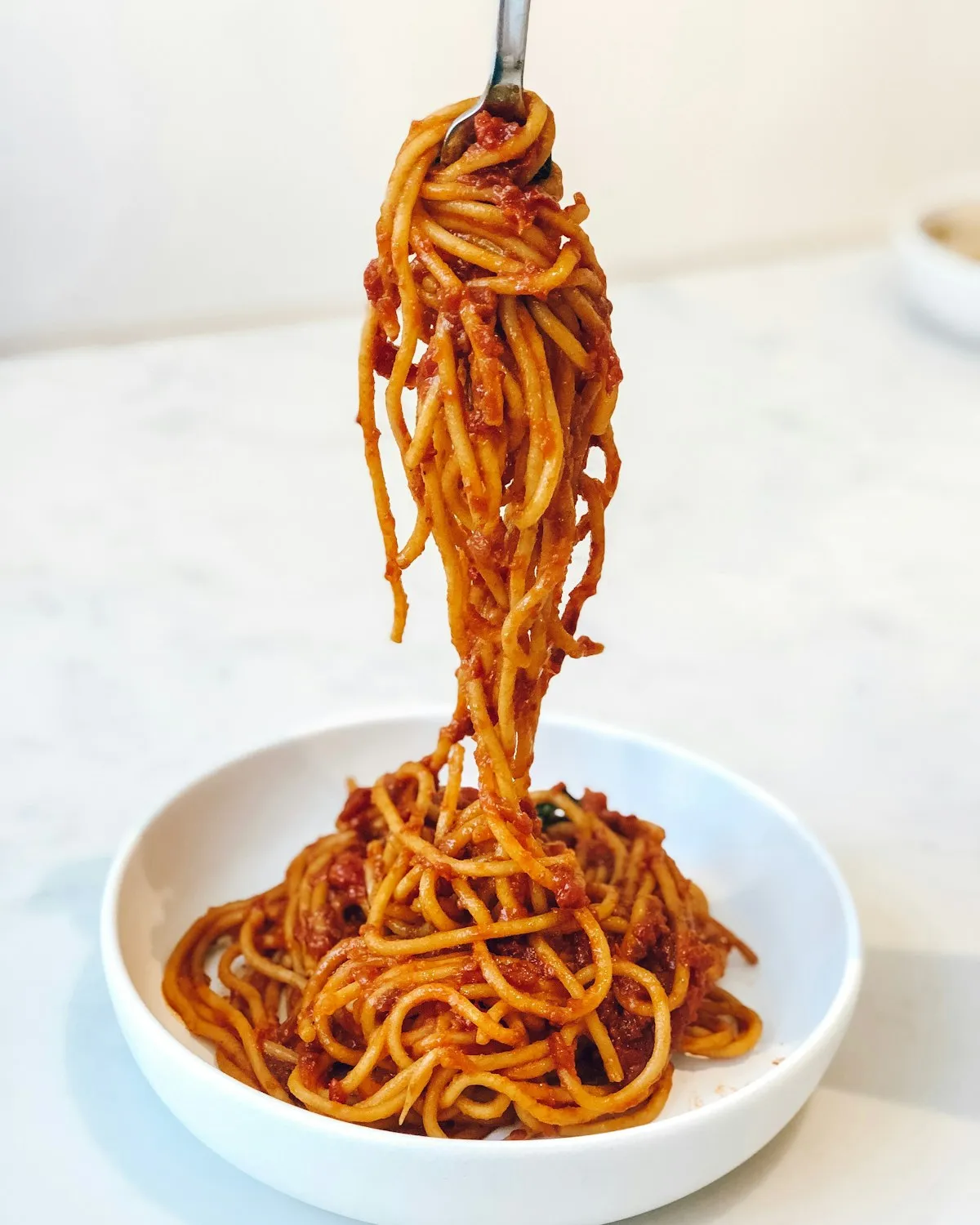
Let’s be honest: traditional lasagna is a project. It’s a labor of love that involves multiple pots, a sink full of dishes, and enough patience to wait for those layers to set without turning into a structural disaster. But what if I told you that you could have all that cheesy, tomato-laden comfort in a single pot, in about thirty minutes? Welcome to Batch 16 of our 100-recipe marathon. This One-Pot Vegetarian Lasagna Soup is the ultimate "soul-hug" in a bowl, designed for those nights when you want the complexity of a slow-cooked Italian feast but only have the bandwidth for something quick. It’s efficient, it’s vibrant, and it’s about to become a staple in your rotation of healthy dinner ideas.
The Science of the Sauté: Building Deep Flavor
Creating a vegetarian soup that doesn't taste like "watered-down vegetables" requires a bit of chemical engineering: specifically, the Maillard reaction. Most people treat the sautéing of aromatics as a mere formality, but this is where your soup’s soul is born. When you hit that pot with onions, garlic, and tomato paste, you aren't just softening them; you are rearranging their molecular structure to create hundreds of new flavor compounds.
Concentrate on the tomato paste. Use a heavy-bottomed pot to ensure even heat distribution. Don't just stir the paste in; let it sit against the hot surface of the pot until it transitions from a bright, acidic red to a deep, rusty brick color. This process, called "pincing," caramelizes the natural sugars in the tomatoes and removes that raw, tinny metallic edge. Avoid rushing this step. If the bottom of the pot develops a dark brown film (the "fond"), congratulations: you’ve just unlocked the "umami" level of your soup. Deglaze that fond with a splash of broth or balsamic vinegar to pull all those savory notes back into the liquid.
While we often lean on our air fryer recipes dinner for that perfect Maillard crisp, the stovetop method here achieves the same depth through reduction and concentration. Use plenty of dried herbs like oregano and thyme during the sauté phase as well. Fat is a flavor carrier, and many of the aromatic compounds in dried herbs are fat-soluble. By letting them toast in the oil for sixty seconds before adding the liquid, you ensure the flavor permeates every drop of the broth.
Starch Gelatinization: Why One Pot is Non-Negotiable
The biggest mistake you can make with lasagna soup is boiling the pasta in a separate pot. I know, the "rules" of pasta suggest plenty of salted water, but science says otherwise for soup. When you cook broken lasagna noodles directly in the tomato broth, you are performing a culinary magic trick called starch gelatinization.
As the pasta hydrates, it releases amylose and amylopectin molecules into the soup. These starches act as natural thickeners, creating a silky, velvety mouthfeel that mimics the richness of a cream-based soup without the heavy dairy. This emulsification is the secret to a broth that clings to the noodles rather than just running off them. Check your pasta frequently; you want it al dente because it will continue to carry residual heat even after you turn off the burner.
If you are looking for quick family meals that don't sacrifice texture, this "direct-boil" method is your best friend. It saves you a dish to wash and creates a cohesive, integrated flavor profile where the pasta actually tastes like the sauce it’s swimming in. Just remember: pasta is a sponge. It will continue to absorb liquid as it sits. If you’re planning on leftovers, keep a bit of extra vegetable broth on hand to loosen the soup back up the next day.
Textural Variations and Protein Pivots
One of the beauties of this dish is its adaptability. While the classic version focuses on the trio of ricotta, mozzarella, and parmesan, you can easily shift the profile to suit your dietary needs or what’s lingering in your crisper drawer.
For a boost of plant-based protein, consider adding brown lentils. Scientifically, lentils are a fantastic addition because they share a similar cooking time to the pasta and provide a "meaty" bite that mimics a traditional bolognese. If you choose this route, increase your liquid slightly, as lentils are even thirstier than noodles. You can also swap the traditional lasagna noodles for whole-grain versions, though be aware that the bran and germ in whole-wheat pasta will alter the starch release, resulting in a slightly grainier (but more nutrient-dense) broth.
If you’re feeling adventurous with your healthy dinner ideas, try a "green" variation. Stir in a few handfuls of baby spinach or chopped kale during the last two minutes of cooking. The residual heat is enough to wilt the greens without overcooking them, preserving their bright color and vitamin C content. For the cheese lovers, try a smoked provolone or a sharp fontina instead of mozzarella to add a layer of complexity that cuts through the sweetness of the tomatoes.
Mastering the Side Dish Balance
A rich, starch-heavy soup like this needs a companion that offers contrast. Think in terms of pH levels and texture. Because the soup is warm, soft, and slightly acidic from the tomatoes, your side dish should be cool, crisp, and perhaps a bit bitter to cleanse the palate.
A simple arugula salad topped with cherry tomatoes and a sharp lemon vinaigrette is the perfect partner. The peppery bite of the arugula cuts through the richness of the ricotta, while the lemon juice provides a bright top note that keeps the meal from feeling too "heavy." If you’re craving carbs on carbs (no judgment here), go for a crusty sourdough. The fermentation of the bread adds a tangy depth that pairs beautifully with the savory herbs in the soup.
Common Obstacles: The Science-Based FAQ
Why did my ricotta curdle when I stirred it into the soup?
Dairy and acid (like tomatoes) can be a volatile combination. When you add cold ricotta to a boiling pot of acidic soup, the proteins in the cheese can tighten and separate, leading to a grainy texture. To avoid this, use the "dollop method." Place a cold scoop of ricotta directly into the serving bowl and let the diner stir it in themselves. This creates a beautiful contrast of temperatures and ensures the cheese stays creamy.
Can I make this in an air fryer?
While we love our air fryer recipes dinner, this is one of the few recipes that really requires the depth of a traditional pot. You need the liquid submersion to hydrate the pasta and the surface area of a stovetop pot to properly caramelize the tomato paste. Stick to the pot for the soup, but feel free to use the air fryer to make some lightning-fast garlic bread to serve on the side!
My soup turned into a thick pasta mash. What happened?
You likely overcooked the pasta or let it sit for too long before serving. Pasta contains starch that continues to hydrate as long as it’s in liquid. If this happens, don't panic. Gently fold in a half-cup of warm vegetable broth or even a splash of water to "re-hydrate" the sauce. In the future, pull the pot off the heat about two minutes before the pasta is perfectly tender.
Is there a way to make this vegan without losing the creaminess?
Absolutely. The starch from the pasta already does a lot of the heavy lifting. To replace the ricotta, use a tofu-based "ricotta" blended with nutritional yeast and lemon juice. The nutritional yeast provides that "cheesy" umami hit, while the tofu mimics the curd-like texture of the original.
Why is my broth a bit bitter?
Bitterness usually comes from two sources: scorched garlic or over-reduced tomato paste. If you burn your aromatics at the start, there’s no coming back: you have to start over. However, if the bitterness is mild, a tiny pinch of sugar or a splash of balsamic vinegar can balance the acidity and mask the bitter notes. Science is all about balance!
This One-Pot Vegetarian Lasagna Soup is a testament to the idea that quick family meals don't have to be boring or nutritionally void. By understanding the "why" behind the sauté and the "how" behind the starch, you can turn a few pantry staples into a masterpiece that tastes like it took all day. Grab your biggest pot and get cooking!