Recipe
Servings
Servings 1×
Ingredients
- Noodles
- Rice
- Coconut milk
- Cream
- Cooking oil
- Curry spices
Method
- Prepare the ingredients described in the article and heat the cooking surface or oven as directed.
- Cook the main ingredients using the heat and timing guidance in the article.
- Finish with the seasonings and garnishes named in the article, then serve.
If you have ever stared at a pile of dirty dishes after a long day and thought, "I’d rather eat a shoe than wash these," then you are in the right place. Welcome to the world of one pot meals, where we treat your sanity with the respect it deserves. My obsession with efficiency isn't just about saving time; it’s about making sure that the distance between you and a bowl of something soul-warming is as short as possible.
Today, we are diving into the velvety, spicy, and borderline addictive world of Thai Red Curry Noodles. This isn't just a "throw everything in and hope for the best" situation. There is a method to the madness that ensures your coconut milk doesn't break and your noodles don't turn into a gummy heap of regret. If you are looking for easy dinner recipes that actually taste like they came from a high-end bistro, stick around. We are about to turn your kitchen into the best Thai spot in town, using only one burner and a single pot.
The Science of the Simmer: Emulsions and Starch
Cooking is essentially just a delicious chemistry experiment, and when it comes to one-pot noodles, two main characters are running the show: fat and starch. To get that glossy, restaurant-quality finish, you have to understand how these two interact.
The Art of the Bloom
First, let’s talk about the curry paste. Most people just plopping a glob of paste into a boiling liquid are doing it wrong. To truly unlock the flavor, you need to "bloom" the paste in fat. Red curry paste is packed with fat-soluble aromatics like dried chilis, lemongrass, and galangal. When you sauté the paste in the thick coconut cream (the solid stuff at the top of the can) or a splash of oil, you are essentially infusing that fat with flavor. This creates a more complex, layered taste that doesn't just sit on the surface but permeates every strand of your noodles.
Mastering the Coconut Emulsion
Coconut milk is a delicate emulsion of water and fat. If you boil it too vigorously or introduce too much acid too early, it will "break," leaving you with a greasy layer of oil floating on top of a watery broth. To avoid this, keep your heat at a gentle simmer. Think of it as a warm hug for your ingredients, not a hot tub party. If you see oil start to separate, don't panic, just drop the heat and whisk in a tiny splash of room-temperature water to help the molecules realign their life choices.
Harnessing Noodle Starch
The biggest perk of cooking noodles directly in the sauce is the starch release. As rice noodles cook, they shed starch into the surrounding liquid. This starch acts as a natural thickener, turning a thin broth into a velvety sauce that actually clings to the noodles. This is why we don't rinse the noodles first. We want that "liquid gold" starch to stay right where it belongs. However, this is a delicate balance. If you don't have enough liquid, the starch becomes "gluey." The secret is to keep a little extra broth or water on standby and add it 2–3 tablespoons at a time if the pot starts looking a bit too tight.
Variations to Suit Your Mood
One of the reasons this is one of my favorite healthy dinner ideas is its sheer versatility. You can pivot based on what’s in your fridge or how much of a workout you want your spice tolerance to have.
Protein Swaps
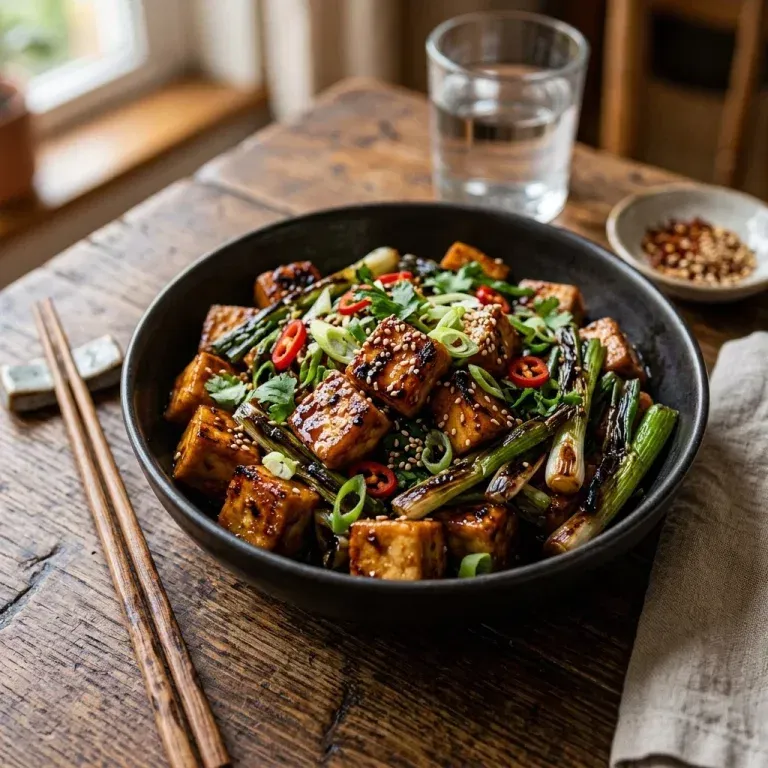
While shrimp is a classic partner for red curry (much like our Quick Shrimp Pad Thai), tofu is a fantastic plant-based alternative that soaks up the curry like a sponge. If you use tofu, try to use extra-firm and give it a quick sear or air-fry it beforehand to give it some structural integrity. Check out our Air Fryer Sesame Tofu techniques if you want that perfect crispy edge. If you are a meat eater, thinly sliced chicken breast or thighs work beautifully; just ensure you slice them thin enough to cook through during the few minutes the noodles are simmering.
Noodle Alternatives
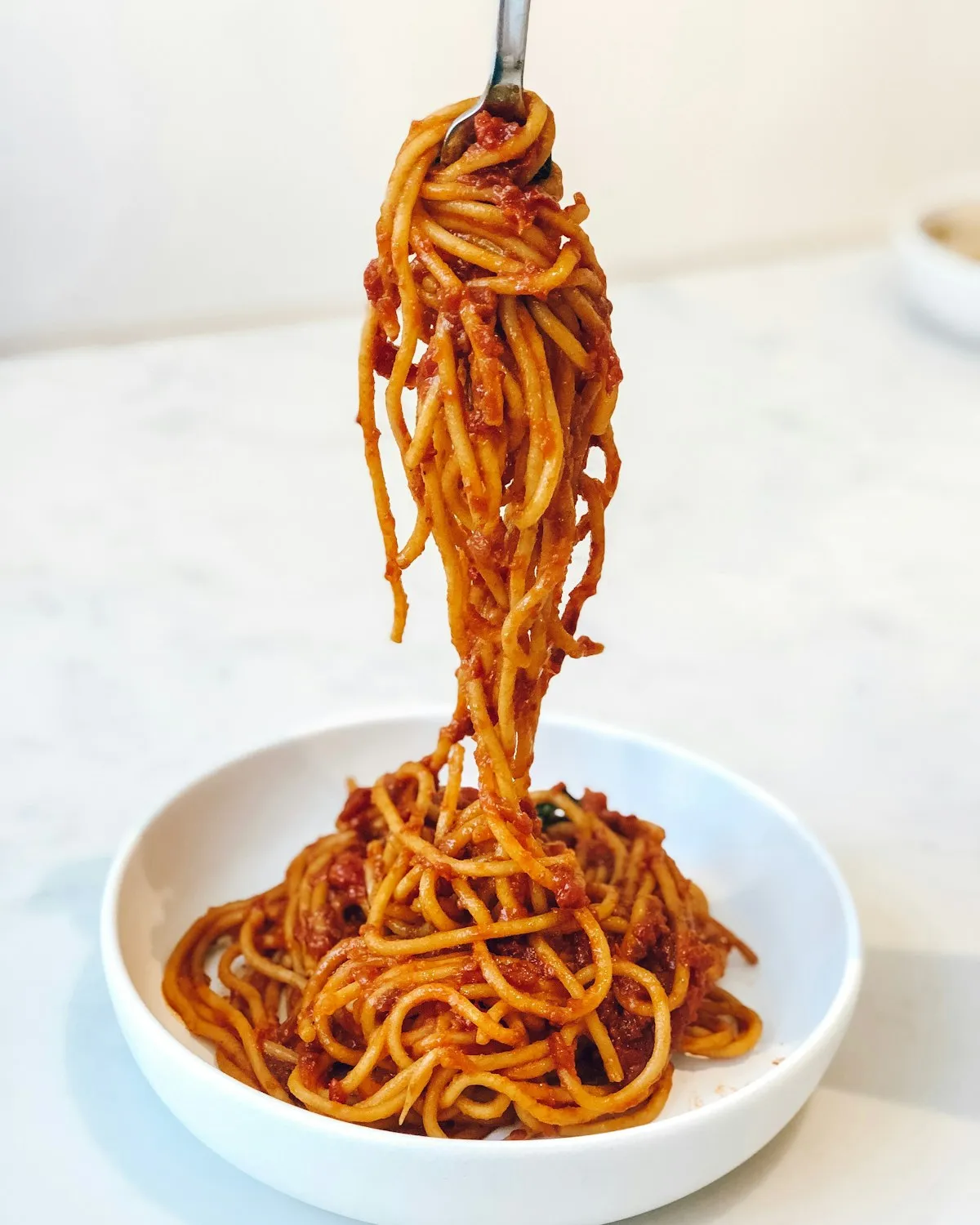
Rice noodles are the traditional choice here because of their neutral flavor and starch profile, but don't feel boxed in. Thick udon noodles can create a heartier, more "slurpable" dish, though they won't provide the same thickening starch as rice noodles. If you’re feeling adventurous, even a linguine can work in a pinch (though don't tell the traditionalists I said that). If you go the pasta route, you might want to check out our Spicy Tomato Basil Linguine for tips on achieving a similar glossy finish with wheat-based starches.
Vegetable Medleys
The base of this dish usually involves bell peppers and snap peas for that essential crunch, but the "one-pot" philosophy encourages cleaning out the crisper drawer. Baby corn, bamboo shoots, or even shredded kale can be added. Just remember the rule of density: hard veggies like carrots go in early, while delicate greens like spinach should only hit the pot when the heat is already off.
Side Dish Pairings for Balance
Because red curry is rich, creamy, and spicy, your side dishes need to provide a "counter-punch" of acidity and crunch. This is the secret to a meal that feels complete rather than heavy.
The Power of Acidity
A simple cucumber salad dressed in rice vinegar, a pinch of sugar, and a dash of sesame oil is the ultimate palate cleanser. The cool, crisp cucumber cuts right through the richness of the coconut milk. If you’re short on time, even a simple plate of sliced radishes and extra lime wedges will do the trick.
Textural Contrast
Think about adding something with a serious "snap." A quick slaw made of shredded cabbage and carrots with a lime-ginger dressing provides a structural contrast to the soft noodles. If you want to lean into the "comfort" side of things, a side of air-fried green beans with a dash of soy sauce adds a savory, charred element that complements the sweetness of the curry.
Common "What If" Questions (FAQ)
What if my sauce is too thick and gummy?
This usually happens if the noodles have absorbed all the liquid and are starting to clump together. The fix is simple: add more liquid, but do it gradually. Use warm broth or even a splash of coconut milk. Use tongs to gently lift and separate the noodles as you incorporate the liquid. Avoid "over-stirring," as you don't want to break the noodles into tiny pieces.
What if the curry is way too spicy?
We’ve all been there, sometimes a "tablespoon" of paste varies wildly in heat between brands. If your mouth is on fire, add more coconut milk or a teaspoon of brown sugar/maple syrup. The fat in the coconut milk helps dissolve the capsaicin (the heat molecule), and the sugar helps balance the perception of spice on your tongue. A squeeze of lime juice can also help brighten the flavors so the heat feels less overwhelming.
Can I use frozen vegetables?
Yes, but with a caveat. Frozen vegetables release more water than fresh ones as they thaw and cook. If you use them, add them towards the end of the process and slightly reduce your initial liquid amount to compensate. This prevents your "saucy" noodles from turning into "soupy" noodles.
Why did my noodles break apart?
This is almost always a result of over-soaking or over-cooking. If you are using dry rice noodles, only soak them until they are pliable (about 5 minutes in hot water), not until they are soft. They should finish their cooking journey in the pot. If you cook them until they are fully soft before adding them to the sauce, they will inevitably disintegrate.
Can I freeze the leftovers?
Rice noodles don't freeze particularly well; they tend to get mushy and lose their texture when thawed. However, if you have leftovers, they will keep in the fridge for about 2 days. When reheating, add a splash of water or broth to the pan to loosen the sauce back up, as the noodles will continue to absorb liquid as they sit.
Cooking should feel like an invitation, not a chore. By mastering a few basic scientific principles like blooming your aromatics and managing your starches, you can turn a humble one-pot meal into a centerpiece. Now, go grab your favorite pot and get simmering: your future self (and your dishwasher) will thank you.
{“@type”:”BlogPosting”,”image”:”https://cdn.marblism.com/images/red-curry-noodle-hero.webp”,”author”:{“name”:”Penny”,”@type”:”Person”},”@context”:”https://schema.org”,”headline”:”One-Pot Thai Red Curry Noodles”,”keywords”:”one pot meals, easy dinner recipes, healthy dinner ideas, Thai red curry, rice noodles”,”publisher”:{“logo”:{“url”:”https://cookpedia.com/logo.png”,”@type”:”ImageObject”},”name”:”Cookpedia”,”@type”:”Organization”},”description”:”Learn the science behind perfect One-Pot Thai Red Curry Noodles. Master coconut emulsions and noodle starches for an easy, restaurant-quality dinner.”,”datePublished”:”2026-05-22″,”articleSection”:”Recipes”,”mainEntityOfPage”:{“@id”:”https://cookpedia.com/one-pot-thai-red-curry-noodles”,”@type”:”WebPage”}}