Recipe
Servings
4 portions 1×
Serves 4 portionsPrep 10 minCook 20 minTotal 30 min
Nutrition per serving
Ingredients
- 400 g Italian Sausage casing removed
- 400 g Orecchiette Pasta
- 1 bunch Kale stems removed, chopped
- 3 cloves Garlic minced
- 1 liter Chicken Broth or water
- 50 g Parmesan Cheese grated
- 1 tsp Red Pepper Flakes optional
Method
- In a large skillet or Dutch oven, cook the sausage over medium-high heat, breaking it into small crumbles, until browned and cooked through.
- Stir in the minced garlic and red pepper flakes.
- Cook for about 1 minute until the garlic is fragrant.
- Add the orecchiette and the broth to the pan.
- Bring to a boil, then reduce heat and simmer, stirring frequently, until the pasta is al dente and the liquid has thickened into a sauce (about 10-12 minutes).
- Stir in the chopped kale during the last 2-3 minutes of cooking until just wilted and bright green.
- Remove from heat and let rest for 60 seconds.
- Stir in the grated Parmesan until the sauce is creamy and glossy.
- Serve immediately.
Welcome back to my blog! I am so excited to kick off our new series on the ultimate 30-minute meal playbook. If you are looking for quick family meals that don’t leave you standing at the sink for an hour scrubbing pots, you have come to the right place. Today, we are talking about a true heavy hitter in my kitchen: the One-Pot Sausage and Kale Orecchiette. This dish is the epitome of comfort food recipes easy enough for a Tuesday but fancy enough for a Saturday.
The Science of the One-Pot Emulsion
The magic of a one-pot pasta isn’t just in the convenience; it is in the chemistry. When we cook pasta in a large pot of boiling water and drain it, we throw away the most valuable ingredient in the kitchen: liquid gold, also known as starchy pasta water. In a one-pot dish, that starch stays right in the pan. As the orecchiette simmers, it releases amylose and amylopectin molecules into the cooking liquid. This creates a natural thickener that, when combined with the rendered fats from the sausage and a bit of cheese, creates a glossy, restaurant-quality emulsion.
To achieve this, you have to be mindful of your liquid-to-pasta ratio. Unlike traditional boiling, where the volume of water doesn’t matter much as long as the pasta is submerged, here it is a delicate balance. You want just enough liquid so that by the time the pasta reaches a perfect al dente bite, the water has reduced into a thick, shimmering glaze. If you see the pan getting too dry before the pasta is tender, add a splash more water or stock, but do it gradually.
The choice of orecchiette is also scientific. These “little ears” are designed to be tiny bowls. They catch the bits of crumbled sausage and the silky sauce, ensuring that every single mouthful is a balanced explosion of flavor. Because orecchiette is a thicker, denser pasta, it stands up beautifully to the one-pot method without turning into mush, which is a common pitfall when looking for healthy dinner ideas that actually taste good.
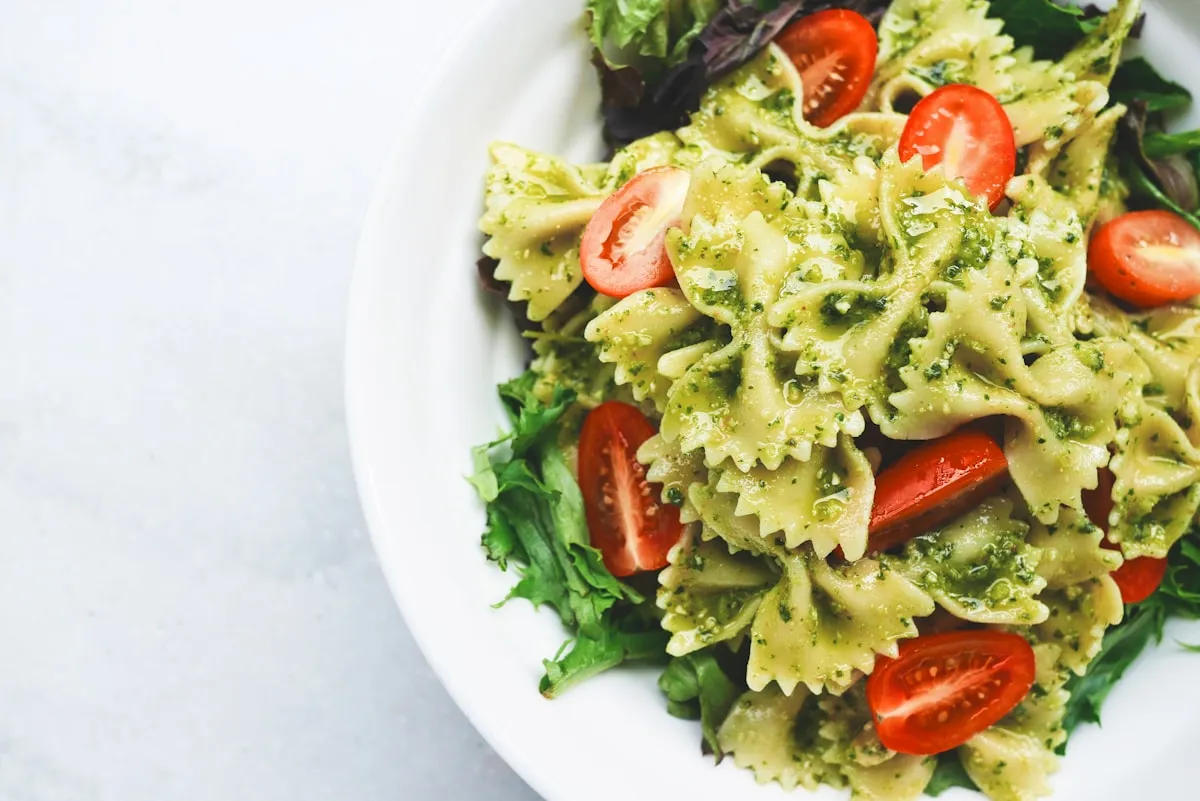
Mastering the Finish: Heat and Texture
The most common mistake people make with this dish happens in the final sixty seconds. Achieving that professional “pan-to-plate” finish requires strict temperature control. Once your pasta is cooked and your sauce has reached that beautiful, syrupy consistency, you must take the pan off the heat before adding your cheese.
If the pan is actively boiling or steaming heavily when the Parmesan or Pecorino hits the surface, the proteins in the cheese will clump together and separate from the fats. This results in a “broken” sauce that is grainy rather than smooth. By letting the pan sit for about sixty seconds: or “resting” the pasta: you allow the temperature to drop just enough so the cheese melts into a creamy coating that clings to every “ear.”
The kale also plays a structural role here. We aren’t looking to boil the kale into oblivion. Instead, we want to stir it in during the final minutes of cooking. The residual heat and the steam from the pasta are enough to wilt the leaves until they are tender but still retain a vibrant green hue and a slight bite. This contrast in texture between the soft, chewy pasta, the crispy browned bits of sausage, and the tender kale is what makes this one of the most satisfying comfort food recipes easy to master.
Flavor Profiles and Creative Variations
While the classic sausage and kale combo is hard to beat, the beauty of this technique is its versatility. For those seeking even more healthy dinner ideas, you can easily swap the pork sausage for a lean turkey or chicken sausage. If you want to go meatless, a spicy soy-based crumble or even canned cannellini beans work wonders. The beans, in particular, add even more starch to the pot, making the sauce extra velvety.
If you like a bit of a kick, “blooming” red pepper flakes in the rendered sausage fat before adding your liquid is a game-changer. This dissolves the capsaicin in the fat, distributing the heat evenly throughout the entire dish rather than leaving you with random spicy hot spots. For a brighter finish, I always recommend a squeeze of fresh lemon juice right at the end. The acidity cuts through the richness of the sausage and cheese, waking up all the other flavors.
You can also experiment with different greens. If kale is a bit too hearty for your family, try baby spinach or Swiss chard. Just keep in mind that spinach wilts almost instantly, so you’ll want to stir that in literally seconds before serving. If you are using chard, the stems take longer to cook than the leaves, so chop the stems finely and add them into the pan at the same time as your garlic and aromatics.
Completing the Meal: Side Dish Pairings
Even though this is a one-pot wonder, a few simple sides can elevate the experience. Since the orecchiette is quite rich and savory, I love pairing it with something high in acidity. A simple arugula salad with a sharp lemon vinaigrette and shaved radishes provides a crisp, peppery contrast that cleanses the palate between bites of creamy pasta.
If you aren’t worried about the extra carbs, a crusty loaf of sourdough is essential for mopping up any leftover sauce at the bottom of the bowl. Another great option is roasted broccolini with plenty of garlic. Since you’re already using the stovetop for the pasta, throwing a tray of veg in the oven is a “set it and forget it” way to add more nutrients to your quick family meals.
Frequently Asked Questions
Can I use a different pasta shape?
Absolutely! While orecchiette is traditional, any short, sturdy pasta like rigatoni, fusilli, or penne will work. Just avoid very thin shapes like angel hair, as they tend to overcook and break down too quickly in the one-pot starch slurry.
How do I prevent the pasta from sticking to the bottom?
The key is frequent stirring, especially in the first and last few minutes of the cooking process. As the starch is released, the liquid becomes thicker and more likely to catch on the bottom of the pan. A heavy-bottomed skillet or a Dutch oven is the best tool for the job to ensure even heat distribution.
Can I make this ahead of time?
One-pot pastas are best enjoyed immediately because the starch continues to absorb liquid even after you stop cooking. If you have leftovers, you will find the pasta has “drunk” all the sauce by the next day. To revive it, add a splash of water or broth when reheating to loosen the emulsion back up.
Is this dish freezer-friendly?
I generally don’t recommend freezing cooked pasta dishes, as the texture of the pasta often becomes mushy once thawed and reheated. This recipe is so fast that it’s usually better to make it fresh!
What if my sauce is too thin?
If your pasta is cooked but the sauce still looks like soup, remove the lid and turn up the heat for a minute or two. The rapid evaporation will quickly thicken the liquid. Conversely, if it’s too thick, just whisk in a tablespoon of warm water at a time until it reaches that perfect, glossy consistency.
Does the type of sausage matter?
Using a high-quality sausage with a good fat-to-lean ratio is important because that fat forms the base of your sauce. If you use an ultra-lean meat, you may need to add a tablespoon of olive oil to the pan to help the emulsion process along.
Thank you for joining me for the first installment of our one-pot series! Mastering the pan-to-plate finish is the secret to turning simple ingredients into a gourmet experience. Stay tuned for our next recipe where we dive into the science of creamy mushroom infusions! Be sure to explore more cooking tips on the blog.