Recipe
Servings
Servings 1×
Ingredients
- Ground turkey
- Beans
- Quinoa
- Rice
- Bread
- Cauliflower
- Tomatoes
- Cooking oil
- Black pepper
Method
- Use a heavy-bottomed skillet and heat a bit of oil over medium heat.
- Add your dry rice and stir it until the grains look opaque and smell slightly nutty.
- Use a tight-fitting lid to trap the steam.
- Add a kick of heat by tossing in diced jalapeños or a chipotle pepper in adobo sauce.
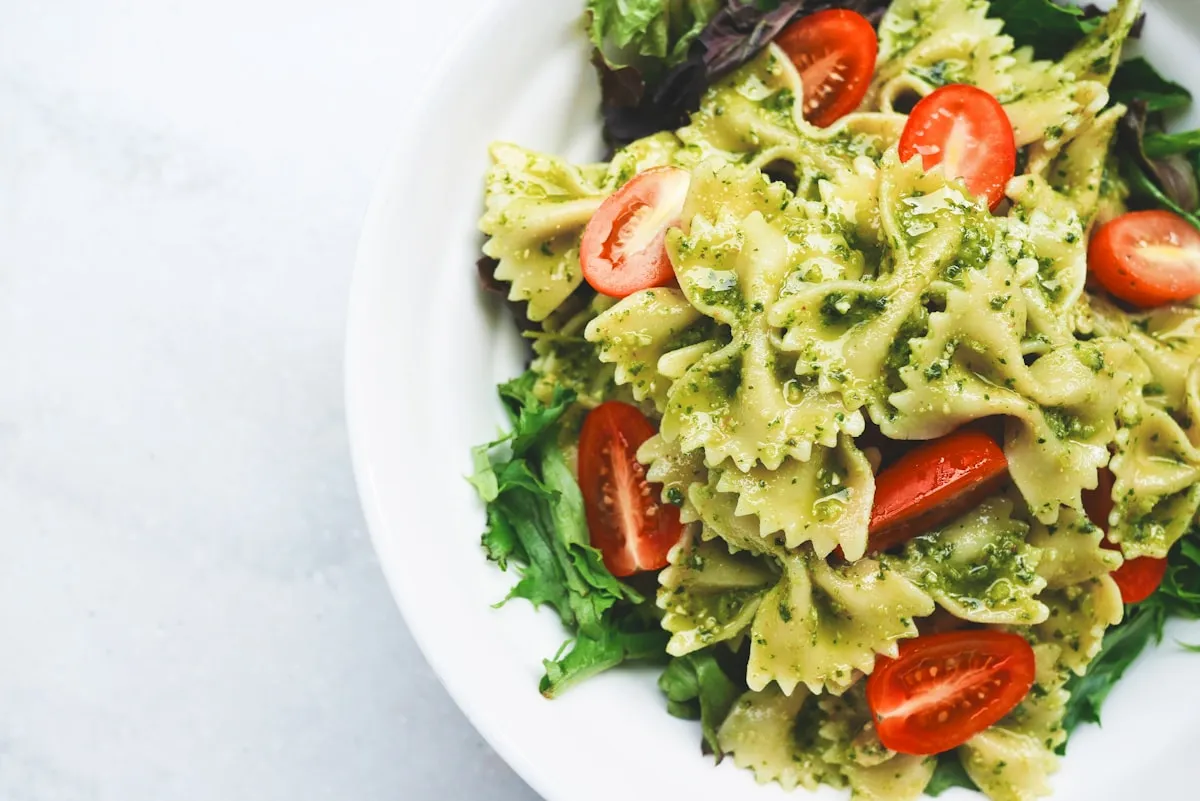
If you’re anything like me, the sight of a mountain of dishes after a long day is enough to make you consider ordering takeout for the third time this week. But let’s be real: your wallet and your waistline deserve better. That is exactly why I am obsessed with one pot meals. They are the ultimate kitchen hack for anyone who wants a home-cooked meal without the kitchen looking like a disaster zone. My One-Pot Mexican Rice and Bean Skillet is a staple in my house because it hits that perfect sweet spot between "I have zero time" and "I want something delicious." It’s a powerhouse of flavor, protein-packed, and sits firmly in the category of my favorite plant-based dinner ideas.
The Science of the Perfect Skillet
To make a skillet dish that doesn’t turn into a gummy, flavorless mush, you need to understand the physics of the pan. Most people make the mistake of just dumping everything in and hoping for the best. Don't be most people.
First, you must toast your rice. Use a heavy-bottomed skillet and heat a bit of oil over medium heat. Add your dry rice and stir it until the grains look opaque and smell slightly nutty. This is the Maillard reaction in action, adding a depth of flavor that raw rice simply can't provide. More importantly, toasting creates a protective starch barrier on the outside of each grain. This prevents the rice from releasing too much starch into the liquid, which is the primary cause of "mushy rice syndrome."
Next, pay attention to your liquid ratios. Because we are adding moisture-rich ingredients like salsa or diced tomatoes, you cannot use the standard 2:1 water-to-rice ratio. Reduce your water slightly to account for the liquid in the vegetables. Use a tight-fitting lid to trap the steam. The steam is what does the actual work here; it penetrates the grain evenly. If you keep lifting the lid to "check," you are letting the heat and pressure escape, leading to unevenly cooked rice.
Finally, let it rest. This is a non-negotiable step. Once the liquid is absorbed, turn off the heat and keep the lid on for at least five to ten minutes. This allows the moisture to redistribute throughout the pan, ensuring the rice at the top is just as tender as the rice at the bottom. Check the texture with a fork by fluffing, never stirring with a heavy spoon, to keep the grains intact.
Versatile Variations for Every Palate
The beauty of this skillet is that it serves as a canvas for whatever is lurking in your pantry. While I love it as one of my go-to plant-based dinner ideas, you can easily pivot based on who is sitting at your table. If you have meat-eaters to please, brown some ground turkey or lean beef in the skillet before adding the rice. The rendered fat will only add more flavor to the grains during the toasting phase.
If you are looking for quick family meals that pack a nutritional punch, try swapping the white rice for quinoa. Quinoa cooks faster and offers a complete protein profile, though you’ll need to adjust the liquid down even further as it’s less thirsty than long-grain rice. For those on a keto-leaning path, you can use cauliflower rice, but skip the simmering phase entirely, just sauté everything together for a few minutes until the "rice" is tender but still has a bite.
Add a kick of heat by tossing in diced jalapeños or a chipotle pepper in adobo sauce. If you prefer things mild, stick to smoked paprika and cumin for that earthy, southwestern vibe. The goal is a balanced profile where the creaminess of the beans offsets the acidity of the tomatoes and the bite of the spices.
Side Dish Pairings that Pop
Even though this is a complete meal on its own, the right side dish can elevate the whole experience. I always look for something with high acidity or crunch to cut through the starchiness of the rice and beans. A simple cabbage slaw with lime juice and cilantro is my first choice.
For those who love using their gadgets, look into some air fryer recipes dinner enthusiasts swear by, like crispy corn tortilla strips. Simply slice up a few corn tortillas, spray them with a tiny bit of oil, and air fry at 370°F for 5-7 minutes. They add a much-needed crunch to the top of your bowl. You can also toss some zucchini coins in the air fryer with chili lime seasoning for a fast, fibrous side. If you are browsing Cookpedia for more inspiration, you’ll find that these small additions turn a simple skillet into a feast.
Frequently Asked Questions
Why did my rice stick to the bottom of the pan?
This usually happens because the heat was too high or the lid wasn't tight enough. If the liquid evaporates too quickly before the rice is cooked, the sugars in the starch will begin to caramelize and eventually burn onto the pan. Use a heavy skillet (like cast iron or a thick stainless steel) to distribute heat more evenly and keep the simmer at the lowest possible setting.
Can I use brown rice instead of white rice?
Yes, but you have to be patient. Brown rice takes about 40-45 minutes to cook compared to 18-20 for white rice. You will also need about 25% more liquid. If you’re in a rush and need quick family meals, I recommend sticking with long-grain white rice or jasmine rice.
Are canned beans okay, or should I cook them from scratch?
In the world of healthy dinner ideas, canned beans are a total win. They are nutritionally similar to dried beans and save you hours of soaking and simmering. Just make sure to drain and rinse them thoroughly to remove excess sodium and that "canned" metallic taste. If you want more control over the texture, cooking from scratch is great, but for a weeknight skillet, canned is the way to go.
What do I do if the rice is still crunchy but the water is gone?
Don't panic. Add a splash of water (about 1/4 cup), put the lid back on immediately, and keep it on the low heat for another 5 minutes. The extra steam should finish the job. Avoid the temptation to stir, as this will break the grains and lead to a gummy texture.
Is this dish freezer-friendly?
Absolutely. Rice and beans freeze remarkably well. Let the skillet cool completely before portioning it into freezer-safe containers. When you’re ready to eat, reheat it in the microwave with a damp paper towel over the top: this creates a mini-steam chamber that revives the rice so it tastes fresh-cooked.
Whether you are looking for air fryer recipes dinner sides or just more healthy dinner ideas to add to your rotation, this Mexican rice and bean skillet is the reliable, one-pan wonder you’ve been searching for. It’s soulful, filling, and best of all, it keeps your kitchen clean. Now, get that skillet out and start toasting!