Recipe
Servings
4–6 1×
Serves 4–6Prep 15 minCook 35 minTotal 50 min
Ingredients
- 1 pound Italian sausage, removed from casings or sliced
- 1 tablespoon olive oil, if needed
- 1 medium yellow onion, chopped
- 1 carrot, chopped
- 1 celery stalk, chopped
- 3 garlic cloves, finely chopped
- 2 tablespoons tomato paste
- 1 teaspoon smoked paprika
- 3 cans white beans, drained and rinsed
- 3 cups low-sodium chicken stock
- 1 bay leaf and a few thyme sprigs
- 5 ounces fresh spinach
- ½ cup panko breadcrumbs
- 2 tablespoons chopped parsley
- 1 tablespoon lemon juice
- Salt and black pepper, to taste
- Grated Parmesan, optional
Method
- Heat a large pot over medium-high heat. Brown the sausage until deeply golden and cooked through. Transfer it to a plate, leaving the flavorful fat in the pot.
- Add the onion, carrot, and celery. Cook until softened and lightly golden. Stir in the garlic, tomato paste, and smoked paprika, cooking until fragrant and slightly darkened.
- Pour in the stock and scrape the browned bits from the bottom. Add the beans, bay leaf, and thyme. Bring the mixture to a gentle simmer.
- Reduce the heat and cook uncovered or with the lid slightly ajar for 15–20 minutes. Return the sausage to the pot and warm it through.
- Fold in the spinach until just wilted. Stir in the lemon juice, then adjust the seasoning.
- Mix the breadcrumbs with parsley and a little olive oil. Scatter them over the cassoulet and broil briefly, watching closely, until golden. Add Parmesan if you like.
A Cozy Cassoulet Without the All-Day Commitment
When I want a hearty dinner without creating a sink full of dishes, I reach for this sausage and white bean spinach cassoulet. It has the comfort of a slow-cooked stew, but it is practical enough for a busy Tuesday. Creamy beans, browned sausage, tender spinach, and a crisp breadcrumb topping turn simple ingredients into one deeply satisfying meal.
This is a weeknight cassoulet-inspired dish rather than a strict regional classic. For a look at the traditional French version, browse this cassoulet guide from Serious Eats. My version keeps the spirit, beans, savory meat, and a golden crust, while making the process much friendlier to home cooks.
Tips and Technique: Build Flavor in Layers
Brown the sausage before adding anything wet
Do not rush this part. Brown sausage in a wide, heavy pot until it develops a properly bronzed surface. This is the Maillard reaction: heat transforms proteins and sugars into hundreds of flavorful compounds that create savory, roasted notes.
The browned bits left on the bottom are called fond. Keep them. They are free flavor, and the stock will loosen them later. If your sausage releases a lot of fat, spoon some out before continuing, but leave enough to soften the vegetables.
Give the vegetables time to sweeten
Add the onion, carrot, and celery to the sausage fat and cook until softened. This is more than a warm-up act. Slow cooking drives off water and concentrates the vegetables’ natural sweetness, giving the cassoulet a rounded base instead of a sharp, watery one.
Add garlic later, not at the beginning. Garlic burns easily, and bitter garlic has a way of announcing itself in every bite. One minute is usually enough.
Toast the tomato paste
Stir the tomato paste into the softened vegetables and let it cook until it darkens slightly. This concentrates its flavor and removes the raw, metallic edge. Smoked paprika can join the party here, too, because briefly heating ground spices in fat helps release their aromatic oils.
Keep the heat moderate. Darker is good; scorched is not. If the paste sticks aggressively, move straight to the stock.
Simmer gently to protect the beans
Once the beans and stock go into the pot, lower the heat. Aim for a lazy bubble rather than a rolling boil. Vigorous boiling can split the bean skins and turn your cassoulet into a thick, uneven mash.
A gentle simmer also gives the beans time to release starch into the stock. That starch naturally thickens the liquid and creates a creamy texture without needing cream. Stir occasionally, but fold rather than scrape forcefully. Treat the beans like small, edible water balloons.
Keep the lid slightly ajar. This allows excess moisture to escape while the flavors mingle. If the cassoulet looks thin, simmer it uncovered for a few extra minutes. If it becomes too thick, loosen it with a splash of stock.
Add spinach at the finish line
Fresh spinach needs very little cooking. Add it after the beans have softened and the sausage has returned to the pot. The residual heat will wilt the leaves quickly while preserving more of their fresh color and tender texture.
Spinach releases water as it cooks, so wait until the very end to judge the consistency. If the cassoulet loosens, simmer it briefly without a lid. Do not cook the spinach for twenty minutes unless you are specifically aiming for green soup.
Finish with acid and crunch
A spoonful of lemon juice wakes up the entire dish. Acid balances the richness of sausage and cuts through the starchiness of the beans. Add it at the end so its bright flavor remains noticeable.
The breadcrumb topping is not decoration. It adds contrast to the soft beans and tender spinach. Toast it under the broiler for a minute or two, and watch it continuously. Breadcrumbs can go from golden to charcoal with astonishing confidence.
This is exactly the kind of practical dinner that fits into Cookpedia’s collection of one-pot meal recipes, where less washing-up is always welcome.
Variations for Different Dinner Plans
Swap the sausage according to what you have. Chicken sausage creates a lighter result, while smoked sausage adds a stronger campfire note. If using a particularly salty sausage, choose low-sodium stock and season only after simmering.
Make it vegetarian by replacing the sausage with sliced mushrooms, a drained can of chickpeas, or chopped roasted red peppers. Add a little extra smoked paprika for depth, and use vegetable stock. The beans still provide enough starch to make the cassoulet feel substantial.
Use kale instead of spinach when you want a sturdier green. Add it earlier so it has time to soften. Swiss chard works well, too, especially if you chop the stems finely and cook them with the onion.
For a tomato-forward version, add a can of crushed tomatoes and reduce the stock slightly. Balance the extra acidity with a small pinch of sugar only if needed. For a creamier finish, mash a few beans against the side of the pot rather than adding dairy.
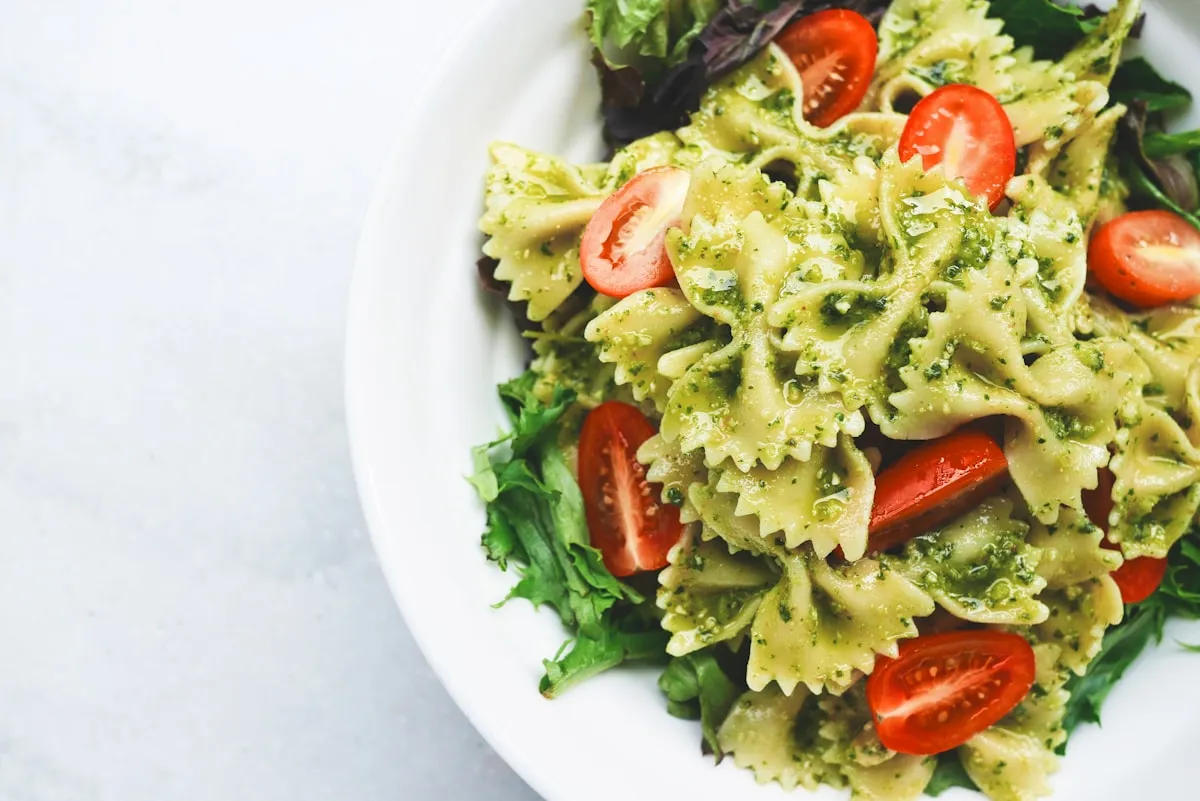
Side Dish Pairings That Keep Things Balanced
Serve the cassoulet with something crisp and fresh. A simple green salad with lemon vinaigrette is ideal because its acidity cuts through the sausage and creamy beans. Try Cookpedia’s salad collection when you want to change the dressing or add seasonal vegetables.
Add crusty bread for wiping the bowl clean, but keep it lightly toasted rather than buttery. The cassoulet already brings plenty of richness.
For a larger table, pair it with roasted carrots, steamed green beans, or a sharp cabbage slaw. Choose sides with crunch, brightness, or a little bitterness. Avoid serving it with another creamy casserole unless you enjoy food comas as a family activity.
Frequently Asked Questions
Can I use dried beans instead of canned?
Yes, but cook the dried beans fully before adding them to the cassoulet. Dry beans need a separate soaking and simmering stage, and they may not soften properly in the tomato-and-stock mixture. Acidic ingredients can slow softening, so start with tender beans and use the cassoulet pot mainly for combining flavors.
Why did my beans turn mushy?
The most common cause is excessive heat or over-stirring. Keep the liquid at a gentle simmer and fold the mixture carefully. Very soft canned beans can also break down quickly. Choose firm canned cannellini or great northern beans, rinse them gently, and avoid simmering longer than necessary.
Can I use frozen spinach?
Absolutely. Thaw it first and squeeze out excess water. Add it near the end, just as you would fresh spinach. Frozen spinach is already softened, so it only needs enough heat to warm through. Adding it frozen can dilute the cassoulet and make the final texture watery.
What if my cassoulet is too thin?
Simmer it uncovered for several minutes to evaporate excess liquid. You can also mash a small portion of the beans against the side of the pot and stir them back in. Their natural starch will thicken the sauce. Avoid adding flour directly, which can create lumps and dull the clean bean flavor.
What if it is too thick?
Add warm stock a little at a time until the consistency is spoonable. Remember that the cassoulet will thicken as it cools, especially once the beans’ starch settles. Stop when it looks slightly looser than you want on the plate.
Can I prepare it ahead?
Yes. Make the bean and sausage mixture up to two days ahead, refrigerate it promptly, and reheat gently on the stove. Add the spinach and lemon juice during reheating, then apply fresh breadcrumbs just before serving. Store the topping separately so it stays crisp.
Can I freeze leftovers?
Freeze the cassoulet without the breadcrumb topping. Beans can soften after freezing and thawing, but the dish will still be delicious. Cool it completely, store it in an airtight container, and thaw it in the refrigerator before reheating slowly with a splash of stock.
Is this a healthy dinner?
It can fit comfortably into a balanced rotation, especially when served with a bright salad or extra vegetables. Beans provide fiber and plant protein, while spinach adds color and nutrients. Sausage brings flavor but can also be high in sodium and saturated fat, so choose a variety you enjoy, use low-sodium stock, and keep the portion of sausage balanced with plenty of beans and greens. For more practical healthy dinner ideas, keep the same principle in mind: build meals around satisfying, minimally processed foods without making dinner fussy.
Make this cassoulet when you want a generous, comforting dinner with a short cleanup. Brown well, simmer gently, add spinach late, and finish with something bright and crisp. Those are the non-negotiables: and they are what make simple one pot meals taste like you worked much harder than you did.