Recipe
Servings
Servings 1×
Ingredients
- Chicken
- Shrimp
- Chickpeas
- Fettuccine
- Pasta
- Noodles
- Rice
- Bread
- Cauliflower
- Zucchini
- Mushrooms
- Spinach
- Tomatoes
- Garlic
- Lemon
- Cream
- Hard cheese
Method
- Use a heavy skillet and get it hot before the meat touches the surface.
- Pat your chicken dry with paper towels first.
- Keep your heat at a gentle simmer once the heavy cream and Parmesan are added.
- Add the leaves at the very end.
- Keep in mind that seafood cooks much faster than poultry.
- Sear the shrimp quickly, about two minutes per side, and set them aside.
If you have ever stared at your kitchen counter at 6:00 PM wondering how to feed a hungry family without spending the next two hours scrubbing pans, you are in the right place. We are diving into the world of one pot meals, specifically a dish that feels like a fancy Italian getaway but cleans up in five minutes. This Creamy Tuscan Chicken is the ultimate solution for anyone craving something indulgent yet manageable. It is fast, it is savory, and it will definitely become one of your favorite quick family meals.
The Science of Searing and Smooth Sauces
The magic of this dish isn't just in the ingredients; it is in the chemistry. To get that deep, restaurant-quality flavor, you must respect the Maillard reaction. This is the chemical reaction between amino acids and reducing sugars that gives browned food its distinctive flavor. When you sear your chicken, do not just cook it, brown it.
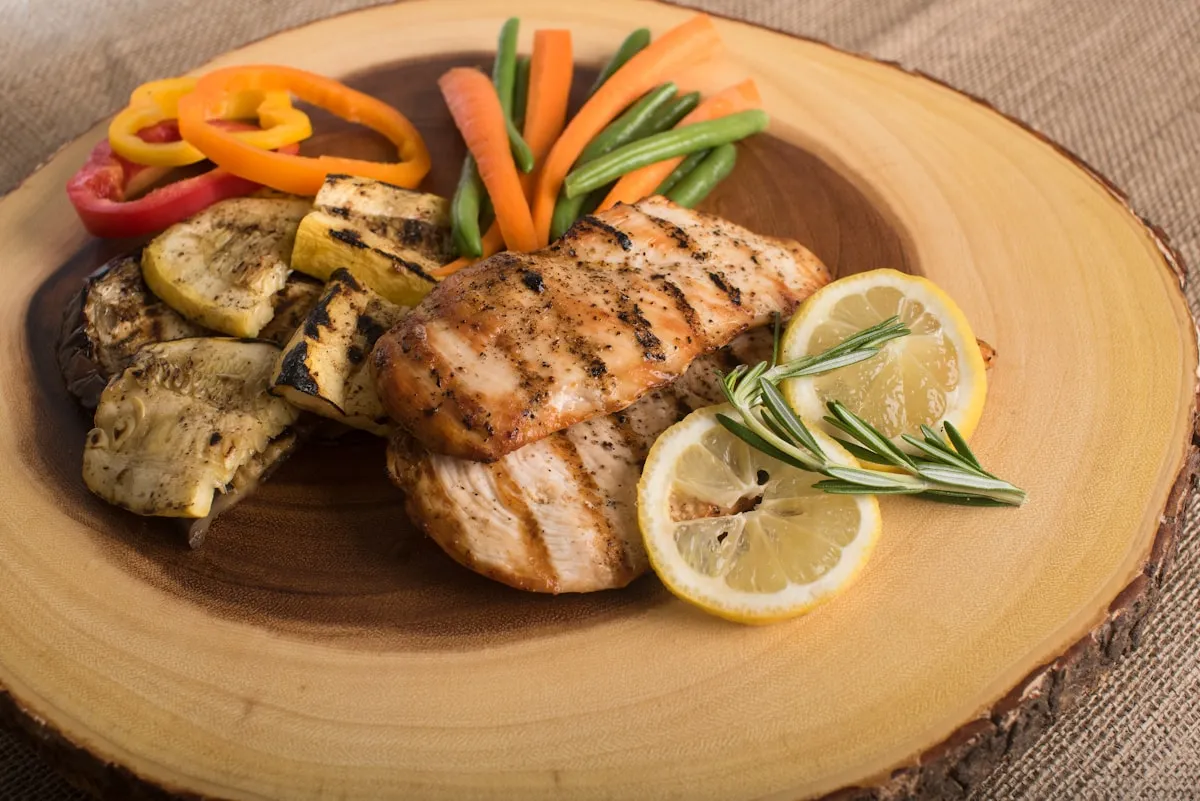
Use a heavy skillet and get it hot before the meat touches the surface. Pat your chicken dry with paper towels first. Moisture is the enemy of a good sear; if the chicken is wet, it will steam instead of brown. Once the chicken hits the pan, leave it alone for a few minutes. If you try to flip it and it sticks, it is not ready. Wait for it to release naturally, revealing a golden-brown crust.
After you remove the chicken, you will notice brown bits stuck to the bottom of the pan. This is called "fond," and it is pure gold. Do not wash that pan! When you add your liquids, you are performing a technique called deglazing. The liquid dissolves those caramelized bits, incorporating all that concentrated savory goodness directly into your sauce. This is a fundamental step in making high-impact chicken recipes that taste like they simmered for hours.
Managing the cream is the next scientific hurdle. You are essentially creating a fat-in-water emulsion. Keep your heat at a gentle simmer once the heavy cream and Parmesan are added. If you let the sauce reach a violent boil, the proteins in the dairy can clump together and separate from the fat, leaving you with a grainy, oily mess. Simmering gently allows the water in the cream to evaporate, naturally thickening the sauce while the cheese melts into a silky suspension.
Finally, time your spinach correctly. Spinach is mostly water held within delicate cell walls. If you add it too early, those walls collapse, the water leaks out, thinning your beautiful sauce, and the leaves turn a dull, muddy green. Add the leaves at the very end. The residual heat is plenty to wilt them into a vibrant, bright green finish without ruining the texture of the dish.
Swaps and Sophisticated Variations
While the classic version is hard to beat, you can easily adapt this to fit different healthy dinner ideas. If you are looking for a keto-friendly option, this recipe is already nearly there. Just ensure you are using full-fat heavy cream and perhaps swap the sun-dried tomatoes for fresh cherry tomatoes if you are strictly monitoring sugar content.
For a seafood twist, try substituting the chicken with large shrimp or scallops. Keep in mind that seafood cooks much faster than poultry. Sear the shrimp quickly, about two minutes per side, and set them aside. Follow the sauce-making steps exactly as written, then nestle the shrimp back in at the very end just to warm through.
If you want a plant-forward version, chickpeas or thick slices of roasted portobello mushrooms work beautifully as the protein base. The earthiness of the mushrooms complements the acidity of the sun-dried tomatoes perfectly. For those who enjoy their air fryer recipes dinner style, you can even air fry the seasoned chicken breasts separately to get an extra crispy exterior before slicing them and adding them to the pan-made sauce.
Perfect Side Dish Pairings
Because this dish is rich and creamy, you want side dishes that offer either structural support or a sharp contrast in acidity.
- The Classic Starch: Serve this over a bed of al dente linguine or fettuccine. The sauce is designed to cling to the pasta, turning it into a complete, comforting meal.
- The Bread Component: A crusty baguette or garlic bread is non-negotiable for some. You need something to mop up every last drop of that Tuscan sauce.
- The Acidic Contrast: Balance the richness with a bright, crisp arugula salad tossed in a simple lemon vinaigrette. The peppery bite of the arugula and the sharp citrus cut right through the heavy cream.
- Low-Carb Options: Zucchini noodles (zoodles) or steamed cauliflower rice are excellent for soaking up the sauce without adding heavy carbs.
Frequently Asked Questions
Why did my sauce separate or turn oily?
This usually happens because the heat was too high. High heat causes the proteins in the cream and cheese to tighten and squeeze out the fat. Always turn the heat down to medium-low before stirring in your dairy and cheese. If it starts to separate, try whisking in a tablespoon of warm water or broth very quickly to help re-emulsify the sauce.
Can I use milk instead of heavy cream?
You can, but the science changes. Milk has a much higher water content and lower fat content than heavy cream, making it far more likely to curdle when it hits the acidic sun-dried tomatoes or the heat of the pan. If you must use milk, mix a teaspoon of cornstarch into the cold milk before adding it to the pan to help stabilize it.
My chicken is dry even though it's in sauce. What happened?
Dry chicken is a result of overcooking during the initial sear. Remember, the chicken will continue to cook slightly when you add it back into the hot sauce. Aim to cook the chicken to about 160°F during the sear; it will reach the food-safe 165°F while resting and reheating in the pan.
Can I use frozen spinach?
Yes, but you must squeeze every possible drop of water out of it first. Thaw it completely and wring it out in a clean kitchen towel. If you add frozen spinach directly to the pan, the excess moisture will turn your creamy sauce into a watery soup.
How do I store and reheat leftovers?
Store in an airtight container for up to three days. When reheating, do it gently on the stovetop over low heat. Add a splash of water or chicken broth to loosen the sauce, as it will thicken significantly in the fridge. Avoid the microwave if possible, as it often heats unevenly and can cause the sauce to break.
{“@type”:”BlogPosting”,”image”:”https://cdn.marblism.com/YjKFtIlffMO.webp”,”author”:{“name”:”Penny”,”@type”:”Person”},”@context”:”https://schema.org”,”headline”:”One-Pot Meals: Creamy Tuscan Chicken and Spinach with Sun-Dried Tomatoes”,”publisher”:{“logo”:{“url”:”https://cdn.marblism.com/KxroJ1kM_KA.webp”,”@type”:”ImageObject”},”name”:”Cookpedia”,”@type”:”Organization”},”description”:”Learn the science behind making the perfect one-pot Creamy Tuscan Chicken. Master the Maillard reaction, deglazing, and emulsification for a restaurant-quality meal at home.”,”datePublished”:”2026-07-27″,”mainEntityOfPage”:{“@id”:”https://cookpedia.com/blog/creamy-tuscan-chicken”,”@type”:”WebPage”}}