Recipe
Servings
Servings 1×
Ingredients
- Chicken
- Pasta
- Rice
- Garlic
- Lemon
- Cream
- Butter
- Black pepper
Method
- Add a simple vegetable or spoon it over rice, and you have the kind of dinner that makes a busy evening feel pleasantly under control.
- Start with chicken pieces of similar thickness.
- Pat the surface dry before seasoning.
- Give the chicken enough room in the skillet.
- Lower the heat after browning the chicken, then let the garlic cook gently in the butter and pan juices.
- Stir it just until fragrant, then move on.
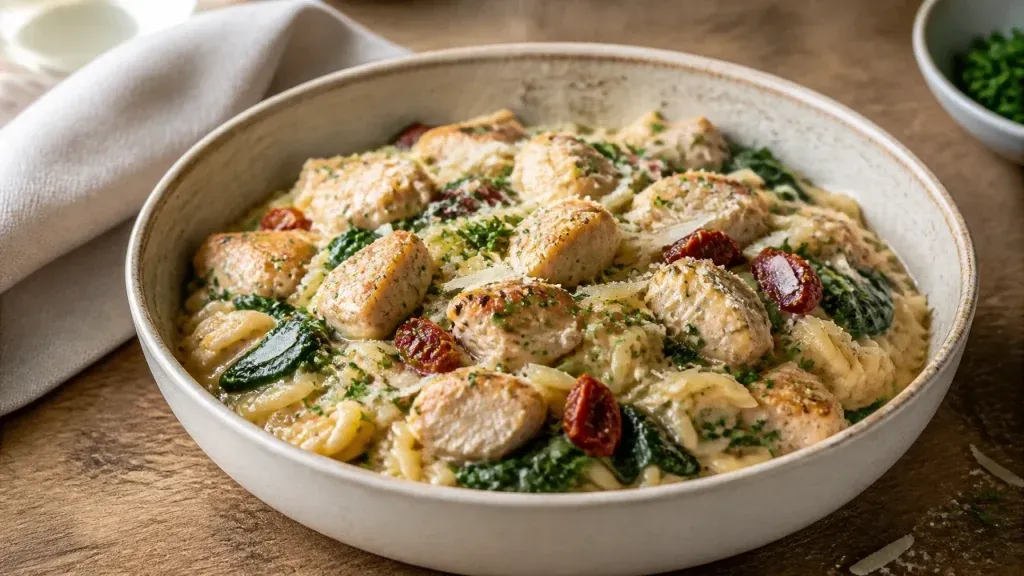
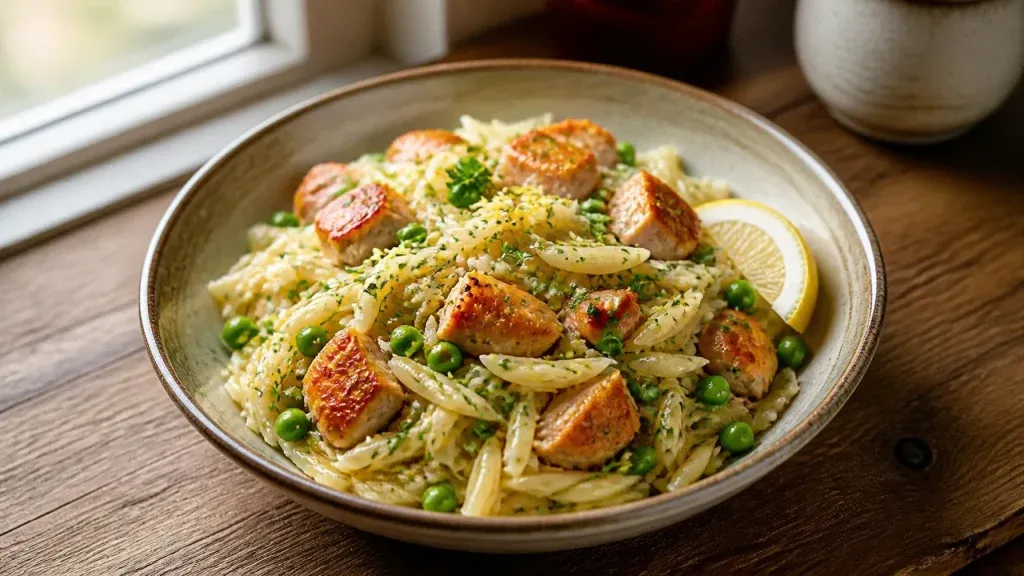
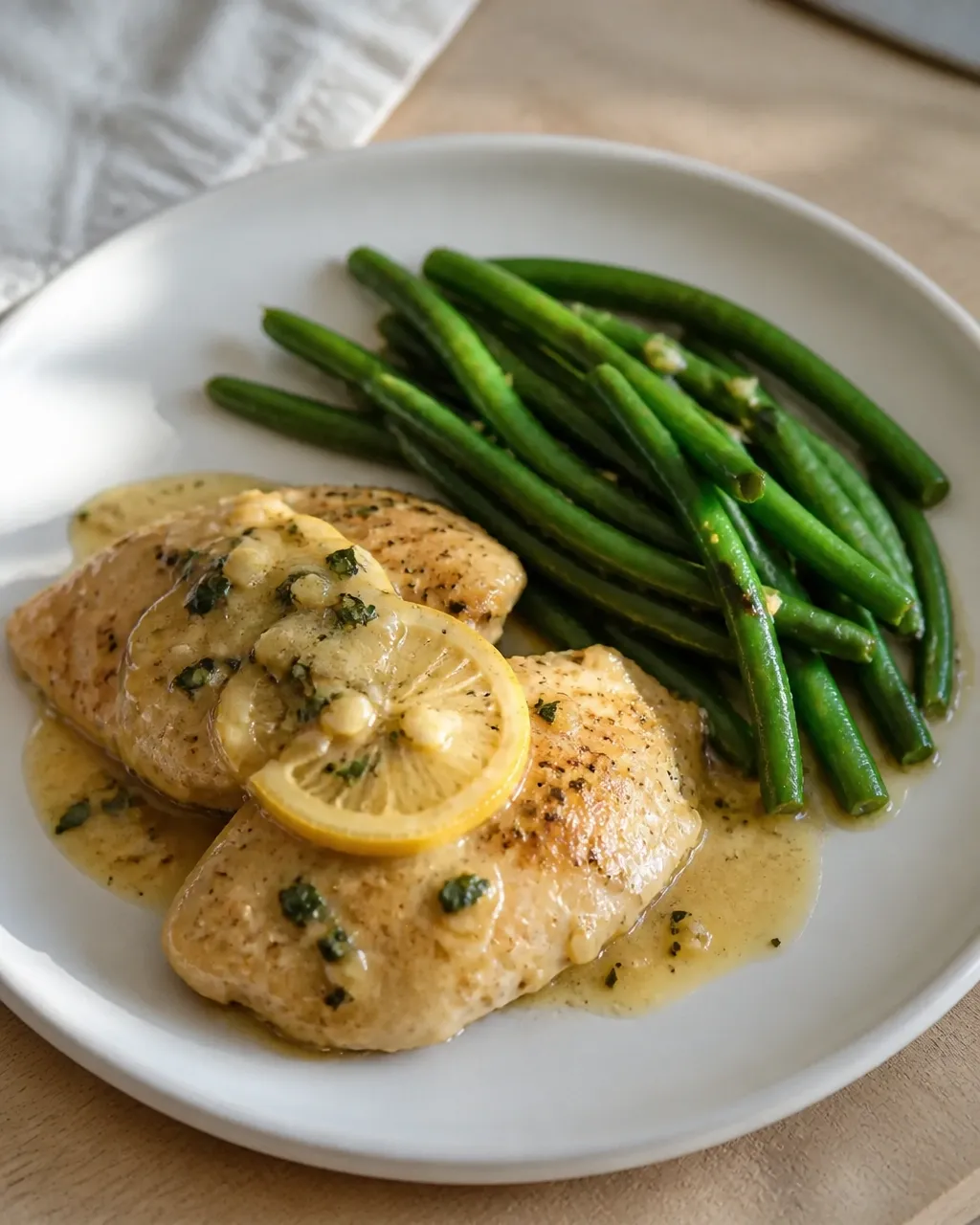
Some dinners ask you to brown, simmer, boil, bake, and wash half the kitchen afterward. This creamy lemon garlic butter chicken skillet asks for one pan and a little attention to heat. The reward is tender, golden chicken tucked into a silky sauce with enough lemon to keep the butter from feeling heavy. Add a simple vegetable or spoon it over rice, and you have the kind of dinner that makes a busy evening feel pleasantly under control.
Tips & Technique: Build Flavor in Layers
Brown the chicken before you make the sauce
Do not rush the sear. Browning is not just decoration; it creates the deep, savory flavor that makes a one-pot meal taste as though you worked much harder than you did.
Start with chicken pieces of similar thickness. If one piece is dramatically thicker than the others, flatten or butterfly it so everything cooks at roughly the same pace. Pat the surface dry before seasoning. Excess moisture creates steam, and steam is the enemy of a proper golden crust.
Give the chicken enough room in the skillet. Crowding traps moisture and lowers the pan temperature, leaving you with pale chicken and a suspicious puddle. Work in batches if necessary. A little patience here pays for itself in flavor.
The browned bits left behind are called fond. Treat them like edible treasure rather than burnt debris. They contain concentrated Maillard flavors created when proteins and sugars react under heat. You will loosen those bits later with liquid, turning the bottom of the skillet into the foundation of the sauce.
Control the heat when garlic joins the party
Garlic brings wonderful flavor, but it can go from fragrant to bitter in a remarkably short time. Lower the heat after browning the chicken, then let the garlic cook gently in the butter and pan juices.
Avoid adding garlic to a screaming-hot, dry skillet. It may scorch before the sauce even begins. Stir it just until fragrant, then move on. The goal is rounded garlic flavor, not a smoky little punishment.
This is also the moment to add any dried herbs or cracked pepper. Fat carries flavor, so blooming seasonings briefly in butter helps distribute them throughout the finished sauce.
Deglaze, then reduce for concentration
Pouring liquid into the warm skillet loosens the fond. Scrape the bottom thoroughly with a wooden spoon or spatula. Those browned particles dissolve into the liquid and give the sauce a savory backbone.
Let the lemony stock base reduce before adding the dairy. Reduction removes water and concentrates flavor, which means you can use less liquid without ending up with a thin, timid sauce. It also gives the sauce a head start on thickening.
Keep the simmer steady rather than aggressive. A hard boil can make the liquid evaporate unevenly and may leave the garlic tasting harsh. Gentle bubbling is enough to develop flavor while you watch the pan.
Add butter and cream with respect
The most important rule for this dish is simple: do not boil the sauce after the cream goes in.
Cream contains milk proteins and water, while butter contributes fat. You want those components to stay together in a smooth emulsion. High heat, especially combined with lemon’s acidity, can encourage the dairy proteins to tighten and separate. That is how a glossy sauce becomes grainy, oily, or curdled.
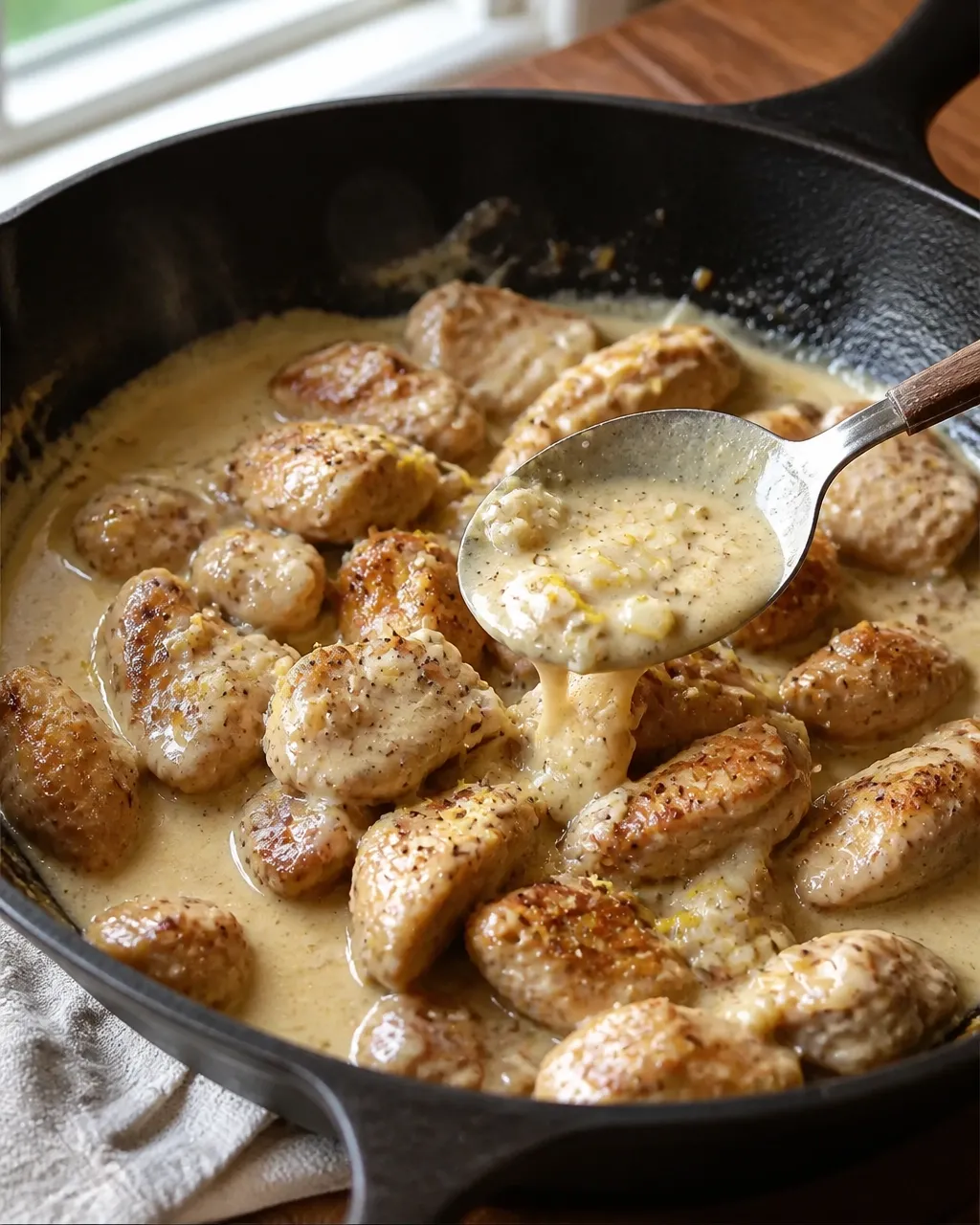
Take the skillet off the heat or turn the burner very low before enriching the sauce. Whisk in the butter gradually, then add the cream and warm everything gently. Stir until the sauce looks cohesive and lightly coats the back of a spoon.
Use heavy cream rather than low-fat milk when possible. Its higher fat content gives the sauce more stability and a fuller texture. If you prefer a lighter result, reduce the amount of cream rather than replacing it with a very thin dairy product and expecting the same behavior.
Add the final squeeze of lemon carefully. The sauce should taste bright, not sharply sour. Lemon is there to cut through butter and cream, not to turn dinner into a citrus beverage.
Finish the chicken safely
Return the chicken to the sauce so it can absorb some of the garlic, lemon, and butter flavor as it finishes cooking. Keep the heat gentle. The sauce should barely simmer, not tumble like a pot of pasta water.
Check the thickest part of the chicken with an instant-read thermometer. Chicken should reach 165°F (74°C) for food safety. Insert the thermometer into the center of the thickest piece and check more than one piece if their sizes vary. The Allrecipes lemon garlic chicken guide also emphasizes checking chicken for doneness rather than relying only on cooking time.
Rest the chicken briefly before serving. Resting allows the juices to settle instead of rushing onto the plate the moment you cut into it. The sauce will also thicken slightly as it cools, which is exactly what you want.
For more ideas built around minimal cleanup, browse Cookpedia’s one-pot meals and quick meals.
Variations: Keep the Balance Intact
Make it vegetable-forward
Add quick-cooking vegetables such as spinach, green beans, broccoli florets, or sliced mushrooms. Choose vegetables that either cook quickly or can handle a little simmering without collapsing. Stir delicate greens in near the end so they wilt without turning dull.
Mushrooms bring savory depth and absorb the sauce beautifully, while green beans add a crisp contrast. Broccoli contributes bitterness and texture, which works well against the rich butter base.
Try chicken thighs
Boneless, skinless thighs are more forgiving than chicken breast because their higher fat and connective tissue help them stay juicy. They can handle a slightly longer finish in the sauce, although you should still check the internal temperature.
Expect a richer result with thighs. Increase the lemon slightly if the sauce tastes too heavy, but add it gradually. Acidity is a balancing tool, not a rescue raft.
Add a gentle spice
Stir in a pinch of red pepper flakes, smoked paprika, or freshly cracked black pepper. Keep the heat moderate so it supports the lemon and garlic rather than dominating them.
For a dairy-light variation, use less cream and rely on reduced stock plus a small amount of butter for body. The result will be lighter and more brothy, but still flavorful.
Side Dish Pairings: Add Contrast, Not Competition
Serve this skillet with something that absorbs sauce and brings a different texture. Steamed rice, mashed potatoes, couscous, or a slice of crusty bread will catch every last drop. No sauce should be abandoned at the bottom of the pan. That is simply wasteful.
Balance the richness with a crisp green salad dressed in a sharp vinaigrette. The vinegar or lemon in the dressing cuts through the butter in the same way the sauce’s acidity does, keeping each bite fresh.
Steamed green beans, asparagus, or broccoli make the plate feel complete without creating another complicated cooking project. For more vegetable-centered inspiration, explore Cookpedia’s healthy dinner recipes and vegetarian dinner collection.
If you are planning several low-effort dinners, pair this skillet with Cookpedia’s 30-minute meals. It belongs comfortably among reliable weeknight staples.
FAQ: Troubleshoot the Skillet Like a Pro
Why did my creamy lemon sauce curdle?
The usual culprit is too much heat after adding the cream, especially when the sauce also contains lemon juice. Acid and high heat encourage dairy proteins to clump.
Lower the heat immediately and whisk in a small splash of warm stock or cream. The sauce may smooth out enough to serve. Next time, reduce the lemony liquid first, then add the cream away from high heat. Keep the finished sauce at a gentle simmer rather than a boil.
Can I use milk instead of heavy cream?
You can, but expect a thinner and less stable sauce. Low-fat milk contains more water and less fat, so it is more likely to separate when exposed to lemon and heat.
Use whole milk if that is what you have, and keep the temperature low. Allow the sauce to reduce slightly before adding it, or use a small amount of starch elsewhere in the dish to provide body. Do not boil it aggressively in an attempt to thicken it quickly; that often creates the very problem you are trying to avoid.
What if my chicken browns outside but stays raw inside?
The pieces are probably too thick, the pan may be too hot, or the skillet was crowded. Do not keep searing at high heat, because the exterior will burn before the center cooks.
Lower the heat and let the chicken finish gently in the sauce. Check the thickest portion with an instant-read thermometer and continue cooking until it reaches 165°F. Cut the chicken into even pieces next time so the outside and center finish closer together.
How can I fix a sauce that is too thin?
First, give it a few minutes over low heat to reduce. Remove the chicken temporarily if it is already cooked, so it does not overcook while the sauce thickens.
You can also whisk in a little cold butter off the heat. Butter adds richness and helps the sauce feel more cohesive, although it will not turn a watery sauce into a thick cream gravy by itself. Serve the chicken over rice, potatoes, or pasta if the sauce remains on the loose side; the starch will help absorb it.
What if the sauce tastes too rich?
Add acidity gradually. A small squeeze of lemon can brighten the sauce and make the butter taste less heavy. A spoonful of chopped parsley also adds freshness, while a crisp green vegetable provides useful contrast.
Avoid adding a large amount of lemon all at once. Too much acid can make the sauce sharp and increase the chance of dairy separation.
Can I reheat leftovers without splitting the sauce?
Yes, but reheat slowly. Place leftovers in a skillet over low heat and add a small splash of stock, water, or cream. Stir gently until warmed through.
Avoid the microwave’s highest setting and skip boiling altogether. Strong heat can separate the butter and cream, leaving an oily sauce. Store leftovers promptly in the refrigerator and reheat only what you plan to eat.
Is this suitable for busy weeknights?
Absolutely. The technique is designed for quick family meals: brown the chicken, build flavor in the same skillet, control the dairy temperature, and serve with a simple side. It is also a useful template for healthy dinner ideas because you can add vegetables without creating a second entrée.
For even faster inspiration, visit Cookpedia’s 15-minute meals. And when you want the crisp texture of a countertop appliance instead, browse our collection of air fryer recipes dinner ideas: but keep this skillet recipe ready for the nights when creamy sauce wins the argument.