Recipe
Servings
Servings 1×
Ingredients
- Steak
- Pearled barley
- Rice
- Bread
- Mushrooms
- Spinach
- Kale
- Apple
- Garlic
- Lemon
- Balsamic vinegar
- Hard cheese
- Cheddar
- Salt
Method
- Use a heavy-bottomed pot, ideally a Dutch oven, to maintain high heat.
- Sear the beef in small batches so you don't crowd the pan.
- Let them sit in the fat left over from the beef until they shrink and turn golden.
- Use a splash of dry red wine or a bit of beef stock to scrape up all those browned bits from the bottom.
- Keep your heat low and resist the urge to rush.
- Add a pinch at a time and taste.
There is something undeniably magical about a heavy pot bubbling away on the stove while the rain drums against the roof. If you are looking for the ultimate comfort that doesn't leave you with a mountain of dishes, you have found it. My beef and barley mushroom soup is the king of one pot meals. It’s thick, it’s savory, and it’s basically a warm hug in a bowl. While I love browsing through quick family meals for those frantic Tuesdays, this soup is for the days when you want the house to smell like a high-end French bistro without the high-end effort.
The Science of the Sear: Building a Flavor Foundation
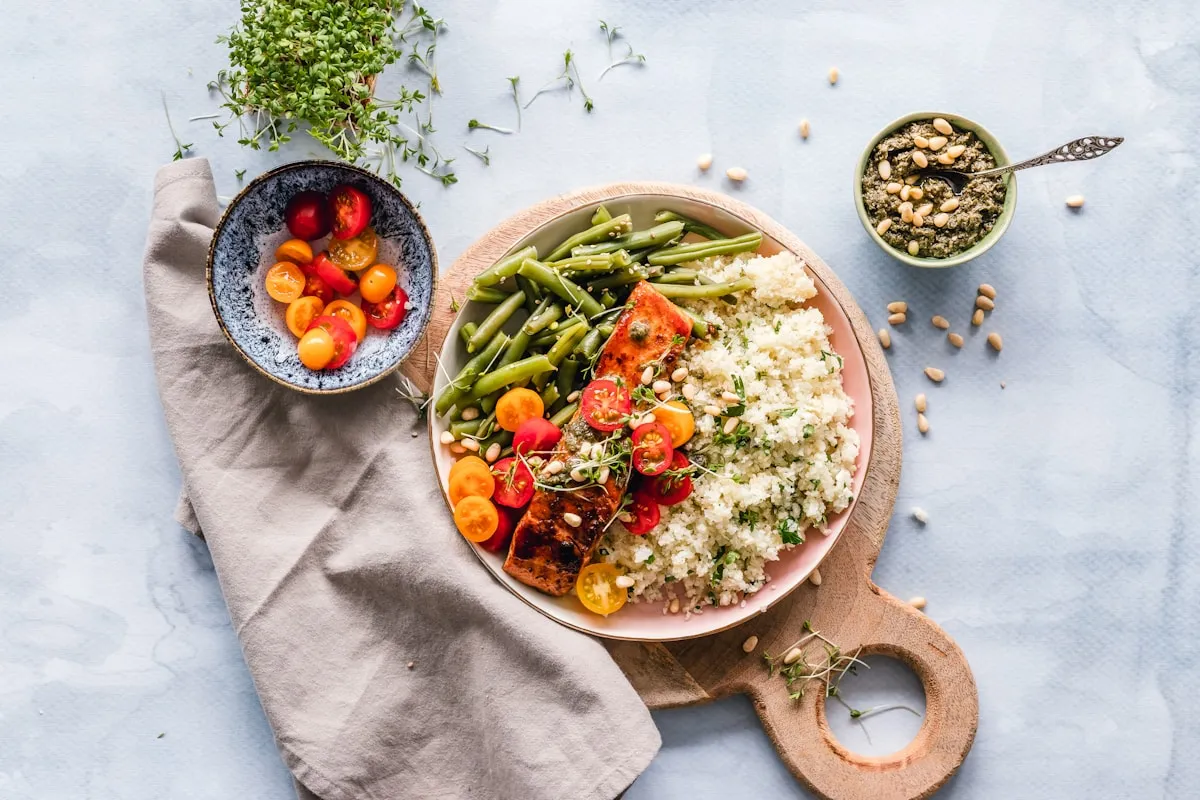
Before you even think about adding water or stock, you have to respect the Maillard reaction. This is the chemical dance between amino acids and reducing sugars that gives browned meat its distinctive, savory "umami" flavor. Do not just dump your raw beef into the liquid; you will end up with gray, rubbery chunks that taste like sadness.
Instead, pat your beef bone-dry with a paper towel. This is a non-negotiable. If the meat is wet, it will steam rather than sear, and you’ll miss out on that beautiful crust. Use a heavy-bottomed pot, ideally a Dutch oven, to maintain high heat. Sear the beef in small batches so you don't crowd the pan. If the temperature drops because you threw too much in at once, the juices will leak out, and you’ll lose your chance at browning. Look for that deep, dark "fond", the brown bits stuck to the bottom of the pot. That is liquid gold.
Once the meat is out, turn your attention to the mushrooms. Mushrooms are essentially little sponges filled with water. To get them to actually brown, you need to cook that water out first. Avoid salting them immediately, as salt draws moisture out and can lead to boiling rather than browning. Let them sit in the fat left over from the beef until they shrink and turn golden. This concentrated mushroom flavor is what separates a decent soup from a world-class one.
Finally, deglaze that pot. Use a splash of dry red wine or a bit of beef stock to scrape up all those browned bits from the bottom. This process incorporates all that built-up flavor back into the liquid, ensuring that every spoonful of your soup has depth and complexity. It’s a simple technique, but it’s the secret to making healthy dinner ideas taste like indulgent restaurant fare.
Barley Dynamics and the Slow Simmer
Let's talk about barley. Most people treat it like rice, but it’s a totally different beast. In this recipe, we use pearl barley because it has a softer texture and cooks faster than hulled barley, making it perfect for one pot meals. The key here is timing. If you add the barley too early, it will drink up every drop of your broth and turn into a thick, glutenous porridge. If you add it too late, you’ll be chewing on hard little pebbles. Aim for the last 45 minutes of simmering.
The "why" behind the long simmer is all about collagen. Tough cuts like beef chuck are loaded with connective tissue. At a high boil, these fibers tighten up and become tough. But at a gentle, "lazy" simmer, that collagen slowly breaks down into gelatin. This transformation does two things: it makes the beef melt-in-your-mouth tender and gives the broth a silky, rich mouthfeel that feels substantial without being greasy. Keep your heat low and resist the urge to rush. Good things take time, especially when you are aiming for that perfect texture.
Elevating Your One-Pot Game: Creative Variations
While the classic beef and barley combo is hard to beat, you should feel free to play with the profile. If you’re looking for a lighter twist on these healthy dinner ideas, swap the beef for thick slices of portobello mushrooms and use a high-quality vegetable stock. You still get that deep, earthy umami without the heavy meat.
For those who like a bit of a kick, try adding a tablespoon of smoked paprika or a dash of Worcestershire sauce during the deglazing phase. The Worcestershire sauce acts as an umami booster, amplifying the meatiness of the beef. If you find yourself frequently making air fryer recipes dinner and want a similar "crispy" element, you can actually air-fry some thinly sliced leeks or extra mushrooms to use as a crunchy garnish on top of the soup. It adds a wonderful textural contrast to the soft barley and tender beef.
Another great variation is the "Garden Style" soup. Toward the very end of the cooking time, stir in a handful of fresh spinach or kale. The residual heat will wilt the greens perfectly without overcooking them. It adds a pop of color and a nutritional boost that makes the meal feel complete.
The Perfect Partners: Side Dish Pairings
You’ve spent time building a rich, deeply savory soup, so don't let the side dish be an afterthought. Because this soup is quite heavy and earthy, you need something with acidity or a sharp crunch to balance the palate.
A crusty baguette or a slice of sourdough is the traditional choice, and for good reason. You need something to mop up that silky broth. If you want to get fancy, rub a raw clove of garlic on the toasted bread before serving; the sharp garlic bite cuts right through the richness of the beef.
Alternatively, a bright, acidic side salad works wonders. Think arugula with a sharp lemon vinaigrette and some shaved parmesan. The peppery greens and the acid from the lemon refresh your taste buds between bites of the savory soup. If you are serving this as one of your quick family meals, even a simple plate of sliced apples and sharp cheddar cheese can provide that necessary sweet-and-salty contrast that keeps the meal from feeling one-dimensional.
One-Pot Wisdom: Frequently Asked Questions
Why did my barley turn into a mushy mess?
This usually happens for two reasons: overcooking or over-stirring. Barley continues to absorb liquid even after you turn off the heat. If you let the soup sit for hours, the barley will eventually bloat. To avoid this, cook the soup until the barley is just tender, then serve. If you plan on having leftovers, consider cooking the barley separately and adding it to each bowl, though this technically moves us away from the "one-pot" philosophy!
Can I freeze beef and barley soup?
Yes, but with a caveat. Meat and broth freeze beautifully, but barley can become a bit spongy when thawed. If you are a meal-prep pro, I recommend freezing the soup base (beef, veggies, broth) and then adding fresh barley when you reheat it. If you do freeze it with the barley already in there, just add a splash of water or stock when reheating to loosen it up, as the grains will have soaked up the liquid in the freezer.
My soup tastes "flat." How do I fix it?
If your soup tastes bland despite all the ingredients, it’s usually a lack of salt or acid. Salt doesn't just make things salty; it "unlocks" flavors. Add a pinch at a time and taste. If it’s still missing that "zing," add a teaspoon of balsamic vinegar or lemon juice right at the end. That tiny hit of acid brightens the entire pot and makes the savory flavors pop.
What is the best cut of beef for this?
Stick to the tough guys. Beef chuck, shanks, or even brisket are your best bets. Avoid lean cuts like sirloin or filet mignon; they don't have enough fat or connective tissue to withstand the long simmering process and will end up dry and stringy. You want the fat to render down and flavor the broth.
Can I make this in half the time?
If you are in a rush, you can use a pressure cooker, which cuts the beef's tenderizing time down significantly. However, you lose some of the flavor concentration that happens with open-pot evaporation. If you choose this route, use slightly less liquid than the recipe calls for to compensate for the lack of steam escape.
{“@type”:”BlogPosting”,”image”:[“https://cdn.marblism.com/V98GWl5HYYu.webp”,”https://cdn.marblism.com/x2iyKIq_OOl.webp”,”https://cdn.marblism.com/ZazBdv3Qb5O.webp”,”https://cdn.marblism.com/RTUS5hY6QYQ.webp”],”author”:{“name”:”Penny”,”@type”:”Person”},”@context”:”https://schema.org”,”headline”:”One-Pot Meals: Beef and Barley Mushroom Soup”,”keywords”:”one pot meals, beef and barley soup, healthy dinner ideas, quick family meals”,”publisher”:{“logo”:{“url”:”https://cookpedia.com/logo.png”,”@type”:”ImageObject”},”name”:”Cookpedia”,”@type”:”Organization”},”description”:”Master the art of the one-pot beef and barley mushroom soup. Learn the science of the Maillard reaction, the importance of collagen, and how to balance flavors for the perfect comfort meal.”,”datePublished”:”2026-07-26″,”articleSection”:”Recipes”}