Recipe
Servings
Servings 1×
Ingredients
- Cod
- Potatoes
- Carrots
- Zucchini
- Greens
- Apple
- Onion
- Lemon
- Balsamic vinegar
- Cooking oil
- Black pepper
Method
- Let’s talk about why most "one-pot" fish recipes fail.
- Roast your root vegetables first.
- Slice them into uniform, one-inch chunks to ensure they cook at the same rate.
- Toss them in a high-quality olive oil and get them into a hot oven (around 400°F/200°C) for at least 20 minutes before the fish even enters the room.
- Pat your cod fillets bone-dry with a paper towel.
- Use the zest of the lemon, not just the juice.
If you are anything like me, the mid-week slump hits hard, and the last thing you want is a mountain of dishes staring you down after a long day. I am a firm believer that soulful, healthy dinner ideas shouldn't require a professional kitchen or three hours of your life. This one-pot lemon pepper cod is my secret weapon. It’s elegant enough for a date night but simple enough to become one of those reliable quick family meals you pull out when the fridge looks bare. We are talking minimal prep, maximum flavor, and a single pan to clean.
The Science of the "Two-Stage" Roast
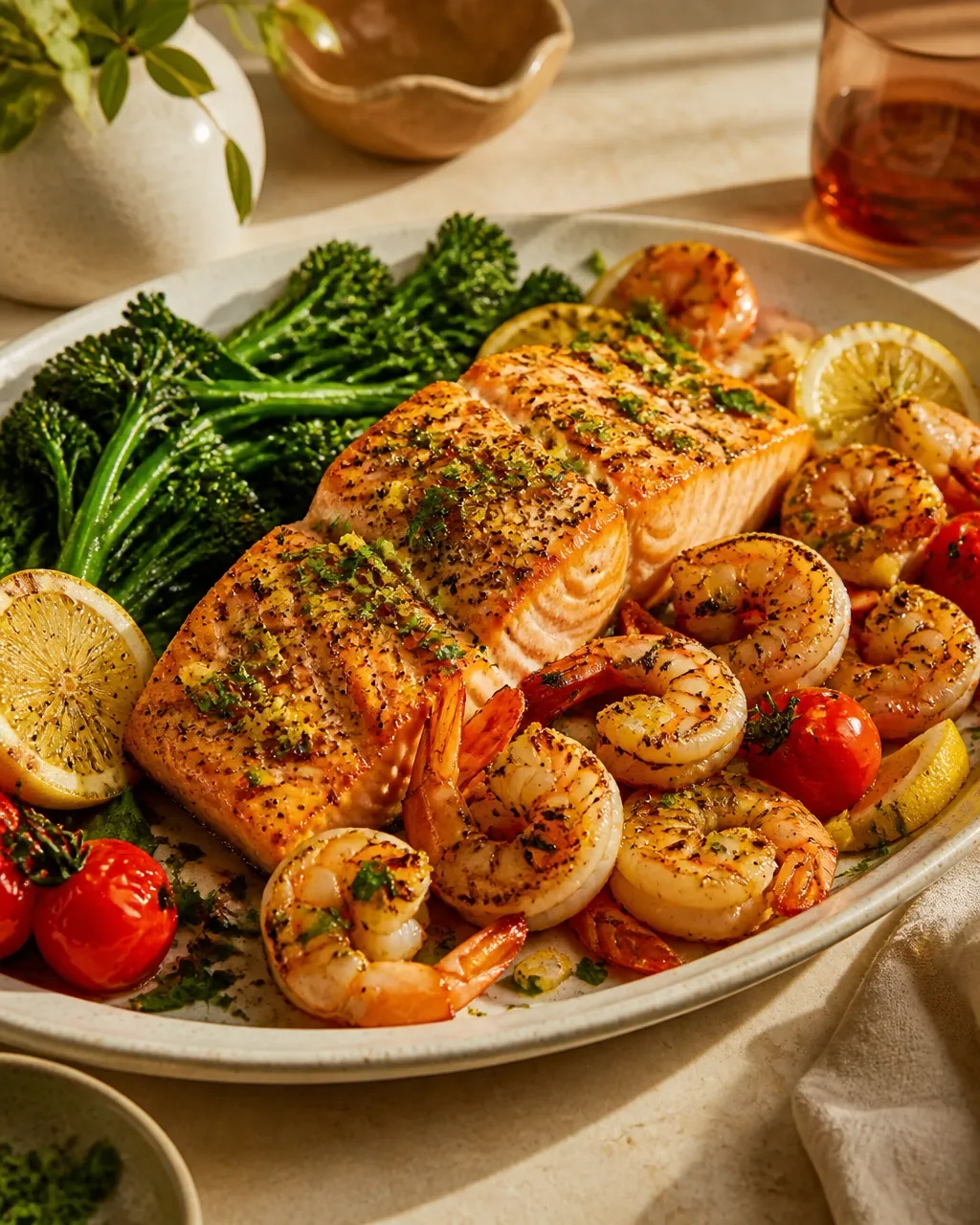
Let’s talk about why most "one-pot" fish recipes fail. Usually, the fish ends up like a piece of rubber while the carrots are still crunching between your teeth. To fix this, you must understand the science of heat transfer and protein structure. Root vegetables, like carrots, parsnips, and potatoes, are dense and packed with complex starches and water. They need high heat and time to undergo the Maillard reaction: that magical chemical dance where sugars and amino acids brown to create sweet, nutty flavors.
Cod, on the other hand, is a lean, delicate protein. The moment its internal temperature hits about 145°F (63°C), the muscle fibers (myosin) tighten up and squeeze out their moisture. If you put the fish in at the same time as the raw potatoes, you’re either eating raw potatoes or dry fish. There is no middle ground.
Master the Staggered Start
Roast your root vegetables first. Slice them into uniform, one-inch chunks to ensure they cook at the same rate. Toss them in a high-quality olive oil and get them into a hot oven (around 400°F/200°C) for at least 20 minutes before the fish even enters the room. You want to see those golden, caramelized edges before you introduce the cod. This gives the vegetables the head start they need to reach peak sweetness.
Respect the Protein
Pat your cod fillets bone-dry with a paper towel. This is a non-negotiable step. If the surface is wet, the fish will steam instead of roasting, leaving you with a soggy texture. Once dry, season generously. When the vegetables are tender-crisp, nestle the fish right on top of them. The fish essentially acts as a lid, steaming slightly from the moisture released by the vegetables while the top roasts in the dry heat.
The Power of Citric Aromatics
Use the zest of the lemon, not just the juice. The zest contains essential oils that are fat-soluble; when mixed with your roasting oil, they infuse the entire pan with a bright, floral aroma that won't cook off as easily as the acidic juice. Save the juice for a final squeeze right before serving to provide a fresh "pop" of acidity that cuts through the earthy richness of the parsnips.
Flexible Variations for Every Kitchen
One of the reasons this dish is a staple on my blog is its versatility. If you find yourself short on time or cooking for just one or two people, look toward air fryer recipes dinner style. You can dice the root vegetables smaller: think half-inch cubes: and air fry them at 380°F for 12 minutes before adding the fish for a final 6-8 minutes. The concentrated heat of the air fryer speeds up the Maillard reaction significantly.
If cod isn't available, any thick-cut white fish like halibut or haddock works beautifully. For a Mediterranean twist, swap the root vegetables for bell peppers, red onions, and zucchini. Just remember the science: softer vegetables have a higher water content and lower density, so they only need about 10 minutes of "head start" roasting compared to the 20 minutes required for potatoes or carrots.
Balancing the Plate: Side Dish Pairings
While this is a one-pot meal, I always suggest one "raw" element to balance the roasted flavors. The root vegetables provide sweetness and starch, while the cod offers lean protein. To complete the profile, you need a bitter or peppery crunch.
A simple arugula salad with a light balsamic vinaigrette is perfect. The bitterness of the arugula provides a sharp contrast to the caramelized carrots. Alternatively, a quick slaw of thinly sliced cabbage and apple can mirror the sweetness of the roasted vegetables while adding a much-needed textural snap. Avoid heavy, creamy sides; the lemon and pepper are meant to keep the palate feeling light and refreshed.
Frequently Asked Questions
Why did my cod turn out watery?
This usually happens for two reasons: you didn't pat the fish dry, or you used previously frozen fish that wasn't properly thawed. Frozen fish often contains extra moisture (brine or ice glaze). Ensure you thaw it completely in the fridge and squeeze it gently between paper towels before seasoning. Science tip: salt draws out moisture, so season the fish immediately before it goes into the oven, not twenty minutes prior.
Can I use lemon juice instead of zest?
You should use both, but they serve different purposes. Juice provides acidity (tang), while zest provides aroma (scent). If you only use juice, the acid can actually "cook" the surface of the fish (like a ceviche) and make it mushy if it sits too long before roasting. Use the zest for the roasting phase and the juice for the finishing touch.
What if my root vegetables are still hard when the fish is done?
This is a classic timing error. If this happens, remove the fish and keep it tented under foil to stay warm. Return the vegetables to the oven for another 5–10 minutes. Next time, ensure you cut the vegetables into smaller, more uniform pieces or give them a longer head start. Remember, density equals cooking time.
Is this recipe suitable for a keto diet?
Absolutely. To make this one of your go-to keto-friendly healthy dinner ideas, simply swap the potatoes and carrots for lower-carb options like radishes (which taste remarkably like potatoes when roasted), cauliflower florets, or turnips. The cooking principles remain exactly the same.
How do I know for sure the cod is cooked?
Check the internal temperature with a meat thermometer; you are looking for 145°F. If you don't have one, use the "flake test." Take a fork and gently twist it at the thickest part of the fillet. If the layers of the fish separate easily and look opaque (white) rather than translucent (clear/pinkish), it’s ready to come out.
{“@type”:”BlogPosting”,”image”:”https://cdn.marblism.com/EJyJPQs2B1X.webp”,”author”:{“name”:”Penny”,”@type”:”Person”},”@context”:”https://schema.org”,”headline”:”One-Pot Lemon Pepper Cod with Root Vegetables”,”publisher”:{“logo”:{“url”:”https://cdn.marblism.com/KxroJ1kM_KA.webp”,”@type”:”ImageObject”},”name”:”Cookpedia”,”@type”:”Organization”},”description”:”Learn the science behind the perfect one-pot lemon pepper cod and roasted root vegetables. A simple, healthy, and quick weeknight meal for busy home cooks.”,”datePublished”:”2026-07-14″,”mainEntityOfPage”:{“@id”:”https://cookpedia.com/one-pot-lemon-pepper-cod”,”@type”:”WebPage”}}