Recipe
Servings
Servings 1×
Ingredients
- Steak
- Bread
- Potatoes
- Carrots
- Onion
- Lemon
- Butter
Method
- Prepare the ingredients described in the article and heat the cooking surface or oven as directed.
- Cook the main ingredients using the heat and timing guidance in the article.
- Finish with the seasonings and garnishes named in the article, then serve.
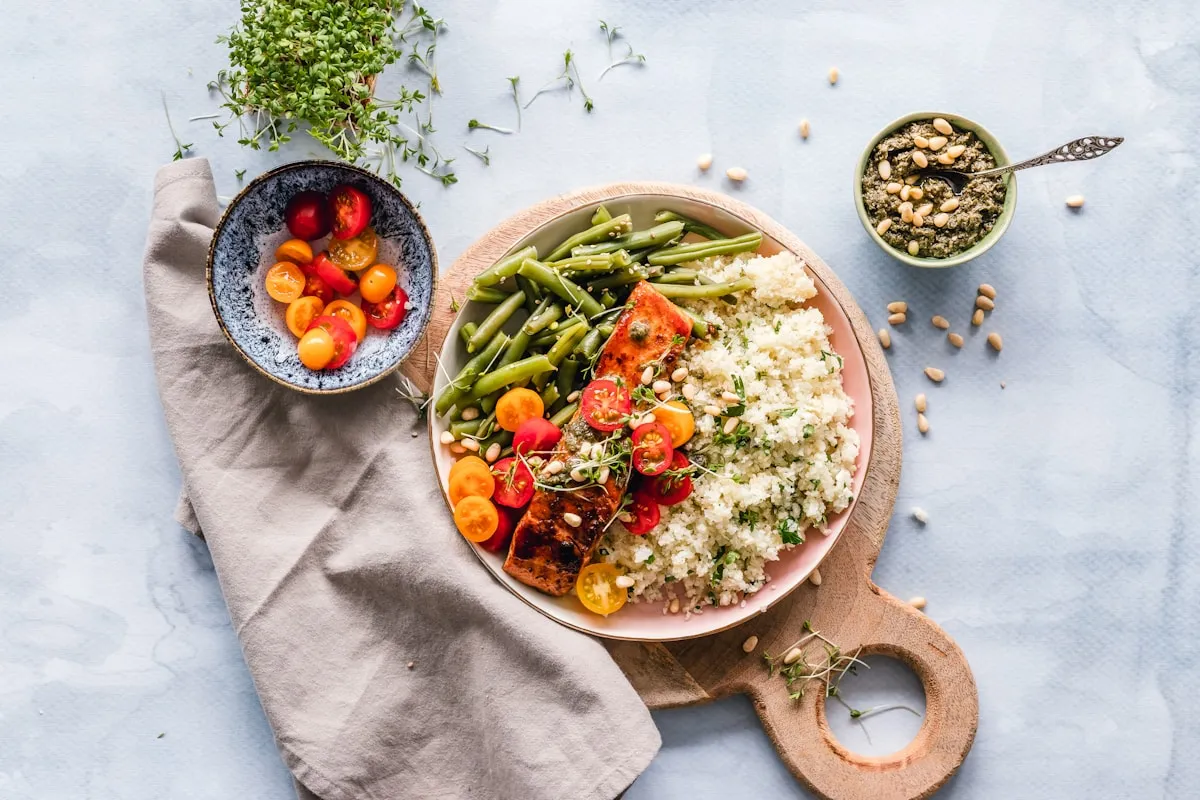
There is something undeniably primal about a heavy pot simmering on the stove while the windows fog up and the house fills with the scent of slow-cooked onions and seared beef. My blog has always been a sanctuary for those who want real food without the culinary gymnastics, and this beef stew is the ultimate testament to that. It’s the king of one pot meals, offering a depth of flavor that feels like it took a week to develop, even though it mostly just requires you to understand a little bit of kitchen chemistry and then step away.
The Science of Flavor: Maillard and Collagen
If you want a stew that actually tastes like something, you cannot skip the sear. This isn't just about color; it’s about the Maillard reaction. When you hit that beef with high heat, the amino acids and sugars on the surface of the meat reorganize themselves into hundreds of new flavor compounds. This reaction happens best between 280°F and 330°F. If your pan isn't hot enough, or if you crowd the meat, you’ll end up steaming the beef in its own juices instead of searing it. Steamed beef is grey and sad; seared beef is the foundation of a masterpiece.
Work in batches. This is a non-negotiable. If you dump all three pounds of beef into the pot at once, the temperature will plummet, the moisture will release, and you’ll lose that golden-brown crust. Searing in stages ensures every cube of beef contributes its maximum potential to the final sauce.
Once the flavor is built, the next hurdle is texture. Beef stew usually relies on "tough" cuts like chuck roast. These cuts are riddled with collagen, a triple-helix protein that is essentially the "glue" of the animal. If you try to cook this quickly, like you would a steak, that collagen stays tight and rubbery. You’ll be chewing until next Tuesday.
However, when you keep that meat in a liquid environment between 160°F and 180°F (70-82°C) for several hours, a magic trick occurs: the collagen denatures and transforms into gelatin. Gelatin is what gives the stew its silky, lip-smacking mouthfeel. It’s why a cooled stew turns into a jelly in the fridge, that’s pure protein power. This transformation takes time. You cannot rush the physics of protein breakdown. If the meat is still tough, it simply hasn’t been in the "gelatin window" long enough.
Beyond the meat, consider the starch. Potatoes don’t just provide bulk; they act as a secondary thickener. As the potatoes simmer, they release amylose and amylopectin starches into the liquid. This works in tandem with the flour you used to coat the beef, creating a stable emulsion that clings to your spoon. For those looking for healthy dinner ideas, this natural thickening method is far superior to dumping in heavy creams or excessive butter.
Elevating the Profile: Creative Variations
While the classic potato-and-carrot combo is a staple for quick family meals, the beauty of a one-pot approach is how easily you can pivot the flavor profile.
- The Acid Component: If the stew feels "flat" or too heavy, it’s usually lacking acidity. Swap a portion of your beef broth for a dry red wine (like a Cabernet) or even a dark, chocolatey stout. The tannins in wine or the roasted malts in beer provide a structural backbone that cuts through the richness of the rendered beef fat.
- The Root Vegetable Swap: Don't feel tethered to the humble potato. Parsnips bring a peppery sweetness, while celery root (celeriac) adds an earthy, sophisticated nuttiness. If you’re leaning into more healthy dinner ideas, adding diced turnips provides a similar texture to potatoes but with a much lower glycemic index.
- Aromatic Shifts: Instead of the standard thyme and rosemary, try a "Provençal" lean with dried orange peel and fennel seeds. Or, go deep and savory with a tablespoon of tomato paste and a splash of Worcestershire sauce during the searing phase to amplify the umami.
The Perfect Pairing: Balancing the Bowl
A stew this rich demands a counterpoint. You want something that can handle the "gravy" but also provide a textural break.
Crusty Bread: This is the most obvious and necessary companion. You need a sourdough or a baguette with a hard crust and an open, airy crumb. Its job is to act as a sponge. Without it, you’re leaving half the flavor at the bottom of the bowl.
Bitter Greens: A simple side salad of arugula or radicchio tossed in a sharp lemon vinaigrette is the perfect foil to the stew's intensity. The bitterness of the greens and the acidity of the lemon reset your palate after every heavy bite of beef.
While we often focus on air fryer recipes dinner for their speed, a slow-simmered stew paired with a fresh, crisp salad offers a balance that a 10-minute meal simply can't replicate. It’s about the contrast between the hot, silky stew and the cool, crunchy greens.
Frequently Asked Questions
Why is my beef still tough after two hours?
Science says: You haven't reached the gelatin finish line. Every cow is different, and some cuts have more connective tissue than others. If it's tough, it's not "overcooked" in the traditional sense; it's undercooked. Put the lid back on and give it another 30 to 45 minutes. The collagen needs that sustained heat to fully liquefy.
Can I make this in half the time?
Technically, yes, if you use a pressure cooker. A pressure cooker raises the boiling point of water, which accelerates the collagen-to-gelatin conversion. However, you lose the "reduction" factor where the flavors concentrate. For the best one pot meals, patience is your most valuable ingredient.
Why is there a layer of oil on top of my stew?
This happens when the fat renders out of the beef but doesn't emulsify into the sauce. This can be caused by boiling the stew too vigorously, which breaks the emulsion, or simply using a very fatty cut of meat. Avoid boiling. Keep it at a gentle simmer (just a few bubbles breaking the surface). If it's already greasy, use a wide spoon to skim the fat off the top, or let it cool completely; the fat will solidify on top and you can lift it right off.
Is this a good option for meal prep?
Absolutely. In fact, beef stew is notoriously better the next day. As it sits in the fridge, the flavors continue to meld, and the starches from the potatoes further stabilize the sauce. It's one of those rare quick family meals that you can make on a Sunday and eat on a Tuesday without any loss in quality.
Can I use lean beef like sirloin?
Avoid lean cuts. Sirloin or filet mignon are great for the grill because they have very little connective tissue. In a stew, they will become dry, stringy, and mealy because there is no collagen to turn into moisture-retaining gelatin. Stick to the "ugly" cuts like chuck, shank, or oxtail for the best results.
Home cooking doesn't have to be a chore, even when it takes a few hours. By understanding the relationship between heat and protein, you can turn a few simple ingredients into a meal that feels like a warm hug. For more inspiration, check out our other healthy dinner ideas or explore our latest air fryer recipes dinner for those nights when you really are in a rush. But tonight? Let the pot simmer. Your future self will thank you.