Recipe
Servings
Servings 1×
Ingredients
- Chicken
- Shrimp
- Steak
- Orzo
- Pasta
- Noodles
- Bread
- Spinach
- Kale
- Tomatoes
- Garlic
- Lemon
- Cream
- Feta
- Butter
- Cooking oil
- Salt
- Black pepper
Method
- Prepare the ingredients described in the article and heat the cooking surface or oven as directed.
- Cook the main ingredients using the heat and timing guidance in the article.
- Finish with the seasonings and garnishes named in the article, then serve.
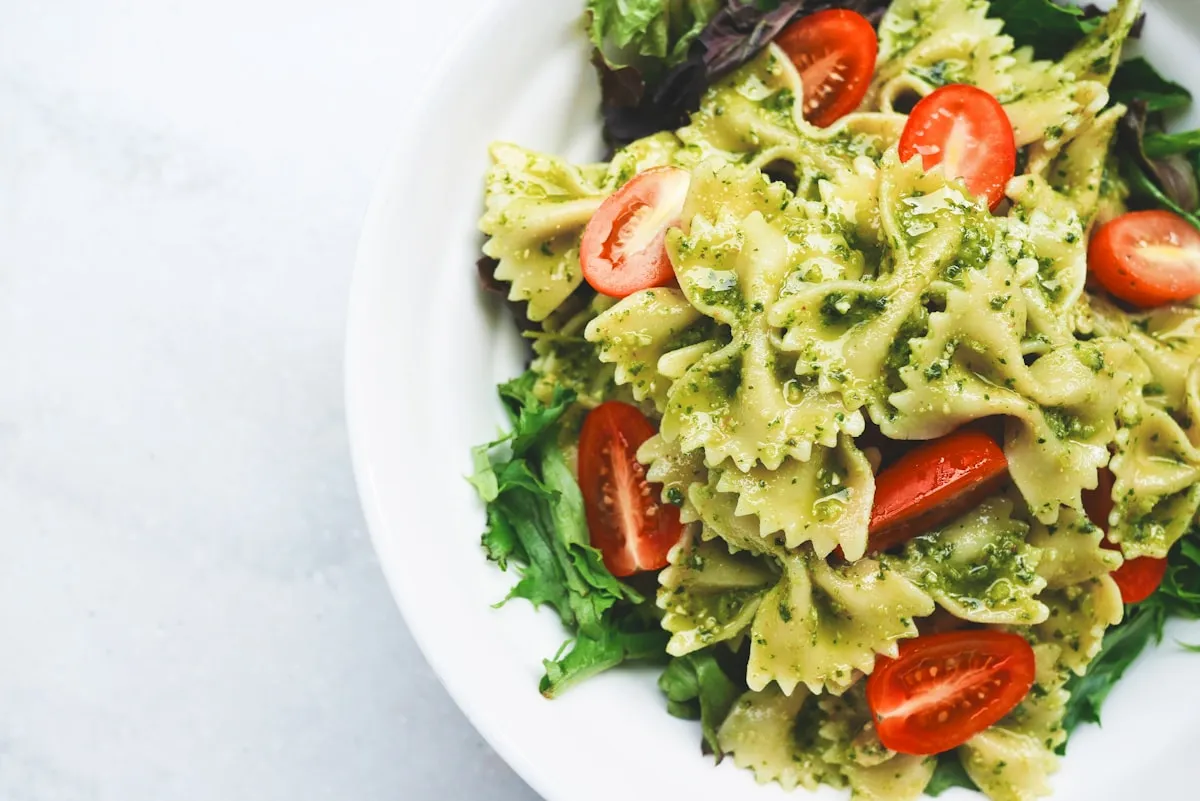
If you have thirty minutes and a single skillet, you have everything you need for a restaurant-quality dinner. I’m a huge fan of one pot meals because they do something magic that multi-pot cooking just can’t replicate: they force flavors to introduce themselves and get comfortable. This Greek orzo dish is my go-to when I want something that feels luxurious and creamy but doesn't leave me feeling heavy or sluggish. It’s light, vibrant, and incredibly satisfying.
Science of the Skillet: The Magic of Orzo Starch
Why does orzo work so well in a single pan? It all comes down to the surface-area-to-volume ratio. Orzo is tiny, which means it has a massive amount of surface area compared to its bulk. As it simmers directly in your broth, it releases starch into the liquid at a rate nearly four times faster than long noodles like spaghetti. In traditional cooking, you’d boil that starch away and pour it down the drain. Here, we keep it. That starch acts as a natural thickener, turning your cooking liquid into a silky, glossy sauce that clings to every grain.
The Art of the Toast
Before you add a single drop of liquid, toast your dry orzo. This is a non-negotiable step in my kitchen. By tossing the dry pasta in a hot pan with a little oil or butter, you’re initiating the Maillard reaction, the same process that makes a steak savory or a crust of bread delicious. This creates a nutty depth of flavor that raw pasta simply doesn't have. More importantly, toasting polymerizes the surface proteins and "seals" the starch granules. This prevents the starch from leaching out too quickly, ensuring your sauce is creamy rather than gummy.
Osmotic Diffusion: Salt Matters
Never wait until the end to season your pasta. You must salt the liquid before the orzo starts to hydrate. Through a process called osmotic diffusion, the salt penetrates the heart of the pasta as it absorbs the liquid. If you salt only at the end, you’re seasoning the surface, which is why some dishes taste "salty" but "bland" at the same time. Aim for a broth that tastes like a seasoned soup; the orzo will soak that flavor right up into its core.
Emulsification Without the Heavy Cream
You might be tempted to reach for a splash of cream to get that velvet finish, but you don't need it. The real secret to the "no-cream" creaminess is the interaction between the orzo's starch and the feta cheese. Feta is a high-protein, high-fat cheese that doesn't melt into a puddle like mozzarella. Instead, it softens and begins to break down. When you fold it into the starch-thickened broth, it creates a stable emulsion. The starch acts as a bridge between the water-based broth and the fat-based cheese, resulting in a cohesive, rich sauce that feels decadent but remains light.
Flavor Profiles: Acidity, Salt, and Fat
The beauty of Greek cooking is the balance of sharp, bright notes against rich foundations. In this dish, the cherry tomatoes provide the acidity. As they cook down in the pot, they blister and burst, releasing their juices which naturally cut through the saltiness of the feta. Always use the best tomatoes you can find; the sugar content in a ripe cherry tomato provides a subtle sweetness that rounds out the savory profile of the spinach and garlic. Check Cookpedia’s guide to fresh ingredients for more tips on selecting the best produce for simple pasta recipes.
Elevating the Basics: Variations
Once you master the base technique, you can pivot this recipe in a dozen different directions. If you want a more robust protein profile, try adding some seared chicken breast or sautéed shrimp halfway through the simmering process. The starch in the pan will help the sauce coat the protein just as beautifully as it coats the pasta.
For a plant-based twist, swap the feta for a high-quality vegan alternative or a handful of toasted pine nuts and a squeeze of extra lemon. If you love heat, a pinch of crushed red pepper flakes added during the toasting phase will infuse the oil and distribute a gentle warmth throughout the entire pot. You can also experiment with different greens; while spinach is classic because it wilts instantly, chopped kale or Swiss chard adds a delightful earthy texture. Just remember to add heartier greens a few minutes earlier so they have time to soften properly.
Side Dish Pairings: Creating Balance
While this is a complete meal on its own, the right side dish can turn a quick weeknight dinner into a feast. Since the orzo is rich and savory, look for sides that offer a crunchy, refreshing contrast.
- A Simple Cucumber Salad: Thinly sliced cucumbers with red onion and a red wine vinaigrette provide a crisp, cooling element that resets the palate between bites of warm pasta.
- Charred Broccolini: A quick sear in a hot pan with lemon zest adds a bitter, smoky edge that complements the creamy feta perfectly.
- Garlic Herb Bread: If you’re feeling indulgent, use a crusty baguette to soak up any remaining sauce at the bottom of your bowl.
Avoid sides that are overly heavy or creamy, like a traditional Caesar salad or mashed vegetables. You want something that provides "lift" to the meal rather than weighing it down.
FAQ: Solving the "What Ifs"
What if my orzo is still crunchy but the liquid is gone?
Don't panic. This usually happens if your heat was a bit too high and the liquid evaporated before the pasta could absorb it. Simply add a splash more broth or warm water, about a quarter cup at a time, and keep stirring over low heat. The friction of stirring helps release even more starch, so you're actually doing the texture a favor.
Can I use frozen spinach instead of fresh?
Yes, but you must squeeze every last drop of water out of the frozen spinach first. Frozen greens hold a surprising amount of moisture that will turn your creamy sauce into a watery mess if not addressed. Thaw it, wring it out in a clean kitchen towel, and fold it in at the very end just to warm through.
Why did my feta disappear?
If you add finely crumbled feta too early, it will completely integrate into the sauce. If you want those distinct, creamy chunks of cheese, add half of your feta at the end of the cooking process and use the other half as a garnish right before serving.
Is it possible to overcook orzo?
Absolutely. Because orzo is so small, the transition from "perfectly al dente" to "mushy" happens in about 45 seconds. Keep a close eye on the pot during the last few minutes of simmering. You want the orzo to have a slight "bite" in the center. Remember, the pasta will continue to cook slightly from the residual heat even after you turn off the stove.
Why is my sauce gummy rather than creamy?
This is usually the result of skipping the toasting step or using too much pasta relative to the liquid. If the starch isn't properly managed through toasting and stirring, it can create a thick, glue-like consistency. If this happens, a small squeeze of fresh lemon juice or a teaspoon of butter can help break up the heaviness and restore some silkiness.
Cooking doesn't have to be complicated to be soulful. These simple pasta recipes are all about understanding how a few basic ingredients interact in the heat of a single pan. Focus on the toast, watch your liquid ratios, and don't be afraid to let those tomatoes burst. You've got this! For more inspiration, explore our library of quick family meals.