Recipe
Servings
Servings 1×
Ingredients
- Chicken
- Tofu
- Chickpeas
- Pasta
- Noodles
- Spinach
- Garlic
- Cream
- Hard cheese
- Butter
- Cooking oil
- Black pepper
Method
- Use just enough stock or water to barely submerge your dry pasta.
- Sear your chicken pieces first in the pot until they develop a golden-brown crust.
- Use a splash of liquid to scrape those up; that’s where the "soul" of your sauce lives.
- Stir frequently, especially during the first few minutes.
- Use a wooden spoon to keep things moving and prevent any noodles from sticking to the bottom.
- Toss your baby spinach in only during the final sixty seconds of cooking.
We’ve all been there: you walk through the door after a long shift, the kids are asking what’s for dinner, and the last thing you want to do is scrub four different pans. You want something that feels like a hug in a bowl but doesn't require a culinary degree or an hour of your life. This one-pot chicken and spinach pasta is my absolute go-to for those chaotic evenings. It’s soulful, it’s creamy, and it proves that healthy dinner ideas don’t have to be complicated or bland.
The Science of the One-Pot Emulsion
The magic of one-pot meals isn't just about saving your sanity during cleanup; it’s actually rooted in some pretty cool food science. When you boil pasta in a massive pot of water and then drain it, you’re literally pouring the "liquid gold" down the sink. That cloudy water is packed with starch, and in this recipe, we’re going to use that starch to our advantage to create a restaurant-quality sauce without needing heavy tubs of cream.
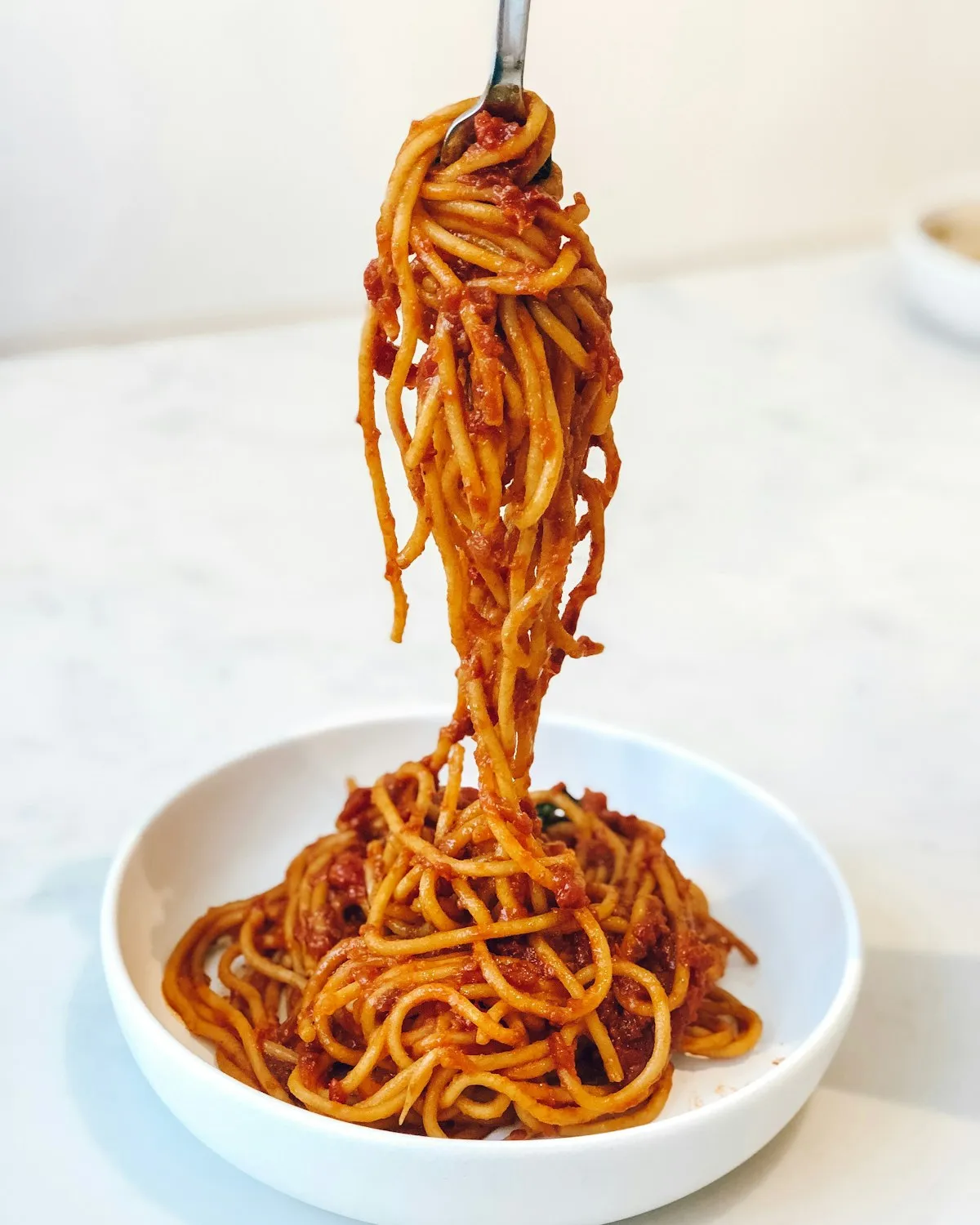
Master the Starch Concentration
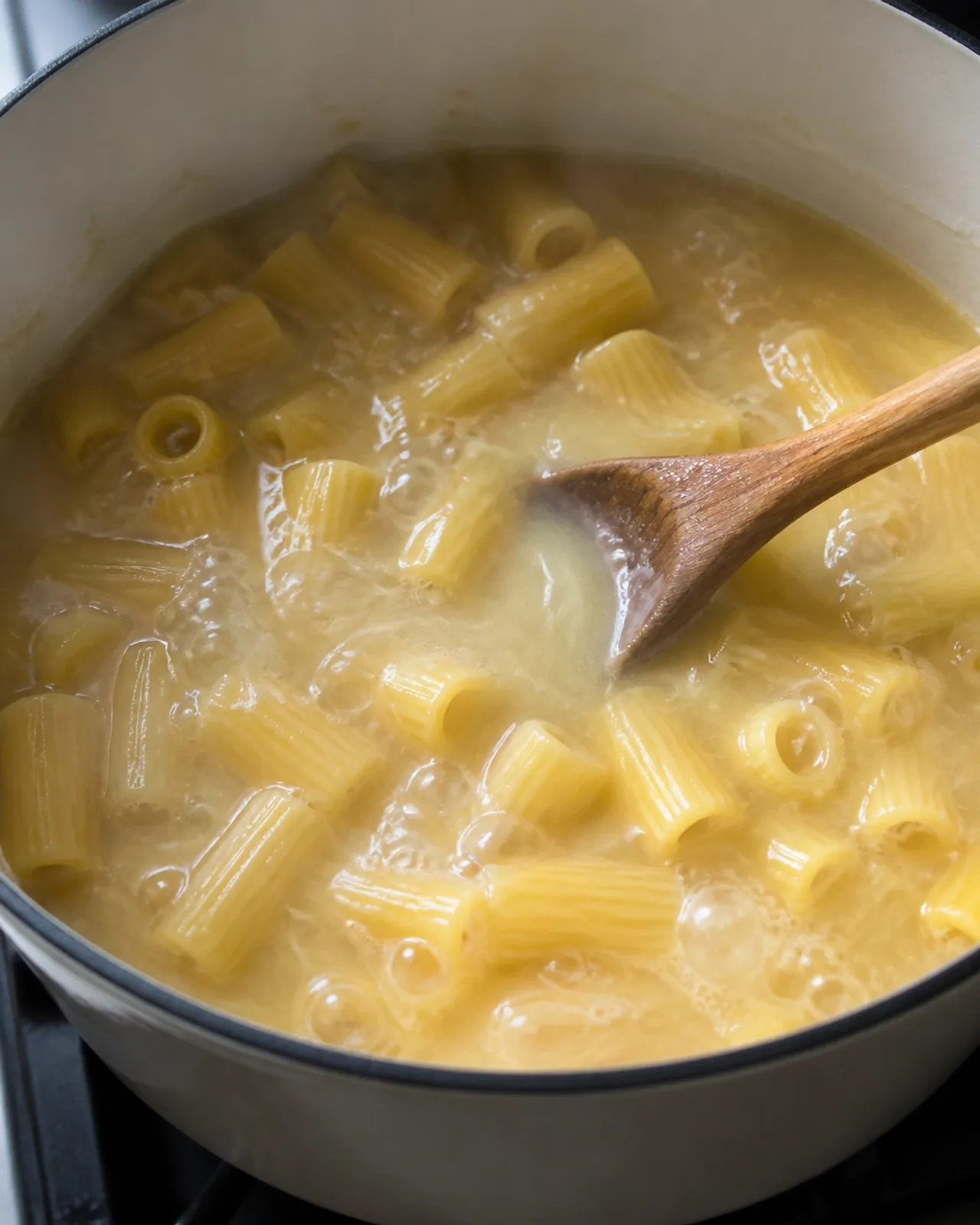
To get that silky, glossy finish that clings to every noodle, you must control your liquid. Use just enough stock or water to barely submerge your dry pasta. As the pasta cooks, it releases about 1–2% of its weight in starch. Because we’re using a limited amount of liquid, that starch becomes highly concentrated. This concentrated starch acts as an emulsifier: a bridge that forces the fats from your chicken and cheese to play nice with the water-based stock.
Searing for Depth
Never throw raw chicken into boiling liquid. Sear your chicken pieces first in the pot until they develop a golden-brown crust. This is the Maillard reaction in action, creating complex flavor molecules that a simple boil can never replicate. Once seared, remove the chicken and look at those brown bits stuck to the bottom (the fond). Use a splash of liquid to scrape those up; that’s where the "soul" of your sauce lives.
The Power of Agitation
Don't just walk away and let the pot do its thing. Stir frequently, especially during the first few minutes. Agitation encourages the pasta to shed even more starch into the liquid and helps the emulsification process begin early. Think of it like whisking a vinaigrette; the more you move it, the more stable and creamy the mixture becomes. Use a wooden spoon to keep things moving and prevent any noodles from sticking to the bottom.
Timing the Greens
Spinach is delicate. If you add it too early, you’ll end up with a grey, slimy mess. Toss your baby spinach in only during the final sixty seconds of cooking. The residual heat from the simple pasta and the sauce is more than enough to wilt the leaves while keeping them vibrant and nutrient-dense. This keeps your quick healthy meals looking as good as they taste.
Soulful Variations for Every Table
One of the reasons I love this dish is its versatility. While the chicken and spinach combo is a classic for healthy weeknight dinners, you can easily pivot based on what’s in your pantry or your specific dietary needs.
- The Plant-Based Swap: If you’re looking for plant-based dinner ideas, swap the chicken for a can of rinsed chickpeas or some smoked tofu. Use a high-quality vegetable stock and nutritional yeast in place of the Parmesan to keep that umami hit without the dairy.
- Low-Carb Adjustments: For those exploring keto for beginners, traditional pasta is a no-go. You can apply the same searing and deglazing techniques but swap the pasta and stock for zoodles or spaghetti squash. Keep in mind that zoodles release a lot of water, so skip the extra stock entirely and focus on a high-fat sauce base like butter and heavy cream.
- A Spicy Kick: Add a teaspoon of red pepper flakes during the garlic-sauteing phase. The heat infuses into the oil and carries through the entire sauce, providing a beautiful contrast to the richness of the Parmesan. It’s one of my favorite budget-friendly recipes hacks to make simple ingredients taste "expensive."
Side Dish Pairings that Balance the Plate
Since this pasta is rich and creamy, you want side dishes that offer acidity or crunch to cut through the decadence. Contrast is the key to a professional-feeling meal.
- Crispy Greenery: A simple arugula salad with a sharp lemon vinaigrette is the perfect companion. The bitterness of the arugula and the acidity of the lemon reset your palate between bites of creamy pasta.
- Air-Fried Veggies: If you have an air fryer sitting on your counter, put it to work. Asparagus or broccoli tossed in olive oil and salt make excellent air fryer recipes dinner sides. The high-heat roasting provides a charred texture that complements the soft pasta beautifully.
- Garlic Bread: If you aren't counting carbs, a piece of crusty bread is mandatory for mopping up any leftover sauce at the bottom of the bowl.
Frequently Asked Questions
Why did my sauce turn out watery instead of creamy?
This usually happens for one of two reasons: you used too much liquid at the start, or you didn't let it reduce enough. If you find yourself with a "pasta soup," simply turn up the heat and let the liquid simmer vigorously for a few minutes without a lid. This evaporates the excess water while concentrating the starch and flavor. Remember, the sauce will also thicken slightly as it cools for a minute or two before serving.
Can I use frozen spinach instead of fresh?
Absolutely. Just make sure to thaw it and squeeze out every last drop of moisture first. Frozen spinach carries a lot of water that can dilute your carefully emulsified sauce. Add it at the very end just to warm it through.
How do I prevent the chicken from getting tough?
Overcooking is the enemy of a good quick family meals experience. By searing the chicken first and then letting it finish cooking with the pasta, you're essentially poaching it in the sauce. This keeps the meat tender and juicy. If you're worried, use chicken thighs instead of breasts; they are much more forgiving and flavorful.
Is this recipe suitable for meal prep?
Pasta can be tricky because it continues to absorb liquid as it sits. If you're making this for the next day, leave the sauce slightly "looser" (more liquid) than you think you need. When you reheat it, add a tiny splash of water or milk to loosen the emulsion back up and bring that gloss back to life. It’s a great way to ensure you have 15-minute meals ready to go during the work week.
What if I don't have Parmesan?
Pecorino Romano is a great substitute if you like a saltier, funkier punch. In a pinch, even a sharp white cheddar can work, though the texture will be slightly different. Avoid the "green shaker can" stuff; you need real, meltable cheese to achieve the proper emulsion.
Cooking at home shouldn't feel like a chore. Whether you're juggling a toddler or just trying to survive Monday, these kinds of quick healthy meals are your secret weapon. For more kitchen hacks and simple morning ideas, check out our guide on easy healthy breakfasts to start your day just as smoothly as you’ll finish it with this pasta.
{“@type”:”BlogPosting”,”about”:[{“name”:”One-pot meals”,”@type”:”Thing”},{“name”:”Healthy dinner ideas”,”@type”:”Thing”}],”image”:[“https://cdn.marblism.com/JAhA0ZRTMKK.webp”,”https://cdn.marblism.com/mXjnB0yP7gV.webp”,”https://cdn.marblism.com/7k6NhayEeFp.webp”,”https://cdn.marblism.com/kKKRxq4Bx08.webp”],”author”:{“name”:”Penny”,”@type”:”Person”,”jobTitle”:”AI Blog Writer”,”affiliation”:{“name”:”Cookpedia”,”@type”:”Organization”}},”@context”:”https://schema.org”,”headline”:”One-Pot Chicken and Spinach Pasta with Parmesan”,”publisher”:{“logo”:{“url”:”https://cookpedia.com/logo.png”,”@type”:”ImageObject”},”name”:”Cookpedia”,”@type”:”Organization”},”mainEntity”:{“@type”:”FAQPage”,”mainEntity”:[{“name”:”Why did my sauce turn out watery instead of creamy?”,”@type”:”Question”,”acceptedAnswer”:{“text”:”This usually happens due to excess liquid or insufficient reduction. Simmer the sauce uncovered to evaporate water and concentrate the starch for a thicker, creamier texture.”,”@type”:”Answer”}},{“name”:”Can I use frozen spinach instead of fresh?”,”@type”:”Question”,”acceptedAnswer”:{“text”:”Yes, but you must thaw and squeeze out all excess moisture first to prevent diluting the sauce.”,”@type”:”Answer”}},{“name”:”How do I prevent the chicken from getting tough?”,”@type”:”Question”,”acceptedAnswer”:{“text”:”Sear the chicken first to develop flavor, then finish it by poaching in the pasta liquid to keep it juicy and tender.”,”@type”:”Answer”}}]},”description”:”Discover the science behind the perfect one-pot chicken and spinach pasta. Learn how to use starchy pasta water to create a creamy, healthy sauce in minutes.”,”datePublished”:”2026-07-13″,”mainEntityOfPage”:{“@id”:”https://cookpedia.com/one-pot-chicken-spinach-pasta”,”@type”:”WebPage”}}