Recipe
Servings
Servings 1×
Ingredients
- Chicken
- Beans
- Pasta
- Cauliflower
- Broccoli
- Asparagus
- Green beans
- Spinach
- Tomatoes
- Garlic
- Lemon
- Coconut milk
- Cream
- Hard cheese
- Butter
- Cooking oil
- Black pepper
Method
- Let’s dive into why this works and how you can nail it every single time without breaking a sweat.
- Start by patting your chicken bone-dry with paper towels.
- Pat it dry, season it aggressively, and get it into a hot pan with a high-smoke-point oil.
- Use thin-cut cutlets or pound your chicken breasts to an even half-inch thickness.
- Use a wooden spoon to scrape up every last bit of that fond.
You have fifteen minutes. In the world of mediocre takeout, that’s barely enough time to scroll through a menu and regret your life choices. But in your kitchen? Fifteen minutes is exactly what you need to transform a few humble chicken breasts into a pan of golden, garlicky, soul-warming perfection. This isn't just another addition to your repertoire of easy dinner recipes; it’s a masterclass in efficiency and flavor.
Forget about a sink full of dishes. We are working with one pot, one burner, and zero fluff. This is the kind of meal that makes you feel like a culinary genius even when you’ve had a day that would make a saint swear. Let’s dive into why this works and how you can nail it every single time without breaking a sweat.
The Science of the Sear and the Power of Fond
To master one pot meals, you have to understand the pan. The secret to a 15-minute masterpiece isn't magic; it’s chemistry. Specifically, the Maillard reaction. This is that beautiful chemical dance between amino acids and reducing sugars that gives seared meat its brown, savory crust. If your chicken looks pale and sad, your sauce will taste pale and sad.
Start by patting your chicken bone-dry with paper towels. I cannot stress this enough. Moisture is the enemy of the sear. If there is water on the surface, the heat of the pan goes into evaporating that water (steaming) instead of browning the meat. Pat it dry, season it aggressively, and get it into a hot pan with a high-smoke-point oil.
Once the chicken hits the pan, leave it alone. Do not poke it. Do not nudge it. Do not "check" it every thirty seconds. When the Maillard reaction has done its job, the meat will naturally release from the pan. If it’s sticking, it’s not ready. This creates what the French call "fond", those brown, caramelized bits stuck to the bottom of your skillet. That fond is concentrated flavor gold. When you eventually add your liquid, you’ll deglaze the pan, lifting those bits into the sauce and giving it a depth that usually takes hours to develop.
The speed of this dish relies on the thickness of your protein. Use thin-cut cutlets or pound your chicken breasts to an even half-inch thickness. This ensures they cook through in the time it takes to develop that crust. If you’re looking for other quick family meals that utilize these same browning principles, check out our one-pan cacio e pepe for a different take on high-impact simplicity.
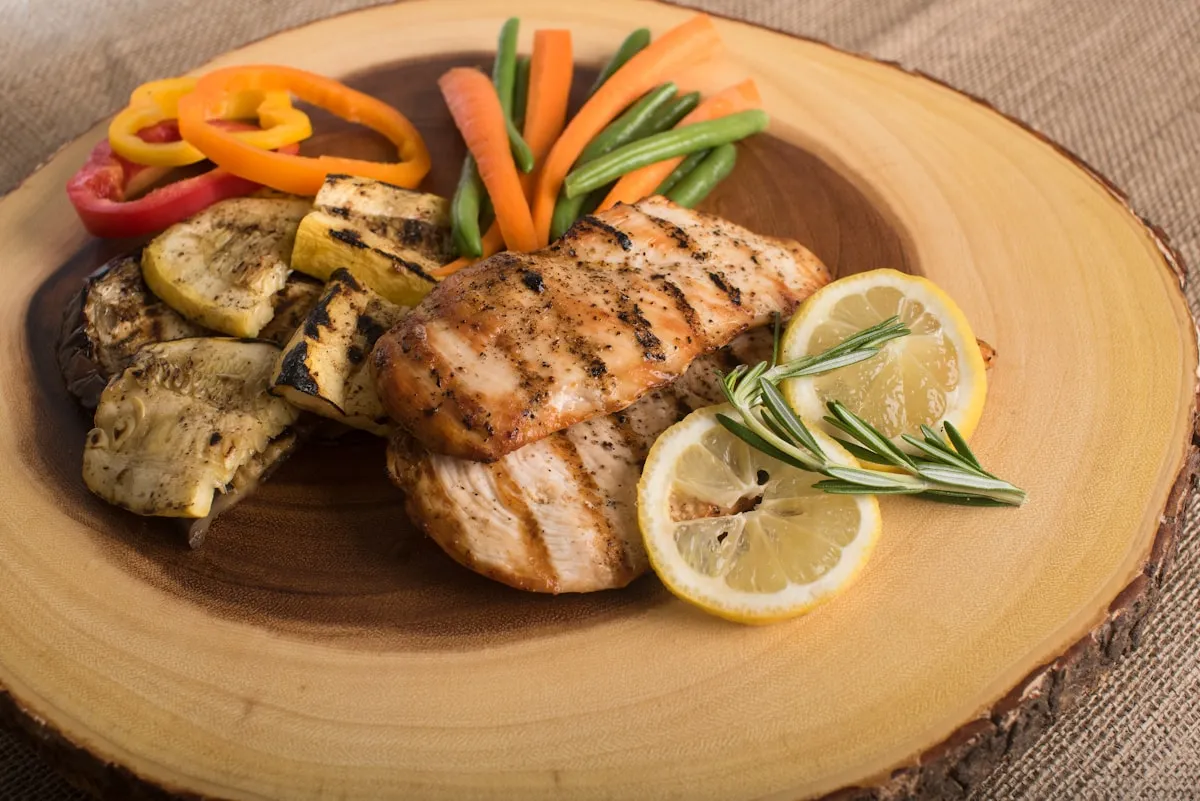
The Art of the Emulsion: Smooth, Never Broken
The biggest heartbreak in creamy cooking is a "broken" sauce: where the fat separates and you’re left with a greasy, grainy mess. To avoid this, you must treat your dairy with respect. Once your chicken is seared and resting, turn the heat down. Adding heavy cream to a screaming-hot pan is a recipe for curdling.
Science tells us that cream is an emulsion of butterfat droplets suspended in water, stabilized by proteins. High heat or sudden acidity can cause those proteins to clump together. By lowering the flame and adding a splash of chicken stock first to deglaze, you create a stable, flavored base. Only then do you swirl in your cream.
Stir constantly. Use a wooden spoon to scrape up every last bit of that fond. As the sauce simmers, the water evaporates, and the sauce thickens naturally. If you’re adding cheese, do it at the very end, off the heat. The residual warmth is enough to melt the cheese into the emulsion without making it stringy or oily. This technique is exactly why our garlic butter ramen works so well: it’s all about managing the fat-to-liquid ratio for maximum silkiness.
Clever Variations for Every Cravings
While the classic garlic and cream combo is hard to beat, you can easily pivot this dish to suit your dietary needs or pantry status. If you are leaning into healthy dinner ideas, you can swap half the heavy cream for a splash of pasta water and a squeeze of lemon. The starch in the water helps bind the sauce, giving you a similar mouthfeel with less fat.
For the keto crowd, this recipe is already a dream. To up the ante, stir in some sun-dried tomatoes and spinach right at the end. The acidity of the tomatoes cuts through the richness of the cream, providing a necessary balance. If you’re looking for a dairy-free alternative, full-fat canned coconut milk works surprisingly well, though you’ll want to add a bit more garlic and perhaps a dash of nutritional yeast to mimic the savory depth of Parmesan.
Don't be afraid to experiment with your aromatics either. While the recipe calls for garlic: and plenty of it: adding a finely minced shallot or a pinch of red pepper flakes during the deglazing phase can completely change the profile. If you have an air fryer and want to speed up your vegetable prep, consider looking into air fryer recipes dinner enthusiasts love, like roasting some quick broccoli to toss in at the end. It adds a charred, earthy contrast to the velvety sauce.
Balancing the Plate: Side Dish Pairings
A dish this rich needs a partner that can handle its personality. You want something that offers a contrast in both texture and flavor. Since the chicken is soft and the sauce is creamy, look for something with a bit of "snap" or acidity.
A simple, zesty arugula salad tossed in a sharp lemon vinaigrette is my go-to. The peppery bite of the leaves and the acid from the lemon cut straight through the heavy cream, cleansing your palate between bites. Alternatively, a quick sauté of garlicky green beans or asparagus keeps the "one pot" vibe alive if you have a second small skillet.
If you’re craving carbs, a side of crusty sourdough is non-negotiable for mopping up that extra sauce. You could also serve this over a bed of al dente pasta or even some cauliflower mash for a lighter, low-carb take on easy dinner recipes. The goal is balance: fat needs acid, and cream needs a crisp texture.
Frequently Asked Questions
Why did my sauce turn out thin and watery?
Usually, this happens because the sauce wasn't allowed to reduce enough, or the chicken released too much juice back into the pan without being simmered off. Science dictates that for a sauce to thicken, you need to evaporate some of the water content from the cream and stock. Let it simmer (not boil) for an extra minute or two. Also, ensure you’re using heavy cream; lower-fat milks don’t have the fat solids required to create a thick, stable emulsion.
Can I use chicken thighs instead of breasts?
Absolutely. In fact, thighs are more forgiving because they have a higher fat content and are less likely to dry out. However, they take slightly longer to cook. To stay within the 15-minute window, use boneless, skinless thighs and ensure they are spread out in the pan so they sear rather than steam.
My garlic turned brown and tastes bitter: what happened?
Garlic is incredibly delicate. If your pan is too hot when you add it, the sugars in the garlic will burn in seconds. Burned garlic is acrid and will ruin the entire sauce. Always lower the heat after removing the chicken, and only sauté the garlic until it’s fragrant: usually about 30 to 60 seconds. If it starts to turn dark brown, remove the pan from the heat immediately and add your deglazing liquid to stop the cooking.
Can I make this ahead of time?
Cream-based sauces are best served immediately. As they cool, the fats begin to solidify, and reheating can sometimes cause the sauce to separate. If you must make it ahead, reheat it very gently on the stove over low heat, adding a tiny splash of broth or water to help bring the emulsion back together. Avoid the microwave if possible, as it heats unevenly and often "breaks" the sauce.
How do I get that deep golden color on the chicken without overcooking it?
High heat and a dry surface are your best friends. If you try to sear cold chicken straight from the fridge, the pan temperature will drop, and you won’t get that crust before the inside is done. Let the chicken sit on the counter for 10 minutes to take the chill off, and make sure your pan is truly hot before adding the oil. It’s all about that initial blast of heat to trigger the Maillard reaction quickly. For more tips on fast, high-heat cooking, our 15-minute meals category has plenty of examples.
Cooking doesn't have to be a marathon. Sometimes, the best meals are the ones that come together in the time it takes to set the table. Use these techniques, respect the science of the pan, and you'll find that one pot meals like this are the ultimate secret weapon for any busy home cook. Now, get into the kitchen and show that chicken who's boss.
{“@type”:”BlogPosting”,”image”:”https://cdn.marblism.com/re-one-pot-creamy-garlic-chicken-hero.webp”,”author”:{“name”:”Penny”,”@type”:”Person”},”@context”:”https://schema.org”,”headline”:”One Pot 15-Minute Creamy Garlic Chicken”,”publisher”:{“logo”:{“url”:”https://cookpedia.com/logo.png”,”@type”:”ImageObject”},”name”:”Cookpedia”,”@type”:”Organization”},”description”:”Master the art of the 15-minute dinner with this one-pot creamy garlic chicken. Learn the science of the Maillard reaction and how to create a perfect silk sauce.”,”datePublished”:”2026-06-14″,”mainEntityOfPage”:{“@id”:”https://cookpedia.com/one-pot-15-minute-creamy-garlic-chicken”,”@type”:”WebPage”}}