Recipe
Servings
Servings 1×
Ingredients
- Chicken
- Shrimp
- Tofu
- Cauliflower
- Garlic
- Fresh ginger
- Lime
- Cooking oil
- Chili seasoning
- Salt
Method
- Let’s start with the shrimp, because they are the divas of the protein world.
- Use ripe mango if you want the sauce to taste lush and glossy.
- Add acid to a sweet sauce and suddenly the flavor seems sharper, fresher, and less heavy.
- Use that rule and you’ll save yourself a lot of unnecessary tinkering.
- Heat matters too, obviously.
- Heat garlic, ginger, and chili in oil so their fat-soluble flavor compounds can disperse throughout the dish.
If you’ve ever stared at a grey, translucent bag of frozen shrimp and wondered how to turn it into a five-star dinner without losing your entire evening to the kitchen, you’re in the right place. We’ve all been there, juggling a million tasks while trying to avoid the siren call of expensive takeout. My Mango Chili Shrimp is the answer. It’s a sensory explosion of sweet, heat, and zip that proves one pot meals don’t have to be boring stews or heavy pastas. We’re talking bright, tropical flavors that hit the table in less time than it takes to scroll through your delivery app.
The Science of the Sizzle: Sugar, Acid, and Shrimp on a Stopwatch
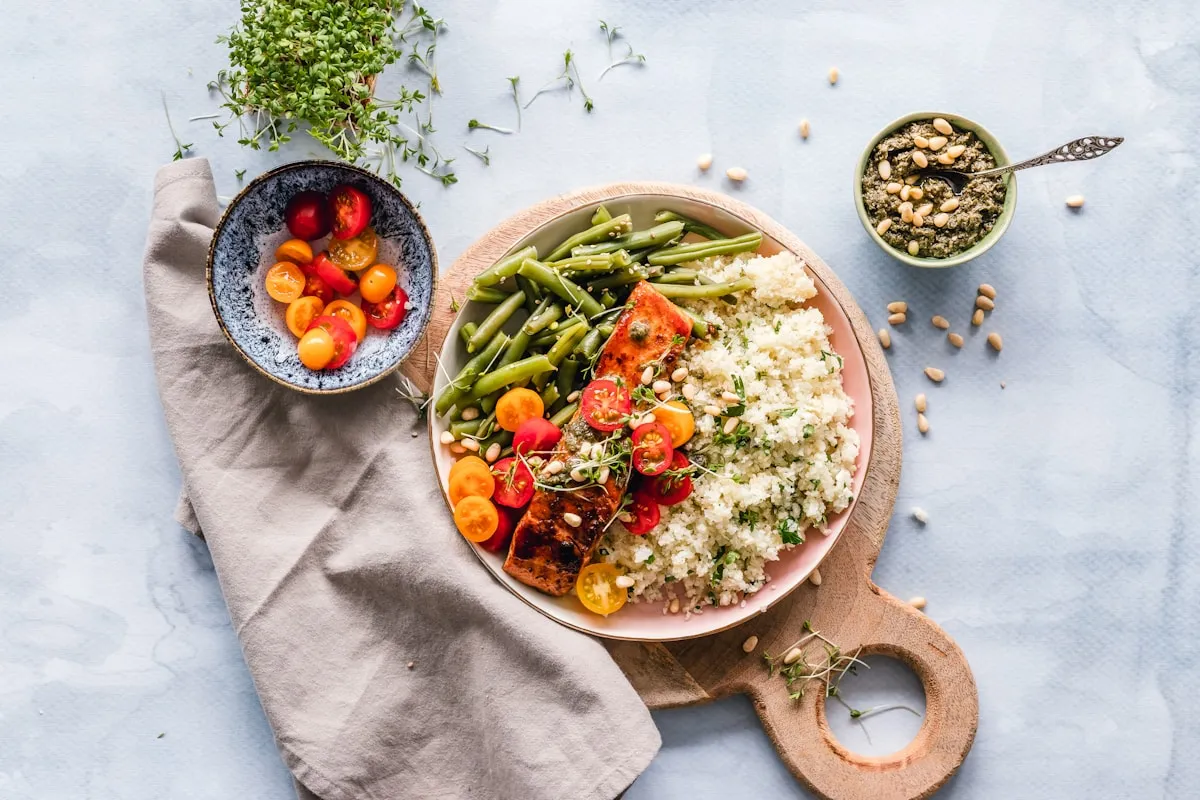
Success here is not about culinary destiny or “just feeling it.” It’s about understanding what happens in the pan so you can control it instead of standing there like the stove is conducting a prank. Mango chili shrimp works because it hits several flavor systems at once: sweetness from fruit, heat from chili, acidity from lime, savoriness from aromatics, and the naturally briny sweetness of shrimp. That balance is what makes it taste lively instead of flat, and fast instead of rushed.
Let’s start with the shrimp, because they are the divas of the protein world. Shrimp cook incredibly fast because they are made up of delicate muscle fibers with very little connective tissue. Unlike beef, which can survive a long braise and come out tender, shrimp have no interest in that kind of commitment. The second they hit high heat, their proteins begin to denature. That means the tightly folded protein structures start to unravel, then bond together in a new shape. A little of that is exactly what you want, because it transforms the shrimp from translucent and raw to juicy and opaque. Too much of it, though, and those proteins tighten like a drawstring bag, squeezing out moisture until the shrimp go firm, dry, and weirdly squeaky.
That’s why I stay bossy about this point: do not overcook them. You are working with a narrow window, usually just a couple of minutes depending on size. Watch the visual cues. Look for shrimp that turn opaque and curl into a gentle “C.” If they’ve curled into a tight little “O,” that’s not cute. That’s overcooked. Pull them fast and save dinner.
Now let’s talk about why the mango-chili-lime combo tastes so good in the first place. Sweetness and acidity are not just random flavor buddies. They actively shape how you perceive each other. Sugar softens sharp acidity and rounds out chili heat, while acid keeps sweetness from turning the whole dish into fruit salad with a shrimp problem. Mango brings natural sugars, but also water, fiber, and a mild fruity acidity. Lime brings a brighter, more pointed acidity that cuts through the richness of the oil and the natural sweetness of the fruit. Together, they create tension. And tension is flavor’s best employee.
Use ripe mango if you want the sauce to taste lush and glossy. As mango ripens, starches convert into simpler sugars, which makes the fruit sweeter, softer, and more aromatic. That matters in a hot pan. Softer fruit breaks down faster, releasing juice that mingles with the aromatics and reduces into a light glaze. The sugars don’t exactly turn into caramel in the classic dry-caramel sense, because there’s still plenty of water around, but they do concentrate as moisture evaporates. That concentration gives you body, shine, and a richer sweet note without needing a heavy thickener. In plain English: the sauce gets clingy in a good way.
But sugar alone is lazy. It needs acid to stay interesting. Lime juice lowers the pH of the sauce, which brightens the overall flavor and helps the fruit taste more like itself. Acid also changes how your palate experiences sweetness. Add acid to a sweet sauce and suddenly the flavor seems sharper, fresher, and less heavy. That’s why fruit-based sauces can go from “nice” to “wake-up call” with one squeeze of citrus. If the dish tastes dull, it usually doesn’t need more sugar. It needs more acid or salt. Use that rule and you’ll save yourself a lot of unnecessary tinkering.
Heat matters too, obviously. Chili brings capsaicin, the compound responsible for that burning sensation. Here’s the sneaky part: sweetness and acidity both affect how spicy food feels. Sugar can soften the edges of heat by balancing bitterness and reducing the harshness of capsaicin’s attack. Acid, meanwhile, can either sharpen the flavor profile or make the heat feel more pronounced if you overdo it. That’s why balance matters more than bravado. You’re not trying to win a chili contest. You’re trying to make a sauce that tastes alive.
Before any of that comes together, bloom the aromatics properly. Heat garlic, ginger, and chili in oil so their fat-soluble flavor compounds can disperse throughout the dish. This is not decorative chef behavior. It’s practical chemistry. Oil acts like a delivery system, carrying those aromas across the whole pan so every bite tastes seasoned instead of patchy. Rush this stage and the dish tastes fragmented. Nail it and even a quick dinner tastes layered.
Your pan choice matters more than people like to admit. Use a stainless steel or cast-iron skillet with decent heat retention. When cold shrimp hit a weak pan, the temperature drops, moisture leaks out, and instead of searing you get a sad puddle and a steam bath. That ruins texture and dilutes the sauce. A properly preheated pan keeps the cooking environment aggressive enough to brown the edges slightly while the fruit juices reduce quickly. That speed is part of what makes this dish such a hero for quick family meals. It tastes bright and fresh because the ingredients spend only a short time under heat, not long enough to collapse into mush.
Also, dry the shrimp well before cooking. Surface moisture is the enemy of browning. Water has to evaporate before searing can happen, and shrimp do not give you much time for that. If they go into the pan wet, they steam first and overcook before any good color develops. Pat them dry like you mean it. This is one of those tiny steps that separates “pretty good” from “why is this so good?”
If you enjoy air fryer recipes dinner shortcuts or collect healthy dinner ideas like a responsible adult with a chaotic schedule, the logic here will feel familiar: high heat, short cook time, and bold ingredients doing the heavy lifting. The difference is that this one-pot setup also lets the shrimp juices, fruit sugars, and aromatics mingle in the same pan, which gives you better flavor integration than cooking everything separately.
For more on mastering these fast cooking windows, check out our dedicated section on 15 minute meals.
Tropical Variations: Change the Fruit, Keep the Balance
The beauty of this dish is that the flavor logic stays steady even when the ingredients change. Keep the sweet-spicy-acidic balance intact and you can riff without wrecking dinner. If shrimp isn’t your thing, use thinly sliced chicken breast. It needs longer in the pan, of course, because chicken proteins denature more slowly and need a higher final temperature for safety, but the same rule applies: cook just enough, not until it tastes like drywall.
Firm tofu is another solid option. It won’t behave like shrimp, but it loves a punchy glaze. Sear it first so the exterior dries and browns, then let the sauce coat the surface instead of sliding off like it has somewhere else to be. Cauliflower also works surprisingly well. Roast or sear it hard so you get those browned edges and concentrated flavor, then toss it with the sauce at the end. That browned exterior gives you savory depth, which helps replace the natural umami you lose when you remove seafood.
If fresh mango is unavailable, use frozen mango chunks. They’re often picked at peak ripeness, which means the sugar-acid balance is usually reliable. Thaw and pat them dry first. Extra water is not your friend here. If the fruit floods the pan, the sauce will taste diluted and the shrimp will overcook while you wait for everything to reduce. Peaches or nectarines can also step in. They bring a similar juicy sweetness, though usually with a slightly softer floral note than mango.
Want more heat? Add it carefully. Increase chili in small increments instead of dumping in a heroic amount all at once. Remember that sweetness and acidity can mute or amplify perceived heat. Taste, adjust, then taste again. That’s not fussiness. That’s control.
Side Dish Pairings: Give the Sauce a Supporting Cast
Because this dish is sweet, spicy, acidic, and rich all at once, pair it with sides that either absorb that energy or cool it down. Jasmine rice is still the gold standard. Its mild floral aroma plays nicely with mango, and its starch gives the sauce somewhere useful to go. A good rice pairing doesn’t just fill the plate. It catches the glaze and softens the sharper edges of the lime and chili.
If you want something lighter, use a crunchy slaw with a creamy or coconut-based dressing. That cooling fat helps tame capsaicin, while the raw crunch contrasts with the tender shrimp and soft fruit. Keep the slaw lightly seasoned. This is not the time for a dozen competing flavors. Let it refresh the palate instead of picking a fight.
You can also pair the shrimp with simple greens dressed in lime and olive oil. That gives you bitterness and freshness, which helps balance the fruit-forward sauce. Or go with steamed rice noodles if you want a softer, silkier base that soaks up the glaze quickly. Just avoid overly sweet sides. The main dish already has that territory covered. The smartest pairings bring starch, crunch, fat, or bitterness to keep the whole plate balanced.
Troubleshooting Guide: The "What If" FAQ
What if my shrimp are still frozen?
Use the quick-thaw method. Put them in a bowl of cold water, not hot water unless your goal is uneven texture and disappointment. Cold water thaws them gently while keeping the outer layer from warming too much. Dry them thoroughly before they hit the pan. Wet shrimp steam first, and steaming is how you miss the sear and overcook the center at the exact same time.
What if my sauce tastes too sweet?
Add acid or salt before you do anything drastic. Fruit sweetness gets louder as the sauce reduces, so a squeeze of lime or a pinch of salt often fixes the problem faster than adding more spice. Acid brightens the sauce and makes it taste less sugary, while salt increases flavor contrast so the sweetness feels balanced instead of blunt.
What if my sauce is too thin and watery?
The pan was likely too cool, the fruit released too much water, or the shrimp crowded the skillet and dumped moisture everywhere. Turn the heat up briefly and let the excess water evaporate fast. The goal is reduction, not a long simmer. As water cooks off, the mango sugars concentrate and the sauce becomes glossier. Skip the cornstarch unless you want to bulldoze the fresh texture.
What if the dish is too spicy?
Do not chug water and hope for a miracle. Capsaicin is oil-soluble, not water-soluble, so water just spreads the burn around like office gossip. Add a touch more mango, a small spoonful of honey, or serve the dish with a creamy side. Sugar softens the edges of heat, and fat helps coat the mouth so the burn feels less aggressive.
What if my mango is underripe and tart?
Use it, but change your expectations. Underripe mango has less available sugar and more firmness because those starches haven’t fully converted yet. Chop it smaller and let it cook a bit longer so it softens and integrates into the sauce. You may need a little extra sweetness to create the right balance, but don’t overdo it. You still want contrast, not candy.
What if my shrimp turned rubbery?
That’s classic overcooking. Once shrimp proteins contract too much, the moisture is gone and there’s no secret fix waiting in the wings. Your best move is prevention. Use high heat, cook briefly, and remove them as soon as they turn opaque. If you’re meal prepping, undercook slightly so reheating finishes the job instead of ruining it. That small adjustment makes this one of those rare healthy dinner ideas that still behaves well the next day.
Can I make this ahead for quick family meals?
Yes, with one rule: store the components with some respect. Shrimp are best when freshly cooked, so if you need a head start, prep the sauce base and cook the shrimp at the last minute. If you must reheat the finished dish, do it gently and briefly. Microwave overkill will turn tender shrimp into edible erasers.
What if I want a less spicy version without making it boring?
Reduce the chili, but don’t flatten the whole dish. Keep the lime, aromatics, and mango in proper balance so the sauce still tastes bright. Heat is only one part of the flavor architecture. You can lower the burn and still keep plenty of personality.
Can I use this flavor profile in other air fryer recipes dinner situations?
Absolutely. The same sugar-acid-chili logic works with salmon bites, tofu, or even roasted vegetables. Just remember that an air fryer dries surfaces faster, so brush or toss with the sauce near the end instead of too early. Otherwise the sugars may darken before the food is fully cooked.
Troubleshooting Guide
| Issue | Root Cause | The Fix |
|---|---|---|
| Rubbery/Tough Shrimp | Overcooked beyond the ideal protein-denaturation window. | Remove from heat as soon as they reach a relaxed 'C' shape; undercook slightly if reheating later. |
| Thin/Watery Glaze | Pan wasn't hot enough or the fruit released excess water. | Increase heat briefly and reduce fast so water evaporates and fruit sugars concentrate. |
| Sauce Too Sweet | Fruit was very ripe or the sauce reduced too far. | Add lime juice or a pinch of salt to rebalance the sugar-acid relationship. |
| Mouth-Numbing Heat | Too much chili or capsaicin spread through the oil. | Balance with more mango, a touch of honey, or a cooling creamy side. |
| Hard/Sour Mango | Using underripe fruit with less sugar and more starch. | Chop finely, cook a bit longer, and add a small amount of sweetness only if needed. |
| Steamed (Not Seared) Shrimp | Wet shrimp or a crowded pan dropped the temperature. | Pat shrimp dry and cook in a properly preheated pan in small batches. |
Remember, cooking is a dialogue between you and the ingredients. Listen to the sizzle, watch the glaze, and trust the science. You’ve got this.