Recipe
Servings
Servings 1×
Ingredients
- Chicken
- Shrimp
- Pork
- Pasta
- Noodles
- Eggs
- Broccoli
- Asparagus
- Zucchini
- Mushrooms
- Tomatoes
- Garlic
- Lemon
- Balsamic vinegar
- Hard cheese
- Salt
- Black pepper
Method
- Use the power of osmosis to your advantage.
- Spread your spiralized noodles or ribbons on a clean kitchen towel and sprinkle them liberally with salt.
- Let them sit for at least 15 minutes.
- Press them firmly with another towel to squeeze out every possible drop of moisture.
- Use high-quality eggs and finely grated Pecorino Romano or Parmesan.
- Heat is the enemy of a smooth carbonara.
If you’ve recently embarked on a low-carb journey, you probably miss the comforting, silk-laden embrace of a classic pasta carbonara. Trust me, I’ve been there. The transition to a keto lifestyle shouldn't mean waving goodbye to the soul-warming flavors of Rome. By swapping out traditional pasta for vibrant, nutrient-dense zucchini, you can recreate that iconic creaminess without the heavy carb count. This zucchini noodle carbonara is the ultimate entry point for keto beginners, offering a sophisticated dinner that feels like an indulgence but keeps you firmly on track with your goals. It’s one of those healthy dinner ideas that proves "real food" is always the best path to satisfaction.
Master the Science of the Zoodle
Making a successful zucchini carbonara isn't just about the swap; it’s about managing the unique chemistry of the vegetable. Zucchini is roughly 95% water. If you simply throw it into a pan, you’ll end up with a watery soup instead of a creamy sauce.
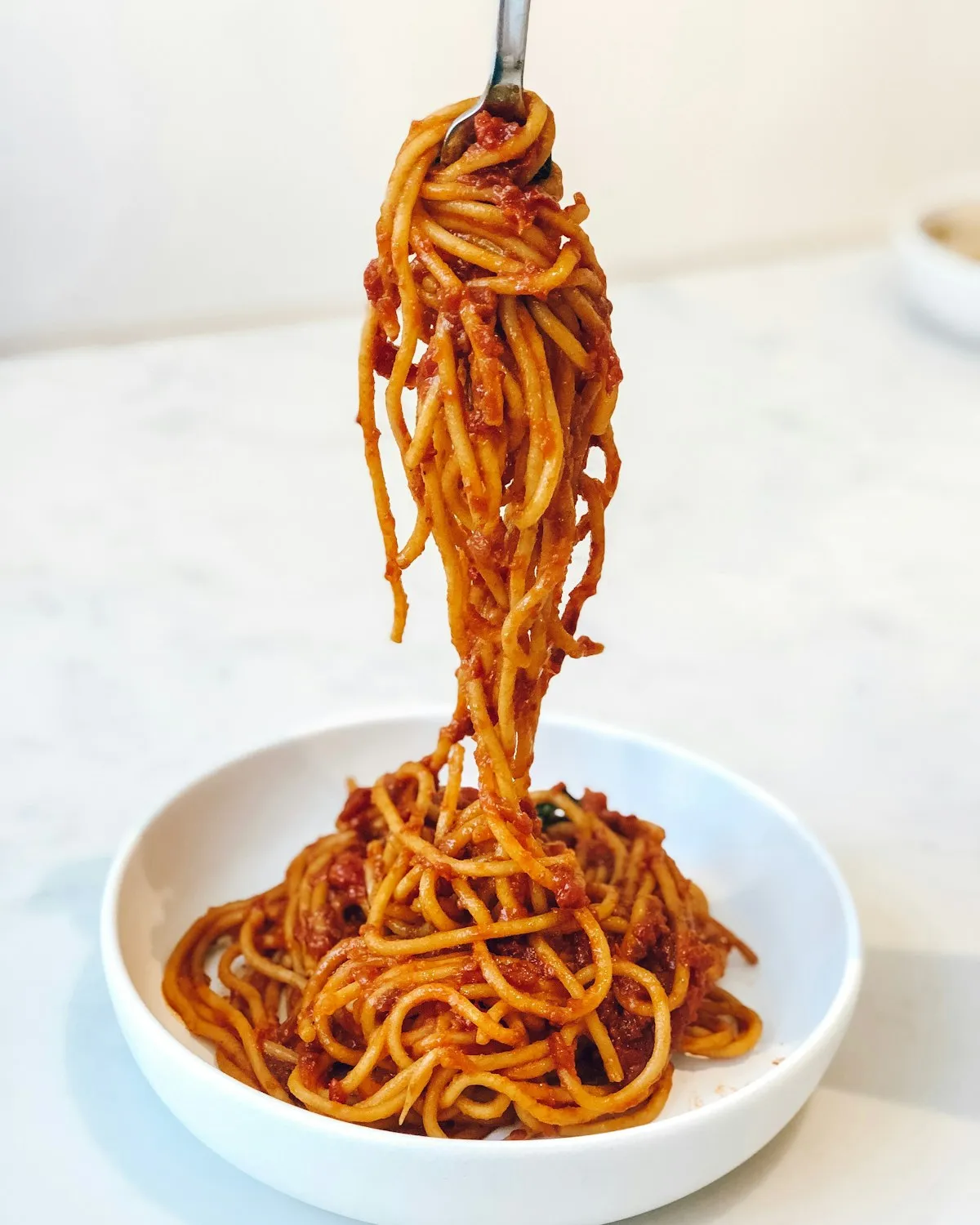
The Battle Against Sogginess
Use the power of osmosis to your advantage. Spread your spiralized noodles or ribbons on a clean kitchen towel and sprinkle them liberally with salt. Let them sit for at least 15 minutes. You will actually see the water beads forming on the surface. Press them firmly with another towel to squeeze out every possible drop of moisture. This step is non-negotiable; skipping it is the fastest way to ruin your dinner. For more tips on fast, reliable vegetable prep, check out our 15-minute meals.
The Emulsification Equation
Carbonara is a "warm emulsion." In the absence of starchy pasta water, which usually helps bind the sauce, you are relying entirely on the interaction between egg proteins, cheese, and rendered fat. Use high-quality eggs and finely grated Pecorino Romano or Parmesan.
Render your fat, whether it's pancetta, bacon, or guanciale, until it’s perfectly crispy. This fat is your "liquid gold." It acts as the bridge between the vegetable noodles and the egg mixture. Avoid draining the fat; you need it to coat the zucchini and create the slick surface necessary for the eggs to slide into a sauce rather than sticking and scrambling.
The Temperature Threshold
Heat is the enemy of a smooth carbonara. Egg yolks begin to coagulate at around 145°F (63°C). If your pan is screaming hot when the eggs hit it, you’ll get a bowl of zoodles with scrambled eggs. Remove the pan from the burner entirely before adding your egg and cheese mixture. The residual heat from the zucchini and the rendered fat is more than enough to cook the eggs into a velvety glaze. Use constant, vigorous motion. Toss the noodles incessantly until the sauce transforms from translucent to opaque and glossy.
Flavor Variations and Upgrades
Once you’ve mastered the basic technique, feel free to experiment. While the classic version relies on the trio of pork, egg, and cheese, you can easily pivot based on what's in your fridge. This is the beauty of quick family meals; they are adaptable.
- The Protein Punch: Add grilled chicken or sautéed shrimp to the mix. Ensure these are cooked separately and tossed in at the very end to prevent them from becoming rubbery.
- The Spicy Kick: Sauté a pinch of red pepper flakes in the pork fat before adding the zucchini. The heat cuts through the richness of the egg yolks and cheese beautifully.
- The Garlic Boost: While traditionalists might scoff, a little minced garlic sautéed briefly in the fat adds a depth that pairs exceptionally well with the sweetness of the zucchini.
- Vegetarian Twist: Use smoked sun-dried tomatoes or sautéed shiitake mushrooms instead of pancetta to maintain that "umami" profile without the meat.
For more inspiration on building high-impact flavor profiles with minimal effort, browse through our one-pot meals collection.
Perfect Side Dish Pairings
Because carbonara is exceptionally rich, you want side dishes that offer high acidity or a crisp, refreshing texture to balance the palate.
- Lemon-Garlic Arugula Salad: The peppery bite of arugula combined with a sharp lemon vinaigrette is the perfect foil for the creamy sauce. It resets your taste buds between every mouthful.
- Charred Asparagus: Use your air fryer to get a quick char on some asparagus spears. If you're looking for other air fryer recipes dinner enthusiasts love, consider air-frying some broccoli florets with a dash of balsamic vinegar.
- Radicchio and Fennel: The bitterness of radicchio and the anise notes of fennel provide a sophisticated contrast to the salty Pecorino in the main dish.
Explore our dedicated air fryer dinners section for more side dish ideas that won't clutter your stovetop while you're busy tossing your carbonara.
Frequently Asked Questions
Why did my sauce turn into scrambled eggs?
Your pan was likely too hot. Remember, the goal is to gently warm the proteins in the egg until they thicken, not to cook them through like a breakfast scramble. Always take the pan off the heat and wait about 30 seconds before pouring in your egg mixture. If the pan is still sizzling, it's too hot.
Can I use pre-spiralized zucchini from the store?
Yes, but be extra vigilant about the moisture. Store-bought zoodles often sit in their own juices in the packaging, making them even more prone to sogginess. Salt and dry them twice if you have to. If they feel mushy even before cooking, they might be past their prime.
Is the sauce safe to eat if the eggs aren't "cooked" on high heat?
The eggs are cooked by the residual heat of the noodles and fat, which should reach the safe temperature of 160°F during the tossing process. However, if you are concerned, use pasteurized eggs. The heat is sufficient to create a safe, stable emulsion without reaching a hard scramble.
How do I prevent the noodles from breaking?
Don't overcook them! Zucchini noodles only need about 1–2 minutes of sautéing to reach an "al dente" state. They should still have a slight snap to them. If you cook them until they are limp, they will fall apart the moment you start tossing them with the heavy sauce.
Can I make this ahead of time?
Unfortunately, no. Zucchini noodles continue to release water as they sit, and the egg-based sauce will lose its creamy emulsion and become thick or clumpy when reheated. This is a dish that must be eaten immediately for the best experience.
Why is my sauce not sticking to the noodles?
This usually happens if the noodles are too wet or if you didn't include enough cheese. The cheese helps thicken the egg and creates the "cling." Ensure your zucchini is bone-dry and your cheese is finely grated (use a microplane if possible) so it melts instantly into the emulsion.
{“@type”:”FAQPage”,”@context”:”https://schema.org”,”mainEntity”:[{“name”:”Why did my sauce turn into scrambled eggs?”,”@type”:”Question”,”acceptedAnswer”:{“text”:”Your pan was likely too hot. Egg proteins coagulate at low temperatures. To avoid scrambling, remove the pan from the heat entirely and wait 30 seconds before adding the egg mixture. Use residual heat and constant motion to emulsify the sauce.”,”@type”:”Answer”}},{“name”:”Can I use pre-spiralized zucchini from the store?”,”@type”:”Question”,”acceptedAnswer”:{“text”:”Yes, but they require extra drying. Salt them and press them with towels at least twice to ensure all excess moisture is removed, as store-bought versions tend to hold more water.”,”@type”:”Answer”}},{“name”:”Is the sauce safe to eat if the eggs aren’t cooked on high heat?”,”@type”:”Question”,”acceptedAnswer”:{“text”:”Yes, the residual heat from the sautéed zucchini and rendered fat typically reaches the 160°F required to safely cook the eggs while maintaining a creamy texture. You can use pasteurized eggs for extra safety.”,”@type”:”Answer”}},{“name”:”How do I prevent the noodles from breaking?”,”@type”:”Question”,”acceptedAnswer”:{“text”:”Do not overcook the zucchini. Sauté them for only 1–2 minutes until they are just ‘al dente.’ Overcooking breaks down the cell walls, making the noodles mushy and fragile.”,”@type”:”Answer”}},{“name”:”Can I make this ahead of time?”,”@type”:”Question”,”acceptedAnswer”:{“text”:”Carbonara is best served immediately. Zucchini noodles release water over time, which will break the emulsion, and the egg-based sauce does not reheat well.”,”@type”:”Answer”}},{“name”:”Why is my sauce not sticking to the noodles?”,”@type”:”Question”,”acceptedAnswer”:{“text”:”This is caused by excess moisture on the noodles or using cheese that is too coarsely grated. Ensure the noodles are dry and the cheese is finely grated to help the sauce emulsify and cling.”,”@type”:”Answer”}}]}