Recipe
Servings
Servings 1×
Ingredients
- Chicken
- Eggs
- Bread
- Mushrooms
- Spinach
- Avocado
- Tomatoes
- Garlic
- Lemon
- Feta
- Blue cheese
- Chorizo
- Butter
- Cooking oil
- Chili seasoning
Method
- Prepare the ingredients described in the article and heat the cooking surface or oven as directed.
- Cook the main ingredients using the heat and timing guidance in the article.
- Finish with the seasonings and garnishes named in the article, then serve.
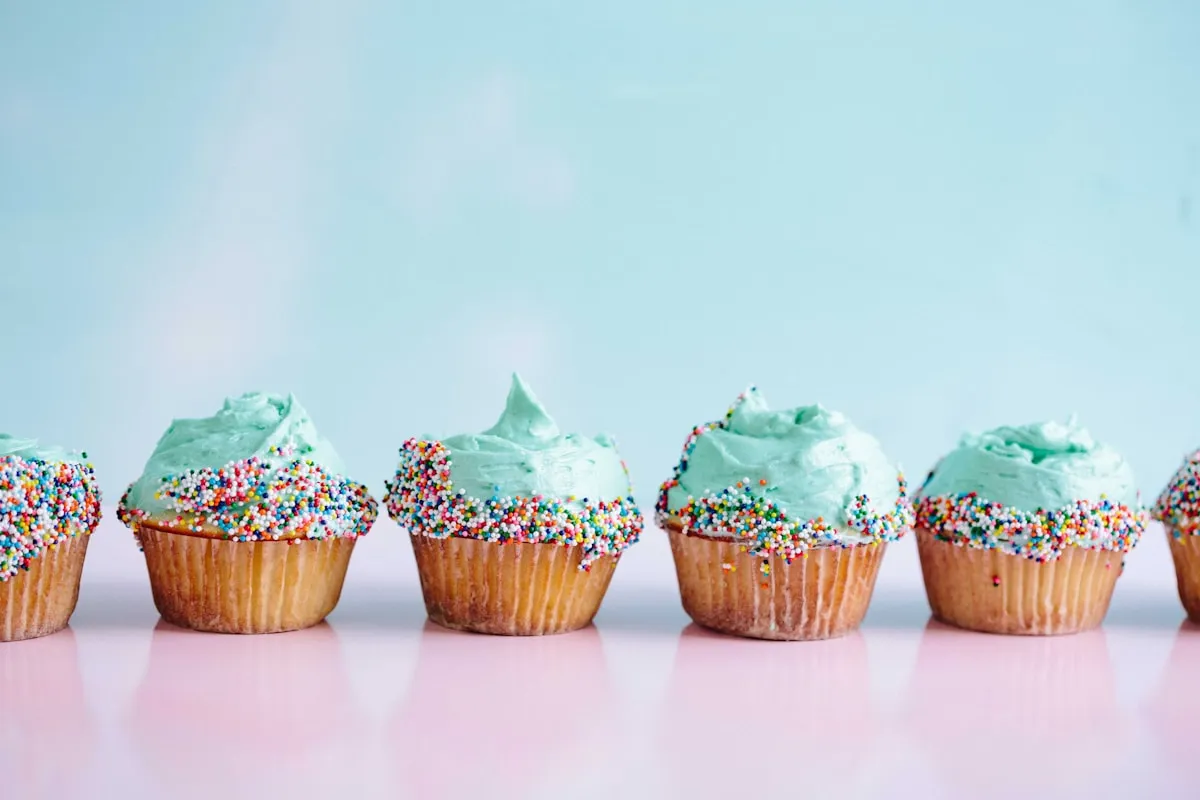
You know that feeling when the alarm goes off and your first thought is "coffee," but your second thought is "I have zero time for breakfast"? We’ve all been there, staring into the fridge while the clock ticks. That’s why I swear by these keto egg muffins. They are the ultimate "grab-and-go" solution that actually keeps you full until lunch, saving you from the mid-morning siren call of the office donut box.
The Science of Staying Full: Why Eggs Win
If you’ve ever wondered why a bowl of oatmeal leaves you starving by 10:00 AM while a couple of eggs keep you powered up, the answer is in the biology of satiety. When you consume high-quality protein, your body releases hormones like cholecystokinin (CCK) and peptide YY. These are the "I’m full" signals that travel straight to your brain, telling it to stop hunting for snacks. Eggs are a protein gold standard, and by packing them into a muffin tin with healthy fats, you're essentially building a slow-release energy battery for your morning.
Getting the texture right, however, is where the science of egg coagulation comes into play. Think of an egg as a tangled mess of protein strings. When you apply heat, those strings vibrate, uncurl (denature), and then link up with their neighbors (coagulate) to form a solid structure. If you blast them with high heat, those links become too tight, squeezing out all the moisture and leaving you with rubbery, "weeping" muffins. Aim for a steady 350°F. This temperature allows the proteins to set firmly enough to hold their shape without turning into a bounce-ball.
One of the biggest hurdles in egg muffin history is the "sticking" factor. Egg proteins love to form a chemical bond with metal, which is why your muffin tin often looks like a crime scene after baking. Use silicone liners. I cannot stress this enough: it is a non-negotiable. Silicone provides a low-surface-tension environment where the egg can’t grab hold. If you insist on using a bare tin, you must grease it with a high-smoke-point fat like avocado oil or ghee, but even then, you’re playing a dangerous game with your dishwasher’s sanity.
Lastly, let’s talk moisture management. If you toss raw spinach or mushrooms directly into your egg mixture, they will release their internal water as they cook. This turns your muffins into a soggy mess. Sauté your watery vegetables beforehand to cook off that excess moisture. This not only improves the structural integrity of your muffin but also concentrates the flavors, ensuring every bite is punchy rather than diluted.
Flavor Variations: Balancing Fat and Acid
While a plain egg muffin is fine, we’re here for delicious home cooking, not just survival. The secret to a gourmet-tasting muffin is balance. Since eggs and cheese are naturally rich and fatty, you need a hit of acidity or heat to cut through that weight.
Try a Buffalo Chicken version by mixing shredded chicken with a splash of hot sauce and topping with blue cheese crumbles. The vinegar in the hot sauce provides the necessary acid to brighten the dish. Alternatively, go for a Mediterranean vibe with sun-dried tomatoes, feta, and kalamata olives. The saltiness of the feta acts as a natural flavor enhancer, while the tomatoes offer a concentrated umami burst.
For those who like a bit of a kick, Chorizo and Jalapeño is a winner. The rendered fat from the chorizo infuses the whole egg mixture with a smoky, spicy profile. Just remember: when adding heavy ingredients like meats, distribute them into the tin first before pouring the egg over the top. This ensures every muffin has an equal share of the "good stuff" rather than the heavy bits sinking to the bottom of your mixing bowl.
What to Serve on the Side
Even though these are meant for busy mornings, if you find yourself with five extra minutes, a well-chosen side dish can elevate this from a "commuter snack" to a proper meal. I love pairing these with a simple arugula salad tossed in a bright lemon vinaigrette. The peppery bite of the greens and the acidity of the lemon perfectly balance the richness of the egg yolks.
If you're looking for more quick family meals that can double as leftovers, you might even serve these alongside some crispy air fryer breakfast sausages. Adding a few slices of fresh avocado on the side provides a creamy texture contrast that makes the whole plate feel more indulgent. While these muffins are a breakfast staple, don't overlook them for healthy dinner ideas when you're too tired to cook a multi-course feast. Just pair them with a side of roasted vegetables, and you've got a complete, low-carb meal in minutes.
Troubleshooting Your Keto Muffins (FAQ)
Why did my muffins sink as soon as I took them out of the oven?
This is the "soufflé effect." When eggs cook, the air trapped inside expands. As they cool, the air contracts. If you whipped your eggs too vigorously, you introduced too much air, leading to a dramatic rise and a sad, cratered fall. Mix your eggs gently until just combined to keep them dense and stable.
Can I freeze these for later in the week?
Absolutely. In fact, these are the MVP of meal prep. Just make sure they are completely cool before you bag them. If you freeze them while they’re still warm, the steam will turn into ice crystals, which will destroy the cell structure of the egg and leave them mushy when thawed. Reheat them in the air fryer for the best results: it gives the edges a slight crisp that the microwave just can't manage.
Why is there liquid at the bottom of my muffin tin?
This usually happens because of "syneresis," which is just a fancy word for the protein structure squeezing out water. This happens if you overcook them or if your vegetables weren't pre-cooked. Follow the rule of thumb: bake until the centers are just set and no longer jiggly.
Are these only for breakfast?
Definitely not! I often keep a batch in the fridge for a high-protein snack after the gym or as part of my rotation of air fryer recipes dinner prep. They’re versatile, portable, and a much better choice than a protein bar filled with mystery ingredients.
If you're looking for more ways to simplify your kitchen routine, check out our guide on the viral garlic butter ramen hack for another quick meal solution, or dive into our one-basket meal ideas for more stress-free cooking. Keep those mornings simple, keep your protein high, and stop settling for "just a piece of toast." You've got this!