Recipe
Servings
4 servings 1×
Serves 4Prep 10 minCook 10 minTotal 20 min
Nutrition per serving
Ingredients
- 1 lb ground beef 80/20 or 85/15 for best juiciness
- 1/2 cup crushed pork rinds finely crushed to act as a binder
- 1 large egg lightly beaten
- 1/4 cup Parmesan cheese grated
- 2 cloves garlic minced
- 1 tsp dried Italian seasoning
- salt and pepper to taste
Method
- In a large mixing bowl, combine the ground meat, crushed pork rinds, egg, Parmesan, garlic, and seasonings.
- Mix gently by hand until just combined—do not over-mix or the meatballs will be dense.
- Form the mixture into even-sized balls (about 1.5 inches in diameter).
- Let them rest for 5 minutes to allow the binder to hydrate.
- Preheat your air fryer to 400°F (200°C).
- Place the meatballs in a single layer in the basket, ensuring they are not touching.
- Cook for 10-12 minutes until the outside is golden brown and the internal temperature hits 160°F.
- Remove the meatballs from the air fryer and let them rest for 2-3 minutes to allow the juices to redistribute.
- Serve with your favorite low-carb sauce or over zucchini noodles.
Let’s be honest: most keto meatballs are about as exciting as chewing on a dry kitchen sponge. When you strip away the breadcrumbs, you lose the “panade”, that magical starch-and-liquid slurry that keeps meat tender. But on my blog, we don’t settle for “okay for a diet.” We want succulent, juice-dripping spheres of joy. By understanding the chemistry of low-carb binders and the rapid-fire convection of the air fryer, we can turn quick family meals into gourmet experiences without the carb coma. This is the science of the perfect keto bite.
The Chemistry of Juice Retention in the Air Fryer
The biggest mistake people make when chasing healthy dinner ideas is assuming meatballs stay juicy by pure luck. They do not. Juiciness is a system, and if you understand the system, you stop making sad little protein marbles.
Start with the proteins. Ground meat contains myosin and actin, and those proteins tighten as they heat. That tightening is normal, but if you push it too far, the meat literally squeezes out its own moisture. That’s why overcooked meatballs feel dry even if you started with decent meat. The goal is not to stop cooking. Obviously. The goal is to control how fast the outside browns, how gently the inside cooks through, and how much moisture the mixture can physically hold onto while all that happens.
This is where air frying pulls a neat little trick. In a regular oven, meatballs often sit in a humid pocket of warm air and release moisture slowly while they brown slowly. In an air fryer, the fast-moving hot air browns the outside quickly. That matters because once the exterior sets, it forms a firmer shell that helps reduce moisture loss. No, it doesn’t create some magic force field. But it does buy you time. The faster the surface browns, the less likely the whole meatball is to coast into dry, crumbly nonsense before the center is done.
Lean protein makes this even more important. If you use lean beef, turkey, or chicken, there is less fat available to cushion the muscle fibers. Fat carries flavor, sure, but it also improves mouthfeel and slows the perception of dryness. That’s why air-fried meatballs can be such a smart move for lighter eating: you still get deep browning and savory flavor without having to fry in a pool of oil. For anyone looking for quick family meals that don’t feel like punishment, that is a big win.
Use high heat, but do not get reckless. Around 400°F works because it accelerates browning on the outside while keeping total cook time short. Shorter cook time means less overall moisture loss. Check doneness early. Pull the meatballs once they hit the proper internal temperature instead of letting them keep blasting away in the basket while you scroll your phone and pretend you’re “monitoring.”
Also, avoid over-mixing. This is not negotiable. Mix ground meat too aggressively and you extract more protein, which makes the texture dense and springy instead of tender. Think sausage puck, not meatball. Use a light hand. Stop mixing as soon as the ingredients come together. Then let the mixture rest briefly before shaping. That short rest gives your binder time to hydrate and your proteins time to settle, which improves structure without making the meatballs tough.
One more thing: size matters. Make your meatballs roughly even. If some are huge and some are tiny, the little ones dry out while the bigger ones are still finishing. Uniform size is boring advice, but boring advice is usually what keeps dinner good.
Keto Binders That Actually Pull Their Weight
Once you remove breadcrumbs, you remove more than carbs. You remove a moisture management tool. Traditional breadcrumbs absorb liquid, hold fat, and create space inside the meat mixture so it stays tender instead of compact. If you want keto meatballs that still behave like proper meatballs, you need a low-carb binder that does one or more of those jobs.
Pork rinds are the flashy favorite, and for good reason. Crush them finely and they act a bit like a savory sponge. They add protein and fat, and they help create a lighter interior than you’d expect. They also bring salt and richness, so they pair especially well with leaner meat blends. If you want air fryer results that taste indulgent without veering off keto, this is one of the strongest options.
Parmesan is another smart move. It doesn’t absorb moisture the way breadcrumbs do, but it helps with structure, adds umami, and contributes fat. That makes it especially useful when your meat mixture needs flavor support as much as physical support. Use it when you want a firmer, richer meatball with a more savory edge.
Almond flour works, but it has limits. It is absorbent, yes, but it can turn dense fast if you use too much. It also brings a slightly sweet, nutty flavor that can be great in some mixes and weird in others. Use restraint. If your meatball starts tasting like a polite little muffin in disguise, you’ve gone too far.
Flaxseed meal and chia are the overachievers of the binder world. They absorb a lot of liquid and create a gel-like structure, which helps hold lean meat together. That can be useful, especially if you’re skipping dairy. But they can also make the texture softer or slightly pasty if overused. Use them when you need a true binder, not when you want classic meatball texture at all costs.
Egg deserves a quick reality check too. Egg is not just a binder; it is also a protein source that firms up when heated. That means too much egg can make meatballs rubbery instead of tender. Use enough to connect the mixture, not enough to turn it into breakfast.
For lean protein benefits, the sweet spot is balance. Leaner meats offer more protein per bite with less fat, which can make these meatballs fit neatly into a keto meal plan when the rest of the plate provides the richness. But lean meat on its own is unforgiving. That is why your binder matters so much. A good keto binder doesn’t merely hold the meatball together. It protects texture, supports juiciness, and makes lean protein feel generous instead of stingy. And that, frankly, is the whole game.
Temperature control is still your most potent tool here. Aim for high heat for a short duration. This flash-cooking method ensures the center reaches the safe zone just as the outside hits peak caramelization. If you go too low and slow, the internal fat renders out before the crust forms, leaving you with a puddle of grease and a shriveled meatball. Let the air fryer do the heavy lifting for your air fryer recipes dinner.
Flavor Variations: Change the Binder, Change the Personality
While the classic herb-and-garlic profile is a staple on my blog, keto meatballs are surprisingly flexible once you understand what each binder does. This is less about tossing in random ingredients and more about building the exact texture you want.
The Mediterranean Twist: Swap part of the beef for ground lamb and use parmesan or feta as part of the binding system. Both cheeses add salt and fat, which help leaner bites feel less dry. Pair these with something tangy and cool, because acidity cuts through richness and keeps the whole plate from feeling heavy.
Buffalo-Style Meatballs: Use ground turkey or chicken, but compensate for the lower fat. This is where pork rinds really earn their paycheck. They help protect tenderness while the air fryer builds that browned exterior. A little acidic hot sauce in the mix also helps brighten the flavor so the meatballs do not taste flat.
Asian-Inspired Ginger & Soy: Ground pork works beautifully here because it naturally carries more fat, so you can get away with a lighter binder touch. Coconut aminos bring a mild sweetness that browns nicely under high heat. Use restraint, though. Too much liquid in the mixture delays browning and pushes you back into steamed-meatball territory, which nobody requested.
The bigger point is this: choose your binder based on the meat. Lean turkey and chicken usually need more help with moisture retention. Pork can tolerate less. Beef sits somewhere in the middle depending on the fat percentage. Build accordingly, and your meatballs will stop feeling like a compromise and start feeling like dinner you’d actually brag about.
Side Dish Pairings: Balance the Richness, Don’t Fight It
A plate of keto meatballs can get rich fast, even when you use leaner protein, because browned meat plus binder plus cheese has a way of feeling heavier than it looks. Pair smartly. Do not just toss them onto a plate with more beige food and call it balance.
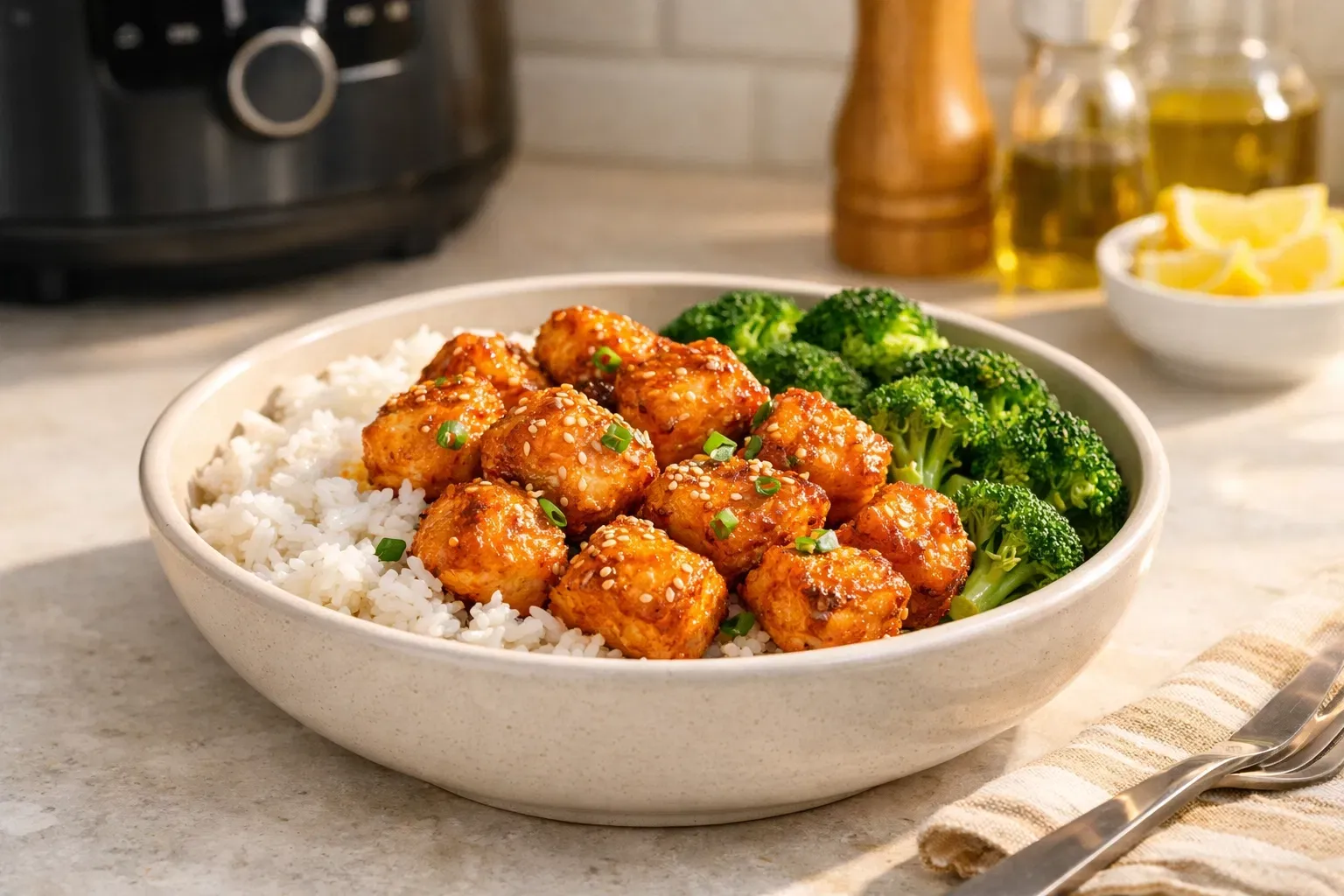
I almost always recommend zucchini noodles or spaghetti squash first. Both are light, high in water, and good at catching sauce without making the meal feel stodgy. Add acidity. Lemon, vinegar, or a tomato sauce with some bite helps reset your palate between bites.
Cauliflower mash is the cozier option. It works best when the meatballs are boldly seasoned, because the mild mash gives the plate some breathing room. If you want freshness, go for an arugula salad with a sharp vinaigrette. Peppery greens are especially useful here because they cut through richness instead of disappearing underneath it.
If your meatballs are made with very lean protein, serve them with a side that brings moisture to the plate. A spoonable yogurt sauce, a bright marinara, or even simply dressed vegetables can make the whole meal feel more generous. That’s the trick with quick family meals: use contrast so dinner tastes complete, not just efficient.
Frequently Asked “What If” Questions
Why are my meatballs falling apart in the air fryer?
This usually means your binder is underperforming, your mixture is too wet, or you skipped the resting time. Let the mixture sit briefly before shaping so the binder can hydrate and the proteins can settle. Also, avoid overcrowding the basket. If air cannot move around the meatballs, the exterior takes longer to set, and that outer structure is part of what keeps them intact.
Can I use lean turkey instead of beef?
Yes, but lean turkey has almost no room for error. It contains less intramuscular fat, so it dries out faster and tastes drier even when technically cooked correctly. Use a binder that helps with moisture retention, like finely crushed pork rinds, and do not overcook. Lean protein is great if you want a lighter option, but it needs backup.
Why do my meatballs taste dry even when they aren’t overcooked?
Because juiciness is not only about temperature. It is also about fat distribution, protein tightening, and moisture retention. You can hit the right internal temperature and still end up with a dry bite if the mixture was too lean, overmixed, or poorly bound. Check the full system, not just the thermometer.
Do I need to flip them halfway through?
Not strictly. Air fryers circulate heat well enough that meatballs usually brown without flipping. But if your model has a weak fan or hot spots, a gentle shake can help even things out. Do it carefully once the exterior has started to set.
Can I freeze these raw for later?
Absolutely. Freeze them in a single layer first, then bag them once solid. It is one of the better strategies for air fryer recipes dinner planning because you can cook straight from frozen with only a small time adjustment. Just remember that frozen meatballs may brown a little more slowly at first because the surface has to thaw before it can really sear.
Why do they look gray instead of brown?
That usually means excess surface moisture. Browning needs heat plus a relatively dry surface. If the outside is wet, the air fryer spends its energy evaporating water before the Maillard reaction can kick in. Translation: you steamed your meatballs by accident.
Is almond flour a direct 1:1 swap for pork rinds?
Nope. Almond flour absorbs differently, tastes different, and gives a denser final texture if you get too generous with it. Pork rinds are better at giving you that airy, savory, breadcrumb-like effect. Almond flour can still work, but reduce the amount and expect a different texture.
What if I want the leanest possible meatball?
Then be extra disciplined. Use a smart binder, do not overmix, keep the meatballs evenly sized, and pull them as soon as they are done. The leaner the meat, the smaller the margin for error. This is one of those healthy dinner ideas where precision pays off.
Can I skip the binder completely?
You can, in the same way you can also skip salt and joy. The meatballs may hold together if the meat is fatty enough and you handle it carefully, but the texture will usually be tighter and less tender. A good low-carb binder is not filler. It is insurance.
Cooking is just edible chemistry, and once you master the “why” behind the binder, you’ll never settle for a dry meatball again. Experiment with your fats, respect the Maillard reaction, and keep your air fryer clean for the best results! For more technical deep dives, check out my post on the starch emulsion secret.