Recipe
Servings
15-minute quick family meals taste like they took hours of simmering. You want flavor that hits every corner of your palate, salt, heat, acid, and crunch, without the cleanup headache. 1×
Serves 15-minute quick family meals taste like they took hours of simmering. You want flavor that hits every corner of your palate, salt, heat, acid, and crunch, without the cleanup headache.
Ingredients
- Shrimp
- Tofu
- Pasta
- Noodles
- Rice
- Broccoli
- Greens
- Peas
- Cucumber
- Onion
- Garlic
- Fresh ginger
- Lemon
- Lime
- Cooking oil
- Soy sauce or tamari
- Sesame
- Chili seasoning
Method
- Prepare the ingredients described in the article and heat the cooking surface or oven as directed.
- Cook the main ingredients using the heat and timing guidance in the article.
- Finish with the seasonings and garnishes named in the article, then serve.
If you have fifteen minutes and a single pan, you are exactly one decision away from the best meal of your week. Forget the sink full of dishes and the complicated timers. We are leaning into the "pantry magic" of chili crisp to build a meal that is hot, crunchy, and deeply satisfying. This isn't just about throwing things in a pot; it is about leveraging some simple kitchen science to make 15-minute quick family meals taste like they took hours of simmering. You want flavor that hits every corner of your palate, salt, heat, acid, and crunch, without the cleanup headache.
The Science of the Sizzle: Why One Pot Works
The secret to a successful one-pot meal isn't just convenience; it’s starch. When you cook your noodles directly in a seasoned liquid rather than boiling them in a massive pot of water, you are essentially creating a self-thickening sauce. As the noodles soften, they release starches into the cooking liquid. This starch acts as an emulsifier. It allows the oil-based chili crisp to bind with the water-based seasonings (like soy sauce and vinegar), creating a glossy, velvet-like coating that clings to every strand instead of pooling at the bottom of your bowl.
However, you must respect the "blooming" phase. Chili crisp is a complex suspension of fried garlic, shallots, and peppers. If you toss it into a cold pan, you lose the opportunity to wake up those oil-soluble flavor molecules. Start by briefly searing your aromatics, think ginger and garlic, in a tiny bit of neutral oil. If you want a deeper baseline of heat, bloom one tablespoon of the chili crisp itself in the hot pan for thirty seconds. This short burst of heat re-releases the aromas of the Sichuan peppercorns and spices into the air and the oil before you add your liquid.
Temperature control is your best friend here. While you want that initial sear to be high and fast, you must turn the heat down once you add your liquid. Boiling noodles too violently can lead to a gummy exterior before the center is cooked. Aim for a steady simmer. This allows the liquid to reduce at the same rate the noodles absorb it. Check your pan frequently; if the liquid disappears before the noodles are tender, add a splash more water. It is a delicate balance of hydration and reduction that separates a soggy mess from a restaurant-quality healthy dinner idea.
Keeping the "Crisp" in Chili Crisp
The most common mistake home cooks make is adding all the chili crisp at the start. Remember that the "crisp" part of the name comes from dehydrated, fried aromatics. If these bits sit in simmering water for ten minutes, they turn into soggy, sad flakes of onion and garlic. To preserve that addictive texture, reserve the majority of your chili crisp for the very end.
Once your noodles are cooked and the sauce has reached that perfect, syrupy consistency, take the pan off the heat entirely. This is when you stir in your heavy hit of chili crisp. The residual heat is enough to incorporate the oils without compromising the structural integrity of the crunchy bits. Use a wide, flat wooden spoon to fold the oil through the noodles, ensuring even distribution without breaking the delicate pasta strands.
Flavor Variations: Swaps and Upgrades
The beauty of this technique is its adaptability. While noodles are the classic vessel, you can easily pivot based on what is in your fridge. If you are looking for more protein-heavy quick family meals, consider adding shrimp or thinly sliced beef during the initial searing phase. Just ensure you remove the protein once it’s 80% cooked, then add it back at the very end with the chili crisp. This prevents the "rubber tire" texture that comes from overcooking meat in simmering noodle water.
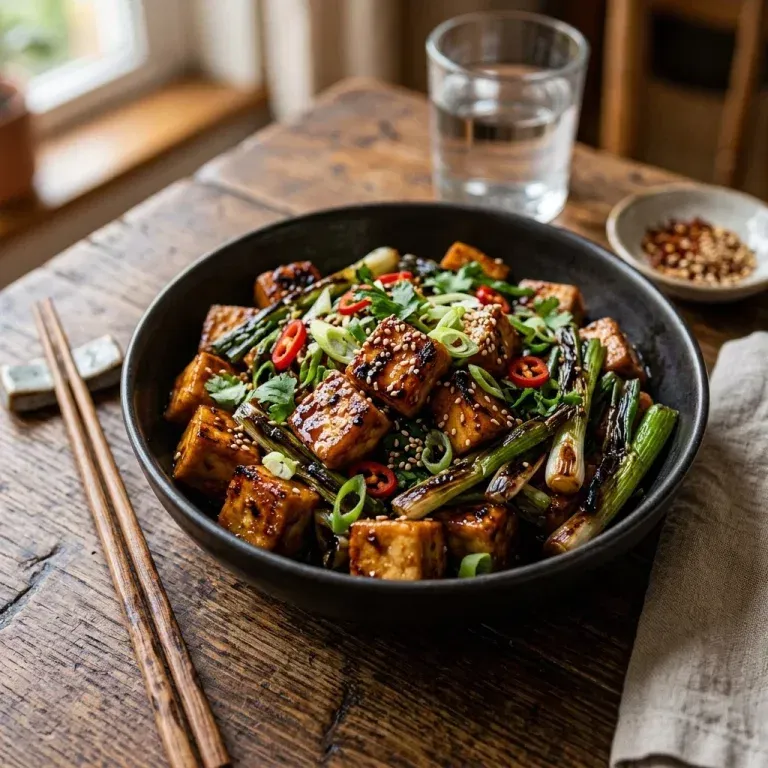
For a plant-based twist, seared tofu cubes are incredible here. The porous nature of the tofu acts like a sponge for the spicy oil. You can also experiment with different noodle types. Thick udon noodles provide a chewy, bouncy contrast to the crunchy crisp, while thin rice noodles create a lighter, more delicate dish. If you find yourself in a pinch, even high-quality instant ramen noodles work perfectly, just toss the flavor packet and let the chili crisp do the heavy lifting.
If you are a fan of using your gadgets, you can even incorporate some air fryer recipes dinner components. Try air-frying some broccoli florets or snap peas for 5 minutes until charred and crispy, then tossing them into the pot at the finish line. The smokiness from the air fryer adds another layer of complexity that complements the toasted notes of the chili oil.
Perfect Side Dish Pairings
Because this dish is rich, fatty, and spicy, your side dishes should work to restore balance. You need acidity and freshness to cut through the oil. A classic smashed cucumber salad with plenty of rice vinegar and a pinch of sugar is the gold standard here. The cooling crunch of the cucumber resets your palate between bites of spicy noodles.
Alternatively, a simple slaw made of shredded cabbage and lime juice provides a bright, sharp contrast. Avoid heavy, creamy sides; they will only compete with the richness of the chili crisp. Instead, think about "cleaning" the palate. A cold glass of sparkling water with a heavy squeeze of lemon or a simple side of steamed bok choy with a dash of sesame oil will elevate the meal from a quick fix to a curated experience.
FAQ: Mastering the One-Pot Method
My sauce turned out gummy. What happened?
Gummy noodles are usually the result of two things: not enough liquid or too much starch. If the water evaporates too quickly, the starch becomes a paste rather than a sauce. Next time, add a splash more water or broth as you go. Also, make sure you aren't using "no-drain" pasta that is specifically coated in extra starch unless the recipe calls for it.
Can I make this with gluten-free noodles?
Yes, but be careful. Rice noodles or buckwheat soba are great options, but they are more fragile than wheat noodles. They often require less liquid and less stirring. If using rice noodles, soak them in warm water for 5 minutes before adding them to the pan to ensure they cook evenly without falling apart.
The chili crisp is too spicy for my family. How can I tone it down?
Chili crisp brands vary wildly in heat levels. If yours is a fire-breather, cut the amount in half and supplement the volume with a tablespoon of toasted sesame oil or a neutral vegetable oil. You’ll still get the aromatic garlic and onion flavors without the overwhelming burn. Adding a teaspoon of honey or brown sugar to the cooking liquid also helps neutralize the capsaicin.
How do I store leftovers?
Noodles are notorious for soaking up every drop of moisture as they sit. If you have leftovers, store them in an airtight container. When reheating, add a tablespoon of water and a fresh drizzle of chili crisp to "loosen" the sauce back up. Avoid the microwave if possible; a quick toss in a hot skillet for two minutes will yield much better results.
Is this actually a "healthy" meal?
It can be! By focusing on healthy dinner ideas that incorporate plenty of vegetables like bok choy, spinach, or bell peppers, you are creating a balanced plate. Chili crisp does contain oil, but a little goes a long way in terms of flavor. Focus on using high-quality, whole-food ingredients and go heavy on the greens to keep it light.
{“@type”:”BlogPosting”,”image”:”https://api.marblism.com/images/8a3f89e2-6d2c-493e-bc5d-6f7d43236e78/hero-chili-crisp-noodles.webp”,”author”:{“name”:”Penny”,”@type”:”Person”},”@context”:”https://schema.org”,”headline”:”How to Create a Spicy Chili Crisp One Pot Meal in 15 Minutes”,”publisher”:{“logo”:{“url”:”https://cookpedia.com/logo.png”,”@type”:”ImageObject”},”name”:”Cookpedia”,”@type”:”Organization”},”description”:”Learn the science and technique behind making a flavor-packed, 15-minute one-pot meal using chili crisp and pantry staples.”,”datePublished”:”2026-07-03″,”mainEntityOfPage”:{“@id”:”https://cookpedia.com/chili-crisp-one-pot-meal”,”@type”:”WebPage”}}
{“@type”:”FAQPage”,”@context”:”https://schema.org”,”mainEntity”:[{“name”:”Why is my one-pot noodle sauce gummy?”,”@type”:”Question”,”acceptedAnswer”:{“text”:”Gummy noodles usually result from insufficient liquid or excessive starch. Ensure there is enough water or broth to allow the starch to emulsify into a sauce rather than a paste.”,”@type”:”Answer”}},{“name”:”Can I use gluten-free noodles for this recipe?”,”@type”:”Question”,”acceptedAnswer”:{“text”:”Yes, rice noodles or soba work well. However, they are more delicate and require careful monitoring of liquid levels and minimal stirring to prevent them from breaking apart.”,”@type”:”Answer”}},{“name”:”How can I reduce the spiciness of the chili crisp?”,”@type”:”Question”,”acceptedAnswer”:{“text”:”You can dilute the chili crisp with toasted sesame oil or neutral oil. Adding a small amount of sugar or honey to the sauce also helps balance and neutralize the heat.”,”@type”:”Answer”}}]}