Recipe
Servings
Servings 1×
Ingredients
- Eggs
- Greek yogurt
- Bread
- Avocado
- Lime
- Butter
Method
- Prepare the ingredients described in the article and heat the cooking surface or oven as directed.
- Cook the main ingredients using the heat and timing guidance in the article.
- Finish with the seasonings and garnishes named in the article, then serve.
You know that feeling when you're staring at the fridge at 7:00 AM, your brain is still in low-power mode, and the thought of cooking anything more complex than toast feels like a mountain climb? We’ve all been there. That’s why I’m obsessed with this high-protein mango yogurt bowl. It is the ultimate hack for anyone who wants a gourmet-tasting breakfast without the gourmet-level effort. It fits perfectly into my collection of 5-minute meal recipes, proving that you don't need a whole morning to eat like royalty.
The Science of the Satiety "Sweet Spot"
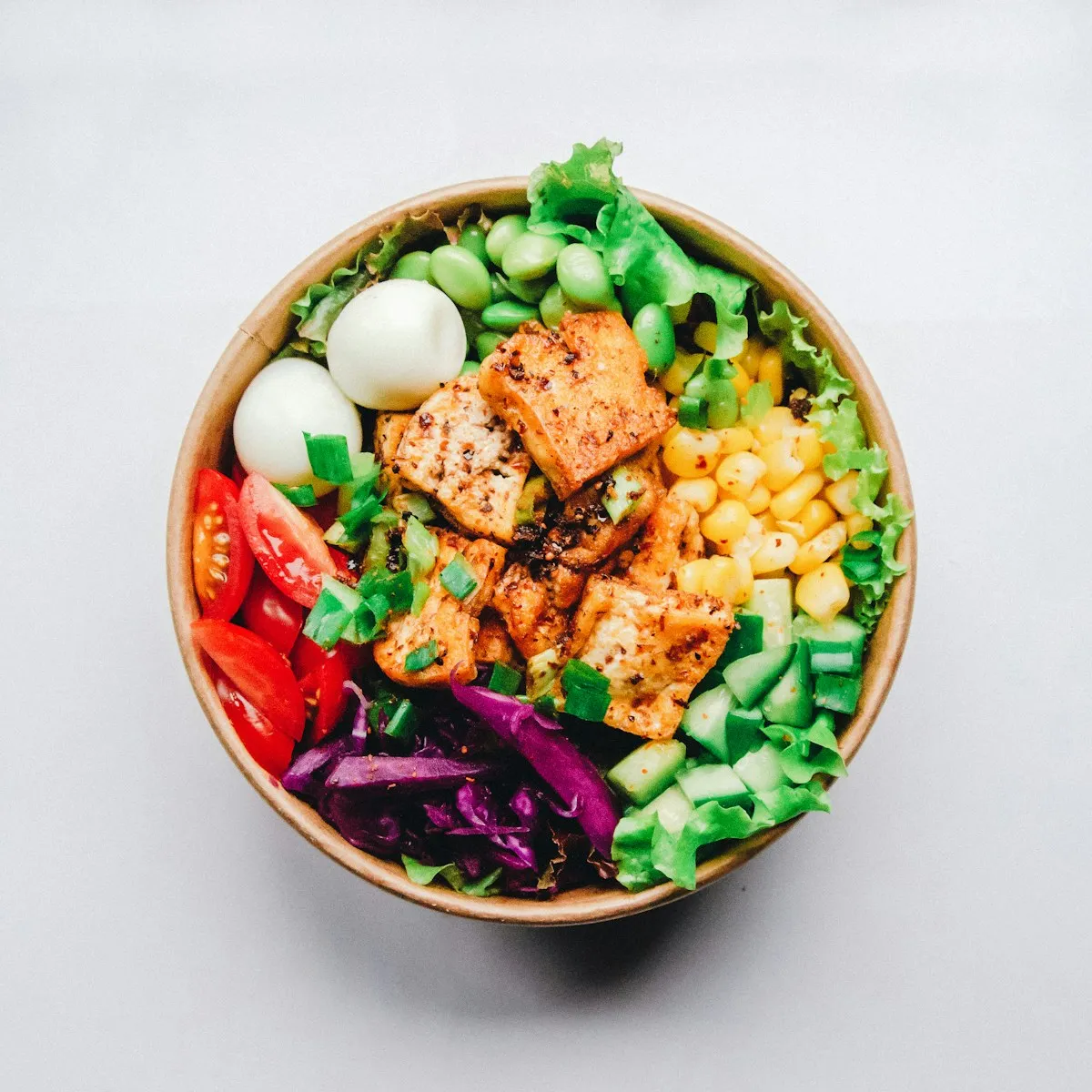
If you’ve ever eaten a bowl of cereal and found yourself ravenous forty-five minutes later, you’ve experienced the "sugar crash" phenomenon. To avoid this, you need to understand the science of satiety: the feeling of being full. This yogurt bowl isn’t just tasty; it’s a calculated strike against mid-morning hunger.
The secret lies in the protein density. Greek yogurt or skyr is your non-negotiable base. Because these yogurts are strained, they lose the liquid whey, leaving behind a concentrated source of protein: roughly 15 to 25 grams per cup. Protein is a heavyweight when it comes to suppressing ghrelin (your hunger hormone) and stimulating peptide YY, which makes you feel full. If you’re a high-intensity person or just have a fast metabolism, stir in a scoop of collagen or unflavored protein powder. This "stealth health" move can push your bowl to 30 or 40 grams of protein, making it just as effective as many healthy dinner ideas you might find on our site.
But protein is only half the battle. You need fat and fiber to slow down gastric emptying. Use 2% or 5% milk-fat yogurt instead of fat-free. That little bit of fat acts like a brake on your digestion, preventing the mango’s natural sugars from hitting your bloodstream all at once. Pair that with the fiber from a ripe mango and a sprinkle of chia seeds, and you’ve created a slow-release energy source that keeps you focused until lunch. While I usually save my air fryer recipes dinner for later in the day, this bowl provides the same level of satisfaction in a fraction of the time.
Always choose your mango based on "give," not color. A ripe mango should feel like a ripe avocado when you press it gently. If it’s too hard, the starch hasn't fully converted to sugar, and you'll miss that signature floral sweetness. If you're using frozen mango, let it sit on top of the yogurt for two minutes before eating. The slight temperature difference creates a beautiful semi-frozen "slush" where the yogurt meets the fruit, adding a sophisticated textural element to what is essentially a very quick family meal.
Elevating the Bowl: Textural and Flavor Variations
Once you’ve mastered the basic high-protein architecture, you can start playing with the "flavor profile" to keep your taste buds from getting bored. The goal is always balance: you want something creamy, something crunchy, something sweet, and something slightly acidic to cut through the richness of the dairy.
For a tropical twist that leans into the mango’s natural heritage, try adding toasted macadamia nuts and a squeeze of fresh lime juice. The lime juice provides citric acid, which brightens the heavy fats in the yogurt and makes the mango flavor pop. If you're looking for something more grounded, toasted pumpkin seeds (pepitas) add a savory, earthy crunch that contrasts beautifully with the tropical fruit.
If you're in the middle of a busy week and need more quick family meals, think about prepping "crunch jars" filled with a mix of hemp hearts, sliced almonds, and shredded coconut. Having these ready to grab means you can assemble your bowl even faster. You can also experiment with different bases; if dairy isn't your friend, a high-quality almond or soy-based Greek-style yogurt can still hit decent protein numbers, though you may need to rely more heavily on that extra scoop of protein powder to reach the satiety sweet spot.
Perfect Side Dish Pairings
Usually, a bowl this packed with protein is a standalone hero. However, if you’re hosting a brunch or just feeling extra hungry, pairing is all about complementary textures and temperatures.
- Warmth and Crunch: Serve your cold yogurt bowl alongside a warm, savory element. A single piece of sourdough toast topped with a thin layer of almond butter provides a nice temperature contrast.
- Hydration Boost: Mango is rich in electrolytes like potassium, but a small glass of sparkling water with a sprig of mint can cleanse the palate between bites of creamy yogurt.
- Extra Protein: If you're a "more is more" person when it comes to macros, a side of two hard-boiled eggs is the classic pairing. In fact, many people use their air fryer recipes dinner settings to "boil" eggs in bulk at the start of the week for exactly this purpose.
This bowl is part of a broader strategy for healthy dinner ideas and breakfasts that prioritize "real food" over processed convenience. It’s about building a plate (or bowl) that works for your biology.
Frequently Asked Questions
Can I use regular yogurt instead of Greek yogurt?
You can, but you'll be sacrificing the primary benefit of this meal: the protein. Regular yogurt contains much more liquid (whey) and significantly less protein per gram. If you use regular yogurt, you’ll likely find yourself hungry much sooner. If you absolutely must use it, I strongly recommend stirring in a serving of protein powder to bridge the gap.
Why is my yogurt bowl so "thin" and watery?
This usually happens if you’re using frozen mango that has thawed completely and released its juice into the yogurt, or if you’ve over-stirred your Greek yogurt. Strained yogurts have a delicate protein structure; if you whip them too vigorously, they can lose their "set" and become runny. Fold your toppings in gently instead of whisking them.
Is mango too high in sugar for a healthy breakfast?
While mango contains natural sugars, it also brings a significant amount of fiber and vitamin C to the table. When you pair those sugars with the high protein and fat content of the yogurt, you significantly lower the glycemic load of the meal. This means your blood sugar won't spike the way it would if you ate the mango alone or with a low-protein cereal.
How do I stop the mango from turning brown if I prep it ahead?
Unlike apples or avocados, mangoes don't oxidize (turn brown) particularly quickly. However, they can get a bit "slimy" if left in the yogurt overnight. For the best experience, I recommend dicing the mango ahead of time and storing it in an airtight container, then adding it to the yogurt right before you eat. If you must prep the whole bowl, a tiny splash of lime juice will help preserve the fruit's texture.
What if I don’t like the "tangy" taste of plain Greek yogurt?
This is where the mango is your best friend. A very ripe mango provides enough natural sweetness to mask that tang. However, if you're still struggling, avoid buying "vanilla" flavored yogurts which are often loaded with cane sugar. Instead, add a drop of pure vanilla extract or a tiny drizzle of honey to your plain yogurt. It gives you control over the sweetness without turning your breakfast into a dessert.
{“@type”:”BlogPosting”,”image”:”https://cdn.marblism.com/8l_JOboj-GP.webp”,”author”:{“name”:”Penny”,”@type”:”Person”},”@context”:”https://schema.org”,”headline”:”How to Create a High-Protein Mango Yogurt Bowl in 5 Minutes”,”publisher”:{“logo”:{“url”:”https://cdn.marblism.com/KxroJ1kM_KA.webp”,”@type”:”ImageObject”},”name”:”Cookpedia”,”@type”:”Organization”},”articleBody”:”Everything you need to know about creating a satiety-focused mango yogurt bowl in under five minutes, focusing on Greek yogurt science and nutritional balance.”,”description”:”Learn the science behind the perfect high-protein mango yogurt bowl. Discover how protein, fat, and fiber work together to keep you full for hours.”,”datePublished”:”2026-07-03″}