Recipe
Servings
Servings 1×
Ingredients
- Ground turkey
- Rolled oats
- Eggs
- Greek yogurt
- Apple
- Onion
- Peanut butter
- Coconut milk
- Butter
- Salt
- Black pepper
Method
- Prepare the ingredients described in the article and heat the cooking surface or oven as directed.
- Cook the main ingredients using the heat and timing guidance in the article.
- Finish with the seasonings and garnishes named in the article, then serve.
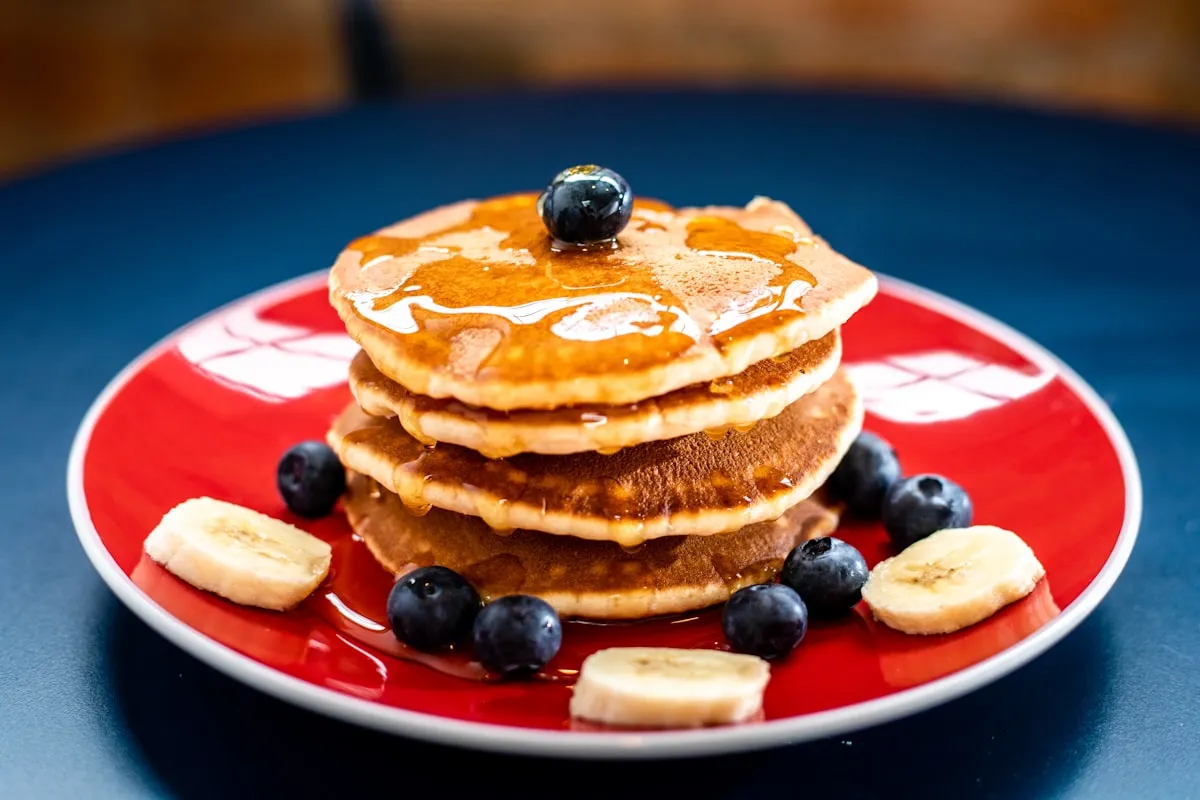
If your mornings feel more like a high-stakes survival reality show than a peaceful start to the day, you aren’t alone. Between hunting for missing socks and caffeinating your soul, cooking a balanced breakfast often falls to the bottom of the priority list. Enter the magic of overnight oats with chia. This isn't just breakfast; it’s a strategic maneuver for your health. By doing the work while you sleep, you're giving your future self the gift of time and a massive nutritional win without touching a single pan.
The Chemistry of the Cold Soak
Let’s get nerdy for a second because understanding the "why" will make your oats taste infinitely better. When you soak oats and chia seeds overnight, you aren't just making them cold; you’re initiating a complex biochemical transformation. Oats contain a specific type of soluble fiber called beta-glucan. When exposed to liquid, these fibers swell and create a gel-like consistency that is incredibly soothing for your gut. This is the same reason why quick family meals like our air-fryer-sausage-pepper-onion-medley work so well: it’s all about maximizing the natural properties of your ingredients for the best texture and flavor.
The chia seeds are the real MVP here. Chia is hydrophilic, meaning it loves water. A single chia seed can absorb up to 12 times its weight in liquid. When they hydrate, they develop a mucilaginous coating (don't let the word scare you; it’s just fancy talk for "creamy gel") that binds the oats together into a pudding-like dream. This hydration is non-negotiable. If you don't use enough liquid, the seeds will actually pull moisture from your digestive tract, which is the exact opposite of what we want for a healthy start.
Then there’s the matter of phytic acid. Like many grains and seeds, raw oats contain phytates, which are often called "anti-nutrients" because they bind to minerals like iron and zinc, preventing your body from absorbing them. The long, cool soak in an acidic environment (like yogurt or even just nut milk) helps break down these phytates. This process essentially "pre-digests" the oats, making the nutrients more bioavailable and the whole meal much easier on your stomach.
Don't skip the salt. Even in a sweet dish, a pinch of sea salt is essential. It suppresses the bitterness of the oats and enhances the perception of sweetness without needing extra sugar. Think of it as a chemical highlighter for your flavors. Also, ensure you are using rolled oats (old-fashioned) rather than steel-cut or instant. Steel-cut are too dense to soften properly overnight, and instant oats turn into a structural disaster that lacks the satisfying chew we’re after.
Flavor Engineering and Variations
Once you’ve mastered the base, the variations are where you can really flex your creative muscles. The goal is balance: you want fat, acidity, and texture. If you’re looking for healthy dinner ideas that lean into the "breakfast for dinner" trend, you can even go savory with these.
- The Powerhouse PB&J: Mix in a swirl of natural peanut butter and a handful of smashed raspberries. The fats in the peanut butter slow down digestion even further, keeping you full until lunch.
- Tropical Hydration: Use coconut milk as your base and top with mango and toasted coconut flakes. The acidity of the mango cuts through the richness of the coconut milk beautifully.
- The Decadent Dark Chocolate: Stir in a teaspoon of raw cacao powder and some chia seeds. The bitterness of the cacao pairs perfectly with a few drops of vanilla extract.
- Savory Miso & Scallion: For those who don't have a sweet tooth, soak your oats in a light savory broth. Top with a soft-boiled egg and sliced scallions. It’s a game-changer for anyone tired of sugary mornings.
Smart Side Dish Pairings
While a jar of overnight oats is a powerhouse on its own, pairing it correctly can turn it into a full sensory experience. If you’re serving this as part of a larger brunch, think about contrasting textures.
Avoid pairing it with other soft, mushy foods. Instead, go for something with a crunch. A side of air-fried turkey bacon or even some kielbasa pierogi provides a salty, crispy contrast to the creamy oats. If you have an air fryer, use it! We love finding air fryer recipes dinner enthusiasts will appreciate, even in the morning. A quick batch of air-fried apple slices with cinnamon adds a warm, structural element that balances the cold oats perfectly.
Acidity is also your friend here. A small side salad of citrus segments (grapefruit or orange) can help cleanse the palate between bites of the rich, chia-thickened oats. This prevents "palate fatigue" and makes every spoonful taste as good as the first.
Frequently Asked Questions
Can I use steel-cut oats instead of rolled oats?
Avoid using standard steel-cut oats for a basic overnight soak. They are far too hearty and will remain gritty and tough even after twelve hours. If you absolutely must use them, you’ll need to par-cook them first or let them soak for at least 24-48 hours, which usually results in a fermented flavor that isn't for everyone. Stick to rolled oats for the classic "Cookpedia" creamy texture.
Why are my oats watery and thin?
This usually comes down to two things: the ratio of liquid to solids or the age of your chia seeds. If your chia seeds are old, they may lose some of their absorbent power. Check your ratios; you need enough "dry" to soak up the "wet." If it's too thin, stir in an extra teaspoon of chia and give it another hour.
How long do they actually stay good in the fridge?
Scientifically, they are safest and tastiest within 3 to 5 days. After day three, the oats start to break down further and can become overly soft or "mushy." If you’re meal prepping for the week, I recommend making a big batch of the dry mix and adding the liquid two nights before you plan to eat them.
Do I have to eat them cold?
Absolutely not. While "overnight" implies a cold soak, you can pop the jar in the microwave for 30-60 seconds if you prefer a warm meal. The scientific benefits of the soaking process: like the reduction of phytic acid: remain intact even if you heat them up afterward. Just be aware that the chia seeds will thicken even more when heated.
Can I use water instead of milk?
You can, but you shouldn't if you want flavor. Water lacks the proteins and fats that contribute to a creamy mouthfeel. If you’re avoiding dairy, use a high-quality almond or oat milk. The fats in nut milks help carry the flavors of your toppings much better than plain water ever could.
For more simple and soulful meal ideas, check out our full collection at cookpedia.com. Whether you're looking for a 15-minute stir-fry or more prep-ahead wonders, we’ve got you covered. Get into the kitchen and start experimenting!