Recipe
Servings
Servings 1×
Ingredients
- Ground turkey
- Rolled oats
- Eggs
- Greek yogurt
- Berries
- Lemon
- Cream
Method
- Prepare the ingredients described in the article and heat the cooking surface or oven as directed.
- Cook the main ingredients using the heat and timing guidance in the article.
- Finish with the seasonings and garnishes named in the article, then serve.
Mornings in my kitchen are often a race against the clock, but I refuse to compromise on starting the day with something that actually fuels me. If you are tired of the sugar crash from boxed cereals or the complexity of traditional batters, these 3-ingredient banana oat pancakes are your new best friend. They are minimalist, high-impact, and remarkably resilient once you understand the science behind how they hold together. By mastering a few simple techniques, you can turn a couple of pantry staples into a breakfast that feels like a weekend treat even on a Tuesday. Plus, getting breakfast sorted quickly gives you more headspace to plan your quick family meals for later in the day.
The Science of Structure: Binding and Hydration
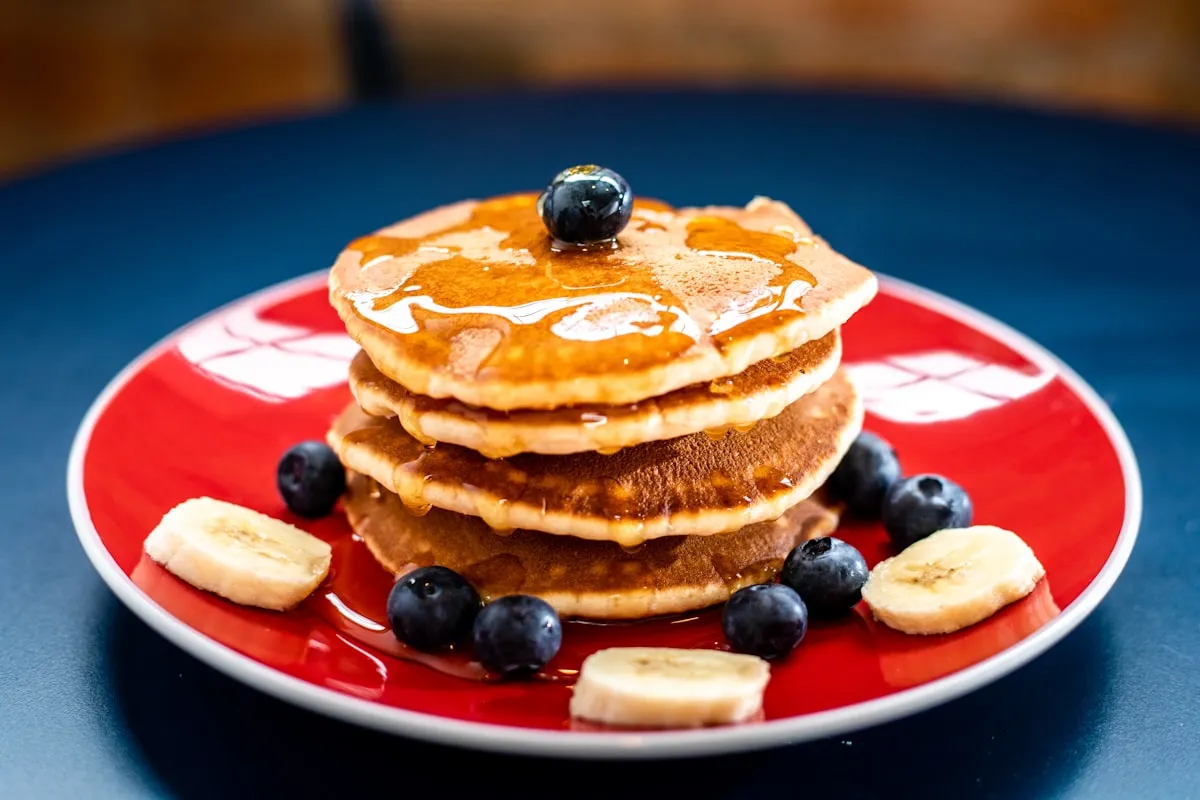
When you strip a recipe down to just three components, bananas, oats, and eggs, every single one has a massive job to do. To get a pancake that doesn't crumble the moment your spatula touches it, you must respect the physics of your batter.
The Power of Protein Denaturation
The eggs in this recipe act as the primary structural "glue." As the batter hits the hot pan, the proteins in the egg whites and yolks begin to denature and uncoil. They then form new bonds with each other, creating a solid three-dimensional network that traps the other ingredients. If you skimp on the eggs or don't whisk them thoroughly into the banana puree, your pancakes will lose that essential "lift" and become a pile of mushy fruit. Always ensure your eggs are at room temperature to help them emulsify more easily with the fats in the banana.
Starch Gelatinization and Pectin
Bananas bring more than just sweetness to the party. They contain pectin and starches that, when heated, create a soft gel network. This complements the egg protein, providing a moist, tender crumb. However, the ripeness of your fruit is non-negotiable. Use bananas that are heavily spotted or even turning black. These overripe fruits have higher sugar content and a softer cellular structure, allowing them to mash into a perfectly smooth paste. A firm, yellow banana will leave lumpy gaps in your batter, creating "weak spots" where the pancake is likely to break during the flip.
The Crucial Hydration Period
Oats serve as your flour, providing the bulk and fiber. But here is the secret most people miss: you must let the batter rest. Oats are incredibly thirsty. They contain beta-glucan, a type of soluble fiber that swells when it meets moisture. If you pour the batter onto the griddle immediately, the oats remain hard and separate from the liquid, leading to a gritty texture and a "runny" pancake. Wait at least five to ten minutes after mixing. This rest period allows the oat starch to hydrate and thicken the batter naturally. Think of it as a low-effort way to ensure your pancakes have a cohesive, cake-like interior rather than a gummy center. Having this "set and forget" time in the morning is a great habit to build, much like how you might prep ingredients for healthy dinner ideas while the coffee brews.
Mastering the Texture: Variations and Adjustments
While the base recipe is perfect in its simplicity, you can manipulate the texture and flavor profile by tweaking how you handle the ingredients. If you prefer a rustic, hearty pancake, mash the ingredients by hand with a fork. This leaves visible pieces of oats and small pockets of banana that caramelize against the pan. For those who crave a classic, diner-style "fluffy" pancake, toss everything into a high-speed blender. Blending breaks the oats down into a fine flour, resulting in a much smoother, more uniform batter that rises more predictably.
For a nutritional boost, consider adding a tablespoon of ground flaxseeds or chia seeds. These not only add omega-3 fatty acids but also contribute additional binding power, which is particularly helpful if your bananas are smaller than usual. If the batter feels too thick after the hydration rest, add a tiny splash of almond milk. Conversely, if it’s too runny, pulse a handful of extra oats and stir them in. The goal is a viscosity similar to heavy cream, thick enough to hold a circular shape but loose enough to spread slightly when it hits the heat.
If you are looking for a vegan alternative, you can replace the eggs with a "flax egg" (ground flaxseed mixed with water). Note that the science changes here; without the egg protein, you are relying entirely on the oat starch and flax mucilage for structure. These will be more delicate, so keep the pancakes small, no larger than the palm of your hand, to make flipping easier.
Balancing the Plate: Pairings and Toppings
Because these pancakes are naturally sweet and dense with fiber, they benefit greatly from toppings that provide acidity and contrast. A heavy drizzle of maple syrup might push the sweetness into "dessert" territory, which can lead to a mid-morning energy dip. Instead, reach for a dollop of Greek yogurt or a squeeze of fresh lemon juice over berries. The acidity cuts through the richness of the banana and brightens the overall flavor profile.
For a savory twist that balances the natural sugars, serve these alongside some crispy protein. If you are a fan of using modern kitchen tech for efficiency, check out some air fryer recipes dinner enthusiasts use, and apply that same logic to your breakfast by crisping up some turkey bacon or vegetarian sausages while the pancakes cook. The salty, smoky notes of the protein provide a perfect counterpoint to the caramelized banana.
Frequently Asked Questions
Why are my pancakes gummy in the middle?
This usually happens for two reasons: the heat was too high or you didn't let the batter rest. Because there is no wheat flour to provide a rigid structure, the interior takes longer to "set" than a standard pancake. If your pan is too hot, the outside will burn before the egg proteins and oat starches in the center have time to solidify. Use medium-low heat and be patient. If you see the edges look dry and bubbles are starting to pop, that is your cue to flip.
Can I use steel-cut oats instead of rolled oats?
Avoid using steel-cut oats for this recipe. They are too dense and will not hydrate sufficiently in the short rest period, leaving you with a crunchy, unpleasant texture. Stick to rolled oats (old-fashioned) or quick oats. Quick oats will hydrate even faster, making them a great choice if you are in a genuine rush.
Why did my pancakes fall apart when I flipped them?
Check your pancake size. Without the gluten found in wheat flour, these pancakes are naturally more fragile. If you make them too large, the weight of the "unflipped" side will cause the pancake to tear in the middle. Keep them small, about three inches in diameter. Also, ensure your pan is properly lubricated with a tiny bit of coconut oil or butter, even if it is a non-stick surface.
Can I make the batter the night before?
Yes, but be prepared for a very thick mixture in the morning. Since the oats will have had hours to hydrate, the batter will likely have turned into a thick paste. Simply stir in a tablespoon of water or milk to loosen it back up to a pourable consistency. This is a fantastic "pro move" for those who want a 5-minute breakfast on weekdays.
Is it possible to bake these instead of frying them?
While you can bake the batter in a muffin tin to create "pancake bites," you will lose the characteristic caramelization that happens on a griddle. The Maillard reaction: the browning of sugars and proteins: is what gives these pancakes their deep, soulful flavor. If you must go hands-off, the oven works, but the stovetop is where the magic happens.
{“@type”:”BlogPosting”,”image”:”https://cdn.marblism.com/uio_8vmFl4_.webp”,”author”:{“name”:”Cookpedia”,”@type”:”Organization”},”@context”:”https://schema.org”,”headline”:”Easy Healthy Breakfasts: 3-Ingredient Banana Oat Pancakes”,”publisher”:{“logo”:{“url”:”https://cookpedia.com/logo.png”,”@type”:”ImageObject”},”name”:”Cookpedia”,”@type”:”Organization”},”description”:”Learn the science behind making perfect 3-ingredient banana oat pancakes. This guide covers binding techniques, hydration, and variations for a quick, healthy breakfast.”,”datePublished”:”2026-07-17″,”mainEntityOfPage”:{“@id”:”https://cookpedia.com/easy-healthy-breakfasts-3-ingredient-banana-oat-pancakes”,”@type”:”WebPage”}}