Recipe
Servings
Servings 1×
Ingredients
- Salmon
- Asparagus
- Lime
- Honey
- Cooking oil
- Chili seasoning
Method
- Let’s talk science, because understanding why certain techniques work changes your cooking game forever.
- Keep the marinade time short, about ten minutes at room temperature is plenty.
- Combine your lime juice with olive oil and honey.
- Give every spear room to breathe so dry oven heat can work its magic!
If you are tired of scrubbing three different pans on a busy Tuesday night, listen up. Welcome back to my blog! When you need reliable healthy dinner ideas that require minimal cleanup, sheet pan meals are your absolute best friend. Today, we are diving into a vibrant, punchy sheet pan chili lime salmon with asparagus that delivers maximum flavor with zero fuss. Trust me, once you master this flavor combo, dinner will never feel like a chore again.
Tips & Technique: The Science of Perfect Roasting
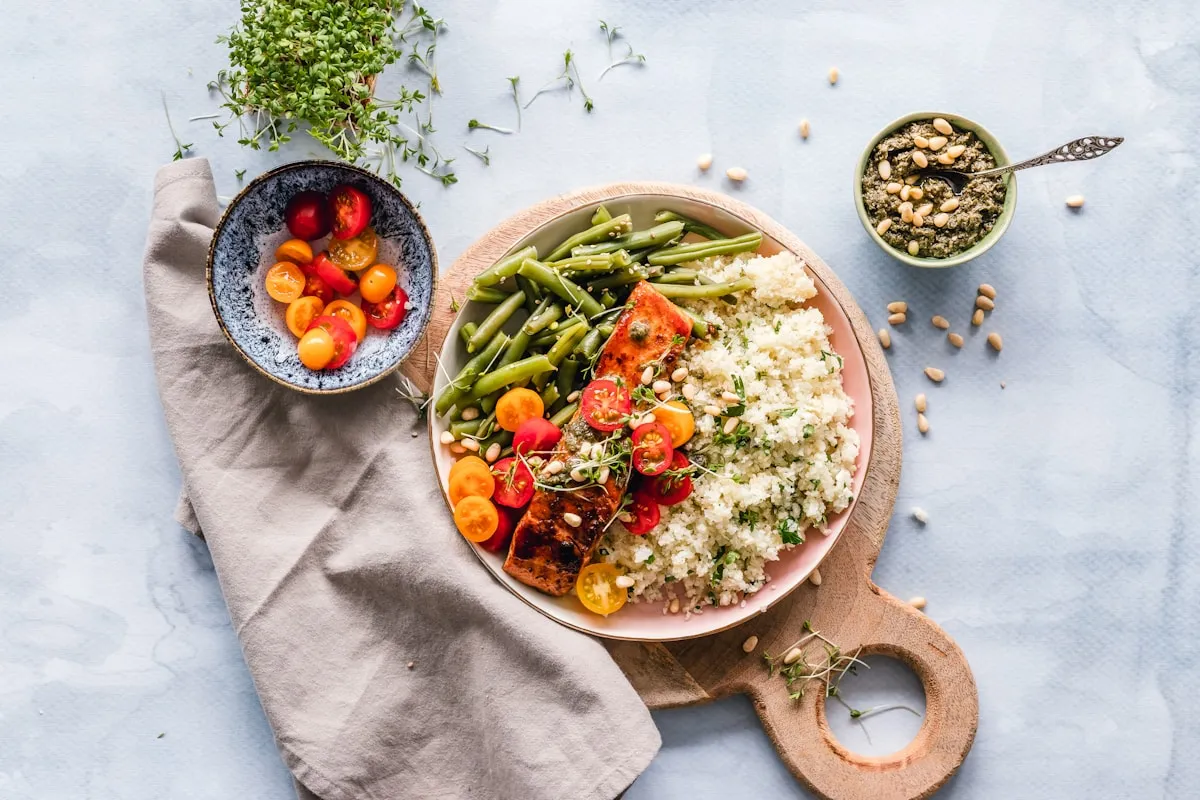
Let’s talk science, because understanding why certain techniques work changes your cooking game forever. When you roast salmon and vegetables together, managing different cooking times is crucial. Asparagus and fish do not cook at the exact same rate if thrown into the oven simultaneously. Always give your asparagus a head start on the hot sheet pan. Roasting the asparagus for a few minutes before adding the salmon ensures the stalks become tender and lightly caramelized without overcooking your fish into a dry disaster.
Next, let's examine the marinade chemistry. Lime juice brings acidity that denatures the surface proteins of the salmon slightly, allowing zesty flavors to penetrate. However, do not let your fish marinate for hours in citrus juice, or you will accidentally start curing it into ceviche! Keep the marinade time short, about ten minutes at room temperature is plenty.
Combine your lime juice with olive oil and honey. The oil acts as a hydrophobic barrier and a heat-transfer medium, carrying fat-soluble spices like chili powder and cumin evenly across the fish. Meanwhile, the sugar in honey is your secret weapon for the Maillard reaction. When you expose honey-glazed salmon to dry heat, the sugars caramelize rapidly, creating that irresistible savory-sweet crust.
If you love quick family meals that rely on smart oven physics, remember to use a hot sheet pan and avoid crowding your vegetables. Crowding traps moisture, turning your roasted asparagus into steamed mush. Give every spear room to breathe so dry oven heat can work its magic!
Variations
Variety is the spice of life, and adapting this core formula is wonderfully simple. If asparagus is out of season or you want to switch things up, swap it out for tender green beans, zucchini coins, or bell pepper strips. For autumn and winter nights, check out our sheet pan salmon and brussels sprouts recipe for a hearty seasonal spin.
If you enjoy experimenting with different cooking appliances on busy nights, you can easily adapt similar flavor profiles into air fryer recipes dinner setups. For instance, if you have smaller salmon portions, check out our air fryer everything bagel salmon for another lightning-fast protein option.
To shift the flavor profile, swap the chili powder and cumin for smoked paprika, soy sauce, and a splash of sesame oil for an Asian-inspired glaze. Alternatively, lean into a Mediterranean vibe by using oregano, lemon zest, and crumbled feta cheese right at the end of roasting. Play with your pantry staples, but always keep the core balance of acid, fat, and heat in mind.
Side Dish Pairings
While this sheet pan meal is wonderful on its own, pairing it with the right side can elevate your dinner into a feast. Keep things light and fluffy by serving your salmon over a bed of cilantro-lime jasmine rice or protein-packed quinoa. The grains soak up every drop of that tangy chili-lime glaze left on your plate.
If you want to keep things extra crisp and refreshing, toss together a simple cucumber and avocado salad dressed with rice vinegar and a pinch of salt. The cool crunch of cucumber cuts right through the rich, buttery oils of the salmon. For a cozy grain bowl variation, you can also look at our quick mediterranean quinoa bowl for inspiration on pairing fish with grain bases. Keep starches light so the bright citrus and savory spices remain the star of the show.
FAQ
What internal temperature should I cook my salmon to?
Aim for an internal temperature of 130°F to 135°F measured at the thickest part of the fillet. Pull the pan from the oven at this point and let the fish rest for five minutes. Residual heat will carry it to a tender, juicy 140°F without drying it out. If you prefer fully well-done fish, cook it closer to 145°F.
Why is there a white substance forming on top of my salmon?
That white stuff is called albumin, a harmless water-soluble protein that coagulates and pushes to the surface when fish heats up. High oven temperatures or overcooking cause excess albumin to squeeze out. Combat this by not overcooking your salmon and using a moderate roasting temperature.
Can I use frozen salmon fillets for this recipe?
Yes, but you must thaw them completely and pat them thoroughly dry before applying the marinade. Excess surface moisture prevents browning and dilutes your chili-lime glaze, resulting in steamed rather than roasted fish.
How do I prevent the asparagus from getting soggy?
Never crowd your baking sheet! Spread the asparagus in a single layer with space between the spears. Crowding traps moisture released by the vegetables, causing them to steam instead of roast and caramelize.
Can I prep the marinade ahead of time?
Absolutely. Whisk the lime juice, oil, honey, and spices together and store it in an airtight jar in the fridge for up to two days. Shake well before brushing it over your salmon right before it goes into the oven.