Recipe
Servings
Servings 1×
Cook 165 min
Ingredients
- Chicken
- Quinoa
- Potatoes
- Broccoli
- Carrots
- Onion
- Garlic
- Fresh ginger
- Lemon
- Cream
- Feta
- Cooking oil
- Sesame
Method
- Use a hot oven: crank it up to 400–425°F (200–220°C): to kickstart the Maillard reaction.
- Spread everything out into a single, uncrowded layer so air can circulate freely.
- Pat your chicken thighs completely dry with a paper towel before seasoning.
- Toss your chicken and vegetables in extra virgin olive oil, minced garlic, dried oregano, crumbled feta cheese added in the final five minutes, and a generous squeeze of fresh lemon juice right when it comes out of the oven.
- Serve a sharp, acidic green salad tossed in a bright lemon-shallot vinaigrette.
- Toss together a quick herb-forward grain bowl featuring fluffy quinoa or farro dressed simply with olive oil, chopped parsley, and lemon zest to soak up any delicious pan juices left behind on your plate.
If you are hunting through endless options for truly satisfying easy dinner recipes, you have officially landed in the right spot on my blog. Weeknights can feel like a chaotic sprint against the clock, leaving little room for complicated culinary maneuvers. That is why mastering a dependable, high-impact sheet pan dinner like garlic herb chicken thighs paired with vibrant roasted vegetables is an absolute game-changer. It delivers maximum flavor with minimal cleanup, making it a cornerstone for healthy weeknight dinners that actually taste like a treat rather than a chore.
Mastering the Science of High-Heat Roasting and Juiciness
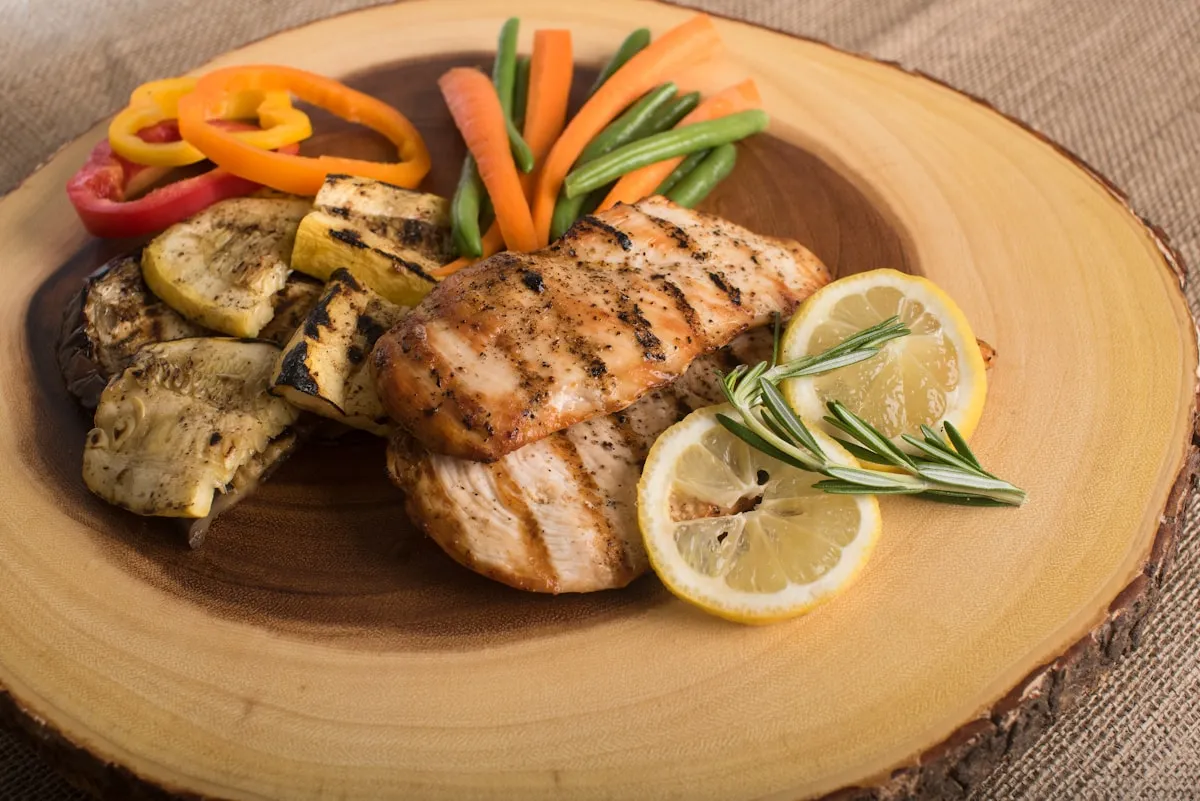
Getting dinner on the table fast without sacrificing flavor requires understanding a little kitchen science. When you build one of my favorite quick healthy meals, you are letting thermodynamics do the heavy lifting.
Use a hot oven: crank it up to 400–425°F (200–220°C): to kickstart the Maillard reaction. This chemical dance between amino acids and reducing sugars creates that glorious, savory golden-brown crust on both your chicken skin and your vegetables.
Avoid crowding your baking sheet at all costs. Overcrowding traps moisture, turning your food into a sad, steaming puddle instead of letting it roast. Spread everything out into a single, uncrowded layer so air can circulate freely.
Pat your chicken thighs completely dry with a paper towel before seasoning. Moisture is the enemy of crispiness; removing surface water ensures the oil and seasoning adhere properly and crisp up instantly under the heat.
Choose bone-in, skin-on chicken thighs whenever possible. As the internal temperature reaches 165°F, connective tissues and collagen slowly melt into gelatin, bathing the meat in its own natural juices. This makes dry, rubbery meat virtually impossible if you roast it right.
Check your vegetable density and cut them into uniform sizes. Sturdy root vegetables like carrots and potatoes take longer to soften than delicate summer squash, so chop them into equal-sized chunks or give dense veggies a head start on the hot pan to synchronize doneness.
Exciting Flavor Variations to Shake Up Your Routine
Once you nail the core technique, feel free to experiment with flavor profiles that keep your weekly menu endlessly interesting.
Swap out standard Italian herbs for a bright Mediterranean twist. Toss your chicken and vegetables in extra virgin olive oil, minced garlic, dried oregano, crumbled feta cheese added in the final five minutes, and a generous squeeze of fresh lemon juice right when it comes out of the oven.
Embrace a smoky, herbaceous southwest flair. Rub your chicken thighs with smoked paprika, cumin, garlic powder, and oregano, then pair them on the sheet pan with bell peppers, red onions, and sweet potato cubes.
Incorporate Asian-inspired aromatics for a vibrant, savory profile. Marinate your thighs in grated fresh ginger, minced garlic, a splash of sesame oil, and coconut aminos, roasting them alongside broccoli florets and sliced carrots.
Avoid heavy, overly sweet bottled sauces that mask the natural flavors of your ingredients. Stick to clean, aromatic spice blends and high-quality oils that elevate the dish without weighing you down.
Perfect Side Dish Pairings for Balance
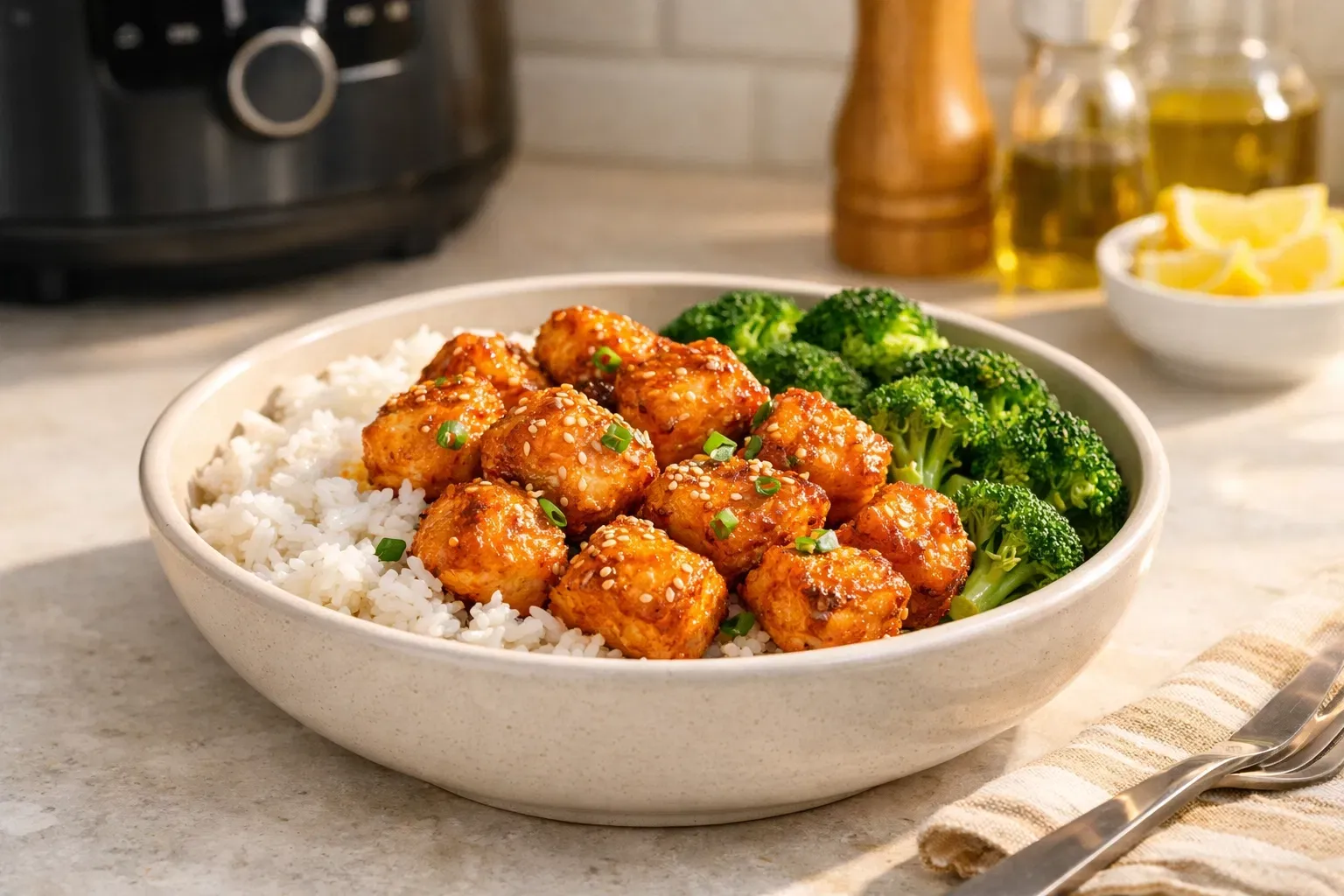
While a sheet pan meal is wonderfully complete on its own, adding a clever side dish can elevate your plate by balancing rich, savory flavors with crisp, vibrant acidity.
Serve a sharp, acidic green salad tossed in a bright lemon-shallot vinaigrette. The snappy acid cuts right through the rich, savory fats of the chicken thighs and roasted vegetables, resetting your palate between bites.
Toss together a quick herb-forward grain bowl featuring fluffy quinoa or farro dressed simply with olive oil, chopped parsley, and lemon zest to soak up any delicious pan juices left behind on your plate.
Avoid heavy, cream-laden sides that compete with the robust garlic and herb notes of your main dish. Keep accompaniments light, fresh, and texturally contrasting to maintain a well-rounded meal. Explore more inspiration over on our quick meals collection or browse our healthy recipe archives for extra ideas.
Frequently Asked Questions
What if my chicken skin isn't getting crispy?
Crank up your oven's broiler for the final three to five minutes of cooking. Watch it closely so it browns rather than burns, and ensure you patted the skin completely dry with paper towels before oiling and seasoning.
What if I only have boneless, skinless chicken breasts?
Adjust your cooking time downward significantly. Breasts dry out much faster than thighs; pull them out the moment they hit 165°F internal temperature, or better yet, check out our dedicated chicken recipes for optimal breast-cooking techniques.
What if my potatoes are still hard when the chicken is done?
Cut your sturdier vegetables into smaller, more uniform pieces next time, or roast them on the baking sheet for ten minutes before adding the chicken to the pan.
What if I don't have fresh garlic?
Use high-quality garlic powder, but remember that dried spices burn faster than fresh minced garlic. Keep your oven temperature steady and coat the garlic thoroughly in oil to protect it from harsh, direct radiant heat.
{“@type”:”FAQPage”,”@context”:”https://schema.org”,”mainEntity”:[{“name”:”What if my chicken skin isn’t getting crispy?”,”@type”:”Question”,”acceptedAnswer”:{“text”:”Crank up your oven’s broiler for the final three to five minutes of cooking. Watch it closely so it browns rather than burns, and ensure you patted the skin completely dry with paper towels before oiling and seasoning.”,”@type”:”Answer”}},{“name”:”What if I only have boneless, skinless chicken breasts?”,”@type”:”Question”,”acceptedAnswer”:{“text”:”Adjust your cooking time downward significantly. Breasts dry out much faster than thighs; pull them out the moment they hit 165°F internal temperature.”,”@type”:”Answer”}},{“name”:”What if my potatoes are still hard when the chicken is done?”,”@type”:”Question”,”acceptedAnswer”:{“text”:”Cut your sturdier vegetables into smaller, more uniform pieces next time, or roast them on the baking sheet for ten minutes before adding the chicken to the pan.”,”@type”:”Answer”}},{“name”:”What if I don’t have fresh garlic?”,”@type”:”Question”,”acceptedAnswer”:{“text”:”Use high-quality garlic powder, but remember that dried spices burn faster than fresh minced garlic. Keep your oven temperature steady and coat the garlic thoroughly in oil.”,”@type”:”Answer”}}]}