Recipe
Servings
Servings 1×
Ingredients
- Chicken
- Shrimp
- Tofu
- Beans
- Rice
- Cauliflower
- Green beans
- Spinach
- Peas
- Corn
- Cucumber
- Garlic
- Lime
- Coconut milk
- Cream
- Butter
- Soy sauce or tamari
- Curry spices
Method
- Use the thick, fatty cream from the top of your coconut milk can.
- Heat it in a pan until it shimmers and begins to separate.
- Add a splash of the thinner coconut milk immediately to lower the temperature.
- Keep it gentle, keep it quick, and you'll have one of the most reliable healthy dinner ideas in your repertoire.
- Sear the tofu separately until the edges are golden before adding it to the curry sauce; this provides a structural contrast to the creamy liquid.
You have fifteen minutes. In that time, you could stare blankly at the fridge, order lukewarm takeout, or you could master the art of the 15-minute Thai green curry. I know what you’re thinking, "real" curry takes hours. Wrong. By understanding the chemistry of your aromatics and the physics of heat, you can produce a soul-warming, restaurant-quality meal faster than a delivery driver can find your driveway. This is one of those easy dinner recipes that relies on technique rather than time, making it a staple for anyone craving quick family meals that don't taste like an afterthought.
The Science of Blooming: Why Your Paste Needs to Sizzle
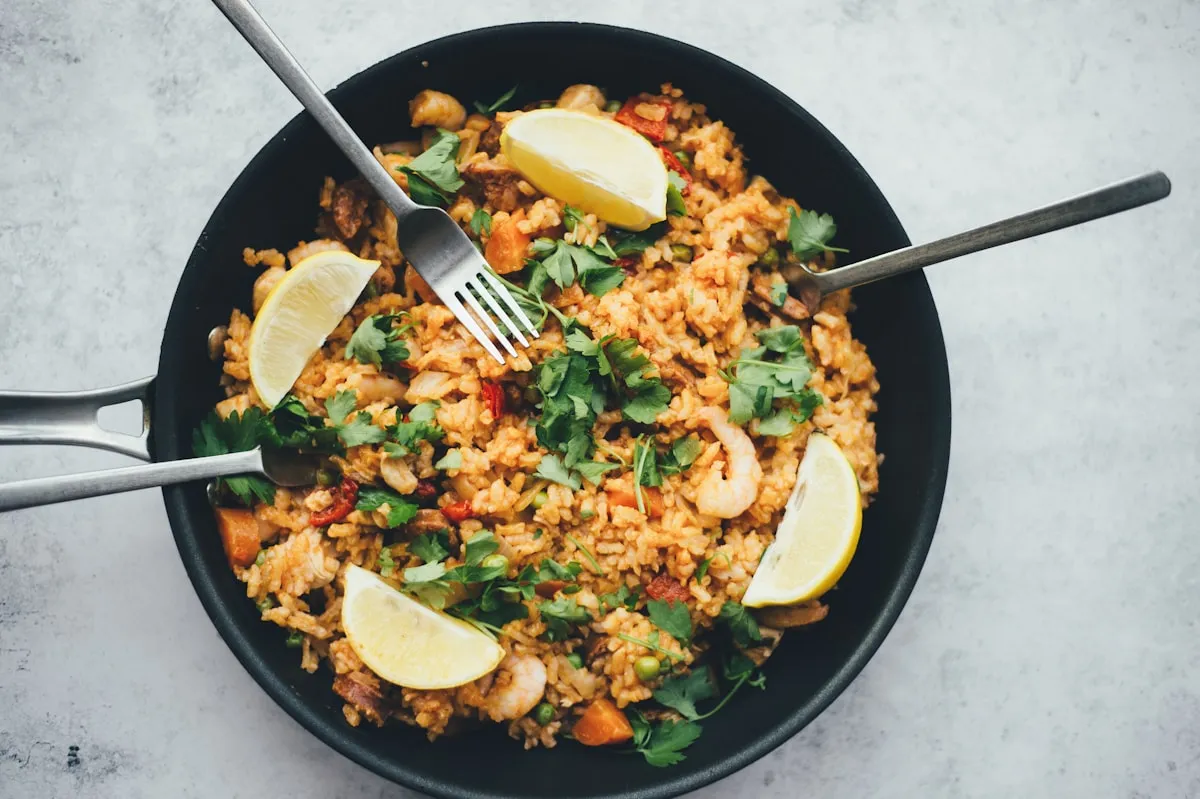
The secret to why some curries taste "flat" while others vibrate with flavor is a process called blooming. Most Thai curry pastes are a dense mixture of aromatics like lemongrass, galangal, shrimp paste, and chilies. These ingredients contain volatile aromatic compounds that are primarily fat-soluble. If you simply stir the paste into a pot of simmering coconut milk, those flavors stay trapped within the fibers of the herbs. You must fry the paste first.
Use the thick, fatty cream from the top of your coconut milk can. Heat it in a pan until it shimmers and begins to separate. Drop your paste in and stir vigorously. Watch for the color to deepen and wait for that sudden, punchy aroma to hit your nose. This is the heat rupturing the plant cell walls and releasing the essential oils into the fat. The fat then becomes a delivery vehicle, carrying those flavors into every corner of the dish.
Control your heat during this stage. If the paste starts to smell acrid or looks like it’s turning dark brown, you’ve gone too far. Add a splash of the thinner coconut milk immediately to lower the temperature. Proper blooming is the difference between a generic stew and a professional-grade curry. This technique is exactly why our 15-minute meals pack more punch than standard recipes.
When selecting your proteins, choose items with high surface-area-to-volume ratios. Thinly sliced chicken breast, shrimp, or small tofu cubes cook in under four minutes. This prevents the "boiling" effect that turns meat rubbery. Maintain a gentle simmer rather than a rolling boil once your liquid is added. High heat toughens proteins and can cause your coconut milk to break, resulting in a grainy sauce. Keep it gentle, keep it quick, and you'll have one of the most reliable healthy dinner ideas in your repertoire.
Balancing the Five Pillars of Flavor
Thai cooking is an exercise in equilibrium. Once your base is simmering and your protein is cooked, you must address the five pillars: salty, sweet, sour, spicy, and umami. Don't just follow a measurement; use your palate. If the curry feels too sharp or spicy, add a pinch of palm sugar or brown sugar to round it out. If it’s tasting a bit dull, reach for the fish sauce. The salt and fermented depth of the fish sauce act like a volume knob for the other ingredients.
Always add your acid at the very end. Squeezing fresh lime juice into a boiling pot will often turn the juice bitter. Instead, turn off the heat, stir in your juice, and taste immediately. The acidity cuts through the richness of the coconut milk, providing a brightness that prevents the dish from feeling heavy. This focus on balance is what separates soulful home cooking from mere sustenance.
Green Curry Variations: Beyond the Basics
While chicken is the classic choice, don't limit yourself. For a plant-based version that satisfies even the most dedicated carnivores, use extra-firm tofu or tempeh. Sear the tofu separately until the edges are golden before adding it to the curry sauce; this provides a structural contrast to the creamy liquid. If you’re looking for more quick family meals, try a seafood medley of scallops and mussels, which cook even faster than poultry.
Vegetable-forward variations are equally impressive. Incorporate "hard" vegetables like bamboo shoots or baby corn early in the simmering process, and save "soft" greens like snow peas or spinach for the final sixty seconds. This ensures every component retains its intended texture. If you’re in the mood for something entirely different but just as fast, check out the viral garlic butter ramen hack for another minimalist weeknight win.
The Perfect Side Dish Pairings
A bold Thai curry needs a silent partner. Jasmine rice is the non-negotiable standard for a reason; its floral aroma and fluffy texture absorb the sauce without competing for attention. If you want to keep the meal low-carb, cauliflower rice is a functional substitute, though it lacks the starch to truly "grip" the curry.
For a crunchier side, consider a simple cucumber salad dressed in rice vinegar and a touch of sugar. The cooling effect of the cucumber provides a necessary reprieve from the heat of the green chilies. If you have your air fryer running for other air fryer recipes dinner enthusiasts might suggest, try quick-blasted green beans with a dash of soy sauce. The charred edges of the beans offer an earthy depth that complements the creamy coconut base beautifully. You can even adapt our air fryer sausage and pepper medley technique for quick vegetable sides that don't require stovetop space.
Frequently Asked Questions
Why did my coconut milk separate and look oily?
This is actually a sign of success in traditional Thai cooking! When the coconut "breaks," the oil separates from the solids, which is exactly what you want for blooming your paste. If you prefer a completely homogenous, creamy sauce, use a brand of coconut milk with stabilizers (like guar gum) and avoid boiling the sauce vigorously. However, for the best flavor, embrace the oil; it’s where the aromatics live.
Can I make this in 15 minutes if I make my own paste?
Realistically, no. Pounding a proper green curry paste in a mortar and pestle takes significant time and elbow grease. For 15 minute meals, high-quality store-bought pastes are your best friend. Look for brands that list shrimp paste and lemongrass near the top of the ingredient list and avoid those with excessive fillers or preservatives.
My curry is too spicy! How do I fix it?
Do not try to dilute it with water, as this will ruin the texture. Instead, add more coconut milk or a spoonful of plain yogurt (though yogurt is less traditional). The fats in the dairy/coconut bind to the capsaicin, neutralizing the burn. You can also increase the sugar slightly to balance the heat.
Can I use frozen vegetables?
Yes, but be careful. Frozen vegetables release a lot of water as they thaw, which can thin out your curry sauce. If using frozen, add them directly to the simmering liquid and increase the heat for a minute to compensate for the temperature drop. Avoid overcooking them, or they will turn mushy and dull the vibrant green color of your dish.
What if I don't have fish sauce?
While fish sauce provides a unique umami depth, you can substitute it with soy sauce or a pinch of sea salt in a pinch. However, the flavor will be noticeably different. If you are vegan, look for "no-fish" sauce made from fermented soybeans or mushrooms to keep those healthy dinner ideas authentic.
{“@type”:”BlogPosting”,”image”:”https://cdn.marblism.com/aYTFBbe14nX.webp”,”author”:{“name”:”Penny”,”@type”:”Person”},”@context”:”https://schema.org”,”headline”:”Easy Dinner 15-Minute Thai Green Curry”,”keywords”:”easy dinner recipes, 15 minute meals, quick family meals, healthy dinner ideas, air fryer recipes dinner”,”publisher”:{“logo”:{“url”:”https://cookpedia.com/logo.png”,”@type”:”ImageObject”},”name”:”Cookpedia”,”@type”:”Organization”},”description”:”Master the 15-minute Thai green curry with our guide on blooming curry paste and balancing flavors for a quick, healthy weeknight dinner.”,”datePublished”:”2026-06-14″,”mainEntityOfPage”:{“@id”:”https://cookpedia.com/easy-dinner-15-minute-thai-green-curry”,”@type”:”WebPage”}}