Recipe
Servings
2 servings 1×
Serves 2Prep 5 minCook 10 minTotal 15 min
Nutrition per serving
Ingredients
- 1 cup Cottage Cheese Full fat recommended
- 3 large Eggs
- 5 cup Rolled Oats or Oat Flour
- 1 tsp Vanilla Extract
- 1 tsp Baking Powder
- 1 pinch Sea Salt
Method
- Throw all ingredients into a blender and blend for 30 seconds until smooth.
- Heat a non-stick skillet over medium-low heat with a little butter.
- Pour 1/4 cup of batter per pancake.
- Wait for bubbles to form, then flip.
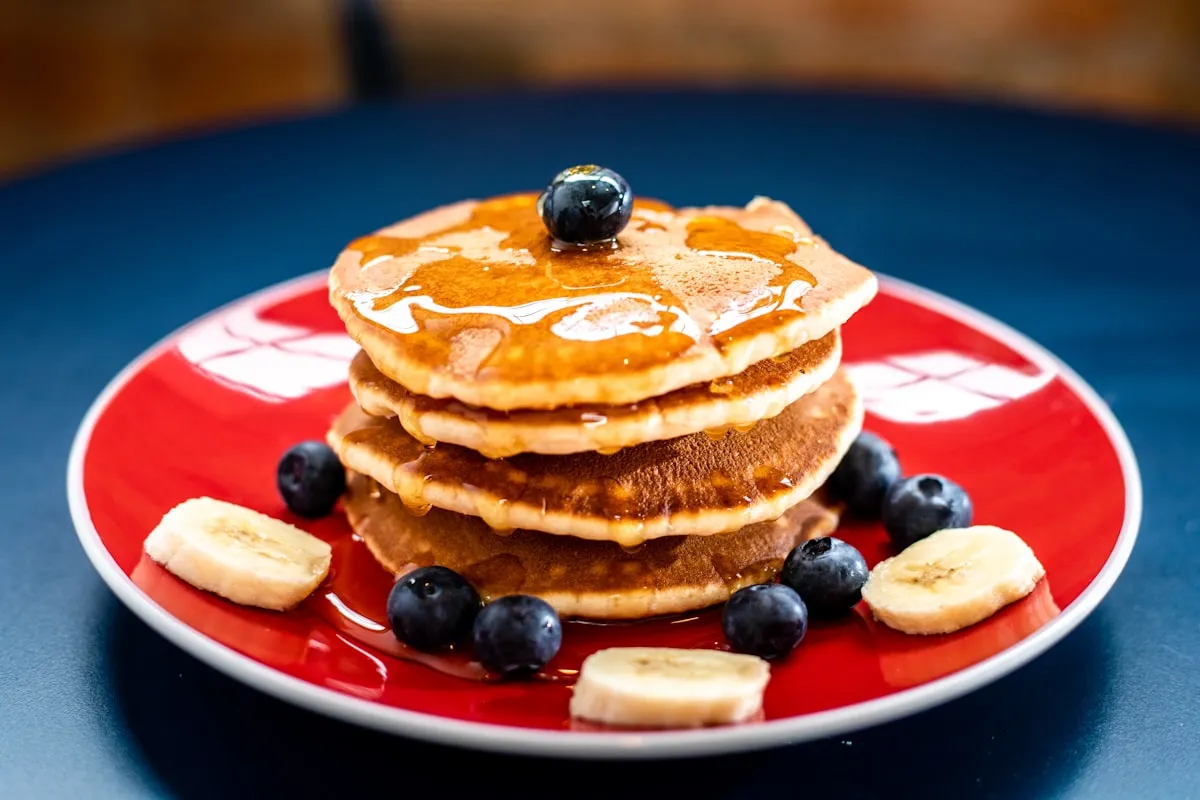
Cottage cheese pancakes are the sort of meal that sounds a little suspicious until you try them and realise they’re weirdly brilliant. They’re tender, filling, high in protein, and a lot more useful than plain pancakes when you need breakfast to actually do something. On my blog, I like recipes that earn their keep, and these do exactly that. They work for busy mornings, lazy brunches, and even breakfast-for-dinner nights when you need something quick without resorting to cereal and regret.
Tips & Technique
The reason cottage cheese pancakes work comes down to a slightly nerdy but very helpful mix of protein structure, moisture control, and gentle cooking. In other words: breakfast science, but in a non-annoying way.
Cottage cheese brings a lot to the batter. It adds protein, mild tang, and moisture, which is great right up until it isn’t. Too much moisture and the pancakes go pale, floppy, or oddly wet in the middle. That’s why texture matters more here than with standard pancakes. You’re not just mixing a batter and hoping for the best. You’re managing a high-protein mixture that needs a little respect.
The protein in cottage cheese is mostly casein, which behaves differently from the starch-heavy structure you get in classic flour-based pancakes. Casein helps the batter set, but it doesn’t create the same airy framework on its own. That job needs support from eggs and a small amount of dry ingredient. Eggs help bind everything together and, once heated, their proteins firm up and give the pancakes structure. If the balance is right, you get pancakes that feel soft and fluffy rather than bouncy in a bad way.
The first thing that makes the method work is smoothing the batter. Blending cottage cheese breaks down the curds, which gives a more even texture from edge to centre. If you leave it chunky, you can end up with random wet pockets where the curds haven’t fully integrated. That might be fine if you enjoy culinary chaos, but on my blog I prefer pancakes that know what they’re doing.
Moisture management is the next big deal. Cottage cheese varies a lot by brand. Some tubs are thick and creamy. Others look like they’ve had a stressful week and separated into curds and liquid. If the cottage cheese is very wet, the batter can become too loose, and that leads to pancakes that spread too much and struggle to cook through. A brief rest after mixing helps because the dry ingredients absorb liquid and thicken the batter naturally. This is not wasted time. It’s the moment where the batter sorts itself out and becomes much easier to cook.
Heat control matters even more. High-protein batters brown faster because proteins and milk solids react quickly on a hot surface. That means a pan that is too hot can give you dark outsides and undercooked centres, which is a rude breakfast surprise. Medium-low heat is the sweet spot. It gives the inside enough time to set before the outside goes too far. If you’ve ever made pancakes that looked gorgeous and then collapsed into damp sadness, the pan was probably too hot.
Size matters too. Smaller pancakes cook more evenly and are easier to flip without tearing. Large ones tend to stay soft in the middle longer, and because this batter is more delicate than standard pancake batter, they can fold or split if you rush them. Let the first side cook until bubbles appear and the edges look slightly set. That visual cue matters because it tells you the proteins and starches are starting to hold hands properly.
The reason these pancakes can be so satisfying is that the protein changes the texture in a good way when handled well. They’re not as airy as diner pancakes, but they are creamier, more tender, and far more filling. That makes them useful beyond breakfast too. If you’re into quick family meals, this is one of those recipes that can quietly jump from morning plate to breakfast-for-dinner without anybody complaining.
Reheating also benefits from understanding the structure. Since the pancakes contain more protein and moisture than standard ones, reheating gently helps preserve texture. A toaster works well for the edges, and an air fryer can do a surprisingly nice job if you keep the heat moderate so they warm through without drying out. That’s one reason they fit naturally into conversations about air fryer recipes dinner, especially if you’re doing a breakfast-for-dinner situation and want a fast reheat without using the hob again.
So yes, cottage cheese pancakes are a bit more technical than regular pancakes. But once you understand why the method works, they’re easy. And honestly, that’s my favourite kind of recipe: the one that sounds wholesome, tastes good, and makes you feel slightly smug for knowing the science.
Variations
One of the best things about cottage cheese pancakes is how easily they change personality. Keep them plain and they’re simple, cosy, and reliable. Dress them up and suddenly they feel like you made an effort, even if you absolutely did not.
For a sweeter version, fruit is the easiest win. Blueberries work especially well because they add little bursts of juice without throwing off the texture too much. Lemon zest also brightens the batter nicely and makes the whole thing taste fresher. Cinnamon is another good move if you want warmth without extra fuss.
If you prefer a more filling breakfast-for-dinner angle, go savoury. Herbs, black pepper, and a little grated cheese can turn them into something that feels much closer to one of those healthy dinner ideas people save and then forget to make. Top with eggs, avocado, or smoked salmon and suddenly pancakes are no longer just pancakes. They’re dinner wearing breakfast clothes.
Banana is another solid option, but go easy. Too much can soften the batter and make the pancakes harder to set. Seeds like chia or flax are useful too, especially if you want more fibre, but add them with restraint unless you enjoy batter that turns into paste.
If you batch-cook these for later, changing toppings is the easiest way to keep things interesting. Nut butter one day, berries the next, savoury toppings after that. It stops breakfast fatigue before it starts. That flexibility is also what makes them handy for quick family meals, because one base recipe can keep different people happy without requiring three separate pans and a personality transplant.
Side Dish Pairings
Cottage cheese pancakes are filling, but the right side dish can make them feel more complete and a lot less like you grabbed the nearest plate and hoped for balance.
Fresh fruit is the obvious choice, and for once the obvious choice is correct. Berries, orange slices, or melon add brightness and contrast to the rich, creamy texture of the pancakes. They also stop the meal from feeling too heavy, which is useful when the pancakes themselves are already doing a solid amount of work.
For a more savoury plate, eggs on the side make a lot of sense. They boost the protein even further and push the whole thing firmly into brunch or breakfast-for-dinner territory. If you’re collecting healthy dinner ideas that don’t feel like punishment, this is a good one. Add some turkey sausage or roasted tomatoes and it suddenly looks like you planned ahead.
Yogurt is another easy pairing, especially with fruit and a drizzle of honey. It keeps everything soft, cool, and balanced. And if you’re reheating pancakes for a speedier evening meal, pairing them with crisp bacon or fruit salad keeps the meal from feeling one-note. That’s also where they quietly overlap with air fryer recipes dinner, because reheated pancakes plus simple sides can become a genuinely fast meal without much cleanup.
FAQ
Why are cottage cheese pancakes so filling?
Because they contain more protein than standard pancakes, and protein generally helps with satiety. Cottage cheese and eggs both contribute to that. So instead of the usual pancake situation where you’re hungry again embarrassingly fast, these tend to stick with you longer.
Why did my pancakes turn out wet in the middle?
Usually it’s either too much moisture in the batter or too much heat in the pan. If the pan is too hot, the outside cooks faster than the inside can set. If the batter is too loose, the middle stays soft longer and the pancakes spread too much. Letting the batter rest helps, and so does cooking smaller pancakes.
Do I need to blend the cottage cheese?
For the best texture, yes. Blending breaks down the curds and gives you a smoother, more uniform batter. If you skip that, the pancakes can still work, but the texture will be less even. Some people like that. I do not enjoy breakfast surprises.
Why do these pancakes brown quickly?
High-protein batters tend to colour faster than standard pancake batters. Dairy proteins and milk sugars react quickly in heat, so the surface can brown before the centre is fully cooked. That’s why lower, steadier heat is your friend here.
Can I reheat them later?
Yes, and they reheat well if you’re sensible about it. A toaster works for crisp edges, while an air fryer can warm them nicely without making them soggy. That makes them useful for busy evenings too, especially if breakfast-for-dinner is part of your personal survival plan. They fit surprisingly well into the world of air fryer recipes dinner.
Are they good for families?
Absolutely. They’re soft, mild, and easy to dress up with different toppings, so they work well for different tastes. That flexibility makes them handy for quick family meals, especially when everybody wants something slightly different but you only have the patience to cook once.
Can they count as dinner?
Honestly, yes. Add savoury toppings or a hearty side, and they move into dinner territory very easily. Not every dinner needs to be serious. Sometimes pancakes with eggs, fruit, or sausage are exactly the level of effort the day deserves. If you’re trying to build a list of healthy dinner ideas that feel realistic, this one earns a spot.
Why are mine rubbery?
That usually happens when they’re overcooked or the protein structure tightens too much from prolonged heat. High-protein batters need a gentler touch than standard pancake batter. Cook them just until set, not until they feel like they could survive being used as sports equipment.
What makes the method reliable?
The method works because it balances moisture, structure, and heat. The blended cottage cheese gives a smooth base, the eggs help set the batter, the dry ingredients absorb moisture, and moderate heat lets the pancakes cook through properly. It’s not magic. It’s just solid kitchen chemistry doing its thing.