Recipe
Servings
Servings 1×
Ingredients
- Lentils
- Chickpeas
- Black beans
- Beans
- Pearled barley
- Rice
- Tortillas
- Potatoes
- Carrots
- Greens
- Peas
- Corn
- Tomatoes
- Onion
- Garlic
- Lemon
- Lime
- Cream
Method
- Prepare the ingredients described in the article and heat the cooking surface or oven as directed.
- Cook the main ingredients using the heat and timing guidance in the article.
- Finish with the seasonings and garnishes named in the article, then serve.
Eating well shouldn't require a second mortgage. If you’ve ever stared at a grocery receipt in horror, you’re not alone. I’ve spent years mastering the art of the "frugal feast," and let me tell you: plant-based eating is the ultimate hack for your wallet. You don't need fancy meat substitutes or imported superfoods to create healthy dinner ideas that actually taste good. By sticking to pantry legends like lentils and beans, you can whip up quick family meals for under five dollars that leave everyone satisfied.
The Science of the Satiating Staple
When you’re cooking on a budget, you have to make the science of food work for you. Most people find cheap meals "boring" because they skip the critical steps that unlock flavor and texture. Take legumes, for example. Whether you are using dried chickpeas or red lentils, the magic happens during hydration and starch gelatinization. When you simmer a lentil, you aren't just getting it wet; you are allowing the heat to break down the complex carbohydrate structures, turning a hard pebble into a creamy, protein-packed base.
To get the most out of your budget one-pot meals, prioritize the Maillard reaction. This is the chemical reaction between amino acids and reducing sugars that gives browned food its distinctive flavor. Even in plant-based cooking, sautéing your aromatics, onions, garlic, and carrots, until they turn golden is non-negotiable. Don't just "sweat" them; wait for that color change. This creates a flavor foundation that mimics the depth usually found in much more expensive meat-based stocks.
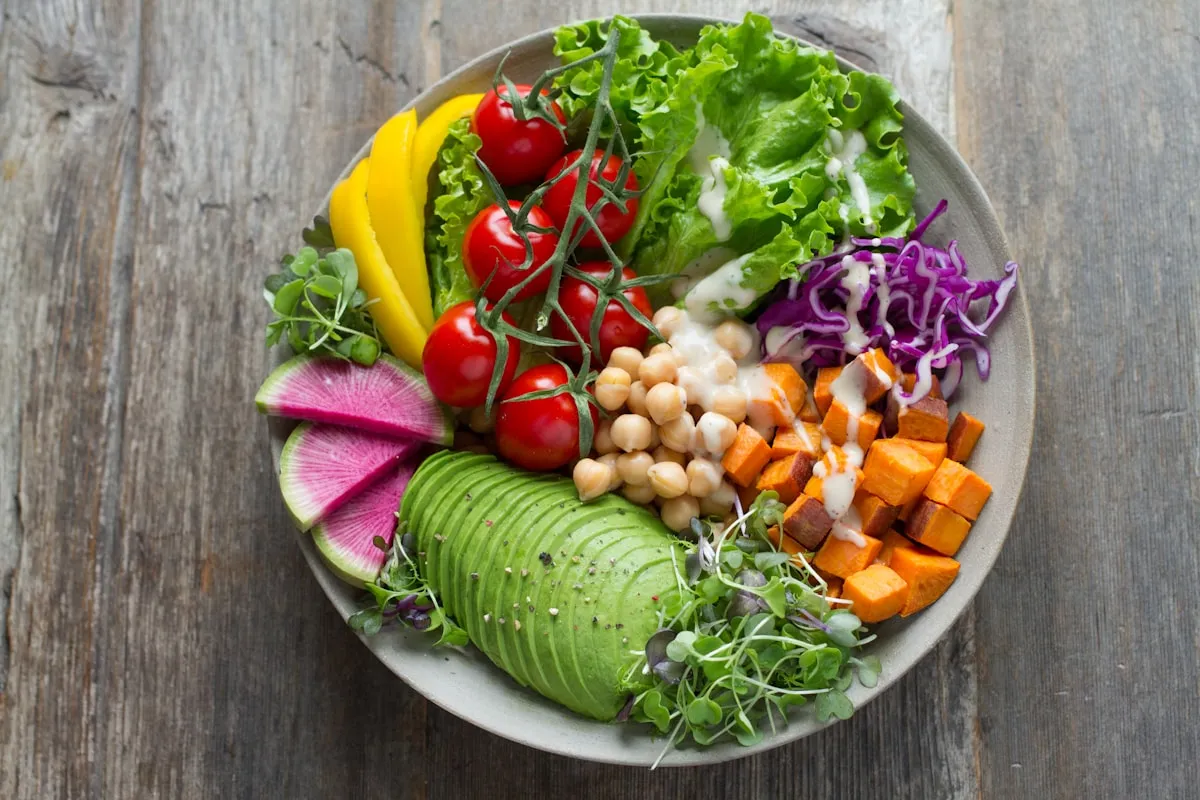
Hydration timing is another scientific factor that can save your dinner. If you’re making a black bean stew, avoid adding acidic ingredients like lime juice or canned tomatoes until the beans are fully tender. High acidity can strengthen the hemicellulose in the bean's cell walls, preventing them from softening and leaving you with a chalky texture. Stick to simmering your pulses in water or a simple broth first, then introduce your acids and salts at the end to brighten the profile.
Maximize your spice cabinet by "blooming" your spices. Most flavor compounds in cumin, turmeric, and chili powder are fat-soluble. By tossing them into the pan with a tiny bit of oil for thirty seconds before adding your liquids, you activate those aromatic molecules, making a $0.50 bag of lentils taste like a $20 restaurant dish. It’s a small mechanical shift that yields massive sensory results.
Versatile Variations for Every Palate
You don't have to follow a rigid script to keep things affordable. Once you master a basic plant-based base, you can pivot in a dozen directions. If you find yourself with extra tortillas, turn your bean stews into crispy taquitos. This is where air fryer recipes dinner enthusiasts really shine; a few minutes in the basket gives you that deep-fried crunch without the cost or mess of a vat of oil. Check your freezer for frozen corn or peas, these are often cheaper than fresh and are "flash-frozen" at peak ripeness, meaning they often pack more nutrients than the "fresh" produce that’s been sitting in a truck for a week.
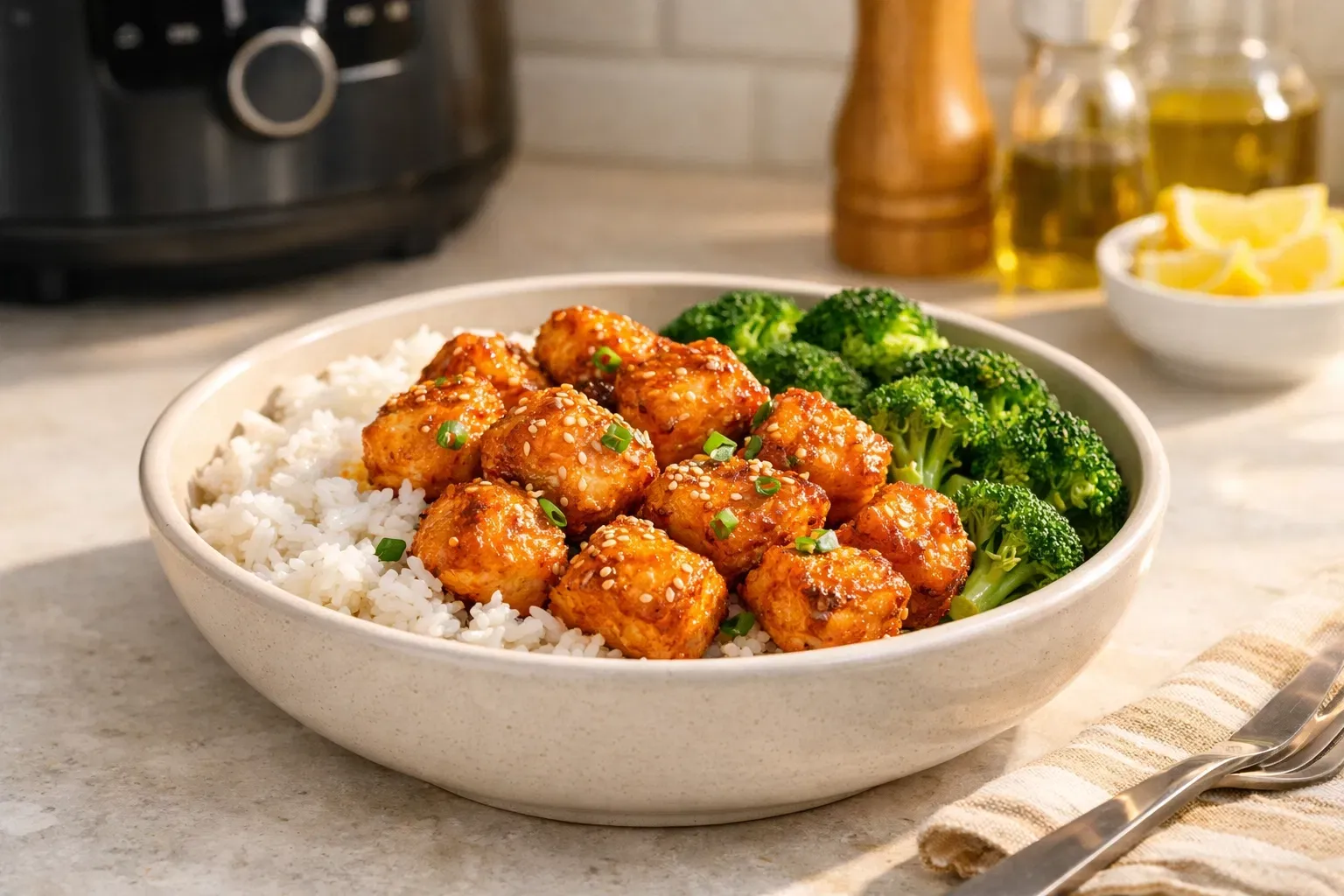
Consider swapping your grains based on what’s on sale. While brown rice is a classic, pearl barley or even toasted breadcrumbs (pangrattato) can provide that necessary textural contrast. If you're bored of standard curries, try a "Poor Man's Chowder" by thickening a potato and chickpea base with a simple flour-and-water roux. The starch in the potatoes combined with the roux creates a rich, velvety mouthfeel that usually requires expensive heavy cream. These vegetarian dinner recipes are all about being a flexible, smart cook.
Pairing for Balance and Brightness
A cheap meal shouldn't feel heavy or one-note. The secret to elevating a $5 dinner is balancing the "weight" of the starch with acidity. If you are serving a hearty red lentil dal or a thick black bean burrito, you need something to cut through the density. A simple side of pickled red onions, made with just vinegar, sugar, and salt, adds a sharp pop of color and acidity that resets your palate between bites.
Don't overlook the power of crunch. If your main dish is soft and comforting, pair it with a quick slaw made from shredded cabbage. Cabbage is arguably the most cost-effective vegetable in the produce aisle; one head can last for several meals and provides a massive dose of Vitamin C and fiber. A splash of lemon juice and a pinch of salt on top of your greens is often all you need to turn a humble bowl of beans into a restaurant-quality experience.
Frequently Asked Questions
Why do my dried beans stay hard no matter how long I cook them?
This is usually a result of "hard water" or old beans. High mineral content in your tap water can react with the bean skins, keeping them tough. If you suspect your water is the culprit, add a tiny pinch of baking soda to the pot. This increases the pH level, helping the beans break down more efficiently. Also, check the expiration date; beans that have sat in a pantry for three years will eventually lose their ability to hydrate properly.
Is it really cheaper to buy dried instead of canned?
Absolutely. While a can of beans is convenient, a bag of dried beans typically provides three to four times the volume of food for a similar price. From a scientific standpoint, cooking your own beans also allows you to control the texture and the sodium content. Use your air fryer dinners knowledge to roast any leftover cooked beans into crunchy snacks later!
How can I make these quick family meals more filling?
Focus on the combination of fiber and healthy fats. While the beans provide the protein and fiber, adding a small amount of fat, like a drizzle of olive oil, a few slices of avocado, or even a spoonful of peanut butter in a noodle dish, slows down digestion. This keeps you feeling full for longer. It's not just about the volume of food; it's about the satiety signals sent to your brain.
Do I really need to soak my lentils?
For red or yellow lentils, no. They are small enough and have had their outer skins removed, meaning they break down quickly. However, for larger legumes like chickpeas or kidney beans, soaking is essential. It not only reduces cooking time but also helps leach out some of the complex sugars (oligosaccharides) that lead to digestive discomfort. Always discard the soaking water and start with fresh water for the actual cook.
Can I freeze these plant-based dinners?
Most bean and grain-based meals freeze exceptionally well. In fact, stews and dals often taste better the next day because the flavors have more time to meld and the starches continue to thicken the sauce. Just ensure you leave a little headspace in your containers, as liquids expand when they freeze.
{“@type”:”BlogPosting”,”image”:”https://cdn.marblism.com/pI-byDhaaDc.webp”,”author”:{“name”:”Penny”,”@type”:”Person”},”@context”:”https://schema.org”,”headline”:”Budget Matters: 5 Plant-Based Dinner Ideas Under $5″,”publisher”:{“logo”:{“url”:”https://cookpedia.com/logo.png”,”@type”:”ImageObject”},”name”:”Cookpedia”,”@type”:”Organization”},”description”:”Discover how to cook delicious plant-based dinners for under $5 using science-backed techniques for beans, lentils, and grains.”,”datePublished”:”2026-07-03″,”mainEntityOfPage”:{“@id”:”https://cookpedia.com/budget-plant-based-dinner-ideas”,”@type”:”WebPage”}}