Recipe
Servings
Servings 1×
Ingredients
- Tofu
- Lentils
- Chickpeas
- Black beans
- Beans
- Rice
- Cauliflower
- Spinach
- Kale
- Cucumber
- Onion
- Garlic
- Fresh ginger
- Lime
- Coconut milk
- Cooking oil
- Curry spices
- Turmeric
Method
- Let’s talk about the science and strategy behind building deep flavor in a single pot without burning your spices or turning your rice into mush.
- Use medium heat, never high, to prevent the spices from scorching and turning bitter.
- Rinse your basmati rice thoroughly in cold water before adding it to the pot.
- Use a tight-fitting lid to trap steam, allowing the rice grains to cook evenly through gentle steaming rather than aggressive boiling.
- Keep in mind that tougher greens need a few extra minutes to soften, so stir them in slightly earlier than you would tender baby spinach.
- Serve a crisp cucumber and red onion salad tossed in fresh lime juice and a pinch of salt.
If you are tired of washing ten different pots after a frantic weeknight, I have a treat for you. Making a comforting curry doesn’t require a sink full of dishes or hours of simmering. When looking for healthy dinner ideas, nothing beats a flavorful, warming meal that comes together effortlessly. Today, we are diving into a vibrant, budget-friendly dish that cooks entirely in one vessel: a hearty chickpea and spinach curry paired with fluffy coconut rice. It is fast, fragrant, and designed for real life.
The Science of Flavor and Texture in One Pot
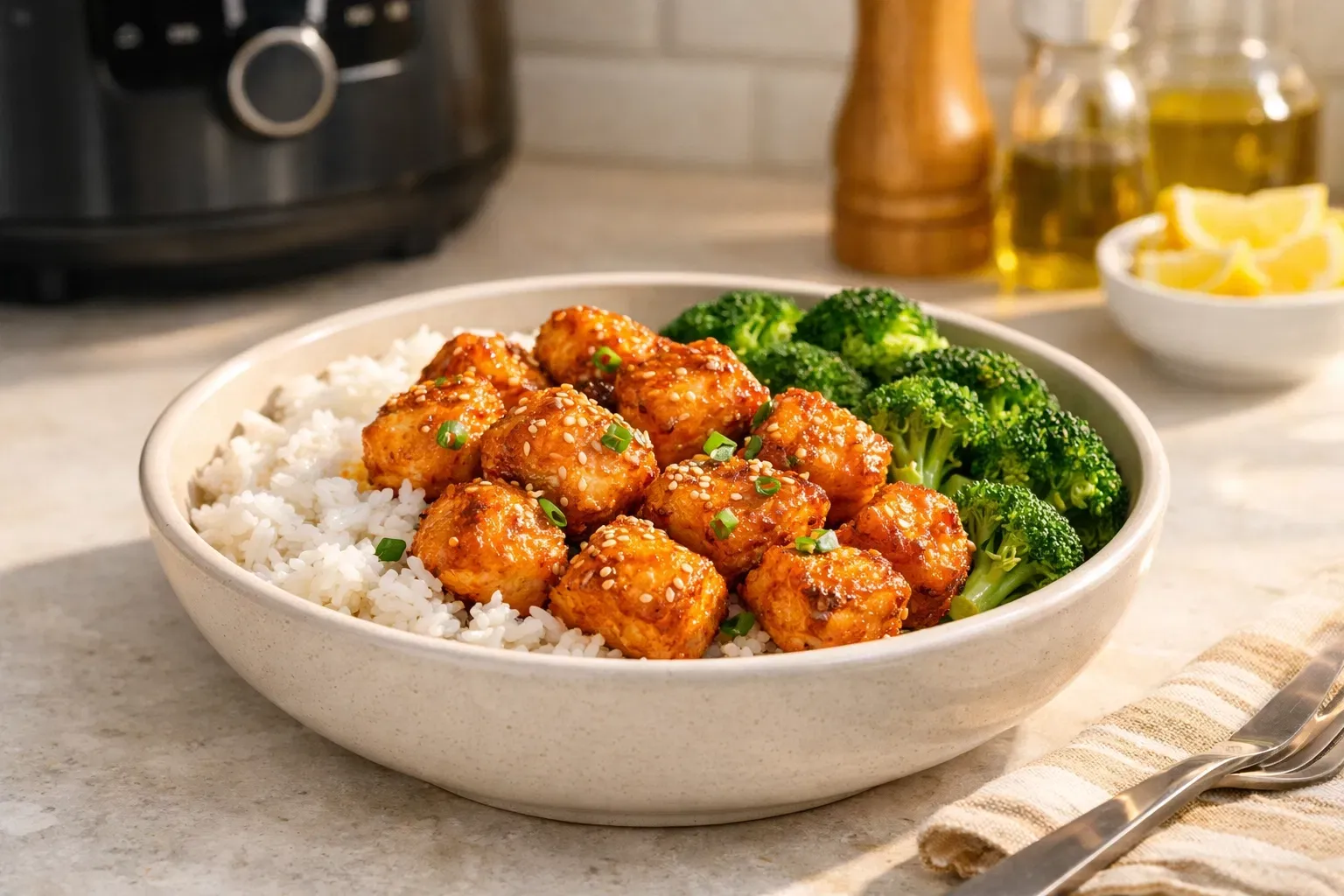
Let’s talk about the science and strategy behind building deep flavor in a single pot without burning your spices or turning your rice into mush.
First, bloom your spices properly. Ground spices like turmeric, cumin, and curry powder contain fat-soluble aromatic compounds. When you add them to hot oil along with aromatics like garlic and ginger, you extract those essential oils and awaken their dormant flavors. Use medium heat, never high, to prevent the spices from scorching and turning bitter.
Next, consider starch management. Cooking rice directly in a coconut curry base is a brilliant shortcut, but it requires precision. Rinse your basmati rice thoroughly in cold water before adding it to the pot. This removes excess surface starch that would otherwise make your curry gluey. When the rice goes into the spiced tomato and coconut broth, it absorbs all those rich, savory flavors as it hydrates and cooks.
Control your liquid ratio carefully. Use a tight-fitting lid to trap steam, allowing the rice grains to cook evenly through gentle steaming rather than aggressive boiling. Avoid lifting the lid during the 15-minute simmer; letting steam escape drops the internal temperature and ruins the texture. If you love quick family meals that maximize flavor with minimal effort, mastering this single-pot steaming technique is a complete game-changer. For more inspiration, check out our collection of one-pot meals. These quick family meals make weeknight cooking a breeze.
Endless Customization and Variations
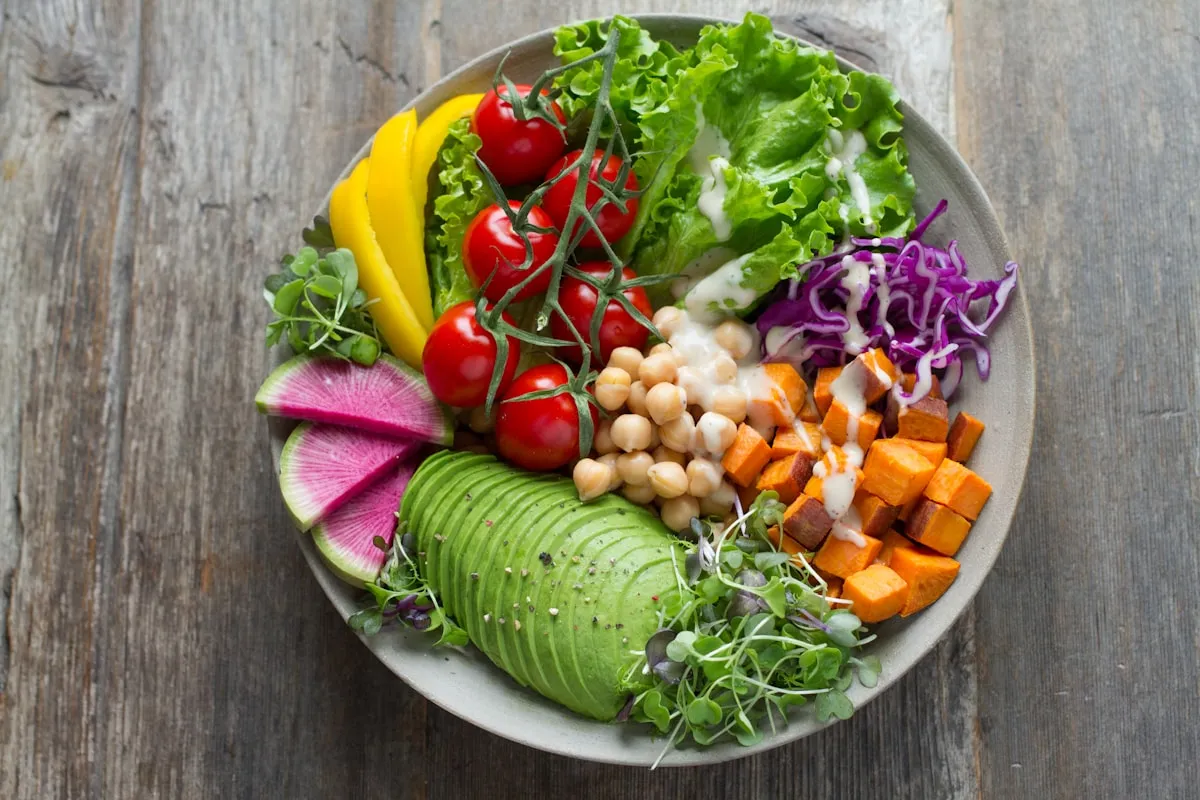
Curry is endlessly forgiving, making it one of the best budget-friendly recipes to customize based on what’s lurking in your fridge.
Swap out the spinach for hearty greens like chopped kale, Swiss chard, or even collard greens. Keep in mind that tougher greens need a few extra minutes to soften, so stir them in slightly earlier than you would tender baby spinach.
If you want to mix up your proteins while keeping things vegetarian, fold in cubed firm tofu or red lentils. For a different flavor profile, substitute half of the chickpeas with roasted sweet potato cubes or canned black beans.
If you are craving a different cooking method on busy nights, you can easily pair your curry rotation with other favorites from our vegetarian dinner recipes or even quick air fryer recipes dinner setups when you want a contrasting crispy element on the side. If you need more healthy dinner ideas for busy weeknights, exploring these flexible ingredient swaps will keep your menu fresh.
Elevating Your Meal with Smart Pairings
While this dish is a complete meal on its own with the built-in coconut rice, you can elevate your weeknight dinner table with a few smart pairings.
Balance the rich, creamy coconut milk and warm spices with something bright and acidic. Serve a crisp cucumber and red onion salad tossed in fresh lime juice and a pinch of salt. The sharp crunch cuts right through the richness of the curry.
Warm flatbreads or garlic naan are also fantastic for scooping up every last drop of sauce. If you want to expand your plant-based feast further, pair it with a side of roasted spiced cauliflower or explore our cozy budget-friendly red lentil dahl for a comforting legume-heavy feast that pairs wonderfully with air fryer recipes dinner options.
Frequently Asked Questions
What if my rice sticks to the bottom of the pot?
Sticking usually happens when the heat is too high or there isn't enough liquid. Always use a heavy-bottomed Dutch oven or thick pot to distribute heat evenly. Stir the rice immediately after adding it so it doesn't settle directly against hot spots before the liquids saturate the pan.
Can I use canned coconut milk, and what fat content is best?
Yes, absolutely! Use full-fat canned coconut milk for the creamiest texture and deepest flavor. Light coconut milk contains more water and less fat, which can result in watery curry and undercooked rice.
What if I don't have basmati rice?
You can use other long-grain white rices like jasmine. Avoid short-grain sticky rice or brown rice for this specific one-pot method, as brown rice requires significantly more liquid and cooking time, which would throw off the curry consistency.
How do I store and reheat leftovers?
Store leftovers in an airtight container in the refrigerator for up to four days. When reheating, add a tablespoon of water or broth, as the rice will continue to absorb liquid as it sits. Warm it gently on the stovetop over medium-low heat, stirring occasionally.