Recipe
Servings
Servings 1×
Cook 1H28 min
Ingredients
- Lentils
- Chickpeas
- Beans
- Noodles
- Bread
- Carrots
- Zucchini
- Spinach
- Kale
- Onion
- Garlic
- Lemon
- Coconut milk
- Hard cheese
- Butter
- Cooking oil
- Soy sauce or tamari
- Curry spices
Method
- Let’s be honest: comfort food doesn't need to be heavy, complicated, or expensive.
- Start by sweating your aromatics, onions, carrots, and celery, over medium-low heat.
- Use a robust vegetable stock, but enhance its umami profile with a splash of soy sauce or a parmesan rind tossed directly into the simmering pot.
- Stir in a tablespoon of red curry paste and a splash of coconut milk for an aromatic Thai-inspired twist.
- Serve your steaming bowls alongside a warm, crusty loaf of sourdough bread slathered with salted butter or dipped in garlic-infused olive oil.
There is an undeniable magic that happens when a pot of soup simmers on the stove, especially when you are looking for healthy dinner ideas that won’t empty your wallet. Let’s be honest: comfort food doesn't need to be heavy, complicated, or expensive. When I want something deeply nourishing, vibrant, and light all at once, this hearty vegetable and zucchini noodle soup is my absolute go-to. It is packed with garden-fresh produce, bursting with savory depth, and comes together with minimal fuss. Grab your favorite wooden spoon, and let’s dive into the art of making the ultimate cozy bowl.
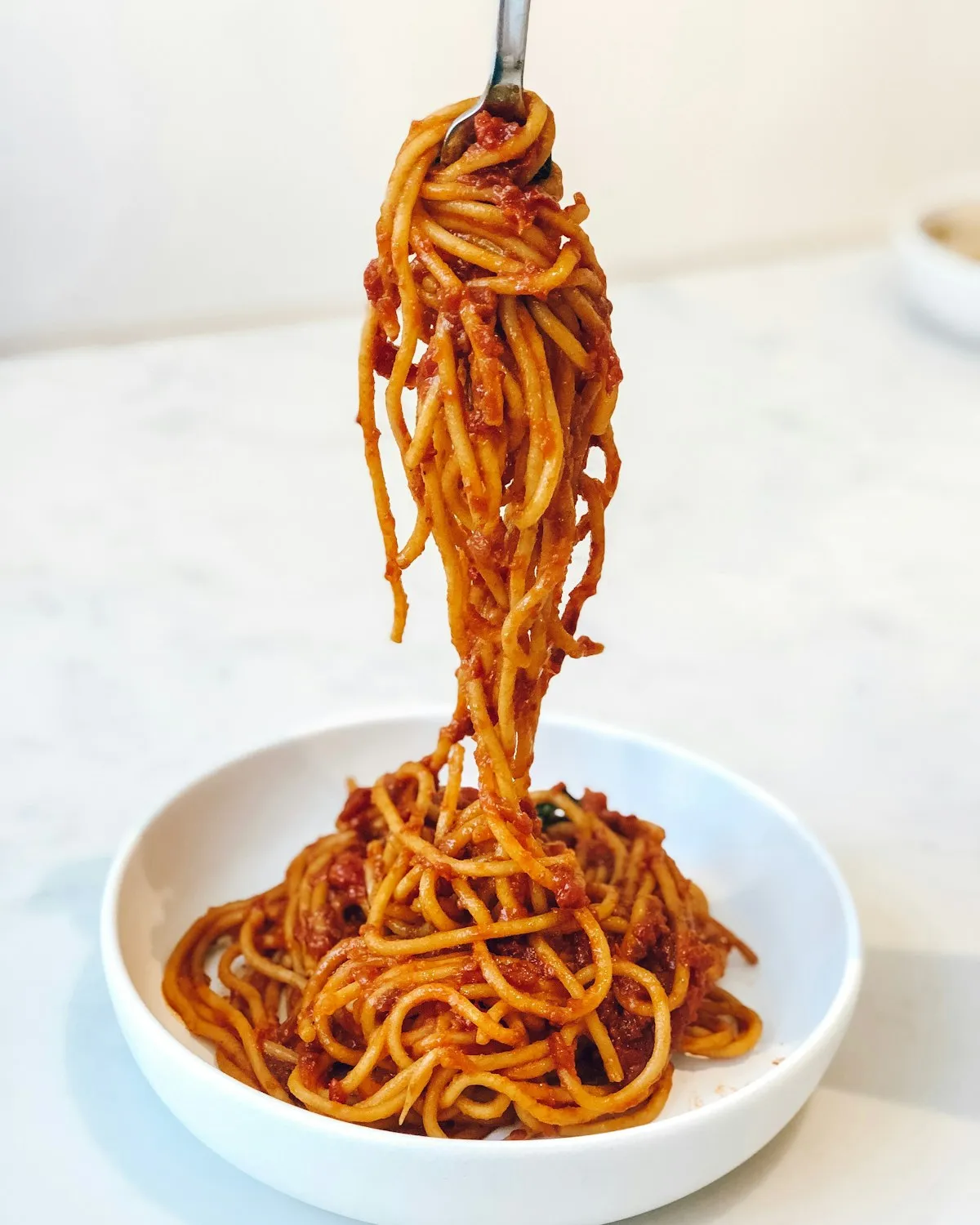
The Science of Simmering: Why Technique Matters in Vegetable Soup
When you are preparing quick family meals, it is tempting to rush the chopping and dump everything into boiling water at once. Resist that urge! Good soup is built on layers of flavor, and understanding the science behind your ingredients transforms a bland broth into a culinary masterpiece.
Start by sweating your aromatics, onions, carrots, and celery, over medium-low heat. Sweat, do not fry. Why? Gentle heat breaks down the cell walls of the vegetables, releasing natural sugars (caramelization at a micro-level) without scorching them. This creates a sweet, complex foundation known as a mirepoix.
Next comes the broth development. Use a robust vegetable stock, but enhance its umami profile with a splash of soy sauce or a parmesan rind tossed directly into the simmering pot. Glutamates in aged cheese and fermented soy amplify savory notes naturally.
Crucially, let's talk about the zucchini noodles (zoodles). Zucchini is roughly 95% water. If you drop zoodles into boiling broth too early, they will release all their moisture instantly, diluting your soup and turning into mush. Instead, add your zucchini noodles in the final two minutes of cooking. Residual heat is more than enough to tenderize them while keeping their vibrant green color and satisfying crisp-tender bite intact. Never overcook your zucchini; firm is your friend here.
Creative Variations to Keep Your Weeknights Exciting
Variety keeps home cooking fun. While the base vegetable soup is fantastic on its own, you can easily pivot based on what is lurking in your refrigerator crisper drawer.
If you need something heartier to satisfy hungry teenagers or after-work appetites, fold in a can of rinsed chickpeas, white cannellini beans, or lentils during the simmering phase. Plant-based proteins add substance and texture without adding heavy fats.
Want to change up the flavor profile? Stir in a tablespoon of red curry paste and a splash of coconut milk for an aromatic Thai-inspired twist. Alternatively, toss in a handful of baby spinach or kale right at the end for an extra hit of iron and vibrant color.
If you happen to love experimenting with appliance cooking, similar to how you might test out air fryer recipes dinner concepts, you can roast your hard root vegetables (like cubed butternut squash or bell peppers) in the air fryer first before adding them to the warm broth. Roasting caramelizes the exterior sugars, infusing the soup with a rich, smoky depth that boiling alone simply cannot achieve.
Thoughtful Side Dish Pairings for a Complete Spread
Soup is wonderful, but pairing it with the right accompaniment turns a simple weeknight bowl into a memorable feast. Balance is key: since this soup is light, acidic, and herbaceous, pair it with foods that offer contrasting textures and rich warmth.
Serve your steaming bowls alongside a warm, crusty loaf of sourdough bread slathered with salted butter or dipped in garlic-infused olive oil. The chewy crumb and crisp crust provide the perfect vehicle for soaking up leftover aromatic broth.
If you want a brighter contrast, whip up a crisp, shaved fennel and arugula salad dressed simply with lemon juice, flaky sea salt, and extra virgin olive oil. The sharp, peppery bite of the arugula and the citrus acidity cut through any richness while echoing the fresh garden notes in the soup. For an unexpected twist, some home cooks even enjoy pairing vegetable soups with quick-baked savory pastries or cheesy flatbreads inspired by popular air fryer recipes dinner trends.
Frequently Asked Questions
Can I freeze vegetable and zucchini noodle soup?
You can freeze the vegetable soup base, but do not freeze the zucchini noodles. Zucchini has a high water content, and freezing causes its cell walls to rupture. When thawed, frozen zucchini turns completely soggy and limp. Instead, freeze the delicious broth and root vegetable base in airtight containers, then freshly spiralize and add new zucchini noodles when you reheat the soup on the stove.
How do I prevent my zucchini noodles from getting watery?
Salt your zucchini noodles lightly and let them sit in a colander for ten minutes before cooking to draw out excess moisture, then pat them dry with a clean kitchen towel. Even better, simply drop raw zoodles directly into the hot, finished soup bowls right before serving, the hot broth will gently cook them without turning them into mush.
What is the best way to store leftovers?
Store your leftover soup in an airtight glass container in the refrigerator for up to three to four days. If zucchini noodles were already added to the pot, be aware that they will continue to soften as they sit in the liquid. For the best texture, store the soup base separately from the zoodles if you anticipate having leftovers.
Can I add protein to this soup?
Absolutely. Shredded rotisserie chicken, diced tofu, cooked white beans, or even a poached egg dropped right into your bowl before serving work wonderfully. Adding lean protein transforms a light starter soup into a complete, filling main course.
Are zucchini noodles a good low-carb alternative?
Yes, zucchini noodles are an exceptional low-carb, nutrient-dense substitute for traditional pasta. They are low in calories, high in vitamin C and potassium, and provide a wonderful crunch that keeps your meals light and refreshing.
{“name”:”Hearty Vegetable and Zucchini Noodle Soup”,”@type”:”Recipe”,”@context”:”https://schema.org”,”cookTime”:”PT20M”,”keywords”:”healthy dinner ideas, quick family meals, budget-friendly recipes”,”prepTime”:”PT15M”,”totalTime”:”PT35M”,”description”:”A budget-friendly, vibrant, and comforting vegetable soup featuring crisp-tender zucchini noodles.”,”recipeYield”:”4 servings”,”recipeCuisine”:”Home Cooking”,”recipeCategory”:”Soup”,”recipeIngredient”:[“2 medium zucchinis, spiralized”,”1 medium yellow onion, diced”,”2 carrots, sliced”,”2 stalks celery, sliced”,”3 cloves garlic, minced”,”4 cups vegetable broth”,”1 can diced tomatoes”,”2 tbsp olive oil”,”Salt and black pepper to taste”,”Fresh parsley for garnish”],”recipeInstructions”:[{“text”:”Heat olive oil in a large pot over medium heat and sauté onion, carrots, and celery until softened.”,”@type”:”HowToStep”},{“text”:”Add minced garlic and cook for 1 minute until fragrant.”,”@type”:”HowToStep”},{“text”:”Pour in vegetable broth and diced tomatoes, bringing the mixture to a gentle simmer for 15 minutes.”,”@type”:”HowToStep”},{“text”:”Stir in the zucchini noodles in the final 2 minutes of cooking until tender-crisp.”,”@type”:”HowToStep”},{“text”:”Season with salt and pepper to taste, garnish with fresh parsley, and serve warm.”,”@type”:”HowToStep”}]}