Recipe
Servings
Servings 1×
Ingredients
- Chicken
- Tofu
- Lentils
- Chickpeas
- Beans
- Quinoa
- Pasta
- Rice
- Potatoes
- Cauliflower
- Asparagus
- Carrots
- Mushrooms
- Spinach
- Greens
- Peas
- Onion
- Garlic
Method
- Prepare the ingredients described in the article and heat the cooking surface or oven as directed.
- Cook the main ingredients using the heat and timing guidance in the article.
- Finish with the seasonings and garnishes named in the article, then serve.
Let’s be honest: your grocery bill has probably been giving you a bit of a fright lately. We’ve all been there, standing in the aisle, staring at a head of cauliflower that costs more than a fancy coffee, wondering how to feed a family without breaking the bank. The good news is that cooking on a budget doesn’t mean you have to settle for bland or boring food. By mastering a few simple techniques and keeping a smart pantry, you can turn humble ingredients into soulful, high-impact meals. This collection of 20 wallet-smart strategies and meal concepts is designed to get you back in the kitchen with confidence.
The Science of Savvy: Maximizing Flavor and Efficiency
To master budget friendly recipes, you have to stop thinking about what you’re losing and start thinking about the chemistry of what you have. Professional chefs don't just use expensive cuts of meat; they know how to extract maximum flavor from the cheapest ingredients.
Harness the Maillard Reaction
The most important scientific concept in your kitchen is the Maillard reaction. This is the chemical reaction between amino acids and reducing sugars that gives browned food its distinctive, savory flavor. When you are working with cheaper, tougher cuts of meat or simple root vegetables, browning is your best friend. Sear your meat in a hot pan until a deep brown crust forms before you start braising. This creates hundreds of new flavor compounds that make a simple stew taste like a million bucks. Avoid overcrowding the pan; if there’s too much moisture, your food will steam rather than sear, and you’ll miss out on that "meaty" depth.
Hydration and Flavor Penetration
Grains and legumes are the backbone of any affordable kitchen, but they shouldn't be an afterthought. The science of cooking dried beans or rice is all about hydration. Instead of boiling them in plain water, use seasoned liquids like broth or tomato juice. As the starch granules expand and absorb the liquid, they pull those flavors right into the center of the grain. If you’re looking for quick family meals, cooking a large batch of seasoned grains at the start of the week allows you to pivot into different cuisines without much effort.
Umami Boosters
When meat is expensive, you need to find "umami" elsewhere. Umami is the fifth taste, the savory, brothy sensation found in glutamates. You can get a massive umami hit from inexpensive pantry items like soy sauce, tomato paste, Worcestershire sauce, or even nutritional yeast. Adding a tablespoon of tomato paste to your aromatics (onions and garlic) and letting it caramelize until it turns a dark rust color will provide a foundational depth that mimics expensive slow-cooked broths.
The Power of Acidity
One of the biggest mistakes home cooks make is adding more salt when a dish feels "flat." Often, what the dish actually needs is acidity. A splash of vinegar or a squeeze of lemon juice can "cut" through the richness of heavy beans or fatty meats, brightening the entire profile. It’s a cheap way to make a simple lentil soup feel sophisticated and fresh.
Smart Swaps and Seasonal Variations
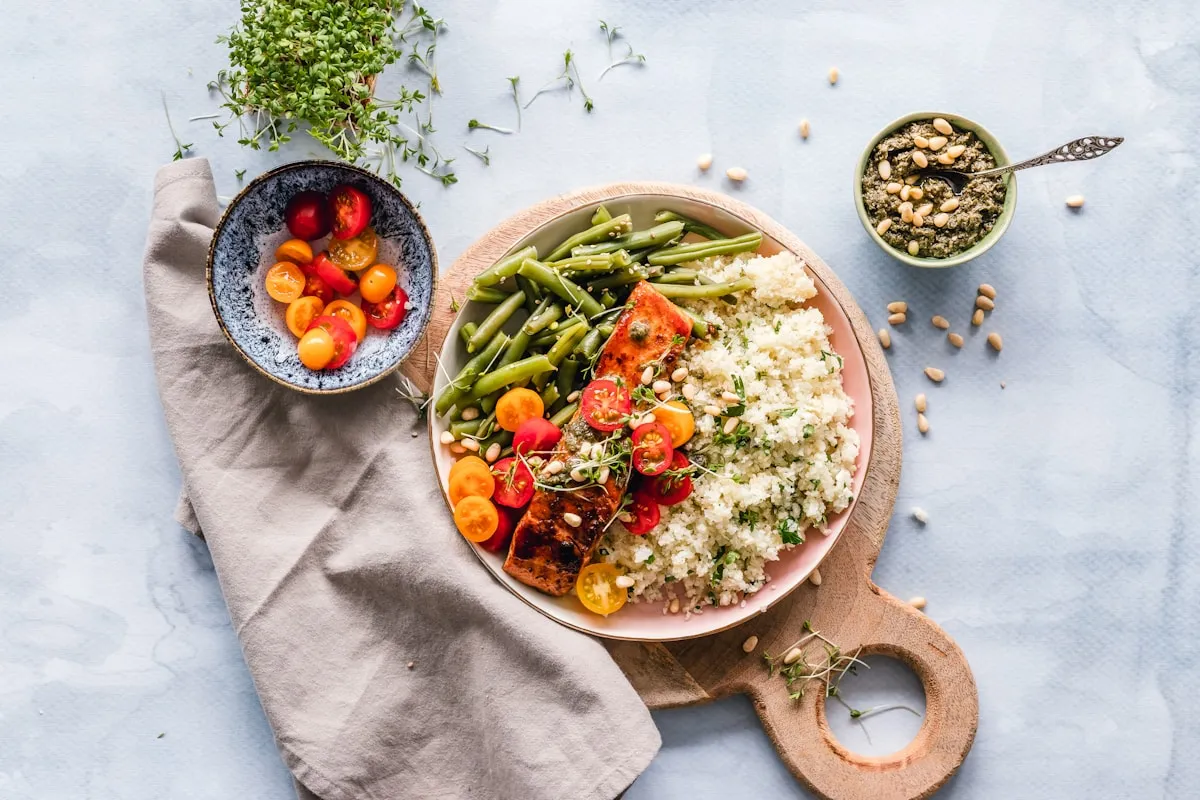
Flexibility is the secret to keeping your food costs down. If a recipe calls for out-of-season asparagus, don't buy it! Learn to swap based on what’s on sale.
- Protein Substitutions: You can almost always swap expensive chicken breasts for thighs. Thighs are not only cheaper, but they also have more connective tissue, which breaks down into gelatin, resulting in a juicier, more flavorful meal. For those seeking healthy dinner ideas, consider replacing half the meat in a recipe with lentils or mushrooms. They mimic the texture of ground meat while slashing the price and the saturated fat.
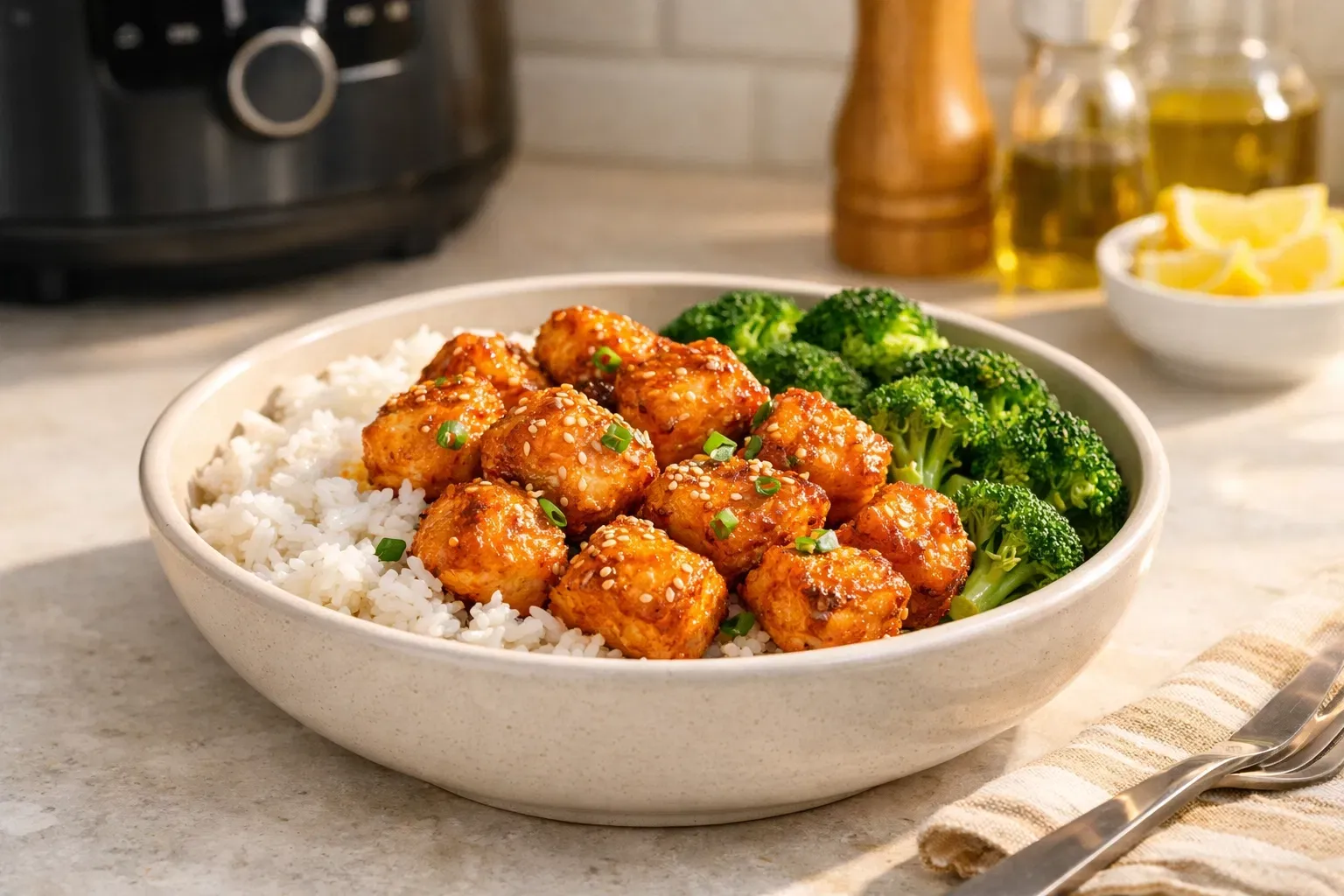
- The Air Fryer Advantage: If you are looking for air fryer recipes dinner ideas that save money, look toward crispy tofu or roasted chickpeas. The air fryer uses convection to circulate hot air, creating a "fried" texture with very little oil. This is a great way to turn a $2 block of tofu into a gourmet protein that the whole family will actually eat. Check out our quick meals section for more inspiration on using this efficient tool.
- Frozen vs. Fresh: From a nutritional and scientific standpoint, frozen vegetables are often superior to "fresh" produce that has spent two weeks in a shipping container. They are picked and blanched at peak ripeness, locking in nutrients and flavor. Use frozen spinach for pasta sauces or frozen peas to bulk out a stir-fry; they are cheaper and won't wilt in your crisper drawer.
Perfect Pairings for Balanced Meals
A great meal is all about balance, contrast in texture, temperature, and flavor. When you’re focused on budget meals, side dishes are your best tool for making a small amount of expensive protein go further.
Stretcher Grains
Never serve a protein alone. A bed of fluffy quinoa, brown rice, or even creamy polenta can stretch a single chicken breast into three servings. The goal is to fill the plate with high-fiber, low-cost starches that absorb the delicious pan juices from your main dish.
Roasted Roots and Simple Slaws
Instead of expensive pre-bagged salads, go for whole cabbages or carrots. A simple slaw made with shredded cabbage, a little vinegar, and a pinch of sugar provides a crunch that offsets soft textures like stews or casseroles. Roasted root vegetables, potatoes, parsnips, and carrots, become incredibly sweet when the natural sugars caramelize in a hot oven, providing a hearty, inexpensive side that feels like comfort food.
Frequently Asked Questions
Why do my dried beans always stay crunchy even after hours of cooking?
This is usually caused by two things: salt or hard water. If your water has a high mineral content, it can prevent the bean’s skins from softening. Similarly, adding acid (like tomatoes or vinegar) too early in the cooking process can "fix" the cell walls of the beans, keeping them hard. Always add your acidic ingredients and salt once the beans have softened to your liking.
Can I safely use frozen meat for quick family meals?
Yes, but you must thaw it correctly to maintain the texture. Thawing in the refrigerator overnight is best. If you're in a rush, use the cold-water immersion method. Never thaw meat on the counter at room temperature; this invites bacterial growth. From a science perspective, slow-thawing helps the muscle fibers reabsorb some of the moisture lost during freezing, resulting in a less "leathery" piece of meat.
How do I prevent my stir-fries from becoming a soggy mess?
Sogginess is caused by steam. When you crowd too many vegetables into a pan at once, the temperature drops, and the water released from the veggies has nowhere to go but up as steam. To get that restaurant-quality snap, cook your ingredients in small batches on high heat. This is also where air fryer recipes dinner prep comes in handy: you can "roast-fry" your veggies in the air fryer to ensure they stay crisp before tossing them with your sauce.
Is it really cheaper to buy a whole chicken?
Absolutely. Buying a whole bird is the ultimate budget move. You can break it down into two breasts, two thighs, two wings, and two drumsticks for a fraction of the price of buying the pieces separately. Plus, you’re left with the carcass, which you can simmer with veggie scraps to make a rich, flavorful stock for your next soup.
How long do leftovers actually last?
Most cooked meals are safe in the fridge for 3 to 4 days. If you won't finish it by then, freeze it. When freezing, use airtight containers to prevent "freezer burn": which is actually just dehydration caused by air reaching the food's surface.
{“@type”:”BlogPosting”,”author”:{“name”:”Penny”,”@type”:”Person”},”@context”:”https://schema.org”,”headline”:”Budget Friendly Recipes: 20 Wallet-Smart Meals to Get You Started”,”publisher”:{“logo”:{“url”:”https://cookpedia.com/logo.png”,”@type”:”ImageObject”},”name”:”Cookpedia”,”@type”:”Organization”},”mainEntity”:{“@type”:”FAQPage”,”mainEntity”:[{“name”:”Why do my dried beans always stay crunchy even after hours of cooking?”,”@type”:”Question”,”acceptedAnswer”:{“text”:”This is often due to hard water or adding acidic ingredients too early. Acids ‘fix’ the cell walls of beans, preventing them from softening. Always add tomatoes or vinegar after the beans are tender.”,”@type”:”Answer”}},{“name”:”Can I safely use frozen meat for quick family meals?”,”@type”:”Question”,”acceptedAnswer”:{“text”:”Yes, but ensure you thaw it in the refrigerator or via cold-water immersion. Avoid room-temperature thawing to prevent bacterial growth and maintain meat texture.”,”@type”:”Answer”}},{“name”:”How do I prevent my stir-fries from becoming a soggy mess?”,”@type”:”Question”,”acceptedAnswer”:{“text”:”Cook in small batches on high heat. Overcrowding the pan causes the temperature to drop and creates steam, which boils the vegetables instead of searing them.”,”@type”:”Answer”}},{“name”:”Is it really cheaper to buy a whole chicken?”,”@type”:”Question”,”acceptedAnswer”:{“text”:”Yes. Buying whole allows you to break down the bird into multiple meals and use the carcass for homemade stock, maximizing every cent spent.”,”@type”:”Answer”}}]},”description”:”Learn the science and strategy behind budget friendly recipes. Discover how to maximize flavor with umami, Maillard reaction, and smart pantry staples.”}