Recipe
Servings
Servings 1×
Ingredients
- Black beans
- Beans
- Rice
- Greek yogurt
- Tortillas
- Greens
- Corn
- Garlic
- Lime
- Cream
- Cheddar
- Cooking oil
Method
- Let’s be honest: your pantry is probably hiding a culinary goldmine in the form of a dusty can of black beans.
- Use a high-moisture cheese like Monterey Jack or a young Cheddar to ensure a smooth, cohesive melt that binds the beans to the tortilla.
- Keep your filling layer thin, about the thickness of a single bean, to ensure even heating and perfect cheese-to-bean ratios in every bite.
- Let them rest on a wire rack for 30 seconds before cutting.
- Use a dry pan over medium heat for about two minutes per side, or toss it back into the air fryer at 350°F for three minutes.
Let’s be honest: your pantry is probably hiding a culinary goldmine in the form of a dusty can of black beans. When you’re staring at the fridge at 6:00 PM with zero motivation, the quesadilla is your best friend. It’s the ultimate budget-friendly hero that bridges the gap between "I'm too tired to cook" and "I actually want to eat something delicious." My blog is all about making these moments easier without resorting to bland cereal for dinner. You deserve a meal that’s both economical and scientifically sound.
The Chemistry of the Crunch: Maillard and Melting
To achieve a quesadilla that actually tastes like a restaurant-quality meal rather than a soggy wrap, you have to respect the Maillard reaction. This is the chemical dance between amino acids and reducing sugars that creates that distinctive brown, nutty flavor we all crave. Most people make the mistake of assembling the quesadilla cold. Instead, try charring the inside of your tortilla in a dry pan first. This pre-heats the "building block" of your meal, ensuring the cheese starts melting the second it touches the surface, while simultaneously developing those complex melanoidins that provide a deep, toasted flavor.
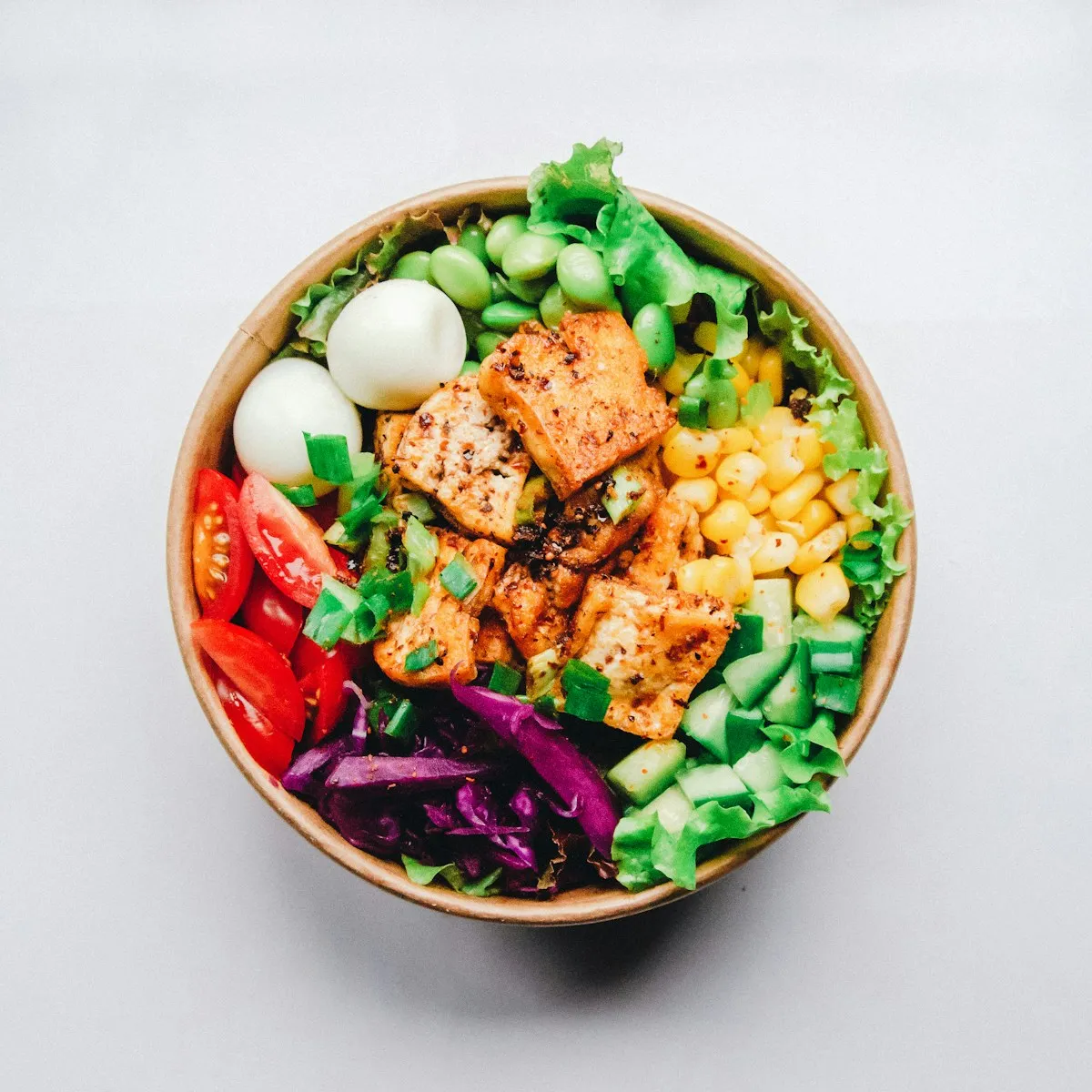
When it comes to the filling, black beans are a nutritional powerhouse, but they are also starch-heavy. As you heat them, the starches undergo a process of gelatinization, which provides that creamy mouthfeel. However, if they get too dry, they become chalky. This is where the cheese comes in, not just as a flavor, but as a structural lubricant. Cheese is an emulsion of fat, water, and protein (mostly casein). When you apply heat, the protein matrix relaxes, allowing the fat to flow. Use a high-moisture cheese like Monterey Jack or a young Cheddar to ensure a smooth, cohesive melt that binds the beans to the tortilla.
For those of you looking for efficient air fryer recipes dinner options, the air fryer is a game-changer here. Unlike the conduction heat of a pan, the air fryer uses high-velocity convection. This creates an incredibly even dehydration of the tortilla’s surface, resulting in a shatteringly crisp exterior that’s hard to replicate on a stovetop without using excessive oil. Just ensure you use a light spritz of oil to facilitate heat transfer; otherwise, the tortilla will just dry out and become brittle rather than crispy.
Avoid overstuffing. A common mistake in quick family meals is trying to pack three cups of filling into one tortilla. This creates a thermal barrier. The heat won't penetrate the center of the bean pile before the outside of the tortilla burns. Keep your filling layer thin, about the thickness of a single bean, to ensure even heating and perfect cheese-to-bean ratios in every bite.
Flavor Engineering: Variations that Pop
While the basic bean-and-cheese combo is a classic, the real magic happens when you play with acidity and heat to balance the earthy richness of the black beans. Black beans are naturally quite "heavy" and starchy on the palate. To cut through that, you need a high-acid component. Think of these as healthy dinner ideas that don't sacrifice complexity.
Try folding in some pickled jalapeños or a squeeze of fresh lime juice directly into the bean mixture before assembly. The acetic acid in the vinegar or the citric acid in the lime works to brighten the flavor profile and literally "cuts" through the fat of the cheese. If you want more texture, add some charred corn. The natural sugars in corn provide a sweet counterpoint to the savory beans, and the physical "pop" of the kernels adds a much-needed structural contrast to the creamy interior.
For a smoky depth, a teaspoon of chipotle in adobo sauce mixed into the beans adds a layer of capsaicin and smoke that mimics the flavor of an outdoor grill. If you’re catering to picky eaters, keep the spices mild but don’t skip the aromatics; even a little garlic powder and cumin can drastically change the perceived quality of canned beans, making them taste like they’ve been simmering all day.
The Perfect Plate: Side Dish Pairings
A quesadilla on its own is a snack; a quesadilla with the right side is a feast. Since the main dish is dense and crispy, your sides should focus on being light, cold, and refreshing. A vibrant purple cabbage slaw is my go-to. Cabbage provides a massive crunch that mirrors the crispiness of the tortilla, while a vinegar-based dressing provides the necessary acidity to refresh your palate between bites of rich cheese.
If you have a few extra minutes, a simple cilantro lime rice can round out the meal by adding more bulk without much cost. The starch in the rice complements the beans, and the hit of lime ties back into the acidity within the quesadilla. Always serve with a dollop of Greek yogurt or sour cream. The coolness of the dairy acts as a "fire extinguisher" for any spice you’ve added and provides a creamy contrast to the crunchy edges of the tortilla.
Troubleshooting Your Quesadilla: FAQ
What if my quesadillas always turn out soggy?
Sogginess is usually caused by excess moisture in your filling. If you’re using canned beans, rinse them thoroughly and then pat them dry with a paper towel. Any liquid clinging to the beans will turn into steam when heated, which gets trapped between the cheese and the tortilla, ruining your crunch. Also, avoid covering the quesadillas with a lid or foil after cooking; this traps steam. Let them rest on a wire rack for 30 seconds before cutting.
Can I make these ahead of time for quick family meals?
Yes, but don’t assemble them until you’re ready to cook if you're using a stovetop. However, you can make the bean mixture days in advance. If you want to freeze them, assemble the quesadillas, wrap them tightly in parchment paper, and freeze. You can pop them directly into the air fryer from frozen. This is one of the most reliable air fryer recipes dinner hacks for busy weeknights.
Why does my cheese separate into a greasy mess?
This is a science problem. If you use "pre-shredded" cheese from a bag, it’s often coated in potato starch or cellulose to prevent clumping. This coating interferes with the melting process and can lead to a grainy texture. For the best emulsion, buy a block of cheese and grate it yourself. Also, avoid high-heat searing; moderate heat allows the cheese to melt gradually without the fat separating from the protein.
Is it really a healthy dinner idea if it’s full of cheese?
Health is all about balance. Black beans are incredibly high in fiber and plant-based protein, which keeps you full for longer. If you’re worried about the fat content, use a sharp cheddar: it has a stronger flavor, so you can use less of it while still getting that cheesy hit. Pair it with a big salad to increase your micronutrient intake and you’ve got a perfectly balanced, affordable meal.
What’s the best way to reheat leftovers?
Whatever you do, stay away from the microwave. A microwave heats water molecules, which will turn your once-crispy tortilla into a rubbery disaster. Use a dry pan over medium heat for about two minutes per side, or toss it back into the air fryer at 350°F for three minutes. This restores the Maillard-reacted crust and remelts the cheese perfectly.