Recipe
Servings
Servings 1×
Ingredients
- Noodles
- Broccoli
- Carrots
- Spinach
- Greens
- Onion
- Garlic
- Butter
- Cooking oil
- Salt
Method
- Use a heavy-bottomed skillet or a carbon steel wok if you have one, as these materials retain heat far better than thin aluminum.
- Give them a vigorous shake and toss them with a teaspoon of neutral oil.
- Start with your "hard" aromatics and vegetables, onions, carrots, or broccoli stems.
We’ve all been there: it’s 6:00 PM, your stomach is growling louder than a lawnmower, and the thought of spending an hour hovering over a stove feels like a personal insult. You want something fast, you want something cheap, and you want it to actually taste like you tried. Enter my go-to savior for quick healthy meals: the 15-minute veggie fried noodle. This isn't just about throwing things in a pan; it’s about a little bit of kitchen science that turns humble pantry staples into a dish that rivals your favorite takeout spot, without the delivery fee.
The Science of the Sizzle: Why Heat Matters
If you’ve ever ended up with a pile of limp, gray vegetables and gummy noodles, you probably committed the cardinal sin of stir-frying: overcrowding the pan. To get that signature "wok hei" (the breath of the wok), you need high, intense heat. When you crowd a pan with too many cold ingredients at once, the temperature drops instantly. Instead of searing, your food begins to steam in its own moisture.
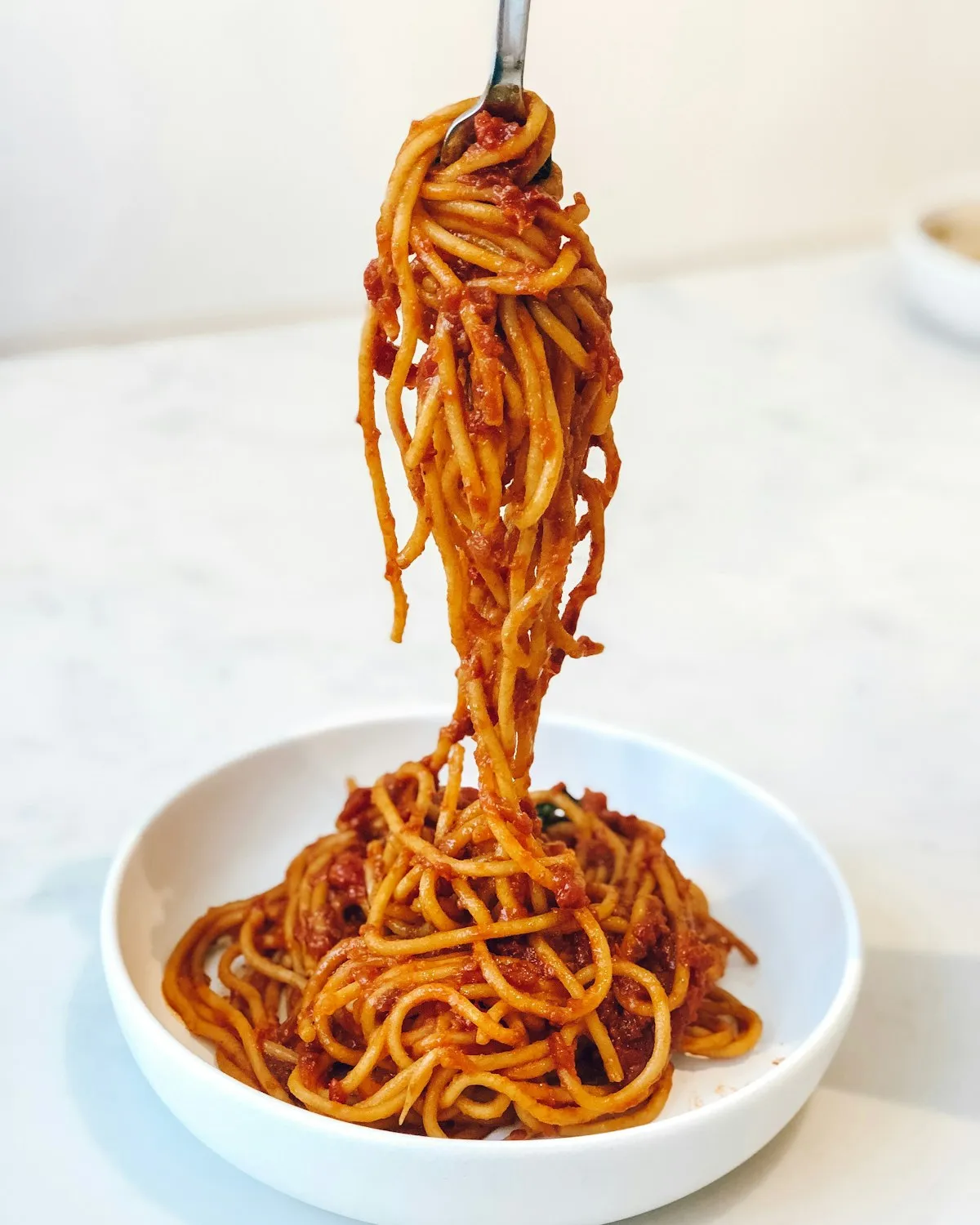
Always preheat your pan until a drop of water flicked onto the surface dances and evaporates in a split second. This high heat triggers the Maillard reaction, that magical chemical interaction between amino acids and reducing sugars that gives browned food its distinctive flavor. Use a heavy-bottomed skillet or a carbon steel wok if you have one, as these materials retain heat far better than thin aluminum. If you're cooking for a crowd, work in batches. It sounds counterintuitive when you're looking for quick family meals, but two five-minute batches will always taste better than one ten-minute batch of soggy mush.
Noodle Nerdery: Texture is Everything
The secret to perfect noodles isn't in the brand; it’s in the starch management. When you boil noodles, they release starch. If they sit in that starchy water or stay damp after draining, they will stick together and turn into a "noodle cake" the moment they hit the hot oil.
Check your noodle packaging and boil them for exactly one minute less than the instructions suggest. This "al dente" state is crucial because the noodles will finish cooking in the pan while absorbing the sauce. Immediately after draining, rinse them under cold water to stop the cooking process and wash away excess surface starch. Give them a vigorous shake and toss them with a teaspoon of neutral oil. This creates a barrier that prevents them from clumping while they wait for their turn in the wok. This small step is what separates professional-grade healthy dinner ideas from a home-cooking disaster.
Mastering the Moisture Balance
Vegetables are mostly water. When they hit a hot pan, that water wants to escape. To keep your veggies crisp-tender rather than mushy, you must manage their release of liquid. Start with your "hard" aromatics and vegetables, onions, carrots, or broccoli stems. These can handle the heat. Save leafy greens, like spinach or bok choy, for the final 30 seconds.
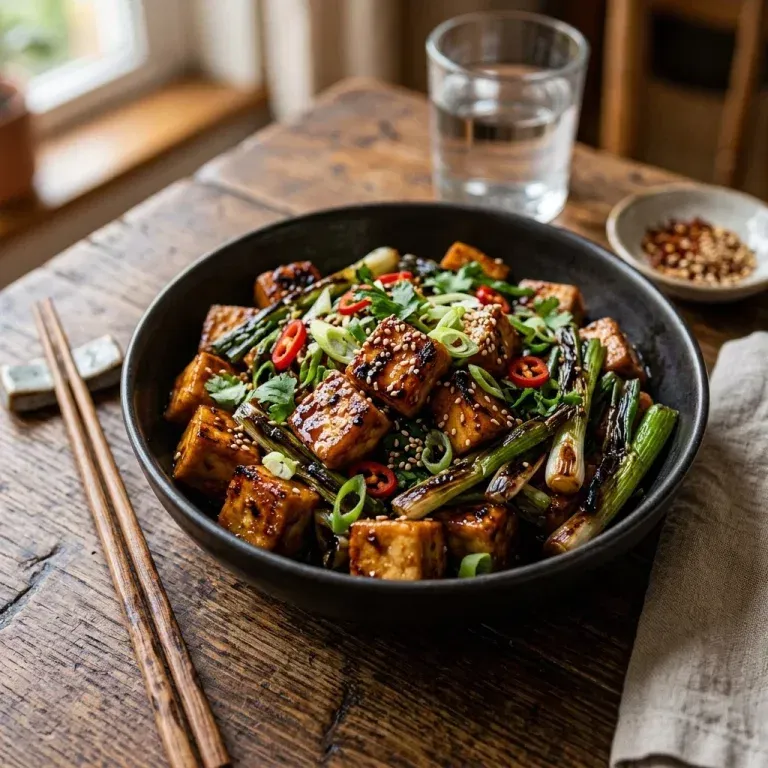
Avoid salting your vegetables too early in the process. Salt draws out moisture through osmosis. If you salt your cabbage the second it hits the pan, you’ll end up with a watery mess. Instead, rely on your pre-mixed sauce to provide the seasoning at the very end. This keeps the cellular structure of the vegetables intact, giving you that satisfying "crunch" that makes budget friendly recipes feel high-end. If you're looking to expand your quick-cooking repertoire, you might also enjoy our viral garlic butter ramen hack for another texture-focused meal.
Variations: From Pantry to Plate
The beauty of fried noodles lies in their adaptability. If your fridge is looking a little sparse, don't panic. This is one of those 15-minute meals that thrives on whatever you have on hand.
- The Protein Swap: While we're keeping it veggie-heavy here, you can easily add bulk with fried tofu or even scrambled eggs. To keep it budget-friendly, eggs are your best friend. Whisk them up, fry them first, remove them from the pan, and toss them back in at the end to keep them fluffy.
- The Noodle Shuffle: No chow mein noodles? No problem. High-quality dried spaghetti works surprisingly well, just ensure you don't overcook it. Even instant ramen noodles (minus the flavor packet) can be transformed into a gourmet meal with the right technique.
- The Flavor Boost: If you like heat, a dollop of chili crisp or a squeeze of sriracha in your sauce base will change the game. For a deeper, earthier profile, add a splash of toasted sesame oil, but only after you’ve turned off the heat. Sesame oil has a low smoke point and can turn bitter if scorched.
For those nights when you want something even more hands-off, consider our air fryer recipes dinner options. You can actually air-fry tofu or broccoli to get them extra crispy before tossing them into your noodles!
Balancing the Bowl: Side Dish Pairings
A heavy, savory bowl of noodles needs a little bit of "lift." Think about acidity and freshness to cut through the richness of the stir-fry oil and soy sauce.
- Quick Pickled Cucumbers: Thinly slice some cucumbers and toss them with rice vinegar, a pinch of sugar, and a dash of salt. Let them sit while you cook your noodles. The bright, acidic crunch is the perfect foil to savory noodles.
- Smashed Garlic Salad: A simple side of cold, smashed cucumbers with plenty of raw garlic and black vinegar provides a refreshing temperature contrast.
- Miso Soup: If you have an extra five minutes, a light miso broth with a few cubes of silken tofu makes this feel like a complete restaurant experience.
Maintaining balance is the key to successful quick healthy meals. If the main dish is salty and savory, your side should be bright and fresh.
FAQ: Solving Your Stir-Fry Snafus
What if my noodles are already sticking together?
Don't try to pull them apart with force; you'll just break them. Rinse them again under warm water to loosen the starch, then immediately toss them with a little oil before they hit the pan.
Can I use frozen vegetables?
Yes, but with a caveat. Frozen veggies hold a lot of extra water. Thaw them completely and pat them bone-dry with a paper towel before frying. If you toss them in frozen, they will drop the pan temperature too quickly and you’ll end up with "noodle soup" instead of fried noodles.
My sauce isn't thickening. What happened?
Most stir-fry sauces use a little sugar or starch (like cornstarch) to help them cling to the noodles. Ensure your pan is still very hot when you pour the sauce in. The heat triggers the gelatinization of the starch, creating that glossy coating. If it's still too watery, let it bubble for 30 seconds undisturbed.
Is it really a "healthy" meal if it's fried?
"Fried" is a bit of a misnomer here. We aren't deep-frying. We are using high-heat sautéing with minimal oil. By loading the dish with fiber-rich vegetables and using whole-grain or high-quality noodles, this fits perfectly into your rotation of healthy dinner ideas.
Why did my garlic burn and turn bitter?
Garlic has a high sugar content and very little water, meaning it burns almost instantly at high stir-fry temperatures. Always add your garlic and ginger after your harder vegetables have already started to cook, or toss them in just 30 seconds before the noodles.
For more minimalist cooking inspiration, check out our one-pan cacio e pepe for those nights when even 15 minutes feels like too much effort. Happy cooking!
{“@type”:”BlogPosting”,”image”:[“https://cdn.marblism.com/ePFAI9DQ8Ig.webp”,”https://cdn.marblism.com/__UwWegljhL.webp”,”https://cdn.marblism.com/ZJvaRqN_x-v.webp”,”https://cdn.marblism.com/H3jIyWSLNIU.webp”],”author”:{“name”:”Penny”,”@type”:”Person”,”jobTitle”:”AI Blog Writer”,”affiliation”:{“name”:”Cookpedia”,”@type”:”Organization”}},”@context”:”https://schema.org”,”headline”:”Budget Friendly 15-Minute Veggie Fried Noodles”,”publisher”:{“logo”:{“url”:”https://cookpedia.com/logo.png”,”@type”:”ImageObject”},”name”:”Cookpedia”,”@type”:”Organization”},”mainEntity”:[{“name”:”What if my noodles are already sticking together?”,”@type”:”Question”,”acceptedAnswer”:{“text”:”Rinse them again under warm water to loosen the starch, then immediately toss them with a little oil before they hit the pan.”,”@type”:”Answer”}},{“name”:”Can I use frozen vegetables?”,”@type”:”Question”,”acceptedAnswer”:{“text”:”Yes, but thaw them completely and pat them bone-dry before frying to prevent the pan temperature from dropping and making the dish soggy.”,”@type”:”Answer”}},{“name”:”Why did my garlic burn and turn bitter?”,”@type”:”Question”,”acceptedAnswer”:{“text”:”Garlic burns quickly due to high sugar and low water content. Add it toward the end of the vegetable sautéing process to keep it fragrant and sweet.”,”@type”:”Answer”}}],”description”:”Master the science of the perfect 15-minute veggie fried noodles. Learn how to avoid soggy noodles and maximize flavor with budget-friendly tips and high-heat techniques.”,”datePublished”:”2026-06-14″,”mainEntityOfPage”:{“@id”:”https://cookpedia.com/budget-friendly-15-minute-veggie-fried-noodles”,”@type”:”WebPage”}}